Roberto Pieraccini – författare
Visar alla böcker från författaren Roberto Pieraccini. Handla med fri frakt och snabb leverans.
5 produkter
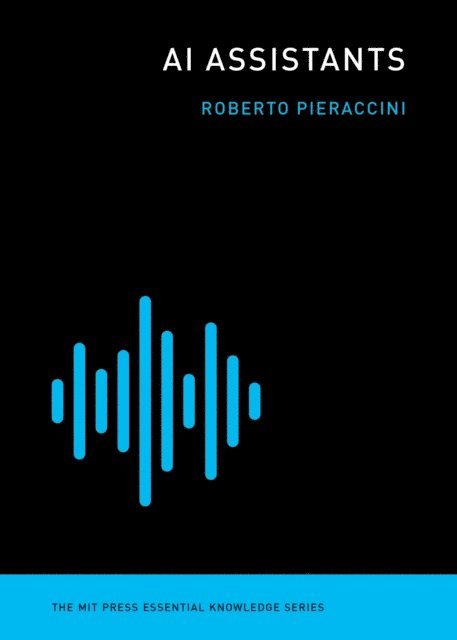
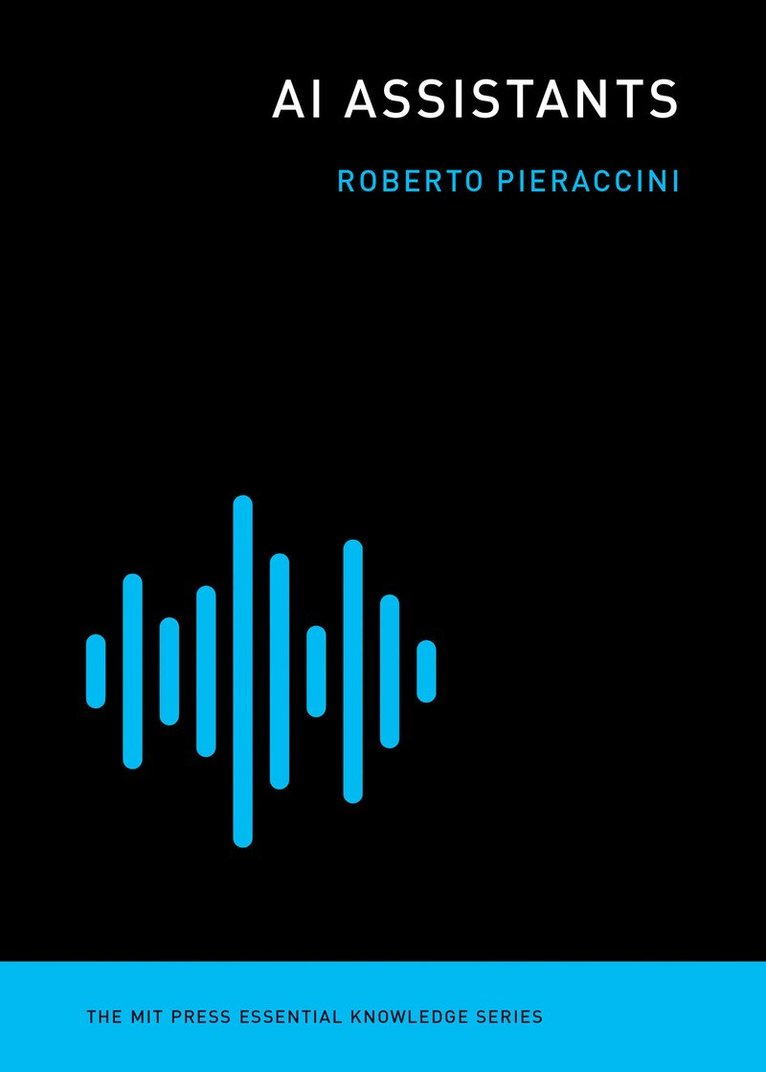
AI Assistants
Häftad, 2021
196 kr
Lägg i varukorg
An accessible explanation of the technologies that enable such popular voice-interactive applications as Alexa, Siri, and Google Assistant.Have you talked to a machine lately? Asked Alexa to play a song, asked Siri to call a friend, asked Google Assistant to make a shopping list? This volume in the …
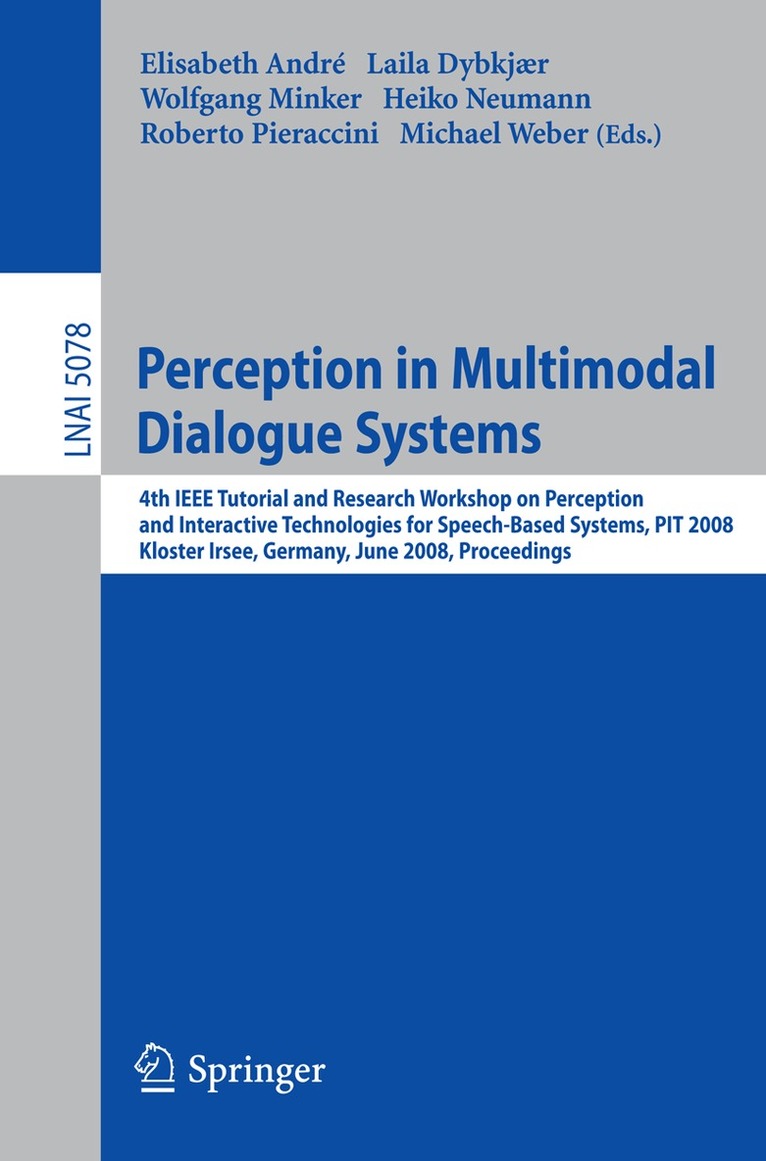
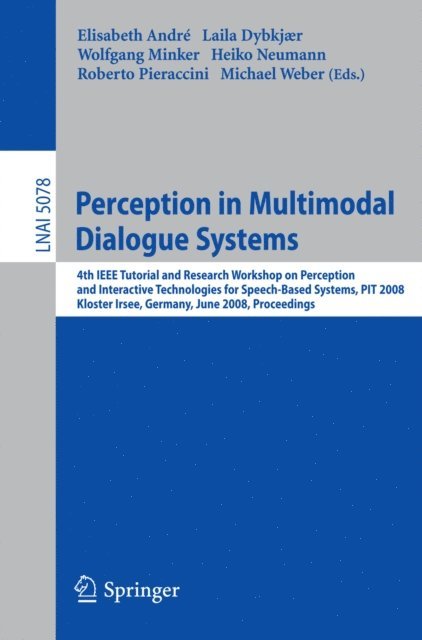
Perception in Multimodal Dialogue Systems
4th IEEE Tutorial and Research Workshop on Perception and Interactive Technologies for Speech-Based Systems, PIT 2008, Kloster Irsee, Germany, June 16-18, 2008, Proceedings
Av Elisabeth André, Laila Dybkjær m. fl.
Häftad, 2008
568 kr
Lägg i varukorg
This book constitutes the refereed proceedings of the 4th IEEE Tutorial and Research Workshop on Perception and Interactive Technologies for Speech-Based Systems, PIT 2008, held in Kloster Irsee, Germany, in June 2008. The 37 revised full papers presented together with 1 invited keynote lecture …
Perception in Multimodal Dialogue Systems
4th IEEE Tutorial and Research Workshop on Perception and Interactive Technologies for Speech-Based Systems, PIT 2008, Kloster Irsee, Germany, June 16-18, 2008, Proceedings
Av Michael Weber, Roberto Pieraccini m. fl.
E-bok, 2008
739 kr
Lägg i varukorg
This book constitutes the refereed proceedings of the 4th IEEE Tutorial and Research Workshop on Perception and Interactive Technologies for Speech-Based Systems, PIT 2008, held in Kloster Irsee, Germany, in June 2008. The 37 revised full papers presented together with 1 invited keynote lecture …