Roberto Roccu – författare
Visar alla böcker från författaren Roberto Roccu. Handla med fri frakt och snabb leverans.
7 produkter
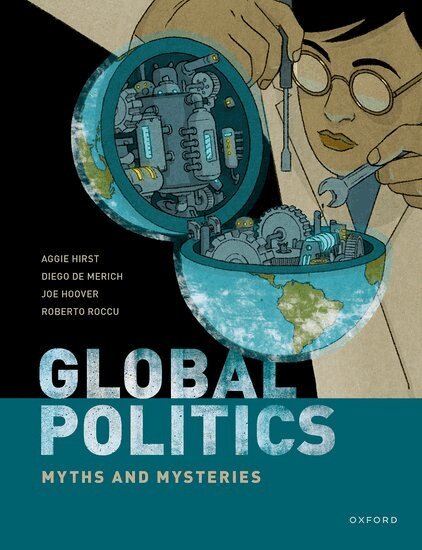
Global Politics
Myths and Mysteries
Av Aggie Hirst, Diego de Merich m. fl.
Häftad, 2023
585 kr
Lägg i varukorg
- How does politics affect you in everyday life? - What is power and who has it?- Has the age of empire come to an end?- Is capitalism the only viable economic system?Politics is all around us. Global Politics: Myths and Mysteries teaches students that their understanding of the political world is …
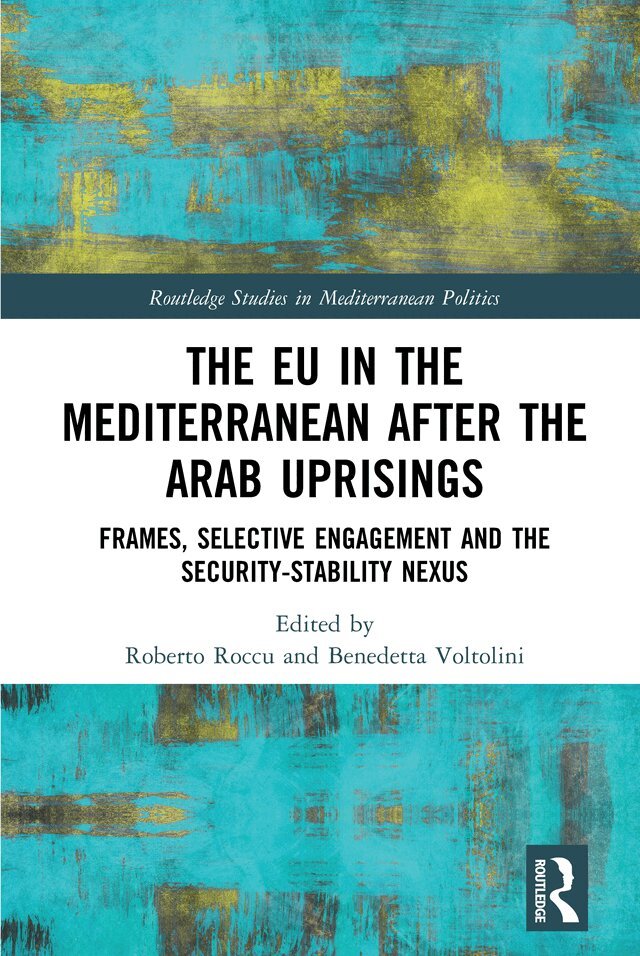
EU in the Mediterranean after the Arab Uprisings
Frames, Selective Engagement and the Security-Stability Nexus
Av Roberto Roccu, Benedetta Voltolini
Häftad, 2020
690 kr
Lägg i varukorg
By examining a range of policy areas, this book aims to assess and qualify the claim that EU policies towards the Arab Mediterranean after the uprisings are predominantly marked by continuity with the past. This is attributed to the fact that the EU still acts with the aim of maximising its own …
EU in the Mediterranean after the Arab Uprisings
Frames, Selective Engagement and the Security-Stability Nexus
Av Benedetta Voltolini, Roberto Roccu
E-bok, 2020
814 kr
Lägg i varukorg
By examining a range of policy areas, this book aims to assess and qualify the claim that EU policies towards the Arab Mediterranean after the uprisings are predominantly marked by continuity with the past. This is attributed to the fact that the EU still acts with the aim of maximising its own …
EU in the Mediterranean after the Arab Uprisings
Frames, Selective Engagement and the Security-Stability Nexus
Av Benedetta Voltolini, Roberto Roccu
E-bok, 2020
796 kr
Lägg i varukorg
By examining a range of policy areas, this book aims to assess and qualify the claim that EU policies towards the Arab Mediterranean after the uprisings are predominantly marked by continuity with the past. This is attributed to the fact that the EU still acts with the aim of maximising its own …
EU in the Mediterranean after the Arab Uprisings
Frames, Selective Engagement and the Security-Stability Nexus
Av Roberto Roccu, Benedetta Voltolini
Inbunden, 2018
2516 kr
Lägg i varukorg
By examining a range of policy areas, this book aims to assess and qualify the claim that EU policies towards the Arab Mediterranean after the uprisings are predominantly marked by continuity with the past. This is attributed to the fact that the EU still acts with the aim of maximising its own …
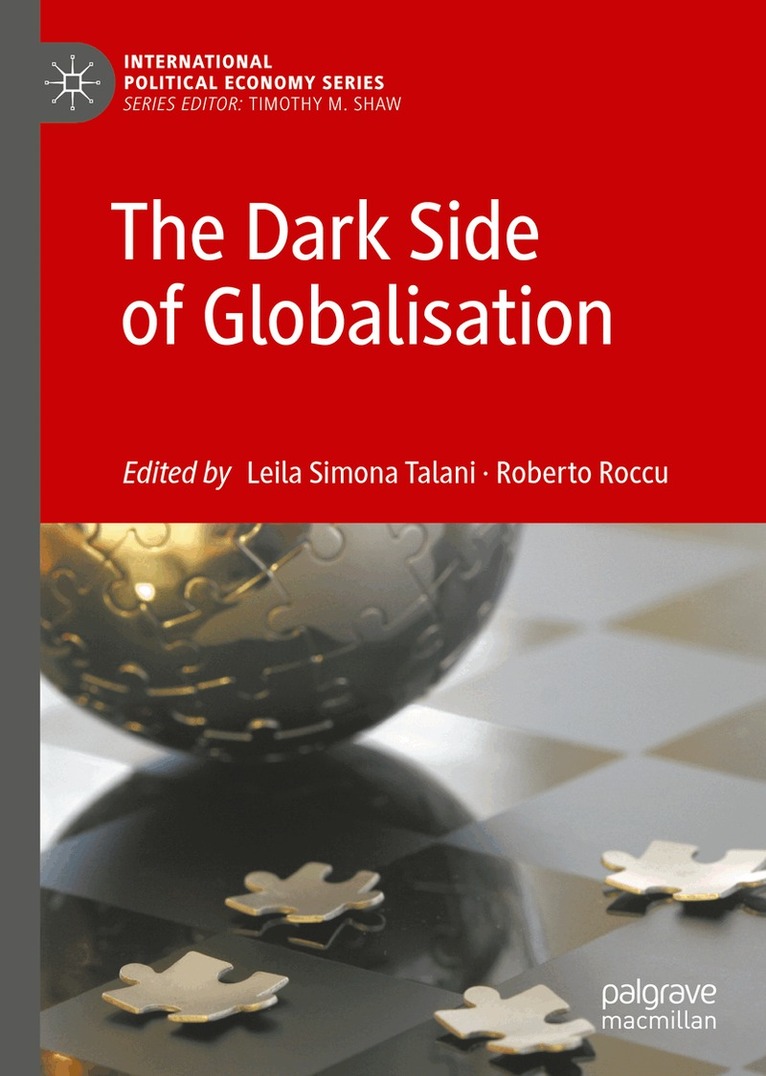
Dark Side of Globalisation
Av Leila Simona Talani, Roberto Roccu
Inbunden, 2019
1421 kr
Lägg i varukorg
Firmly rooted in the International Political Economy (IPE) tradition, this book addresses the negative consequences of globalisation, what is termed here the ‘dark side of globalisation’. It explores different definitions of globalisation, whether the globalisation we have seen since the 1970s is …
Dark Side of Globalisation
Av Roberto Roccu, Leila Simona Talani
E-bok, 2019
1785 kr
Lägg i varukorg
Firmly rooted in the International Political Economy (IPE) tradition, this book addresses the negative consequences of globalisation, what is termed here the ‘dark side of globalisation’. It explores different definitions of globalisation, whether the globalisation we have seen since the 1970s is …