Robin Howells – författare
Visar alla böcker från författaren Robin Howells. Handla med fri frakt och snabb leverans.
6 produkter
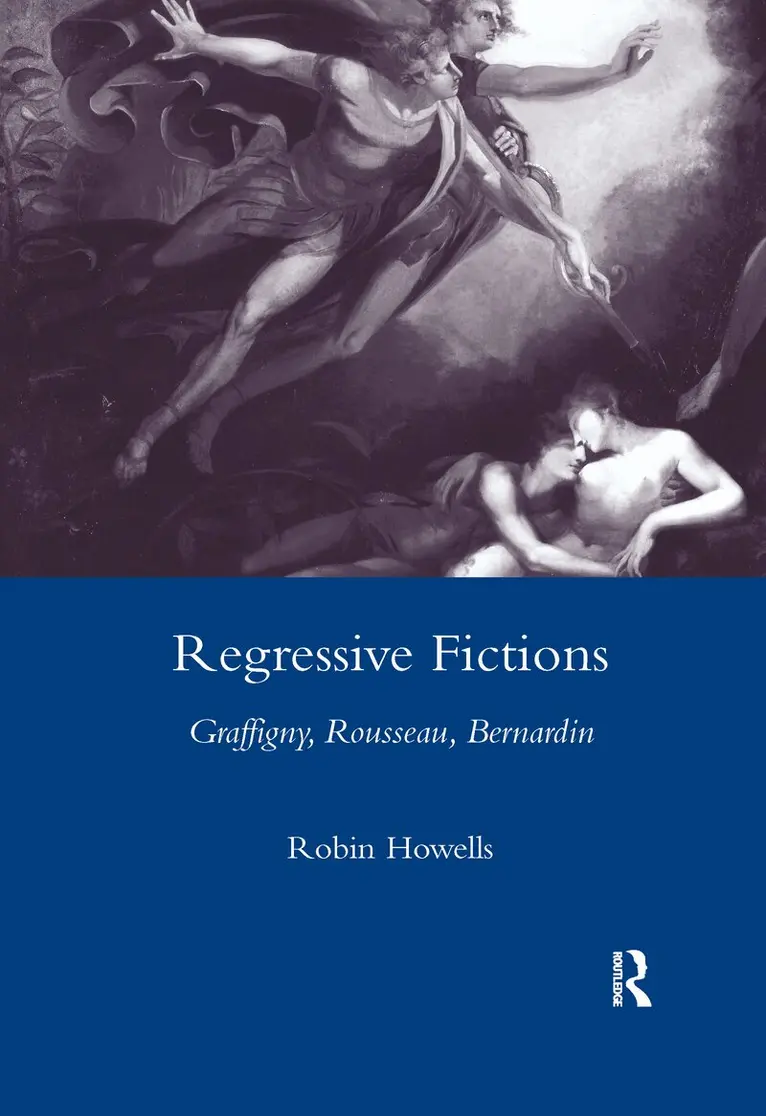
Regressive Fictions
Häftad, 2020
576 kr
Lägg i varukorg
In a cultural shift around the mid-point of the French eighteenth century, the mode of wit is increasingly displaced by bourgeois pathos. Social sophistication and sexual experience are rejected in favour of a retreat into ideal imagination. Instead of the novel of worldliness, we encounter …
Regressive Fictions
E-bok, 2017
677 kr
Lägg i varukorg
"In a cultural shift around the mid-point of the French eighteenth century, the mode of wit is increasingly displaced by bourgeois pathos. Social sophistication and sexual experience are rejected in favour of a retreat into ideal imagination. Instead of the novel of worldliness, we encounter …
Regressive Fictions
E-bok, 2017
656 kr
Lägg i varukorg
"In a cultural shift around the mid-point of the French eighteenth century, the mode of wit is increasingly displaced by bourgeois pathos. Social sophistication and sexual experience are rejected in favour of a retreat into ideal imagination. Instead of the novel of worldliness, we encounter …
Rêves de citoyens
Le républicanisme dans la littérature Suisse romande du XVIIIe siècle
Av Helder Mendes Baiao, Robin Howells m. fl.
Häftad, 2021
828 kr
Lägg i varukorg
La Nouvelle Héloïse de Jean-Jacques Rousseau (1761) met en scène une petite communauté installée au pied des Alpes dont le mode de vie suit des valeurs républicaines. Cette étude porte sur l'histoire de cette utopie inaboutie qui a forgé l'imaginaire national suisse et qui continue aujourd'hui …
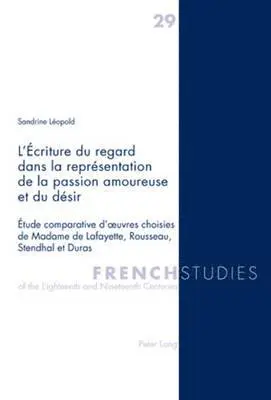
L'ecriture Du Regard Dans La Repraesentation De La Passion Amoureuse Et Du Daesir
Etude Comparative D'oeuvres Choisies De Madame De Lafayette, Rousseau, Stendahl Et Duras
Av Sandrine Léopold, Robin Howells m. fl.
Häftad, 2009
1447 kr
Lägg i varukorg
Cet ouvrage se penche sur le regard comme thème récurrent dans les œuvres suivantes : La Princesse de Clèves , La Nouvelle Héloïse , La Chartreuse de Parme et Le Ravissement de Lol V. Stein . Comment s’explique la place centrale qu’occupe le regard dans les scènes les plus importantes de ces romans …
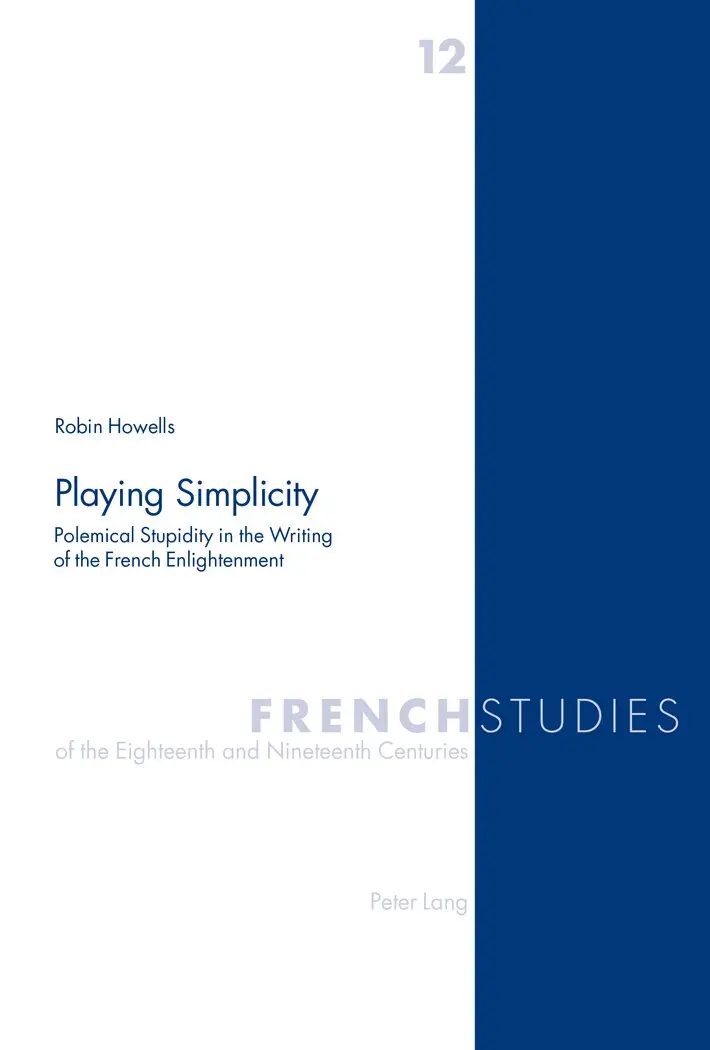
Playing Simplicity
Polemical Stupidity in the Writing of the French Enlightenment
Av Robin Howells, James Kearns
Häftad, 2002
778 kr
Tillfälligt slut
Polemical stupidity – a critical concept drawn from Bakhtin – denotes the strategic refusal to understand. It appears most familiarly in the character of the Fool (like Candide), who genuinely does not understand the world, thus unmasking its incoherence. But in literature it can cover too the …