Rod MacRae - Böcker
Visar alla böcker från författaren Rod MacRae. Handla med fri frakt och snabb leverans.
4 produkter
4 produkter
930 kr
Skickas inom 10-15 vardagar
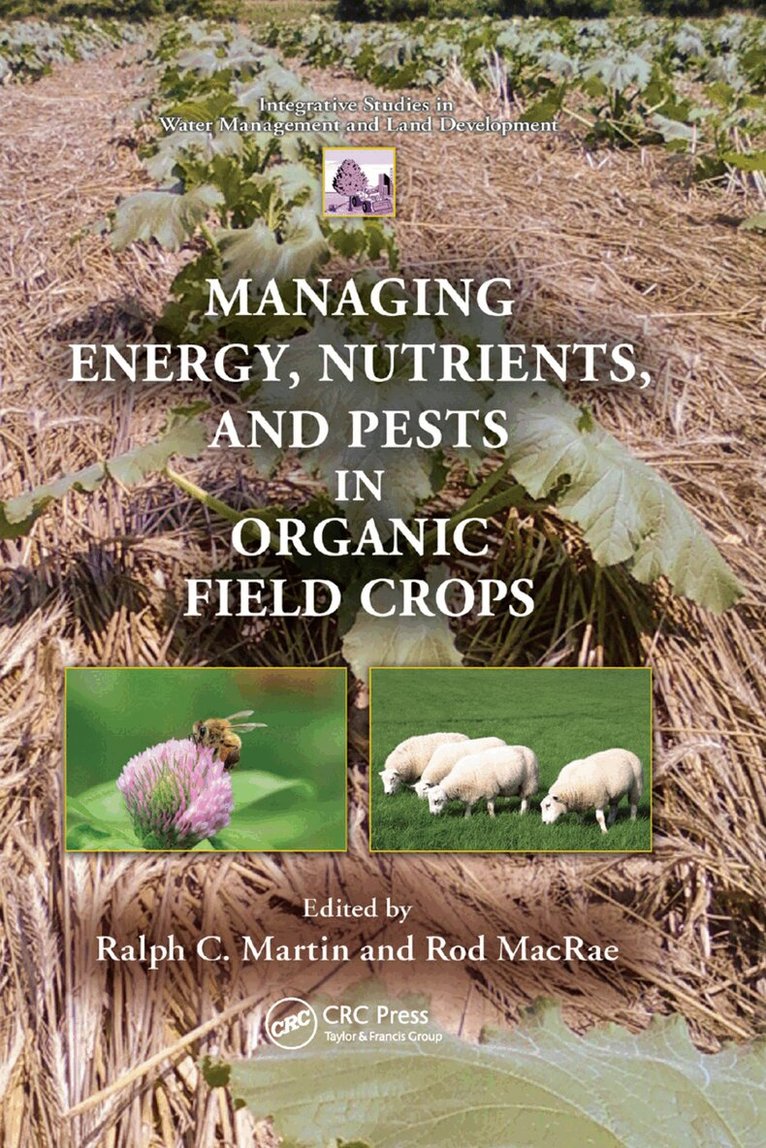
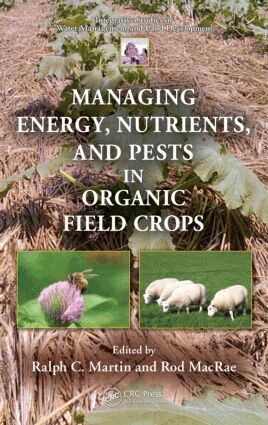
The use of organic management practices in field cropping continues to rise globally, and these methods have proven to be a viable way to produce food with reduced resource use and environmental damage. Managing Energy, Nutrients, and Pests in Organic Field Crops challenges the popular misconception that organic systems are weak at managing energy, nutrients, and pests and shows how innovative farm designs can enhance organic performance. It provides information for assessing the current state of knowledge on organic field cropping and for making the systems more viable.Each chapter summarizes the latest data from a wide range of sources, creating a comprehensive and coherent picture of the issues and integrating agronomic, economic, and policy aspects. Many chapters also include recent research from the authors. Section I, Soil Health, examines the importance of phosphorus balance, soil fertility, and tillage reduction. Section II, Pest Management, focuses on integrated weed management and long-term approaches to insect management.Section III, Integrating Approaches, addresses multiple field cropping challenges. Chapters cover the oldest organic rotational trials in Canada, the issue of using cereals bred for conventional systems and more targeted organic cereal breeding strategies, and case studies of a broad spectrum of farming experiences that explore the broader social and ecological landscape. The final section, Economics, Energy, and Policy, examines environmental issues not previously addressed in the text as well as consumer, economic, and rural community matters. It also presents a reprint of an article that describes policies and programs (and their costs) needed to advance adoption of organic farming in Ontario. The text wraps up with key conclusions and a discussion of overarching themes for the book, summarizing the strengths of the available tool box for organic producers and the challenges that remain.
Health and Sustainability in the Canadian Food System
Advocacy and Opportunity for Civil Society
Inbunden, Engelska, 2012
1 079 kr
Skickas inom 7-10 vardagar
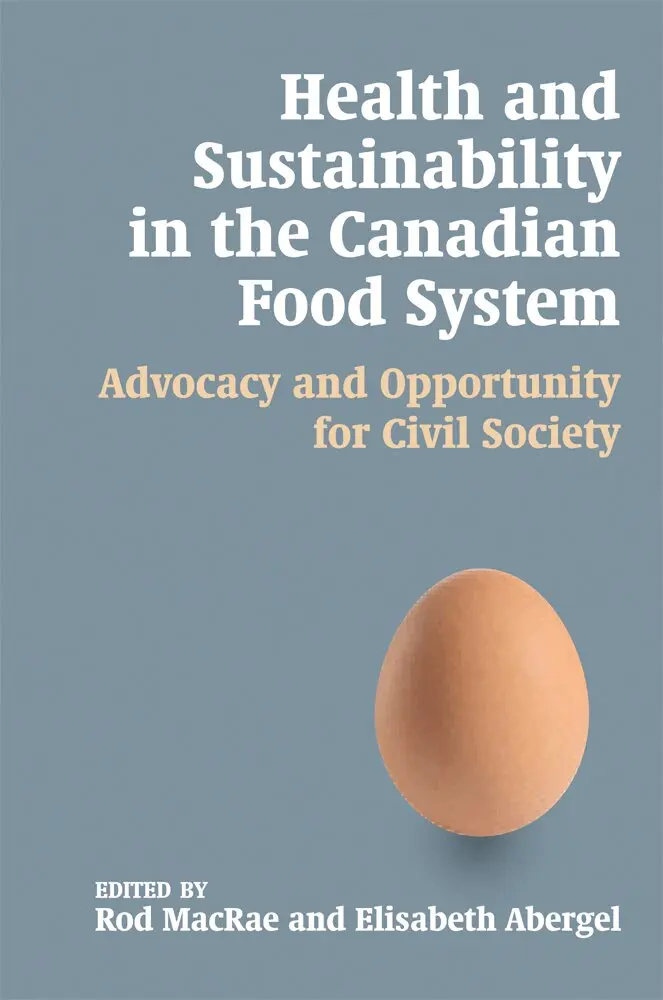
Civil society organizations are among the most vociferous critics of the modern food system. Yet even after decades of campaigns, governments have failed to address health and sustainability issues in a systematic way.New approaches are in order, and this volume showcases the research of experts from various disciplines who argue that solutions lie not just in lobbying elected officials but rather in initiatives at the subparliamentary level. Case studies on a range of topics, from breastfeeding and sustainable pest management promotion to programs such as Canada's Action Plan on Food Security, tell a story of misguided campaigns and missed opportunities.Real change, this inspiring volume suggests, is possible. It will come when advocacy groups develop innovative strategies of influencing decision makers more resistant to public pressure: business lobbies well connected to government agencies, middle managers, and ministries unused to collaborating across departmental mandates.
Health and Sustainability in the Canadian Food System
Advocacy and Opportunity for Civil Society
Häftad, Engelska, 2013
400 kr
Skickas inom 7-10 vardagar
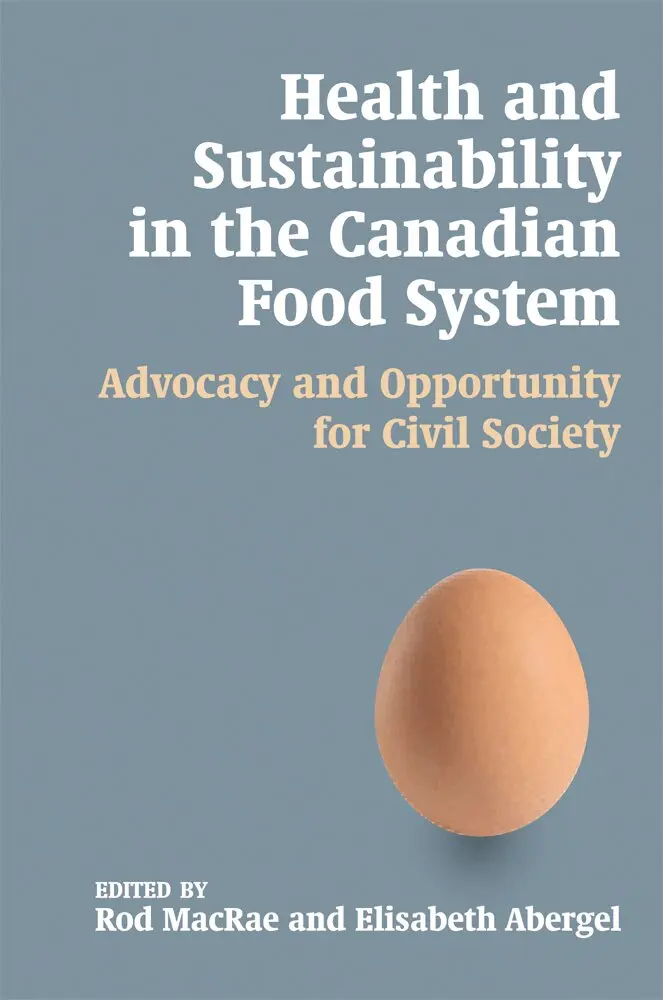
Civil society organizations are among the most vociferous critics of the modern food system. Yet even after decades of campaigns, governments have failed to address health and sustainability issues in a systematic way.New approaches are in order, and this volume showcases the research of experts from various disciplines who argue that solutions lie not just in lobbying elected officials but rather in initiatives at the subparliamentary level. Case studies on a range of topics, from breastfeeding and sustainable pest management promotion to programs such as Canada's Action Plan on Food Security, tell a story of misguided campaigns and missed opportunities.Real change, this inspiring volume suggests, is possible. It will come when advocacy groups develop innovative strategies of influencing decision makers more resistant to public pressure: business lobbies well connected to government agencies, middle managers, and ministries unused to collaborating across departmental mandates.
2 562 kr
Skickas inom 10-15 vardagar
The use of organic management practices in field cropping continues to rise globally, and these methods have proven to be a viable way to produce food with reduced resource use and environmental damage. Managing Energy, Nutrients, and Pests in Organic Field Crops challenges the popular misconception that organic systems are weak at managing energy, nutrients, and pests and shows how innovative farm designs can enhance organic performance. It provides information for assessing the current state of knowledge on organic field cropping and for making the systems more viable.Each chapter summarizes the latest data from a wide range of sources, creating a comprehensive and coherent picture of the issues and integrating agronomic, economic, and policy aspects. Many chapters also include recent research from the authors. Section I, Soil Health, examines the importance of phosphorus balance, soil fertility, and tillage reduction. Section II, Pest Management, focuses on integrated weed management and long-term approaches to insect management.Section III, Integrating Approaches, addresses multiple field cropping challenges. Chapters cover the oldest organic rotational trials in Canada, the issue of using cereals bred for conventional systems and more targeted organic cereal breeding strategies, and case studies of a broad spectrum of farming experiences that explore the broader social and ecological landscape. The final section, Economics, Energy, and Policy, examines environmental issues not previously addressed in the text as well as consumer, economic, and rural community matters. It also presents a reprint of an article that describes policies and programs (and their costs) needed to advance adoption of organic farming in Ontario. The text wraps up with key conclusions and a discussion of overarching themes for the book, summarizing the strengths of the available tool box for organic producers and the challenges that remain.