Rodney A. White - Böcker
Visar alla böcker från författaren Rodney A. White. Handla med fri frakt och snabb leverans.
4 produkter
4 produkter
8 047 kr
Skickas inom 7-10 vardagar
Selected as an outstanding book in vascular surgery by members of the Society for Vascular Surgery.*This unique new text describes the current understanding of the etiology and pathogenesis of human atherosclerosis. It also details the methods for quantitating and characterizing both experimental and clinical lesions, and describes the methods for preparing available animal models. Providing an in-depth review of each of these topics, the text organizes the information in one volume for the convenience of the reader.The text is divided into two sections. First is a description of the cell biology, biochemistry and pharmacology of normal vessels and of atherosclerotic human lesions, with details of the methods to accurately characterize and quantitate the disease. Secondly, it presents a description of the methods for preparing the available experimental animal models, including a discussion of the distribution and pathological characteristics of the lesions. It also includes comparisons of human atherosclerosis and experimental animal models.Intended to provide a basis for expediting future research in this priority health care area, this text compiles the available information for those who treat patients with atherosclerosis or who are involved in atherosclerosis research. It is of particular interest to students, physicians, and academic and commercial researchers.
2 854 kr
Skickas inom 11-20 vardagar
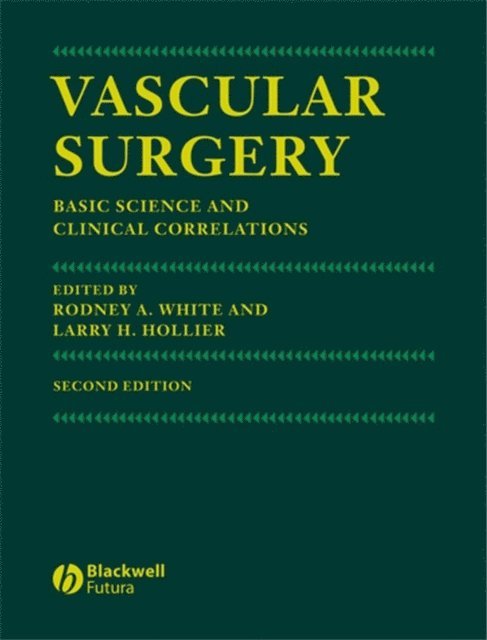
Vascular Surgery: Basic Science and Clinical Correlations, 2nd EditionThis second edition of a very successful vascular surgery text was developed in order to address significant changes that have occurred in contemporary vascular surgery and to highlight new information that has developed regarding vascular imaging, interventional and endovascular procedures. The overall length of the text is slightly shorter than the first edition with relevant core chapters being retained to emphasize the basic science nature of the text, with approximately 60% of the material undergoing major revisions or being new chapters.The significant change from the first text is an emphasis on vascular pathology and physiology that is relevant to current practice including information that is currently included on the vascular board examinations. A new emphasis on endovascular therapies has been added by including five chapters on endovascular techniques and an additional section with six chapters comparing conventional vascular reconstruction to endovascular methods. These new chapters address the most important issue in contemporary vascular surgery, i.e., the role of endovascular methods in treating vascular lesions and the impact that this has on training and credentialing. A unique aspect of this book differentiating it from other texts is a comparison of conventional methods with the endovascular techniques.Overall the text provides a comprehensive perspective of contemporary vascular surgery and future perspectives. The authors are preeminent in the field and are most capable for addressing the assigned topics with the goals being to provide an updated and forward looking text that accommodates the needs of practicing and training vascular surgeons.
1 640 kr
Skickas inom 10-15 vardagar
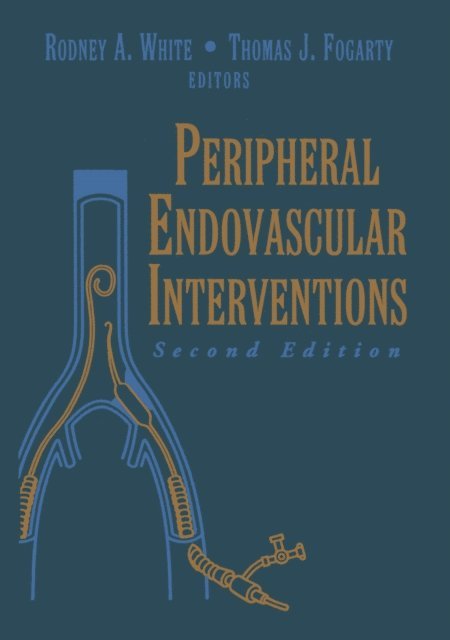
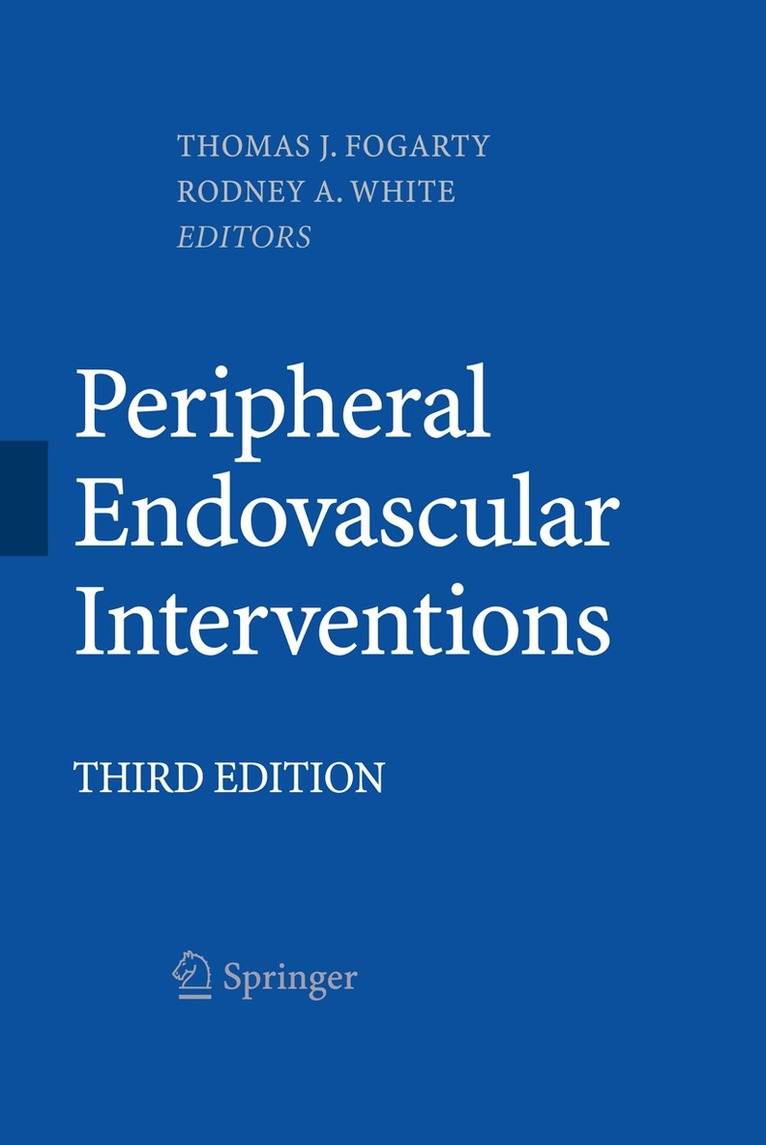
This book is a comprehensive review of the rapidly advancing field of endovascular therapy, written by internationally recognized authorities in the field, many of whom are the innovators of the techniques and devices involved. Broad in scope, topics covered range from how to obtain training in approved endovascular techniques to promising new lines of investigational therapies. Reflecting the operative nature of many of the new endovascular therapies, this book is somewhat unique for an endovascular text in the strong representation of surgeons among its authors.Purpose: The purpose is to train and update physicians with diverse levels of experience and from a variety of specialties in established, new, and still evolving endovascular techniques. Given the wide variation in expertise among different specialties interested in performing these procedures, and acknowledging that different specialties lack skill in different aspects of various procedures, a book such as this is badly needed. The goals are accomplished by providing broad overviews of the basics for those with little experience and in-depth presentations of advanced topics for more skilled physicians.Audience: The audience includes vascular surgeons, who will take particular interest in the coverage of endovascular equipment and basic percutaneous techniques, and interventional cardiologists and radiologists, who have had little previous exposure to the operative aspects of endovascular therapy discussed in detail in this book.From the preface to the second edition:Catheter-based diagnosis and treatment of vascular diseases has evolved over the last several decades, with a recent increase occurring in the utility of the therapeutic methods. This development has been stimulated by several factors including miniaturization of interventional devices and imaging technologies, and an emphasis on the utilization of minimally invasive, cost-effective treatments that reduce the economic impact of health care delivery. As part of this evolution, the development and adaptation of new interventional techniques and devices has produced a continual need for updating and training physicians in several subspecialties regarding the use of these methodologies. This requires not only adapting the technologies to current clinical practice but also establishing educational training curriculum in subspecialty fellowship programs.Because endovascular technologies are of multispecialty interest, a review of the entire scope of fundamental information regarding each aspect of the field is required to furnish a comprehensive review that will provide specific utility for individuals from different disciplines. For this reason, we have undertaken the development of this text to satisfy two goals. The first is to provide a broad overview of the entire range of topics for clinicians with little or no background relevant to the subject matter. Secondly, those with some familiarity will find definitive informational material to allow adaptation of endovascular technologies to their current clinical practice.To adequately understand and safely use catheter-based interventional therapies, knowledge of a number of topics beyond the clinical indications and techniques for applying endovascular methods is required. A thorough understand of the pathophysiology of vascular disease, safety issues regarding interventional devices and imaging methods, and a comprehension of fundamental biomaterials concepts is needed. These topics are addressed in detail and represent relatively mature aspects of this field that are otherwise characterized by continual change in devices and techniques as the field expands.
1 205 kr
Skickas inom 10-15 vardagar
This book is a comprehensive review of the rapidly advancing field of endovascular therapy, written by internationally recognized authorities in the field, many of whom are the innovators of the techniques and devices involved. Broad in scope, topics covered range from how to obtain training in approved endovascular techniques to promising new lines of investigational therapies. Reflecting the operative nature of many of the new endovascular therapies, this book is somewhat unique for an endovascular text in the strong representation of surgeons among its authors.Purpose: The purpose is to train and update physicians with diverse levels of experience and from a variety of specialties in established, new, and still evolving endovascular techniques. Given the wide variation in expertise among different specialties interested in performing these procedures, and acknowledging that different specialties lack skill in different aspects of various procedures, a book such as this is badly needed. The goals are accomplished by providing broad overviews of the basics for those with little experience and in-depth presentations of advanced topics for more skilled physicians.Audience: The audience includes vascular surgeons, who will take particular interest in the coverage of endovascular equipment and basic percutaneous techniques, and interventional cardiologists and radiologists, who have had little previous exposure to the operative aspects of endovascular therapy discussed in detail in this book.From the preface to the second edition:Catheter-based diagnosis and treatment of vascular diseases has evolved over the last several decades, with a recent increase occurring in the utility of the therapeutic methods. This development has been stimulated by several factors including miniaturization of interventional devices and imaging technologies, and an emphasis on the utilization of minimally invasive, cost-effective treatments that reduce the economic impact of health care delivery. As part of this evolution, the development and adaptation of new interventional techniques and devices has produced a continual need for updating and training physicians in several subspecialties regarding the use of these methodologies. This requires not only adapting the technologies to current clinical practice but also establishing educational training curriculum in subspecialty fellowship programs.Because endovascular technologies are of multispecialty interest, a review of the entire scope of fundamental information regarding each aspect of the field is required to furnish a comprehensive review that will provide specific utility for individuals from different disciplines. For this reason, we have undertaken the development of this text to satisfy two goals. The first is to provide a broad overview of the entire range of topics for clinicians with little or no background relevant to the subject matter. Secondly, those with some familiarity will find definitive informational material to allow adaptation of endovascular technologies to their current clinical practice.To adequately understand and safely use catheter-based interventional therapies, knowledge of a number of topics beyond the clinical indications and techniques for applying endovascular methods is required. A thorough understand of the pathophysiology of vascular disease, safety issues regarding interventional devices and imaging methods, and a comprehension of fundamental biomaterials concepts is needed. These topics are addressed in detail and represent relatively mature aspects of this field that are otherwise characterized by continual change in devices and techniques as the field expands.