Roger Panetta – författare
Visar alla böcker från författaren Roger Panetta. Handla med fri frakt och snabb leverans.
2 produkter
2 produkter
Häftad, Engelska, 2009
708 kr
Skickas inom 5-8 vardagar
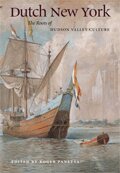
The 2009 quadricentennial celebrations commemorating the discovery of the Hudson River by Henry Hudson will also spotlight one of our deepest and most enduring national legacies—the Dutch presence that has shaped not just the Hudson Valley but four centuries of American life.This lavishly illustrated book, a companion to the exhibition opening in June 2009 at the Hudson River Museum, takes needed stock of the remarkable past created by the settlers of New Netherlands. Although the Dutch controlled the Hudson Valley only until ceding it to the British in 1664, the Dutch established the towns and cities that today define the region—from New Amsterdam upriver to Fort Orange, today's Albany. The Dutch heritage lives on, not only in historic estates or Dutch-named places like the Bronx or Yonkers but also in commerce, law, politics, religion, art, and culture.In thirteen original essays, this book traverses those four centuries to enrich and expand our understanding of America's origins. The essays, written by a superb team of distinguished scholars, are grouped into five chronological frames—1609, 1709, 1809, 1909, and 2009—each marking a key point in the history of the Dutch in the valley.The topics range widely, from patterns of settlement and the Dutch encounter with slavery and Native America to Dutch influences in everything from architecture and religion to material culture, language, and literature.Based on fresh research, this book is at once a fascinating introduction to a remarkable past and a much-needed new look at the Dutch role in the region, in the story of America's origins, and in creating the habits, styles, and practices identified as quintessentially New York's.
E-bok
Engelska, 201258 kr
Läs direkt efter köp
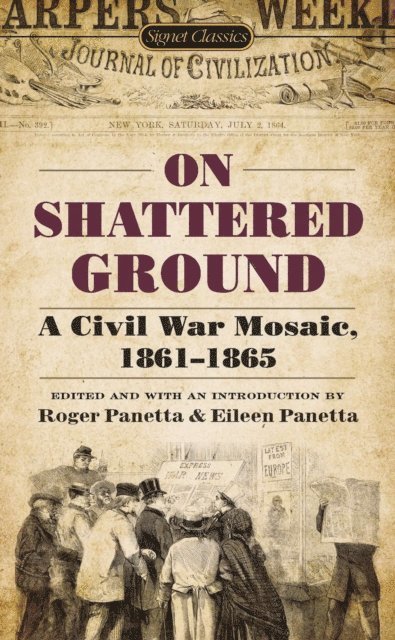
A WIDE-RANGING COLLECTION OF CIVIL WAR DOCUMENTSThis comprehensive anthology of original documents traces the American Civil War from its beginnings with the 1860 election of Abraham Lincoln to the surrender and assassination with which it ended. With historical sources ranging from public documents, newspaper articles and personal reminiscences to fiction, songs, and poems written by participants and observers, these primary documents and images capture the wide spectrum of individuals who all experienced the profound effects of the American Civil War on both the Union and Confederacy sides as well as on the nation as a whole. Statesmen, citizens, generals, soldiers, abolitionists, slaves, journalists, and artists all give voice to the day-to-day reality of a devastating conflict that reached into the homes and lives of the average American in a way no American war had before…or has since.