Rolf Strootman - Böcker
Visar alla böcker från författaren Rolf Strootman. Handla med fri frakt och snabb leverans.
4 produkter
4 produkter
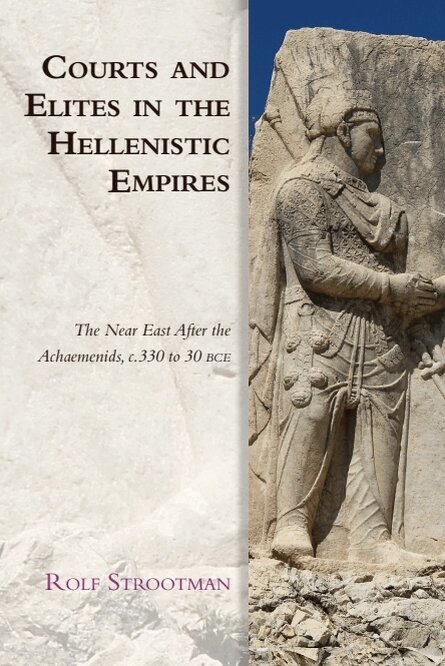
Courts and Elites in the Hellenistic Empires
The Near East After the Achaemenids, c. 330 to 30 BCE
Inbunden, Engelska, 2014
2 085 kr
Skickas inom 3-6 vardagar
Rolf Strootman brings together various aspects of court culture in the Macedonian empires of the post-Achaemenid Near East. During the Hellenistic Period (c. 330-30 BCE), Alexander the Great and his successors reshaped their Persian and Greco-Macedonian legacies to create a new kind of rulership that was neither ‘western’ nor ‘eastern’ and would profoundly influence the later development of court culture and monarchy in both the Roman West and Iranian East.Drawing on the socio-political models of Norbert Elias and Charles Tilly, After the Achaemenids shows how the Hellenistic dynastic courts were instrumental in the integration of local elites in the empires, and the (re)distribution of power, wealth, and status. It analyses the competition among courtiers for royal favour and the, not always successful, attempts of the Hellenistic rulers to use these struggles to their own advantage.It demonstrates the interrelationships of the three competing ‘Hellenistic’ empires of the Seleukids, Antigonids and Ptolemies, casts new light on the phenomenon of Hellenistic Kingship by approaching it from the angle of the court and covers topics such as palace architecture, royal women, court ceremonial, and coronation ritual.
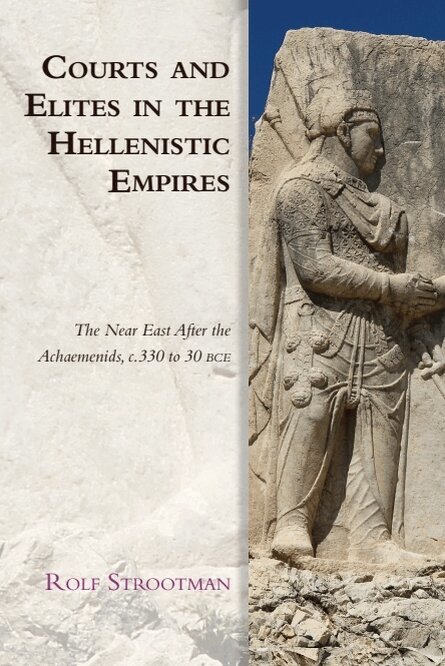
Courts and Elites in the Hellenistic Empires
The Near East After the Achaemenids, c. 330 to 30 BCE
Häftad, Engelska, 2020
378 kr
Skickas
Rolf Strootman brings together various aspects of court culture in the Macedonian empires of the post-Achaemenid Near East. During the Hellenistic Period (c. 330-30 BCE), Alexander the Great and his successors reshaped their Persian and Greco-Macedonian legacies to create a new kind of rulership that was neither ‘western’ nor ‘eastern’ and would profoundly influence the later development of court culture and monarchy in both the Roman West and Iranian East.Drawing on the socio-political models of Norbert Elias and Charles Tilly, After the Achaemenids shows how the Hellenistic dynastic courts were instrumental in the integration of local elites in the empires, and the (re)distribution of power, wealth, and status. It analyses the competition among courtiers for royal favour and the, not always successful, attempts of the Hellenistic rulers to use these struggles to their own advantage.It demonstrates the interrelationships of the three competing ‘Hellenistic’ empires of the Seleukids, Antigonids and Ptolemies, casts new light on the phenomenon of Hellenistic Kingship by approaching it from the angle of the court and covers topics such as palace architecture, royal women, court ceremonial, and coronation ritual.
Del 414 - Mnemosyne, Supplements, History and Archaeology of Classical Antiquity
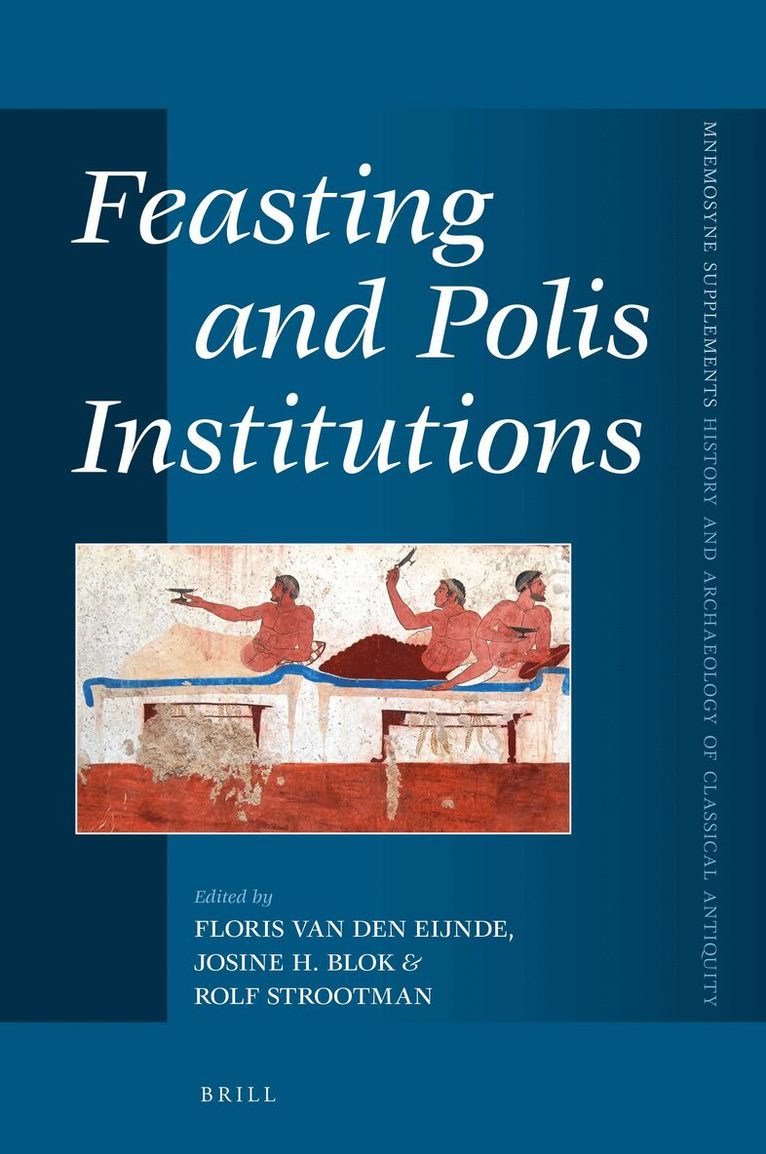
Feasting and Polis Institutions
Inbunden, Engelska, 2018
2 248 kr
Skickas inom 5-8 vardagar
Feasting and commensality formed the backbone of social life in the polis, the most characteristic and enduring form of political organization in the ancient Greek world. Exploring a wide array of commensal practices, Feasting and Polis Institutions reveals how feasts defined the religious and political institutions of the Greek citizen-state.Taking the reader from the Early Iron Age to the Imperial Period, this volume launches an essential inquiry into Greek power relations. Focusing on the myriad of patronage roles at the feast and making use of a wide variety of methodologies and primary sources, including archaeology, epigraphy and literature, Feasting and Polis Institutions argues that in ancient Greece political interaction could never be complete until it was consummated in a festive context.
Del 4 - Cultural Interactions in the Mediterranean
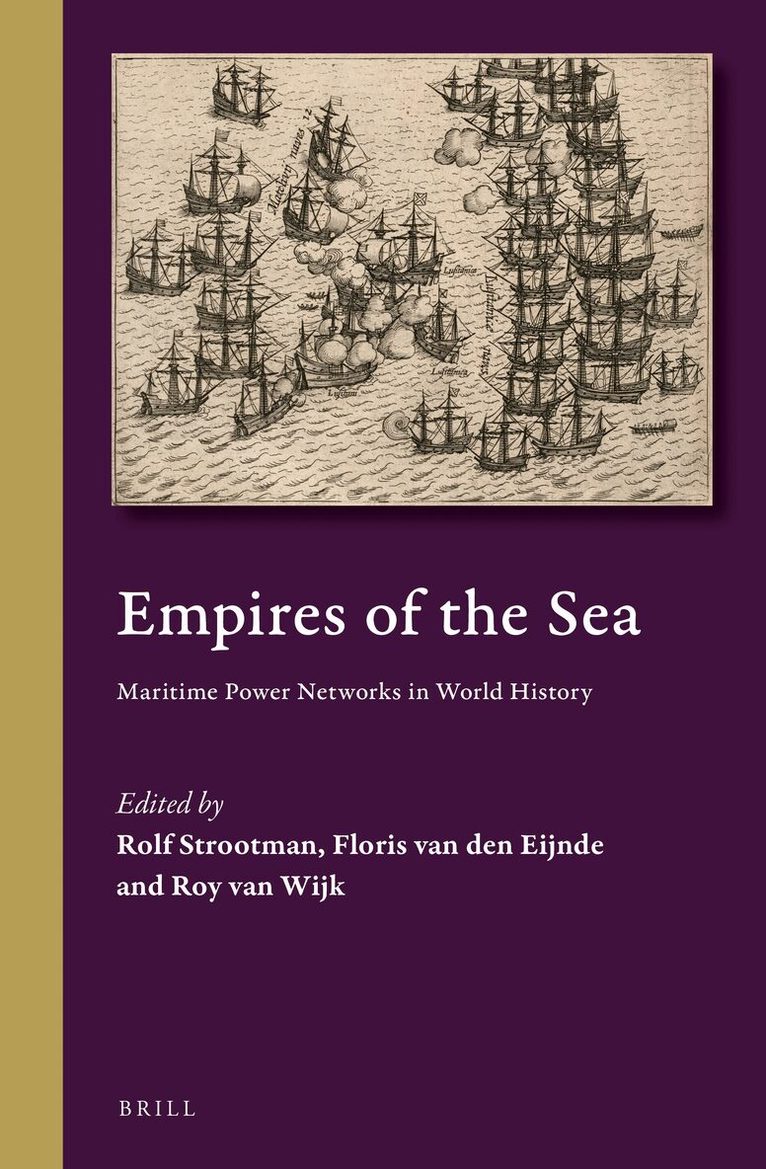
Empires of the Sea
Maritime Power Networks in World History
Inbunden, Engelska, 2019
2 135 kr
Skickas inom 5-8 vardagar
Empires of the Sea brings together studies of maritime empires from the Bronze Age to the Eighteenth Century. The volume aims to establish maritime empires as a category for the (comparative) study of premodern empires, and from a partly ‘non-western’ perspective. The book includes contributions on Mycenaean sea power, Classical Athens, the ancient Thebans, Ptolemaic Egypt, The Genoese Empire, power networks of the Vikings, the medieval Danish Empire, the Baltic empire of Ancien Régime Sweden, the early modern Indian Ocean, the Melaka Empire, the (non-European aspects of the) Portuguese Empire and Dutch East India Company, and the Pirates of Caribbean.