Romain Lachat - Böcker
Visar alla böcker från författaren Romain Lachat. Handla med fri frakt och snabb leverans.
4 produkter
4 produkter
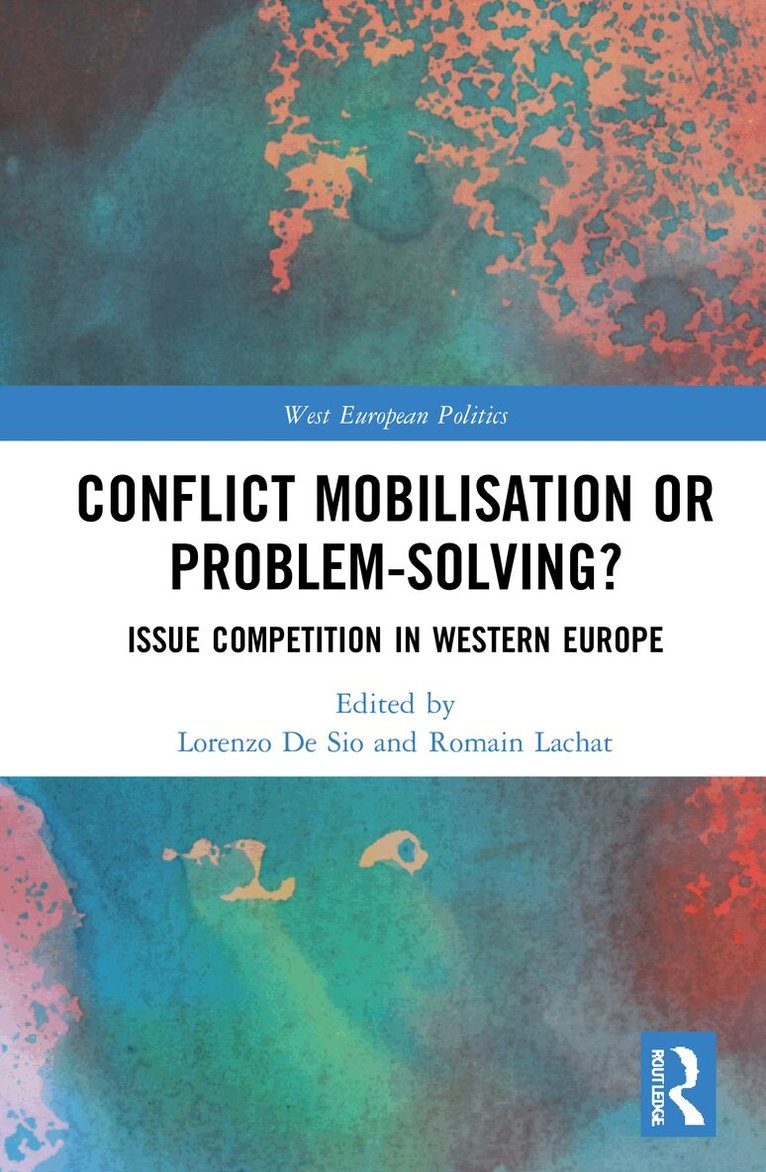
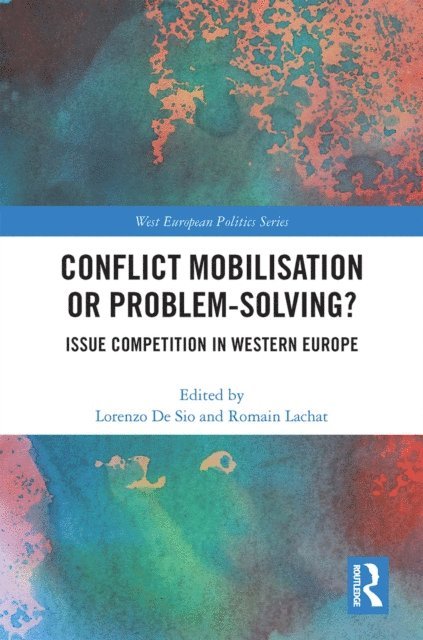
Conflict Mobilisation or Problem-Solving?
Issue Competition in Western Europe
Inbunden, Engelska, 2021
2 113 kr
Skickas inom 10-15 vardagar
In the aftermath of disruptive electoral and political developments such as the Brexit referendum and the election of Donald Trump, six important European countries went to the polls between 2017 and 2018. This book presents the results of the Issue Competition Comparative Project (ICCP), which analysed these six elections through a focus on post-ideological issue competition, leveraging a fresh theoretical perspective – and innovative data collection and analysis methods – emerging from issue yield theory.The contributors to this volume cast a new light on electoral developments that have affected Western Europe in recent years, pointing to the key distinction between problem-solvers (parties and leaders that leverage their technocratic competence, and present a consensual, win-win view of contemporary transformations) and conflict mobilizers (that instead invest on the mobilization of conflict emerging from these transformations), as well as to the ability of some actors to mobilize voters across traditional ideological boundaries. In this light, parties commonly identified as "populist" simply emerge distinctively as cross-ideological conflict mobilizers; but mainstream parties appear vital and competitive as well, when they properly identify and leverage their issue advantages. Thus, the fate of democracy in Western Europe does not appear doomed to a triumph of populist appeals, but rather openly depending on the ability of political parties to leverage issue opportunities that emerge from societal demands and needs.The chapters in this book were originally published as a special issue of West European Politics.
618 kr
Skickas inom 10-15 vardagar
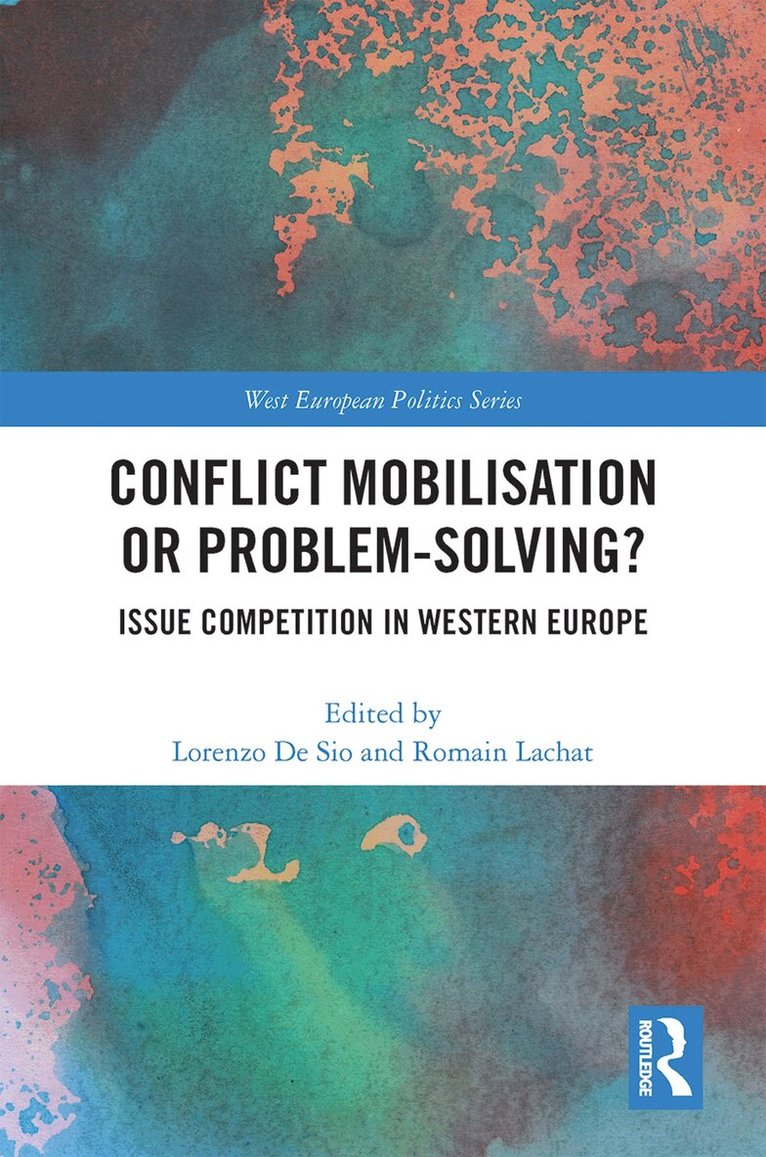
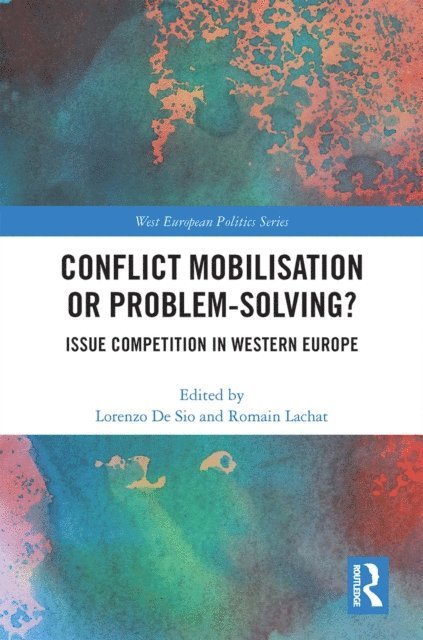
In the aftermath of disruptive electoral and political developments such as the Brexit referendum and the election of Donald Trump, six important European countries went to the polls between 2017 and 2018. This book presents the results of the Issue Competition Comparative Project (ICCP), which analysed these six elections through a focus on post-ideological issue competition, leveraging a fresh theoretical perspective – and innovative data collection and analysis methods – emerging from issue yield theory.The contributors to this volume cast a new light on electoral developments that have affected Western Europe in recent years, pointing to the key distinction between problem-solvers (parties and leaders that leverage their technocratic competence, and present a consensual, win-win view of contemporary transformations) and conflict mobilizers (that instead invest on the mobilization of conflict emerging from these transformations), as well as to the ability of some actors to mobilize voters across traditional ideological boundaries. In this light, parties commonly identified as "populist" simply emerge distinctively as cross-ideological conflict mobilizers; but mainstream parties appear vital and competitive as well, when they properly identify and leverage their issue advantages. Thus, the fate of democracy in Western Europe does not appear doomed to a triumph of populist appeals, but rather openly depending on the ability of political parties to leverage issue opportunities that emerge from societal demands and needs.The chapters in this book were originally published as a special issue of West European Politics.
410 kr
Skickas inom 7-10 vardagar
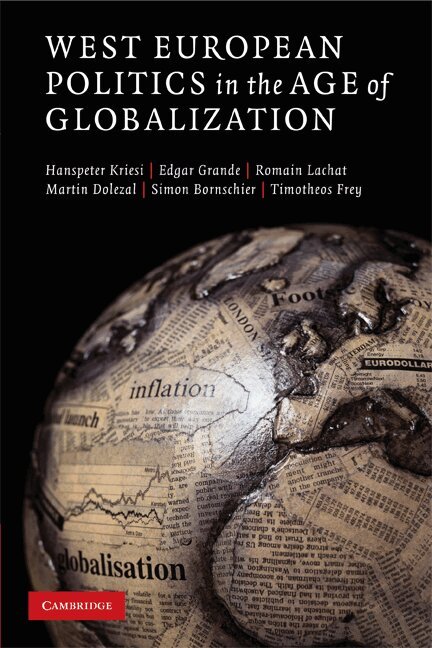
Over the past three decades the effects of globalization and denationalization have created a division between 'winners' and 'losers' in Western Europe. This study examines the transformation of party political systems in six countries (Austria, France, Germany, the Netherlands, Switzerland and the UK) using opinion surveys, as well as newly collected data on election campaigns. The authors argue that, as a result of structural transformations and the strategic repositioning of political parties, Europe has observed the emergence of a tripolar configuration of political power, comprising the left, the moderate right, and the new populist right. They suggest that, through an emphasis on cultural issues such as mass immigration and resistance to European integration, the traditional focus of political debate - the economy - has been downplayed or reinterpreted in terms of this new political cleavage. This new analysis of Western European politics will interest all students of European politics and political sociology.
1 166 kr
Skickas inom 7-10 vardagar
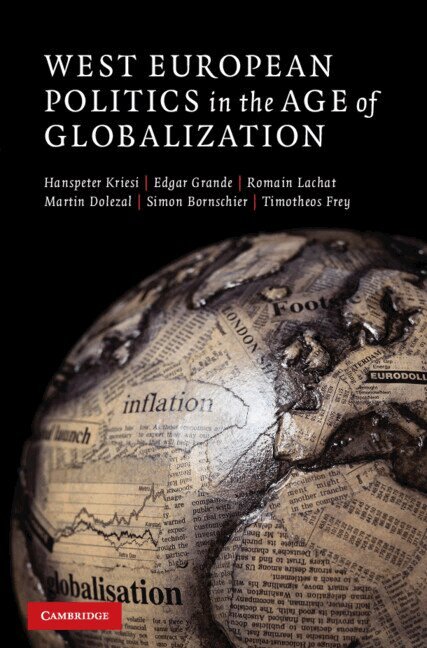
Over the past three decades the effects of globalization and denationalization have created a division between 'winners' and 'losers' in Western Europe. This study examines the transformation of party political systems in six countries (Austria, France, Germany, the Netherlands, Switzerland and the UK) using opinion surveys, as well as newly collected data on election campaigns. The authors argue that, as a result of structural transformations and the strategic repositioning of political parties, Europe has observed the emergence of a tripolar configuration of political power, comprising the left, the moderate right, and the new populist right. They suggest that, through an emphasis on cultural issues such as mass immigration and resistance to European integration, the traditional focus of political debate - the economy - has been downplayed or reinterpreted in terms of this new political cleavage. This new analysis of Western European politics will interest all students of European politics and political sociology.