Ron Broglio - Böcker
Visar alla böcker från författaren Ron Broglio. Handla med fri frakt och snabb leverans.
9 produkter
9 produkter
297 kr
Skickas inom 10-15 vardagar
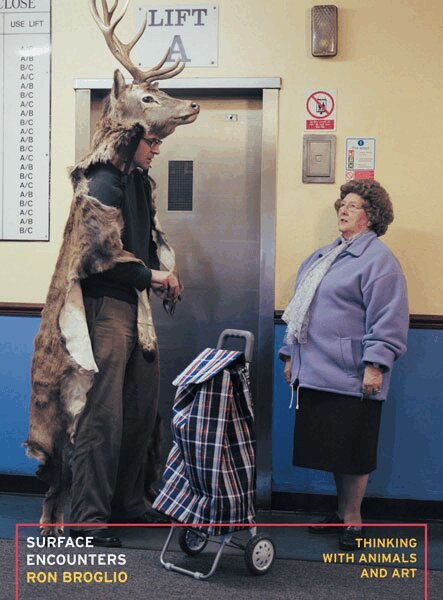
What it is like to be an animal? Ron Broglio wants to know from the inside, from underneath the fur and feathers. In examining this question, he bypasses the perspectives of biology or natural history to explore how one can construct an animal phenomenology, to think and feel as an animal other-or any other. Until now phenomenology has grappled with how humans are embedded in their world. According to philosophical tradition, animals do not practice the self-reflexive thought that provides humans with depth of being. Without human interiority, philosophers have believed, animals live on the surface of things. But, Broglio argues, the surface can be a site of productive engagement with the world of animals, and as such he turns to humans who work with surfaces: contemporary artists. Taking on the negative claim of animals living only on the surface and turning the premise into a positive set of possibilities for human–animal engagement, Broglio considers artists-including Damien Hirst, Carolee Schneemann, Olly and Suzi, and Marcus Coates-who take seriously the world of the animal on its own terms. In doing so, these artists develop languages of interspecies expression that both challenge philosophy and fashion new concepts for animal studies.
729 kr
Skickas inom 10-15 vardagar
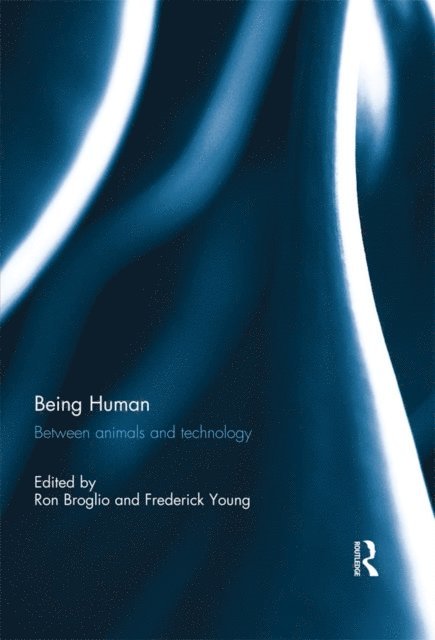
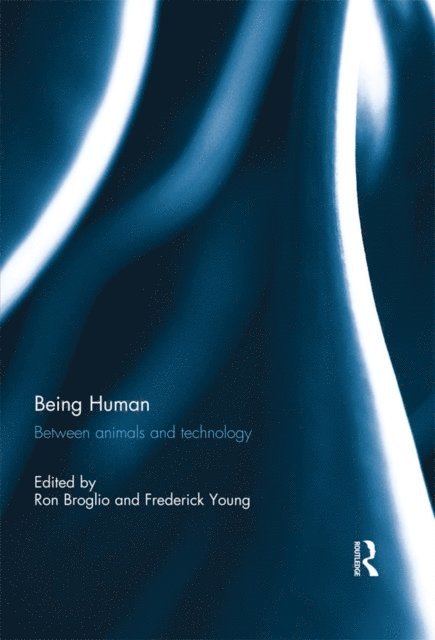
Technology and animals often serve as the boundaries by which we define the human. In this issue contributors explore these categories as necessary supplements or as porous membranes which disturb the scaffolding of how the human is constructed. A lingering question throughout is whether we have ever been human or if such a category is a non-localizable ideal or perhaps a misnomer. In this collection of essays, internationally known theorists muddle the categorical boundaries such that animals and technologies become necessary components rather than limits for what it means to be human. They examine a range of subjects, including apophatic animality, critical media objects-to-think-with, biosemiotic insect resonances, the monstrous and horrific which dislodges our cultural animals, and the problem of thinking of animality as stupidity. Novels, films, digital objects, scientific laboratories, philosophical texts, animals on the road and in the fields serve as sites for inquiry. The result of these investigations is the spectral possibility that we are not the humans we make ourselves out to be.This book was originally published as a special issue of Angelaki.
2 098 kr
Skickas inom 10-15 vardagar
Technology and animals often serve as the boundaries by which we define the human. In this issue contributors explore these categories as necessary supplements or as porous membranes which disturb the scaffolding of how the human is constructed. A lingering question throughout is whether we have ever been human or if such a category is a non-localizable ideal or perhaps a misnomer. In this collection of essays, internationally known theorists muddle the categorical boundaries such that animals and technologies become necessary components rather than limits for what it means to be human. They examine a range of subjects, including apophatic animality, critical media objects-to-think-with, biosemiotic insect resonances, the monstrous and horrific which dislodges our cultural animals, and the problem of thinking of animality as stupidity. Novels, films, digital objects, scientific laboratories, philosophical texts, animals on the road and in the fields serve as sites for inquiry. The result of these investigations is the spectral possibility that we are not the humans we make ourselves out to be.This book was originally published as a special issue of Angelaki.
1 215 kr
Tillfälligt slut
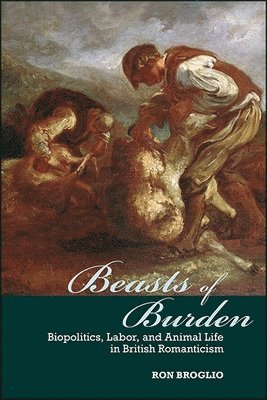
Uses literature, art, and cultural texts from the British Romantic period to explore the age in which biological life and its abilities first became regulated by the rising nation.In Beasts of Burden, Ron Broglio examines how lives-human and animal-were counted in rural England and Scotland during the Romantic period. During this time, Britain experienced unprecedented data collection from censuses, ordinance surveys, and measurements of resources, all used to quantify the life and productivity of the nation. It was the dawn of biopolitics-the age in which biological life and its abilities became regulated by the state. Borne primarily by workers and livestock, nowhere was this regulation felt more powerfully than in the fields, commons, and enclosures. Using literature, art, and cultural texts of the period, Broglio explores the apparatus of biopolitics during the age of Adam Smith and Thomas Malthus. He looks at how data collection turned everyday life into citizenship and nationalism and how labor class poets and artists recorded and resisted the burden of this new biopolitical life. The author reveals how the frictions of material life work over and against designs by the state to form a unified biopolitical Britain. At its most radical, this book changes what constitutes the central concerns of the Romantic period and which texts are valuable for understanding the formation of a nation, its agriculture, and its rural landscapes.
432 kr
Tillfälligt slut
Uses literature, art, and cultural texts from the British Romantic period to explore the age in which biological life and its abilities first became regulated by the rising nation.In Beasts of Burden, Ron Broglio examines how lives-human and animal-were counted in rural England and Scotland during the Romantic period. During this time, Britain experienced unprecedented data collection from censuses, ordinance surveys, and measurements of resources, all used to quantify the life and productivity of the nation. It was the dawn of biopolitics-the age in which biological life and its abilities became regulated by the state. Borne primarily by workers and livestock, nowhere was this regulation felt more powerfully than in the fields, commons, and enclosures. Using literature, art, and cultural texts of the period, Broglio explores the apparatus of biopolitics during the age of Adam Smith and Thomas Malthus. He looks at how data collection turned everyday life into citizenship and nationalism and how labor class poets and artists recorded and resisted the burden of this new biopolitical life. The author reveals how the frictions of material life work over and against designs by the state to form a unified biopolitical Britain. At its most radical, this book changes what constitutes the central concerns of the Romantic period and which texts are valuable for understanding the formation of a nation, its agriculture, and its rural landscapes.
2 830 kr
Skickas inom 7-10 vardagar
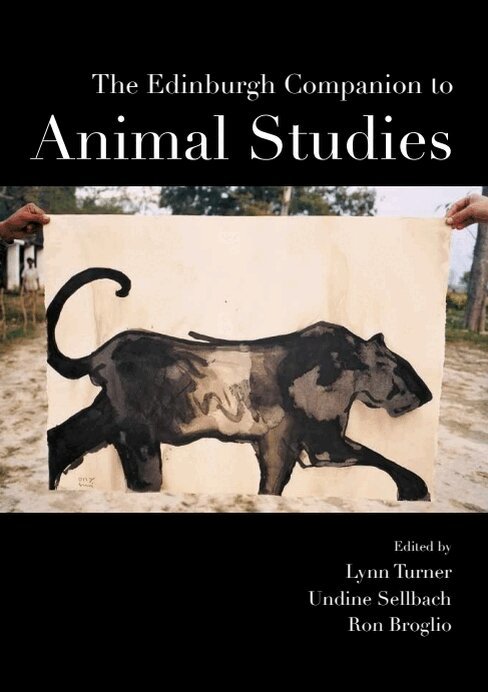
Provides cross-disciplinary perspectives on the study of animals in humanitiesThis volume critically investigates current topics and disciplines that are affected, enriched or put into dispute by the burgeoning scholarship on Animal Studies. What new questions and modes of research need come into play if we are to seriously acknowledge our entanglements with other animals? World-leading scholars from a range of disciplines, including Literature, Philosophy, Art, Biosemiotics, and Geography, set the agenda for Animal Studies today. Rather than a narrow specialism, the 35 newly commissioned essays in this book show how we think of other animals to be intrinsic to fields as major as ethics, economies as widespread as capitalism and relations as common as friendship.The volume contains original, cutting-edge research and opens up new methods, alignments, directions as well as challenges for the future of Animal Studies. Uniquely, the chapters each focus on a single topic, from 'Abjection' to 'Voice' and from 'Affection' to 'Technology', thus embedding the animal question as central to contemporary concerns across a wide range of disciplines.Key FeaturesProvides in one work prominent scholars in animal studies and their reflections on the trajectory of the fieldEmbeds the 'animal question' as central to contemporary concerns across a wide range of disciplinesBrings discourses from the sciences into dialogue with the arts and humanitiesOpens up new methods, alignments, directions and challenges for the future of animal studiesAfterword from Cary Wolfe (Bruce and Elizabeth Dunlevie Professor of English, Rice University)
543 kr
Skickas
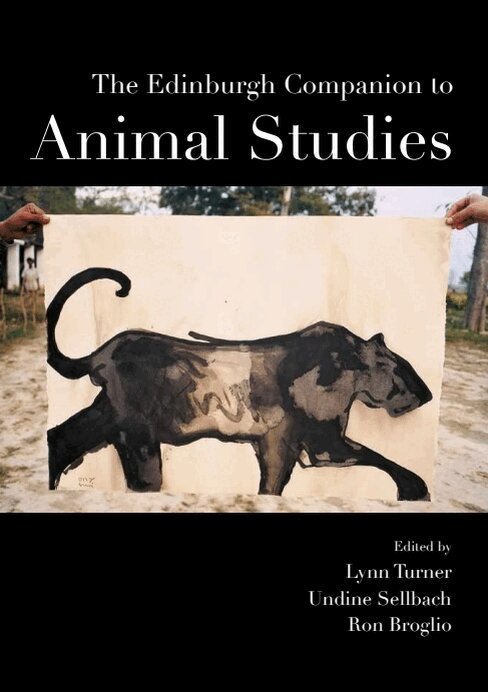
Provides cross-disciplinary perspectives on the study of animals in humanitiesThis volume critically investigates current topics and disciplines that are affected, enriched or put into dispute by the burgeoning scholarship on Animal Studies. What new questions and modes of research need come into play if we are to seriously acknowledge our entanglements with other animals? World-leading scholars from a range of disciplines, including Literature, Philosophy, Art, Biosemiotics, and Geography, set the agenda for Animal Studies today. Rather than a narrow specialism, the 35 newly commissioned essays in this book show how we think of other animals to be intrinsic to fields as major as ethics, economies as widespread as capitalism and relations as common as friendship.The volume contains original, cutting-edge research and opens up new methods, alignments, directions as well as challenges for the future of Animal Studies. Uniquely, the chapters each focus on a single topic, from ‘Abjection’ to ‘Voice’ and from ‘Affection’ to ‘Technology’, thus embedding the animal question as central to contemporary concerns across a wide range of disciplines. Key FeaturesProvides in one work prominent scholars in animal studies and their reflections on the trajectory of the fieldEmbeds the ‘animal question’ as central to contemporary concerns across a wide range of disciplinesBrings discourses from the sciences into dialogue with the arts and humanitiesOpens up new methods, alignments, directions and challenges for the future of animal studiesAfterword from Cary Wolfe (Bruce and Elizabeth Dunlevie Professor of English, Rice University)
959 kr
Skickas inom 10-15 vardagar
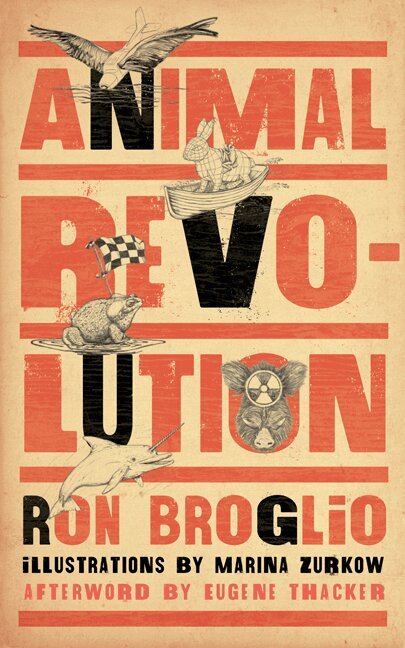
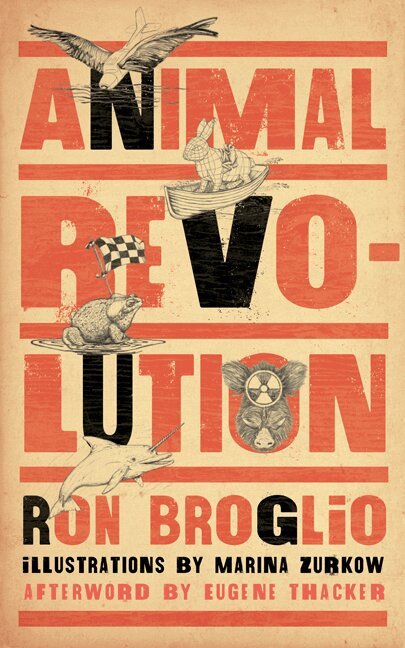
Why our failure to consider the power of animals is to our deep detriment Animals are staging a revolution-they’re just not telling us. From radioactive boar invading towns to jellyfish disarming battleships, this book threads together news accounts and more in a powerful and timely work of creative, speculative nonfiction that imagines a revolution stirring and asks how humans can be a part of it. If the coronavirus pandemic has taught us anything, it is that we should pay attention to how we bump up against animal worlds and how animals will push back. Animal Revolution is a passionate, provocative, cogent call for us to do so.Ron Broglio reveals how fur and claw and feather and fin are jamming the gears of our social machine. We can try to frame such disruptions as environmental intervention or through the lens of philosophy or biopolitics, but regardless the animals persist beyond our comprehension in reminding us that we too are part of an animal world. Animals see our technologies and machines as invasive beings and, in a nonlinguistic but nonetheless intensive mode of communicating with us, resist our attempts to control them and diminish their habitats. In doing so, they expose the environmental injustices and vulnerabilities in our systems. A witty, informative, and captivating work-at the juncture of posthumanism, animal studies, phenomenology, and environmental studies-Broglio reminds us of our inadequacy as humans, not our exceptionalism.
232 kr
Skickas inom 7-10 vardagar
Why our failure to consider the power of animals is to our deep detriment Animals are staging a revolution-they’re just not telling us. From radioactive boar invading towns to jellyfish disarming battleships, this book threads together news accounts and more in a powerful and timely work of creative, speculative nonfiction that imagines a revolution stirring and asks how humans can be a part of it. If the coronavirus pandemic has taught us anything, it is that we should pay attention to how we bump up against animal worlds and how animals will push back. Animal Revolution is a passionate, provocative, cogent call for us to do so.Ron Broglio reveals how fur and claw and feather and fin are jamming the gears of our social machine. We can try to frame such disruptions as environmental intervention or through the lens of philosophy or biopolitics, but regardless the animals persist beyond our comprehension in reminding us that we too are part of an animal world. Animals see our technologies and machines as invasive beings and, in a nonlinguistic but nonetheless intensive mode of communicating with us, resist our attempts to control them and diminish their habitats. In doing so, they expose the environmental injustices and vulnerabilities in our systems. A witty, informative, and captivating work-at the juncture of posthumanism, animal studies, phenomenology, and environmental studies-Broglio reminds us of our inadequacy as humans, not our exceptionalism.