Ronald F. Tuma - Böcker
Visar alla böcker från författaren Ronald F. Tuma. Handla med fri frakt och snabb leverans.
2 produkter
2 produkter
2 206 kr
Skickas inom 7-10 vardagar
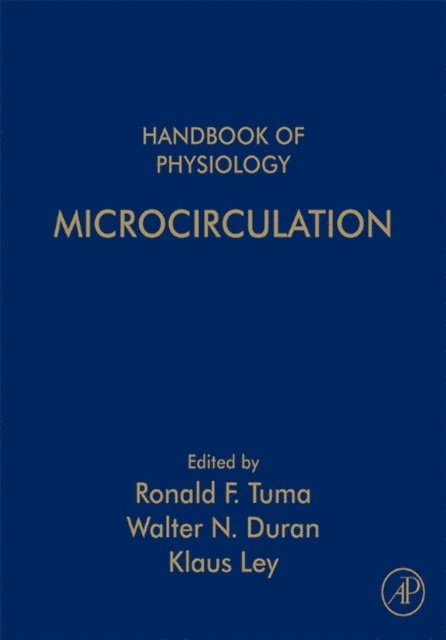
This reference is a volume in the Handbook of Physiology, co-published with The American Physiological Society. Growth in knowledge about the microcirculation has been explosive with the field becoming fragmented into numerous subdisciplines and subspecialties. This volume pulls all of the critical information into one volume. Meticulously edited and reviewed. Benefit: Provides investigators a unique tool to explore the significance of their findings in the context of other aspects of the microcirculation. In this way, the updated edition has a direct role in helping to develop new pathways of research and scholarship Highlights the explosive growth in knowledge about the microcirculation including the biology of nitric oxide synthase (NOS), endothelial cell signaling, angiogenesis, cell adhesion molecules, lymphocyte trafficking, ion channels and receptors, and propagated vasomotor responses. Benefit: Microcirculatory biology has become fragmented into numerous sub-disciplines and subspecialties, and these reference reintegrates the information in one volume
2 380 kr
Skickas inom 10-15 vardagar
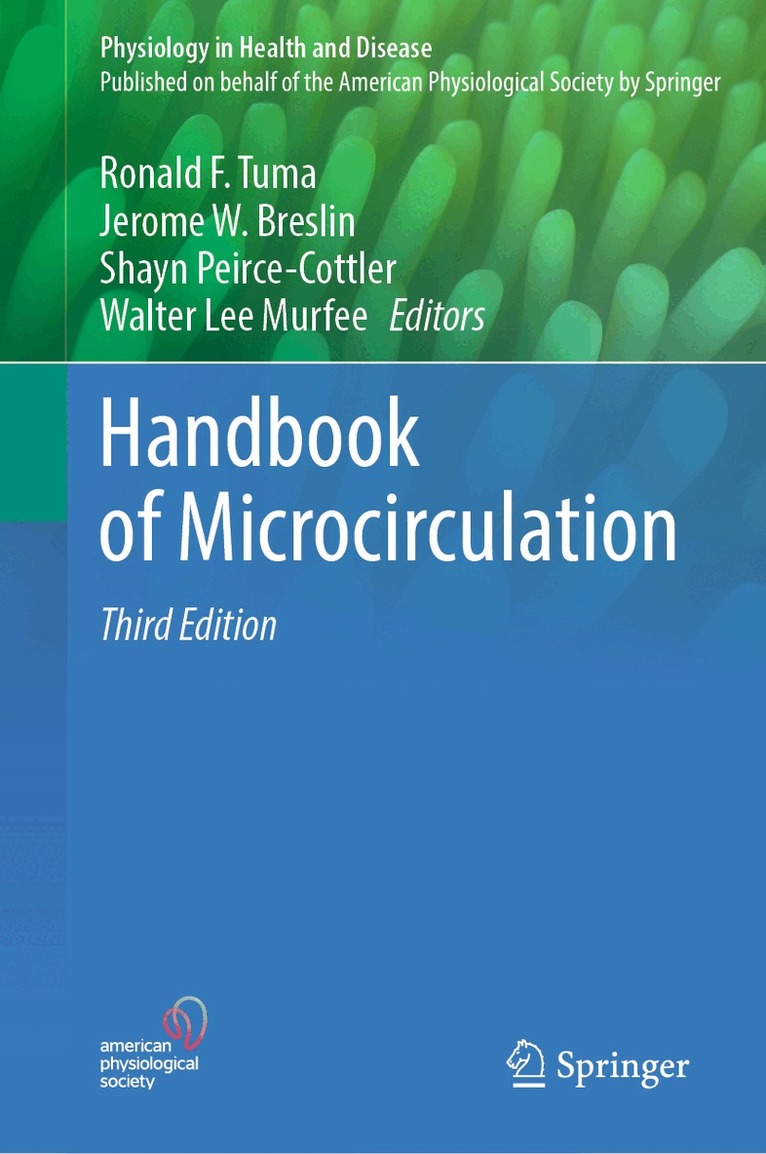
This updated third edition of the very successful Handbook of Physiology – Microcirculation highlights the central role of microcirculation in all major cardiovascular functions. As the primary site of oxygen and nutrient exchange in any tissue, the microcirculation is also where other important phenomena are regulated. These include, blood pressure, blood flow and inflammatory responses. As alterations in microvascular function are major contributors to a host of diseases, an understanding of microcirculatory function is crucial for physiologists, health care professionals, and bioengineers. Readers will gain insights into microvascular exchange functions, angiogenesis, the role of the endothelial glycocalyx in human disease, cerebral microcirculation and coronary microvascular resistance. The volume also addresses novel findings related to tumor microcirculation abnormalities, microvascular dysfunction related to COVID-19, and systemic inflammation and the impact of cannabinoids on microvascular health. Advances in computational models for the investigation of microvascular remodelling and the imaging of microvascular morphology and hemodynamics are also discussed. This volume is indispensable for those seeking to understand the complexities of microvascular function and its implications for health and disease. Whether you are a researcher, clinician, or student, this book provides the latest research and expert analysis in the field of microcirculation.