Rosaleen Anderson - Böcker
Visar alla böcker från författaren Rosaleen Anderson. Handla med fri frakt och snabb leverans.
2 produkter
2 produkter
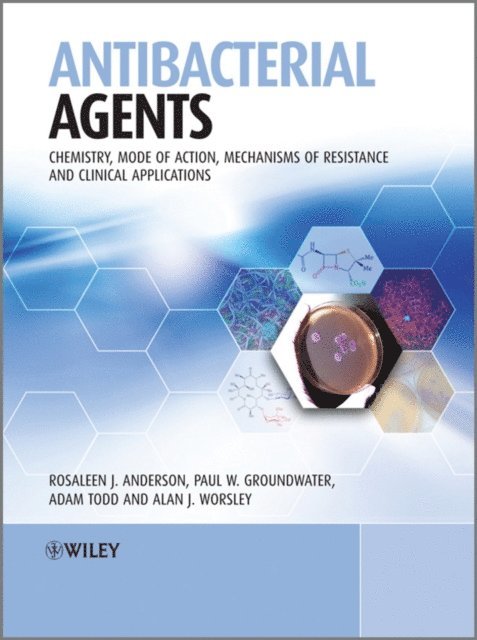
Antibacterial Agents
Chemistry, Mode of Action, Mechanisms of Resistance and Clinical Applications
Inbunden, Engelska, 2012
1 421 kr
Tillfälligt slut
Antibacterial agents act against bacterial infection either by killing the bacterium or by arresting its growth. They do this by targeting bacterial DNA and its associated processes, attacking bacterial metabolic processes including protein synthesis, or interfering with bacterial cell wall synthesis and function. Antibacterial Agents is an essential guide to this important class of chemotherapeutic drugs. Compounds are organised according to their target, which helps the reader understand the mechanism of action of these drugs and how resistance can arise. The book uses an integrated “lab-to-clinic” approach which covers drug discovery, source or synthesis, mode of action, mechanisms of resistance, clinical aspects (including links to current guidelines, significant drug interactions, cautions and contraindications), prodrugs and future improvements. Agents covered include: agents targeting DNA - quinolone, rifamycin, and nitroimidazole antibacterial agentsagents targeting metabolic processes - sulfonamide antibacterial agents and trimethoprimagents targeting protein synthesis - aminoglycoside, macrolide and tetracycline antibiotics, chloramphenicol, and oxazolidinonesagents targeting cell wall synthesis - β-Lactam and glycopeptide antibiotics, cycloserine, isonaizid, and daptomycinAntibacterial Agents will find a place on the bookshelves of students of pharmacy, pharmacology, pharmaceutical sciences, drug design/discovery, and medicinal chemistry, and as a bench reference for pharmacists and pharmaceutical researchers in academia and industry.
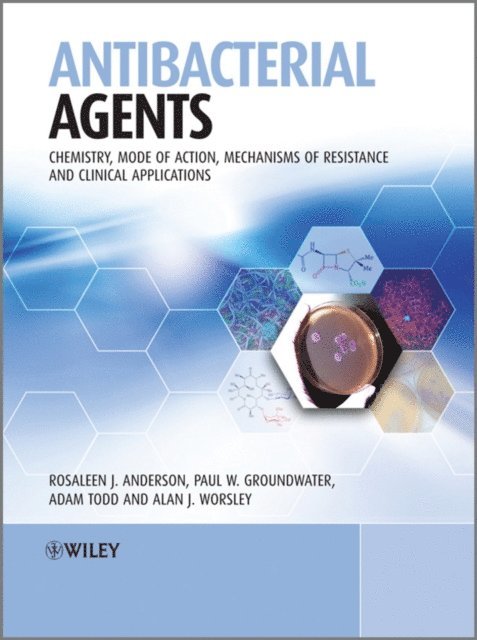
Antibacterial Agents
Chemistry, Mode of Action, Mechanisms of Resistance and Clinical Applications
Häftad, Engelska, 2012
621 kr
Skickas inom 11-20 vardagar
Antibacterial agents act against bacterial infection either by killing the bacterium or by arresting its growth. They do this by targeting bacterial DNA and its associated processes, attacking bacterial metabolic processes including protein synthesis, or interfering with bacterial cell wall synthesis and function. Antibacterial Agents is an essential guide to this important class of chemotherapeutic drugs. Compounds are organised according to their target, which helps the reader understand the mechanism of action of these drugs and how resistance can arise. The book uses an integrated “lab-to-clinic” approach which covers drug discovery, source or synthesis, mode of action, mechanisms of resistance, clinical aspects (including links to current guidelines, significant drug interactions, cautions and contraindications), prodrugs and future improvements. Agents covered include: agents targeting DNA - quinolone, rifamycin, and nitroimidazole antibacterial agentsagents targeting metabolic processes - sulfonamide antibacterial agents and trimethoprimagents targeting protein synthesis - aminoglycoside, macrolide and tetracycline antibiotics, chloramphenicol, and oxazolidinonesagents targeting cell wall synthesis - β-Lactam and glycopeptide antibiotics, cycloserine, isonaizid, and daptomycinAntibacterial Agents will find a place on the bookshelves of students of pharmacy, pharmacology, pharmaceutical sciences, drug design/discovery, and medicinal chemistry, and as a bench reference for pharmacists and pharmaceutical researchers in academia and industry.