Rosario Forlenza – författare
Visar alla böcker från författaren Rosario Forlenza. Handla med fri frakt och snabb leverans.
9 produkter
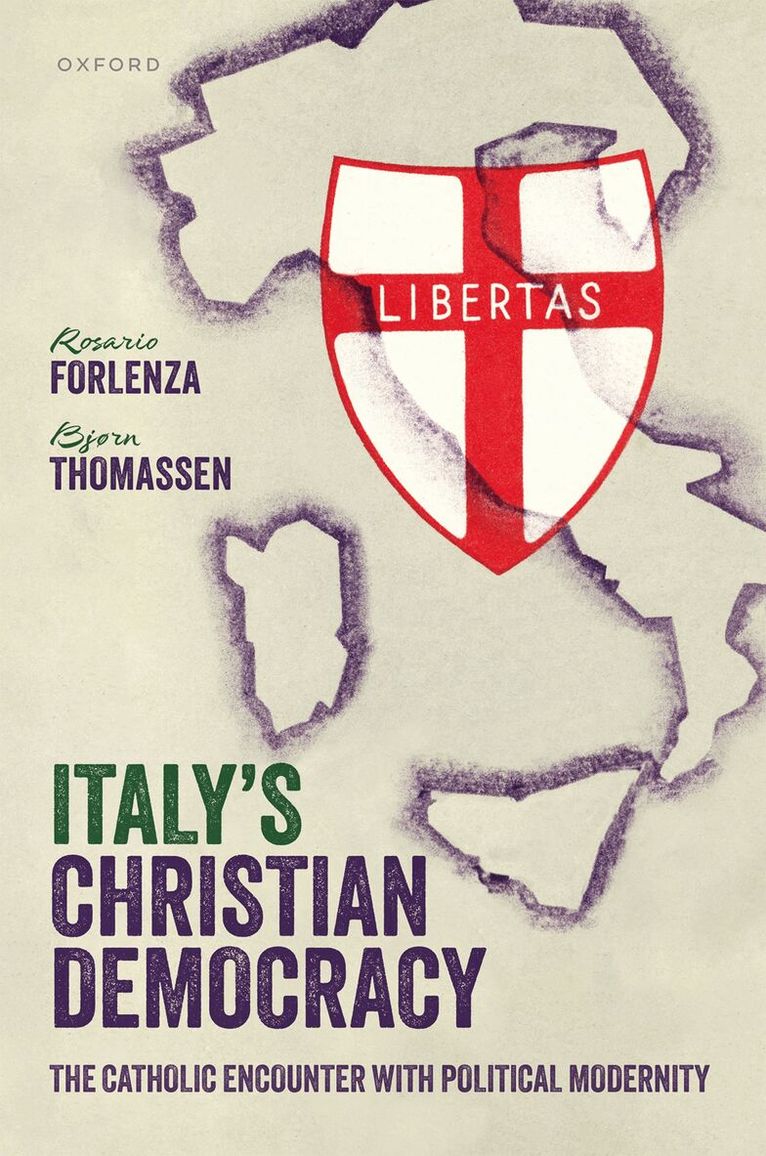
Italy's Christian Democracy
The Catholic Encounter with Political Modernity
Av Rosario Forlenza, Bjørn Thomassen
Inbunden, 2024
1362 kr
Lägg i varukorg
The first comprehensive study of Italian Christian Democracy in English, Italy's Christian Democracy unravels the encounter between Catholicism and democracy from pre-unification Italy in the eighteenth century to the near-present. Forlenza and Thomassen put the triumphant emergence of the …
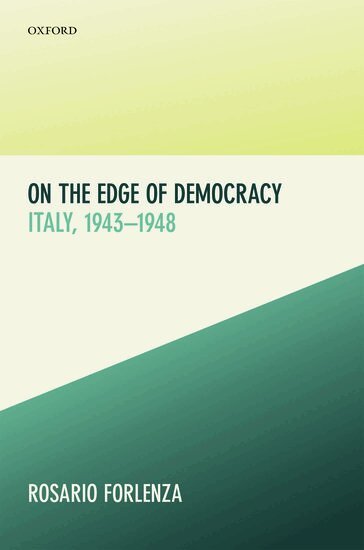
On the Edge of Democracy
Italy, 1943-1948
E-bok, 2018
1265 kr
Lägg i varukorg
On the Edge of Democracy examines the emergence of democracy in Italy in the wake of World War Two. It examines the nature of the democracy forged in the liminal period after Benito Mussolini, the Duce of Fascism, was removed from government in the summer of 1943. Instead of pouring through …
Italy's Christian Democracy
The Catholic Encounter with Political Modernity
Av Bjorn Thomassen, Rosario Forlenza
E-bok, 2024
1375 kr
Lägg i varukorg
The first comprehensive study of Italian Christian Democracy in English, Italy''s Christian Democracy unravels the encounter between Catholicism and democracy from pre-unification Italy in the eighteenth century to the near-present. Forlenza and Thomassen put the triumphant emergence of the …
Italy's Christian Democracy
The Catholic Encounter with Political Modernity
Av Bjorn Thomassen, Rosario Forlenza
E-bok, 2024
1346 kr
Lägg i varukorg
The first comprehensive study of Italian Christian Democracy in English, Italy''s Christian Democracy unravels the encounter between Catholicism and democracy from pre-unification Italy in the eighteenth century to the near-present. Forlenza and Thomassen put the triumphant emergence of the …
On the Edge of Democracy
Italy, 1943-1948
Inbunden, 2019
1516 kr
Lägg i varukorg
On the Edge of Democracy examines the emergence of democracy in Italy in the wake of World War Two. It examines the nature of the democracy forged in the liminal period after Benito Mussolini, the Duce of Fascism, was removed from government in the summer of 1943. Instead of pouring through …
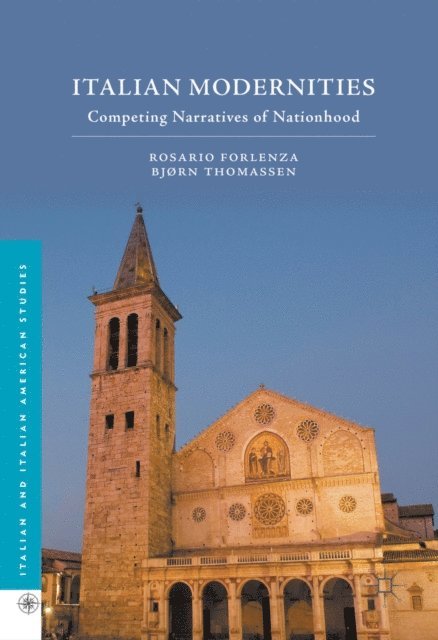
Italian Modernities
Competing Narratives of Nationhood
Av Bjorn Thomassen, Rosario Forlenza
E-bok, 2016
1775 kr
Lägg i varukorg
This book argues that Italy represents a privileged entry point into the comparative analysis of ideologies and experiences of modernity. The book compares how thinkers and politicians belonging to different ideological clusters - Liberalism, Communism, Fascism, Chistian Democracy - came to …
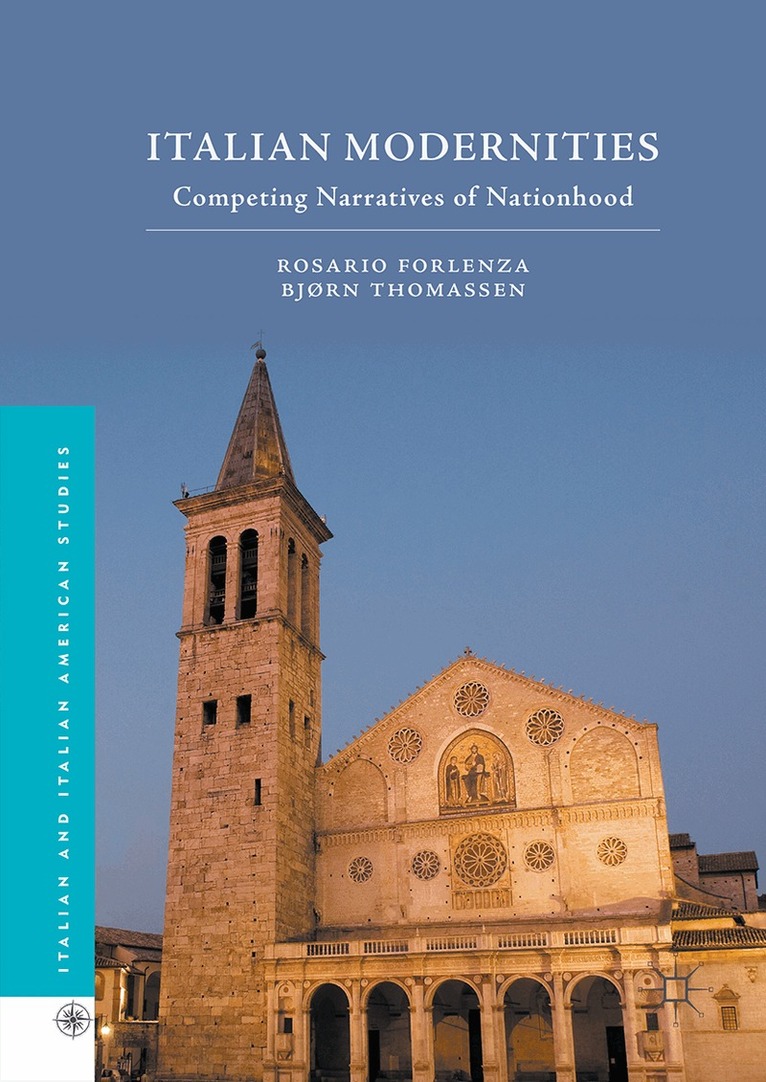
Italian Modernities
Competing Narratives of Nationhood
Av Rosario Forlenza, Bjørn Thomassen
Inbunden, 2016
1240 kr
Lägg i varukorg
This book argues that Italy represents a privileged entry point into the comparative analysis of ideologies and experiences of modernity. The book compares how thinkers and politicians belonging to different ideological clusters - Liberalism, Communism, Fascism, Chistian Democracy - came to …
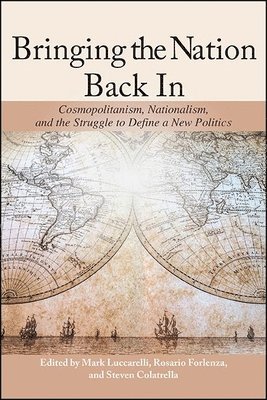
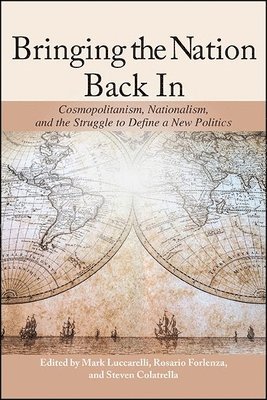
Bringing the Nation Back In
Cosmopolitanism, Nationalism, and the Struggle to Define a New Politics
Av Mark Luccarelli, Rosario Forlenza m. fl.
Häftad, 2021
392 kr
Lägg i varukorg
Argues that concern with the nation and national community will be a key factor in redefining twenty-first-century politics.Bringing the Nation Back In takes as its starting point a series of developments that shaped politics in the United States and Europe over the past thirty years: the end of …
Bringing the Nation Back In
Cosmopolitanism, Nationalism, and the Struggle to Define a New Politics
Av Mark Luccarelli, Rosario Forlenza m. fl.
Inbunden, 2020
1296 kr
Lägg i varukorg
Argues that concern with the nation and national community will be a key factor in redefining twenty-first-century politics.Bringing the Nation Back In takes as its starting point a series of developments that shaped politics in the United States and Europe over the past thirty years: the end of …