Ross W. Jamieson – författare
Visar alla böcker från författaren Ross W. Jamieson. Handla med fri frakt och snabb leverans.
5 produkter
5 produkter
Inbunden, Engelska, 1999
1 122 kr
Skickas inom 10-15 vardagar
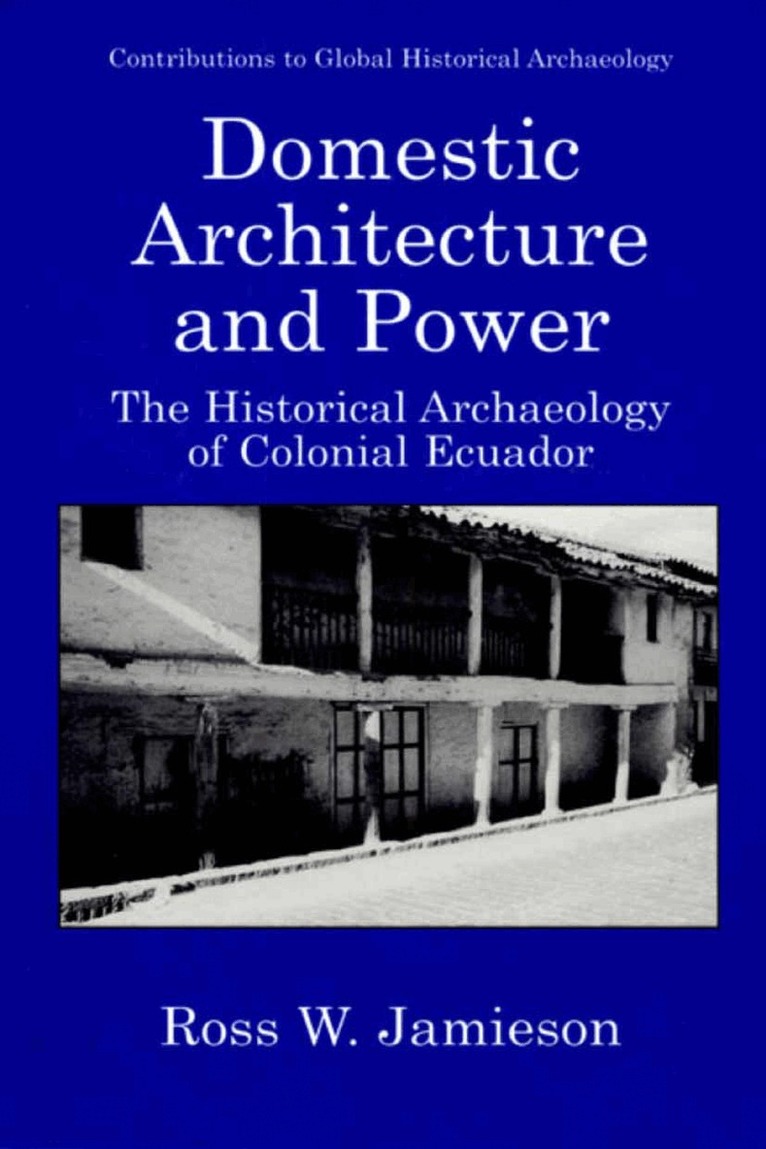
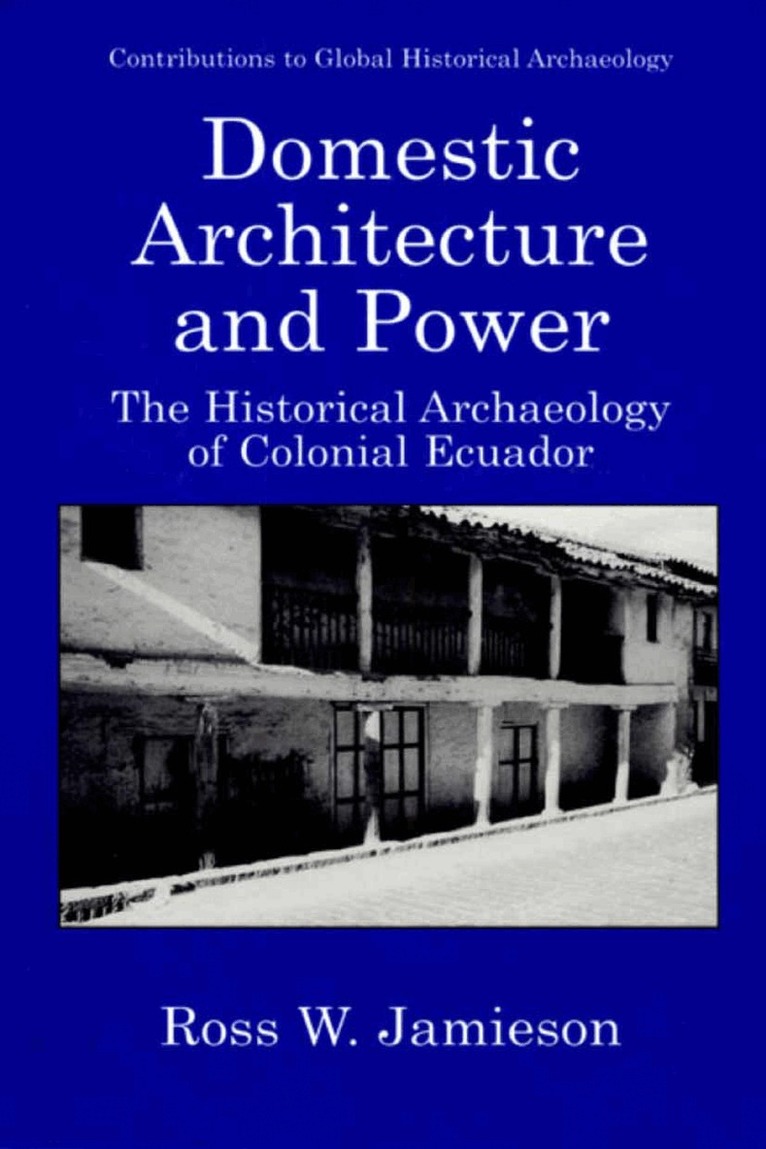
This volume is a study of the power relationships inherent in domestic architecture and household material culture that were essential to the maintenance of the Spanish colonial empire. Using the household spatial patterning, furnishings, and personal belongings of residents of the highland city of Cuenca, Ecuador, during the 17th and 18th-centuries, the book examines gender, ethnic, and status relations in the colonial Andean world.
E-bok
PDF, Engelska, 20051 408 kr
Läs direkt efter köp
Historical archaeology, one of the fastest growing of archaeology’s sub fields in North America, has developed more slowly in Central and p- ticularly South America. Happily, this circumstance is ending as a gr- ing number of recent projects are successfully integrating textual and material culture data in studies of the events and processes of the last 500 years. This interval and this region–often called Ibero-America–have been studied for a century or more by historians with traditional perspectives and emphases focusing on colonial elites and large-scale politico-economic events. Such inclinations fit well into world-system and other core-peri- ery models that have had a major impact on historical thought since the 1970s. Over the past 20 years or so, however, world-system models have come under fire from historians, anthropologists, and others, in part because the emphasis on global trends and the growth of capitalism - nies the importance of understanding variability in local histories and circumstances. Historians have increasingly turned their attention to lo cal, rural, and domestic contexts, thereby illuminating the great diversity of responses to colonial domination that were played out in the vast arena of the Americas. It is not coincidental that this is the intellectual climate in which historical archaeology is establishing itself in Central and South America.
E-bok
PDF, Engelska, 20201 579 kr
Läs direkt efter köp
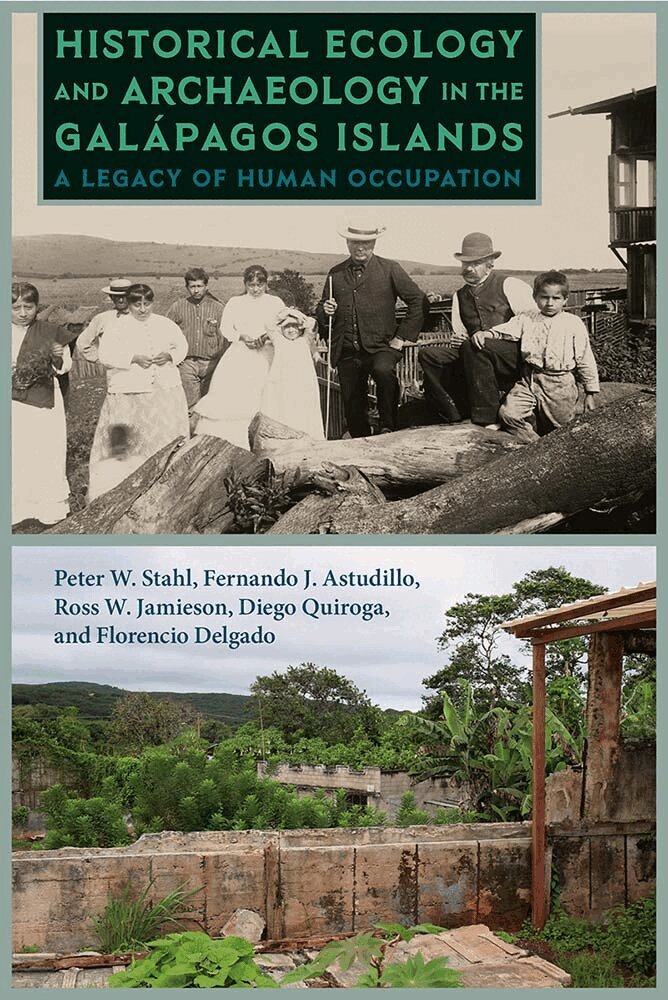
The Galápagos Islands are one of the world’s premiere nature attractions, home to unique ecosystems widely thought to be untouched and pristine. Historical Ecology and Archaeology in the Galápagos Islands reveals that the archipelago is not as isolated as many imagine, examining how centuries of human occupation have transformed its landscape. This book shows that the island chain has been a part of global networks since its discovery in 1535 and traces the changes caused by human colonization. Central to this history is the sugar plantation Hacienda El Progreso on San Cristóbal Island. Here, zooarchaeological and archaeobotanical evidence documents the introduction of exotic species and landscape transformations, and material evidence attests that inhabitants maintained connections to the outside world for consumer goods. Beyond illuminating the human history of the islands, the authors also look at the impact of visitors to Galápagos National Park today, raising questions about tourism’s role in biological conservation, preservation, and restoration. A volume in the series Society and Ecology in Island and Coastal Archaeology, edited by Victor D. Thompson
Inbunden, Engelska, 2020
1 030 kr
Skickas inom 10-15 vardagar
The Galápagos Islands are one of the world's premiere nature attractions, home to unique ecosystems widely thought to be untouched and pristine. Historical Ecology and Archaeology in the Galápagos Islands reveals that the archipelago is not as isolated as many imagine, examining how centuries of human occupation have transformed its landscape. This book shows that the island chain has been a part of global networks since its discovery in 1535 and traces the changes caused by human colonization. Central to this history is the sugar plantation Hacienda El Progreso on San Cristóbal Island. Here, zooarchaeological and archaeobotanical evidence documents the introduction of exotic species and landscape transformations, and material evidence attests that inhabitants maintained connections to the outside world for consumer goods. Beyond illuminating the human history of the islands, the authors also look at the impact of visitors to Galápagos National Park today, raising questions about tourism's role in biological conservation, preservation, and restoration.
Häftad, Engelska, 2013
1 122 kr
Skickas inom 10-15 vardagar
Historical archaeology, one of the fastest growing of archaeology’s sub fields in North America, has developed more slowly in Central and p- ticularly South America.