Rowley-Conwy Peter Rowley-Conwy – författare
Visar alla böcker från författaren . Handla med fri frakt och snabb leverans.
4 produkter
4 produkter
E-bok
Engelska, 2017366 kr
Läs direkt efter köp
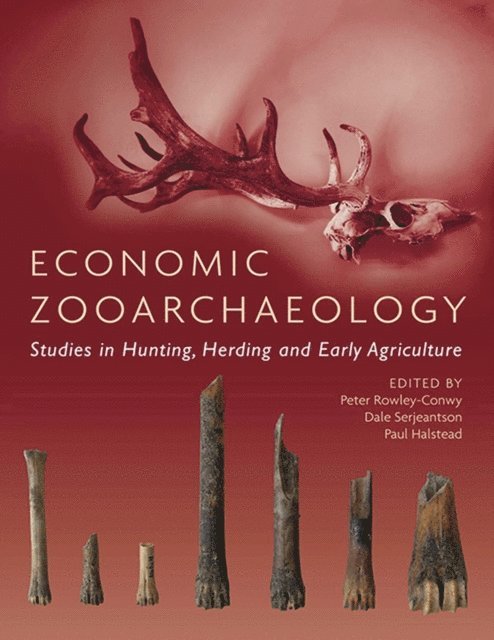
Economic archaeology is the study of how past peoples exploited animals and plants, using as evidence the remains of those animals and plants. The animal side is usually termed zooarchaeology, the plant side archaeobotany. What distinguishes them from other studies of ancient animals and plants is that their ultimate aim is to find out about human behaviour – the animal and plant remains are a means to this end. The 33 papers present a wide array of topics covering many areas of archaeological interest. Aspects of method and theory, animal bone identification, human palaeopathology, prehistoric animal utilisation in South America, and the study of dog cemeteries are covered. The long-running controversy over the milking of animals and the use of dairy products by humans is discussed as is the ecological impact of hunting by farmers, with studies from Serbia and Syria. For Britain, coverage extends from Mesolithic Star Carr, via the origins of agriculture and the farmers of Lismore Fields, through considerations of the Neolithic and Bronze Age. Outside Britain, papers discuss Neolithic subsistence in Cyprus and Croatia, Iron Age society in Spain, Medieval and post-medieval animal utilisation in northern Russia, and the claimed finding of a modern red deer skeleton in Egypt’s Eastern Desert. In exploring these themes, this volume celebrates the life and work of Tony Legge (zoo)archaeologist and teacher.
E-bok
PDF, Engelska, 2017367 kr
Läs direkt efter köp
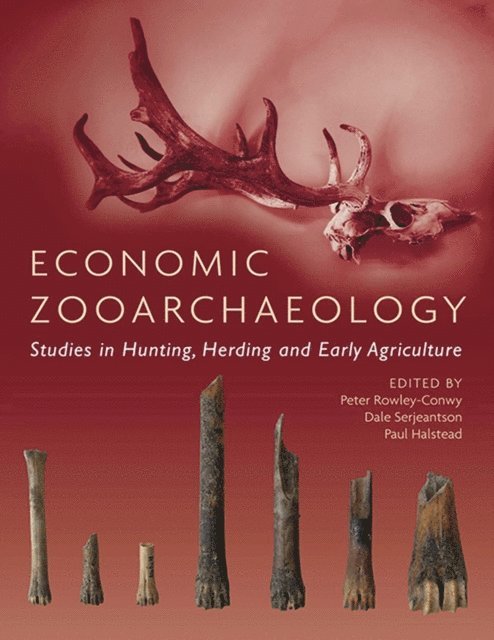
Economic archaeology is the study of how past peoples exploited animals and plants, using as evidence the remains of those animals and plants. The animal side is usually termed zooarchaeology, the plant side archaeobotany. What distinguishes them from other studies of ancient animals and plants is that their ultimate aim is to find out about human behaviour – the animal and plant remains are a means to this end. The 33 papers present a wide array of topics covering many areas of archaeological interest. Aspects of method and theory, animal bone identification, human palaeopathology, prehistoric animal utilisation in South America, and the study of dog cemeteries are covered. The long-running controversy over the milking of animals and the use of dairy products by humans is discussed as is the ecological impact of hunting by farmers, with studies from Serbia and Syria. For Britain, coverage extends from Mesolithic Star Carr, via the origins of agriculture and the farmers of Lismore Fields, through considerations of the Neolithic and Bronze Age. Outside Britain, papers discuss Neolithic subsistence in Cyprus and Croatia, Iron Age society in Spain, Medieval and post-medieval animal utilisation in northern Russia, and the claimed finding of a modern red deer skeleton in Egypt’s Eastern Desert. In exploring these themes, this volume celebrates the life and work of Tony Legge (zoo)archaeologist and teacher.
E-bok
Engelska, 2020412 kr
Läs direkt efter köp
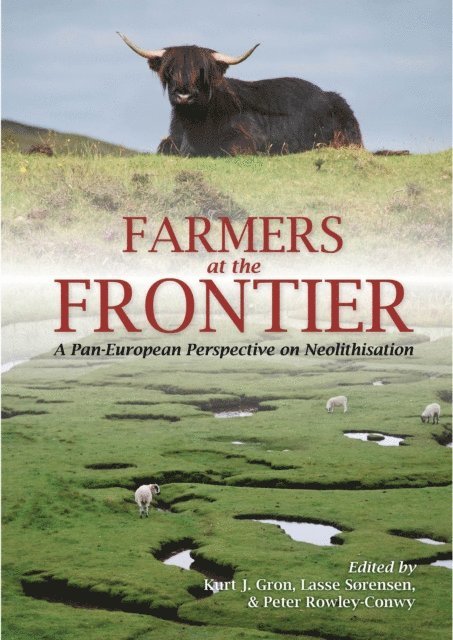
All farming in prehistoric Europe ultimately came from elsewhere in one way or another, unlike the growing numbers of primary centers of domestication and agricultural origins worldwide. This fact affects every aspect of our understanding of the start of farming on the continent because it means that ultimately, domesticated plants and animals came from somewhere else, and from someone else. In an area as vast as Europe, the process by which food production becomes the predominant subsistence strategy is of course highly variable, but in a sense the outcome is the same, and has the potential for addressing more large-scale questions regarding agricultural origins. Therefore, a detailed understanding of all aspects of farming in its absolute earliest form in various regions of Europe can potentially provide a new perspective on the mechanisms by which this monumental change comes to human societies and regions. In this volume, we aim to collect various perspectives regarding the earliest farming from across Europe. Methodological approaches, archaeological cultures, and geographic locations in Europe are variable, but all papers engage with the simple question: What was the earliest farming like? This volume opens a conversation about agriculture just after the transition in order to address the role incoming people, technologies, and adaptations have in secondary adoptions.The book starts with an introduction by the editors which will serve to contextualize the theme of the volume. The broad arguments concerning the process of neolithisation are addressed, and the rationale for the volume discussed. Contributions are ordered geographically and chronologically, given the progression of the Neolithic across Europe. The editors conclude the volume with a short commentary paper regarding the theme of the volume.
E-bok
PDF, Engelska, 2020412 kr
Läs direkt efter köp
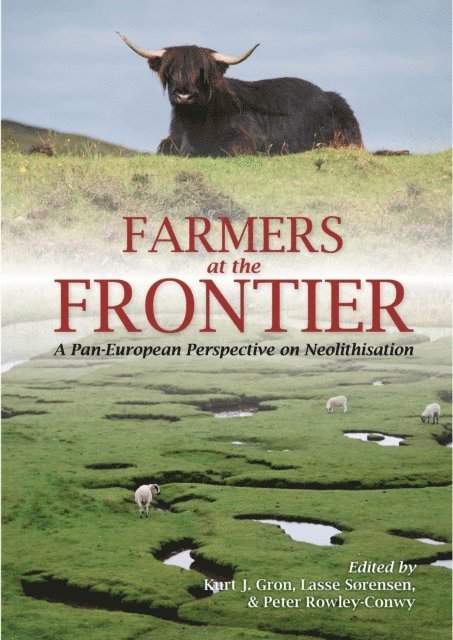
All farming in prehistoric Europe ultimately came from elsewhere in one way or another, unlike the growing numbers of primary centers of domestication and agricultural origins worldwide. This fact affects every aspect of our understanding of the start of farming on the continent because it means that ultimately, domesticated plants and animals came from somewhere else, and from someone else. In an area as vast as Europe, the process by which food production becomes the predominant subsistence strategy is of course highly variable, but in a sense the outcome is the same, and has the potential for addressing more large-scale questions regarding agricultural origins. Therefore, a detailed understanding of all aspects of farming in its absolute earliest form in various regions of Europe can potentially provide a new perspective on the mechanisms by which this monumental change comes to human societies and regions. In this volume, we aim to collect various perspectives regarding the earliest farming from across Europe. Methodological approaches, archaeological cultures, and geographic locations in Europe are variable, but all papers engage with the simple question: What was the earliest farming like? This volume opens a conversation about agriculture just after the transition in order to address the role incoming people, technologies, and adaptations have in secondary adoptions.The book starts with an introduction by the editors which will serve to contextualize the theme of the volume. The broad arguments concerning the process of neolithisation are addressed, and the rationale for the volume discussed. Contributions are ordered geographically and chronologically, given the progression of the Neolithic across Europe. The editors conclude the volume with a short commentary paper regarding the theme of the volume.