Sorensen Lasse Sorensen – författare
Visar alla böcker från författaren . Handla med fri frakt och snabb leverans.
6 produkter
6 produkter
E-bok
Engelska, 2020412 kr
Läs direkt efter köp
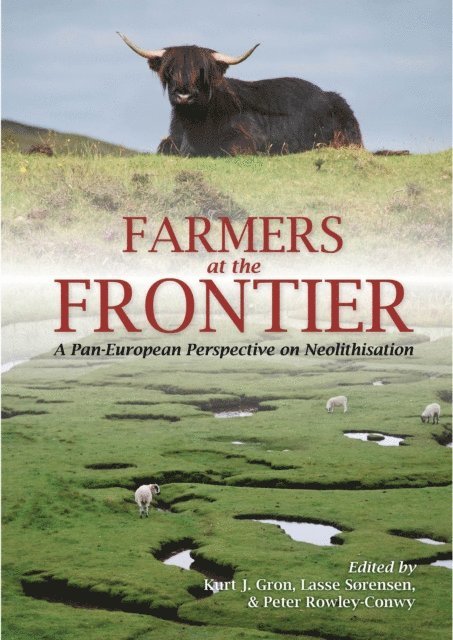
All farming in prehistoric Europe ultimately came from elsewhere in one way or another, unlike the growing numbers of primary centers of domestication and agricultural origins worldwide. This fact affects every aspect of our understanding of the start of farming on the continent because it means that ultimately, domesticated plants and animals came from somewhere else, and from someone else. In an area as vast as Europe, the process by which food production becomes the predominant subsistence strategy is of course highly variable, but in a sense the outcome is the same, and has the potential for addressing more large-scale questions regarding agricultural origins. Therefore, a detailed understanding of all aspects of farming in its absolute earliest form in various regions of Europe can potentially provide a new perspective on the mechanisms by which this monumental change comes to human societies and regions. In this volume, we aim to collect various perspectives regarding the earliest farming from across Europe. Methodological approaches, archaeological cultures, and geographic locations in Europe are variable, but all papers engage with the simple question: What was the earliest farming like? This volume opens a conversation about agriculture just after the transition in order to address the role incoming people, technologies, and adaptations have in secondary adoptions.The book starts with an introduction by the editors which will serve to contextualize the theme of the volume. The broad arguments concerning the process of neolithisation are addressed, and the rationale for the volume discussed. Contributions are ordered geographically and chronologically, given the progression of the Neolithic across Europe. The editors conclude the volume with a short commentary paper regarding the theme of the volume.
E-bok
PDF, Engelska, 2020412 kr
Läs direkt efter köp
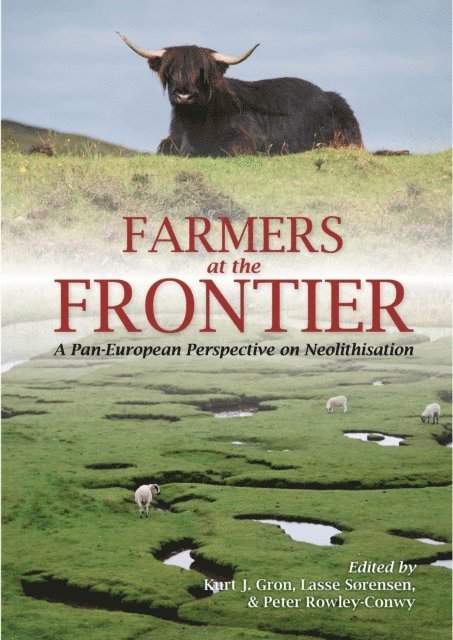
All farming in prehistoric Europe ultimately came from elsewhere in one way or another, unlike the growing numbers of primary centers of domestication and agricultural origins worldwide. This fact affects every aspect of our understanding of the start of farming on the continent because it means that ultimately, domesticated plants and animals came from somewhere else, and from someone else. In an area as vast as Europe, the process by which food production becomes the predominant subsistence strategy is of course highly variable, but in a sense the outcome is the same, and has the potential for addressing more large-scale questions regarding agricultural origins. Therefore, a detailed understanding of all aspects of farming in its absolute earliest form in various regions of Europe can potentially provide a new perspective on the mechanisms by which this monumental change comes to human societies and regions. In this volume, we aim to collect various perspectives regarding the earliest farming from across Europe. Methodological approaches, archaeological cultures, and geographic locations in Europe are variable, but all papers engage with the simple question: What was the earliest farming like? This volume opens a conversation about agriculture just after the transition in order to address the role incoming people, technologies, and adaptations have in secondary adoptions.The book starts with an introduction by the editors which will serve to contextualize the theme of the volume. The broad arguments concerning the process of neolithisation are addressed, and the rationale for the volume discussed. Contributions are ordered geographically and chronologically, given the progression of the Neolithic across Europe. The editors conclude the volume with a short commentary paper regarding the theme of the volume.
E-bok
Engelska, 2020457 kr
Läs direkt efter köp
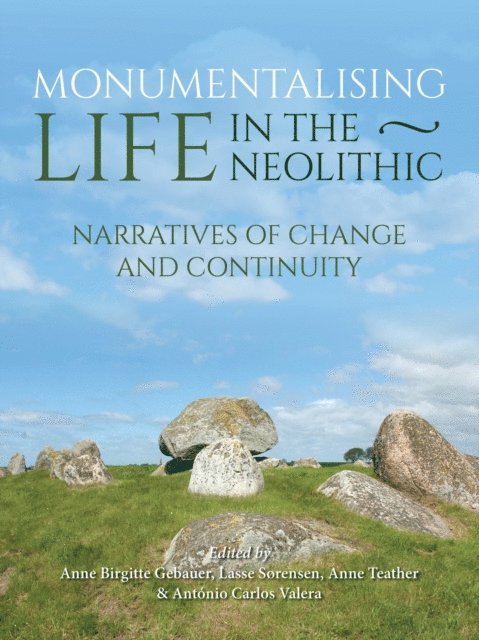
One of the principal characteristics of the European Neolithic is the development of monumentality in association with innovations in material culture and changes in subsistence from hunting and gathering to farming and pastoralism. The papers in this volume discuss the latest insights into why monumental architecture became an integral part of early farming societies in Europe and beyond. One of the topics is how we define monuments and how our arguments and recent research on temporality impacts on our interpretation of the Neolithic period. Different interpretations of Göbekli Tepe are examples of this discussion as well as our understanding of special landmarks such as flint mines.The latest evidence on the economic and paleoenvironmental context, carbon 14 dates as well as analytical methods are employed in illuminating the emergence of monumentalism in Neolithic Europe. Studies are taking place on a macro and micro scale in areas as diverse as Great Britain, Denmark, Sweden, Poland, Germany, the Dutch wetlands, Portugal and Malta involving a range of monuments from long barrows and megalithic tombs to roundels and enclosures. Transformation from a natural to a built environment by monumentalizing part of the landscape is discussed as well as changes in megalithic architecture in relation to shifts in the social structure. An ethnographic study of megaliths in Nagaland discuss monument building as an act of social construction. Other studies look into the role of monuments as expressions of cosmology and active loci of ceremonial performances. Also, a couple of papers analyse the social processes in the transformation of society in the aftermath of the initial boom in monument construction and the related changes in subsistence and social structure in northern Europe.The aim of the publication is to explore different theories about the relationship between monumentality and the Neolithic way of life through these studies encompassing a wide range of types of monuments over vast areas of Europe and beyond.
E-bok
PDF, Engelska, 2020459 kr
Läs direkt efter köp
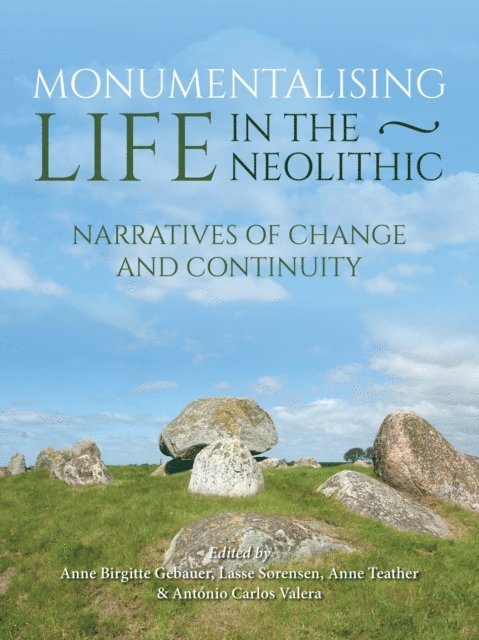
One of the principal characteristics of the European Neolithic is the development of monumentality in association with innovations in material culture and changes in subsistence from hunting and gathering to farming and pastoralism. The papers in this volume discuss the latest insights into why monumental architecture became an integral part of early farming societies in Europe and beyond. One of the topics is how we define monuments and how our arguments and recent research on temporality impacts on our interpretation of the Neolithic period. Different interpretations of Göbekli Tepe are examples of this discussion as well as our understanding of special landmarks such as flint mines.The latest evidence on the economic and paleoenvironmental context, carbon 14 dates as well as analytical methods are employed in illuminating the emergence of monumentalism in Neolithic Europe. Studies are taking place on a macro and micro scale in areas as diverse as Great Britain, Denmark, Sweden, Poland, Germany, the Dutch wetlands, Portugal and Malta involving a range of monuments from long barrows and megalithic tombs to roundels and enclosures. Transformation from a natural to a built environment by monumentalizing part of the landscape is discussed as well as changes in megalithic architecture in relation to shifts in the social structure. An ethnographic study of megaliths in Nagaland discuss monument building as an act of social construction. Other studies look into the role of monuments as expressions of cosmology and active loci of ceremonial performances. Also, a couple of papers analyse the social processes in the transformation of society in the aftermath of the initial boom in monument construction and the related changes in subsistence and social structure in northern Europe.The aim of the publication is to explore different theories about the relationship between monumentality and the Neolithic way of life through these studies encompassing a wide range of types of monuments over vast areas of Europe and beyond.
E-bok
Engelska, 2024351 kr
Läs direkt efter köp
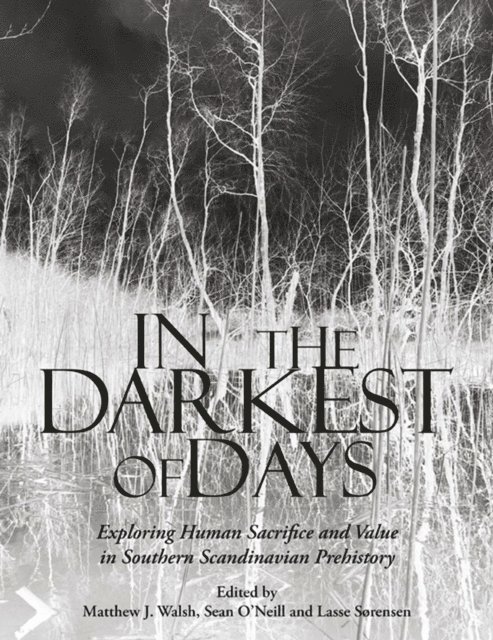
This book collects recent works on the subjects of sacrificial offerings, ritualized violence and the relative values thereof in the contexts of Scandinavian prehistory from the Neolithic to the Viking era. The volume builds on a workshop hosted at the National Museum of Denmark in 2018 which inaugurated the beginning of the research project ‘Human Sacrifice and Value: The limits of sacred violence’ and was supported by the Museum of Cultural History at the University of Oslo. The volume brings together research and perspectives that attempt to go beyond the who, what and where of most archaeological and anthropological investigations of sacrificial violence to address both the underlying and explicit forms of value associated with such events.The volume re-opens investigations into notions of value relating to diverse evidence and suggested evidence for human sacrifice and related ritualized violence. It covers a broad spectrum of issues relating to novel interpretations of the existing archaeological materials, but with a focus on the study of value and value dynamics in these diverse ritual contexts, engaging in questions of identity, cosmology, economics and social relations. Cases span from the Scandinavian Late Neolithic and Nordic Bronze Age, through to the well-known wetland deposits and bog bodies of the Iron Age, to Viking era executions, ‘deviant’ burials and contemporaneous double/multiple graves, exploring the implications for the transformation of sacrificial practices across Scandinavian prehistory.Each contribution attempts to untangle the myriad forms of value at play in different incarnations of human offerings, and provide insights into how those values were expressed, e.g., in the selection and treatment of victims in relation to their status, personhood, identity and life-history.
E-bok
PDF, Engelska, 2024352 kr
Läs direkt efter köp
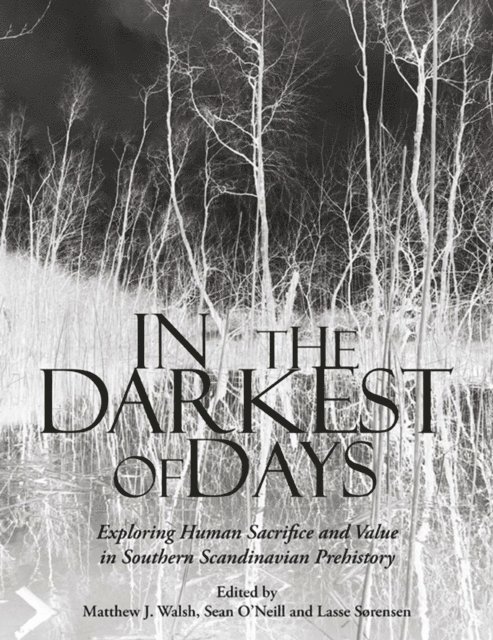
This book collects recent works on the subjects of sacrificial offerings, ritualized violence and the relative values thereof in the contexts of Scandinavian prehistory from the Neolithic to the Viking era. The volume builds on a workshop hosted at the National Museum of Denmark in 2018 which inaugurated the beginning of the research project ‘Human Sacrifice and Value: The limits of sacred violence’ and was supported by the Museum of Cultural History at the University of Oslo. The volume brings together research and perspectives that attempt to go beyond the who, what and where of most archaeological and anthropological investigations of sacrificial violence to address both the underlying and explicit forms of value associated with such events.The volume re-opens investigations into notions of value relating to diverse evidence and suggested evidence for human sacrifice and related ritualized violence. It covers a broad spectrum of issues relating to novel interpretations of the existing archaeological materials, but with a focus on the study of value and value dynamics in these diverse ritual contexts, engaging in questions of identity, cosmology, economics and social relations. Cases span from the Scandinavian Late Neolithic and Nordic Bronze Age, through to the well-known wetland deposits and bog bodies of the Iron Age, to Viking era executions, ‘deviant’ burials and contemporaneous double/multiple graves, exploring the implications for the transformation of sacrificial practices across Scandinavian prehistory.Each contribution attempts to untangle the myriad forms of value at play in different incarnations of human offerings, and provide insights into how those values were expressed, e.g., in the selection and treatment of victims in relation to their status, personhood, identity and life-history.