Roy Youdale – författare
Visar alla böcker från författaren Roy Youdale. Handla med fri frakt och snabb leverans.
8 produkter
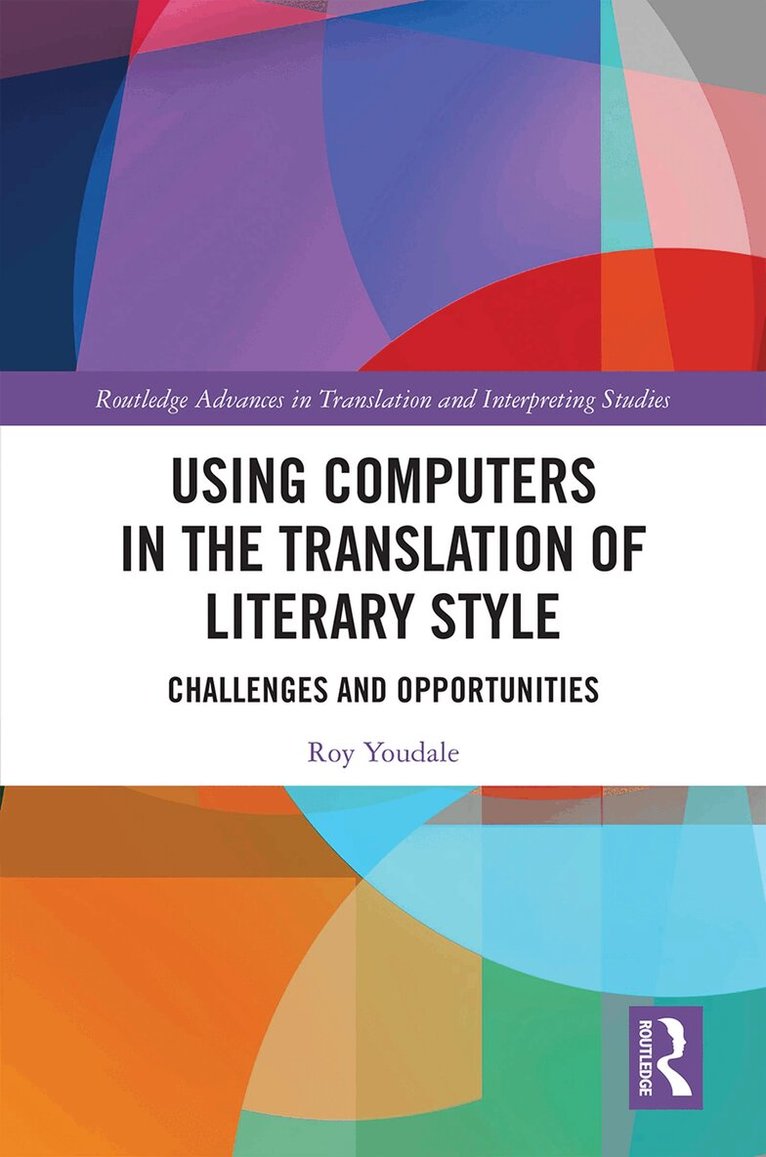
Using Computers in the Translation of Literary Style
Challenges and Opportunities
Av Roy Youdale
Inbunden, 2019
2888 kr
Lägg i varukorg
This volume argues for an innovative interdisciplinary approach to the analysis and translation of literary style, based on a mutually supportive combination of traditional close reading and ‘distant’ reading, involving corpus-linguistic analysis and text-visualisation. The book contextualizes this …
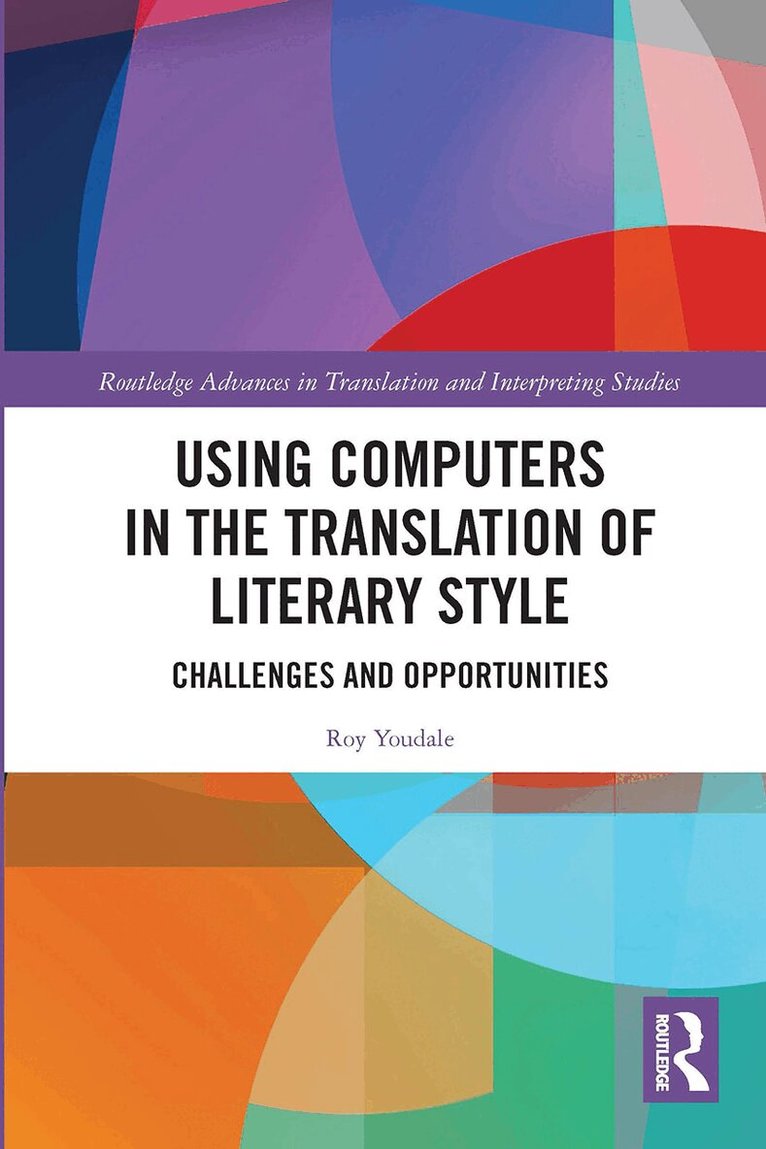
Using Computers in the Translation of Literary Style
Challenges and Opportunities
Av Roy Youdale
Häftad, 2021
845 kr
Lägg i varukorg
This volume argues for an innovative interdisciplinary approach to the analysis and translation of literary style, based on a mutually supportive combination of traditional close reading and ‘distant’ reading, involving corpus-linguistic analysis and text-visualisation. The book contextualizes this …
Using Computers in the Translation of Literary Style
Challenges and Opportunities
Av Roy Youdale
E-bok, 2019
892 kr
Lägg i varukorg
This volume argues for an innovative interdisciplinary approach to the analysis and translation of literary style, based on a mutually supportive combination of traditional close reading and ‘distant’ reading, involving corpus-linguistic analysis and text-visualisation. The book contextualizes …
Using Computers in the Translation of Literary Style
Challenges and Opportunities
Av Roy Youdale
E-bok, 2019
892 kr
Lägg i varukorg
This volume argues for an innovative interdisciplinary approach to the analysis and translation of literary style, based on a mutually supportive combination of traditional close reading and ‘distant’ reading, involving corpus-linguistic analysis and text-visualisation. The book contextualizes …
Computer-Assisted Literary Translation
Av Roy Youdale, Andy Way m. fl.
E-bok, 2023
838 kr
Lägg i varukorg
This collection surveys the state of the art of computer-assisted literary translation (CALT), making the case for its potential to enhance literary translation research and practice. The volume brings together early career and established scholars from around the world in countering prevailing …
Computer-Assisted Literary Translation
Av Roy Youdale, Andy Way m. fl.
E-bok, 2023
856 kr
Lägg i varukorg
This collection surveys the state of the art of computer-assisted literary translation (CALT), making the case for its potential to enhance literary translation research and practice. The volume brings together early career and established scholars from around the world in countering prevailing …
Computer-Assisted Literary Translation
Av Andrew Rothwell, Andy Way m. fl.
Inbunden, 2023
2888 kr
Lägg i varukorg
This collection surveys the state of the art of computer-assisted literary translation (CALT), making the case for its potential to enhance literary translation research and practice.The volume brings together early career and established scholars from around the world in countering prevailing …
Computer-Assisted Literary Translation
Av Andrew Rothwell, Andy Way m. fl.
Häftad, 2025
727 kr
Lägg i varukorg
This collection surveys the state of the art of computer-assisted literary translation (CALT), making the case for its potential to enhance literary translation research and practice.The volume brings together early career and established scholars from around the world in countering prevailing …