Educational environments can present challenges for children with Pathological Demand Avoidance (PDA), who require different strategies than children with a more straightforward presentation of autism, and schools frequently find themselves struggling to meet their complex needs. In this guide PDA experts Ruth Fidler and Phil Christie outline effective strategies for supporting pupils with PDA in education settings.Including a useful overview of PDA, this book outlines the impact of this diagnostic profile on learning, and explains why Collaborative Approaches to Learning is such a successful method for supporting pupils with PDA. It shows how teaching professionals can get started with this approach, with advice for implementing key strategies to overcome common challenges. The book also includes information on creating PDA-friendly learning environments, helping pupils to develop long-term social and emotional resilience. With handy downloadable resources, valuable information on supporting the wellbeing of adults who work with children with PDA, this is an essential resource for teaching and support staff in mainstream and special education schools.
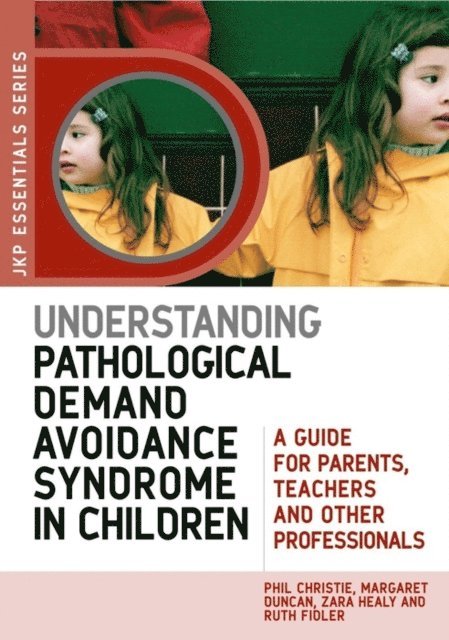
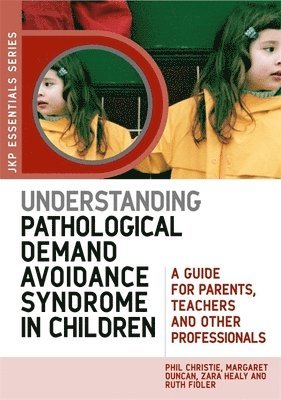
This straightforward guide offers a complete overview of Pathological Demand Avoidance Syndrome (PDA) and gives practical advice for overcoming the difficulties it poses in a wide range of contexts from diagnosis through to adulthood. Starting with an exploration into the background of PDA that answers many of the immediate questions triggered when a child is first diagnosed, the book goes on to look at the impact of the condition on different areas of the child's life and what can be done to help. The authors present useful information on early intervention options and workable strategies for managing PDA positively on a day-to-day basis. They also examine ways to minimize common difficulties that may be encountered at home and school, making life easier for the child, family and peers. The final chapters tackle new problems that can arise when the teenage years hit and how to assist a successful transition from adolescence to adulthood. Illustrative case examples are included throughout, and the book concludes with a list of valuable resources for further information and advice.Full of helpful guidance and support, this user-friendly introductory handbook is essential reading for anyone caring for, or working with, children with PDA.
Meet Issy – an 11-year-old girl with pathological demand avoidance syndrome (PDA), a condition on the autism spectrum. Issy invites readers to learn about PDA from her perspective, helping them to understand how simple, everyday demands can cause her great anxiety and stress. Issy tells readers about all the ways she can be helped and supported by those around her.This illustrated book is for readers aged 7 and upwards, and will be an excellent way to increase understanding about PDA in the classroom or at home. It also includes practical tips and recommended resources for parents and professionals.
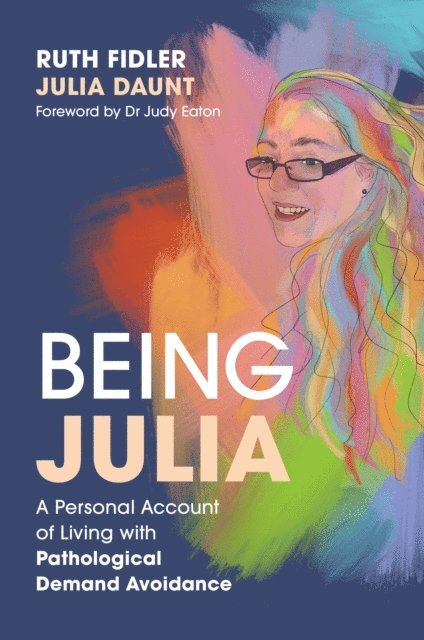
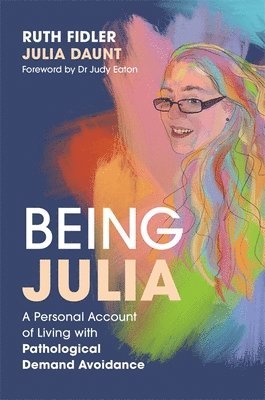
Diagnosed with Pathological Demand Avoidance (PDA) at aged 12 and writing this memoir at age 37, Julia Daunt depicts the ins and out of PDA and its symptoms, while maintaining a positive outlook on what is possible to achieve. Co-written with professional specialist Ruth Fidler, it covers how PDA impacts Julia's life, including meltdowns, sensory issues and communication in relationships.Including examples of school reports and handwritten letters, a chapter written from Julia's partner's perspective and even an example of Julia's favourite recipe, this warm and personal look at living and thriving with PDA is informative and inspiring.
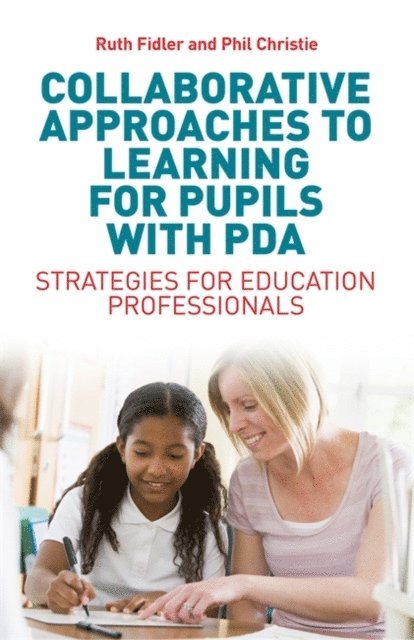
Educational environments can present challenges for children with Pathological Demand Avoidance (PDA), who require different strategies than children with a more straightforward presentation of autism, and schools frequently find themselves struggling to meet their complex needs. In this guide PDA experts Ruth Fidler and Phil Christie outline effective strategies for supporting pupils with PDA in education settings.Including a useful overview of PDA, this book outlines the impact of this diagnostic profile on learning, and explains why Collaborative Approaches to Learning is such a successful method for supporting pupils with PDA. It shows how teaching professionals can get started with this approach, with advice for implementing key strategies to overcome common challenges. The book also includes information on creating PDA-friendly learning environments, helping pupils to develop long-term social and emotional resilience. With handy downloadable resources, valuable information on supporting the wellbeing of adults who work with children with PDA, this is an essential resource for teaching and support staff in mainstream and special education schools.
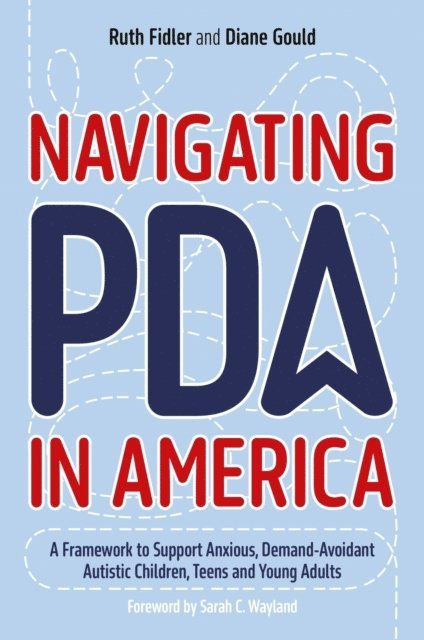
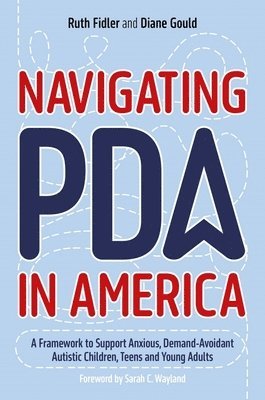
Although Pathological Demand Avoidance (PDA) has been a recognized autistic profile in the UK for some time, awareness is still growing in America. When parents first learn about it they talk about having a lightbulb moment of understanding their child better. Many described how, having found traditional parenting and behavioral techniques made things worse instead of better, they felt judged and alone. Teachers and school administrators also reported struggling to support their PDA students. The children, teens and young adults themselves were often left feeling misunderstood.The authors of this book explain PDA with an emphasis on promoting well-being both for PDA individuals and all those who support them. They provide a neurodiversity-affirming framework for supporting anxious, demand avoidant individuals across a range of settings and services. As awareness spreads across the pond, the compassion and clarity in this book will become a valuable guide to many.
Pathological Demand Avoidance Syndrome (PDA) is a developmental disorder that is being increasingly recognised as part of the autism spectrum. The main characteristic is a continued resistance to the ordinary demands of life through strategies of social manipulation, which originates from an anxiety-driven need to be in control.This straightforward guide is written collaboratively by professionals and parents to give a complete overview of PDA. Starting with an exploration into the syndrome, it goes on to answer the immediate questions triggered when a child is first diagnosed, and uses case examples throughout to illustrate the impact of the condition on different areas of the child's life. Early intervention options and workable strategies for managing PDA positively will make day-to-day life easier for the child, their family and peers. New problems faced in the teenage years and how to assist a successful transition from adolescence to adulthood are also tackled. The book concludes with a valuable resources list.Full of helpful guidance and support, this user-friendly introductory handbook is essential reading for families, carers and anyone who knows a child with PDA.
"An excellent book, it could be my daughter writing it. Really helpful in explaining PDA to her, friends and family." Reader review, ⭐⭐⭐⭐⭐ "This book will be an exceptional resource for parents and professionals who are at the beginning of their journey and looking to develop an understanding of the person that they are supporting with PDA" Reader review, ⭐⭐⭐⭐⭐ "This book was an excellent way to start to understand the subject matter! My daughter will even be able to read it and understand." Reader review, ⭐⭐⭐⭐⭐ Meet Issy - an 11-year-old girl with pathological demand avoidance syndrome (PDA), a condition on the autism spectrum. Issy invites readers to learn about PDA from her perspective, helping them to understand how simple, everyday demands can cause her great anxiety and stress. Issy tells readers about all the ways she can be helped and supported by those around her.This illustrated book is for readers aged 7 and upwards, and will be an excellent way to increase understanding about PDA in the classroom or at home. It also includes practical tips and recommended resources for parents and professionals.
Diagnosed with Pathological Demand Avoidance (PDA) at aged 12 and writing this memoir at age 37, Julia Daunt depicts the ins and out of PDA and its symptoms, while maintaining a positive outlook on what is possible to achieve. Co-written with professional specialist Ruth Fidler, it covers how PDA impacts Julia's life, including meltdowns, sensory issues and communication in relationships.Including examples of school reports and handwritten letters, a chapter written from Julia's partner's perspective and even an example of Julia's favourite recipe, this warm and personal look at living and thriving with PDA is informative and inspiring.