Ruth W. Grant – författare
Visar alla böcker från författaren Ruth W. Grant. Handla med fri frakt och snabb leverans.
12 produkter
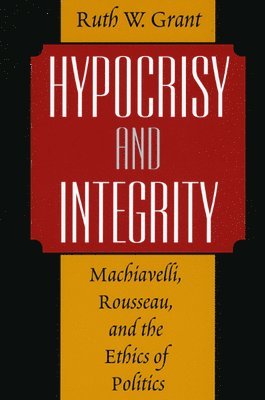
Hypocrisy and Integrity
Machiavelli, Rousseau, and the Ethics of Politics
Häftad, 1999
304 kr
Lägg i varukorg
Arguing that hypocrisy can be constructive and that strictly principled behaviour can be destructive, this book explores the full range of ethical alternatives, distinguishing the various types of hypocrisy and integrity. Drawing on the work of Machiavelli and Rousseau, who both recognized that the …
Hypocrisy and Integrity
Machiavelli, Rousseau, and the Ethics of Politics
E-bok, 2008
663 kr
Lägg i varukorg
Questioning the usual judgements of political ethics, Ruth W. Grant argues that hypocrisy can actually be constructive while strictly principled behavior can be destructive. Hypocrisy and Integrity offers a new conceptual framework that clarifies the differences between idealism and fanaticism …
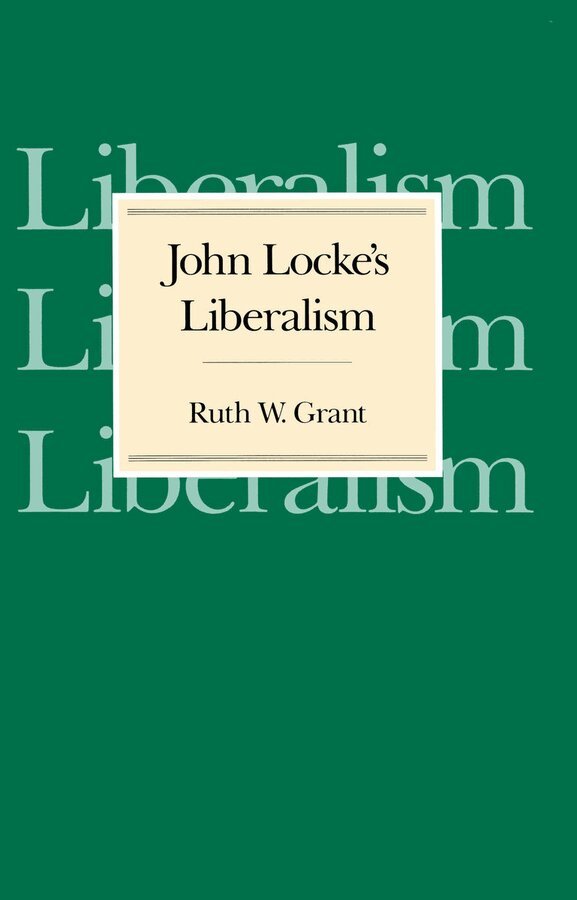
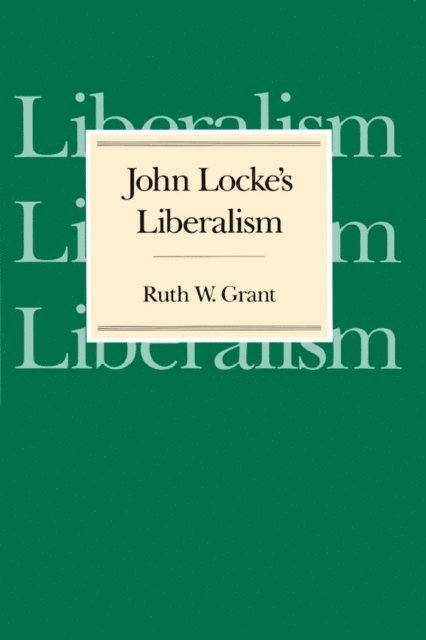
John Locke's Liberalism
Häftad, 1991
596 kr
Lägg i varukorg
In this work, Ruth W. Grant presents a new approach to John Locke's familiar works. Taking the unusual step of relating Locke's Two Treatises to his Essay Concerning Human Understanding, Grant establishes the unity and coherence of Locke's political arguments. She analyzes the Two Treatises as a …
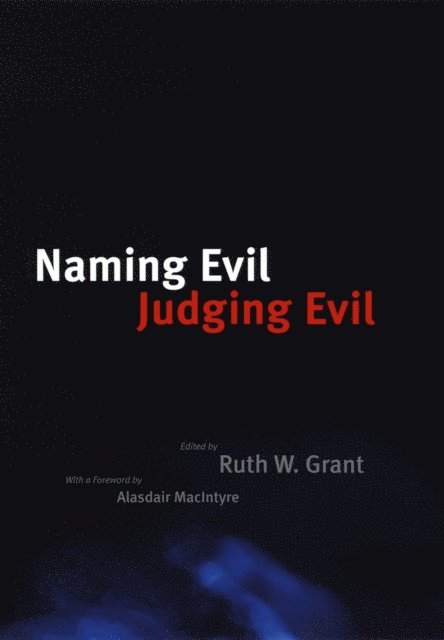
Naming Evil, Judging Evil
E-bok, 2008
727 kr
Lägg i varukorg
Is it more dangerous to call something evil or not to? This fundamental question deeply divides those who fear that the term oversimplifies grave problems and those who worry that, to effectively address such issues as terrorism and genocide, we must first acknowledge them as evil. Recognizing that …
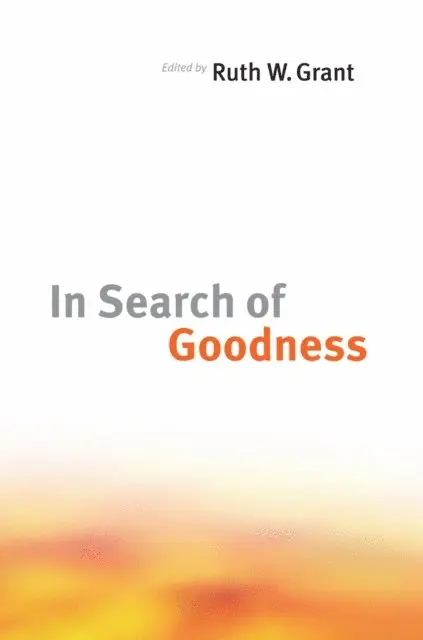
In Search of Goodness
E-bok, 2011
720 kr
Lägg i varukorg
The recent spate of books and articles reflecting on the question of evil might make one forget that the question of just what constitutes goodness is no less urgent or perplexing. Everyone wants to think of him- or herself as good. But what does a good life look like? And how do people become …
John Locke's Liberalism
E-bok, 2010
663 kr
Lägg i varukorg
In this work, Ruth W. Grant presents a new approach to John Locke''s familiar works. Taking the unusual step of relating Locke''s Two Treatises to his Essay Concerning Human Understanding , Grant establishes the unity and coherence of Locke''s political arguments. She analyzes the Two Treatises as …
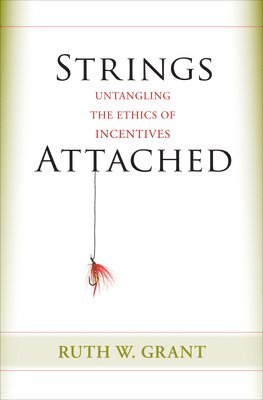
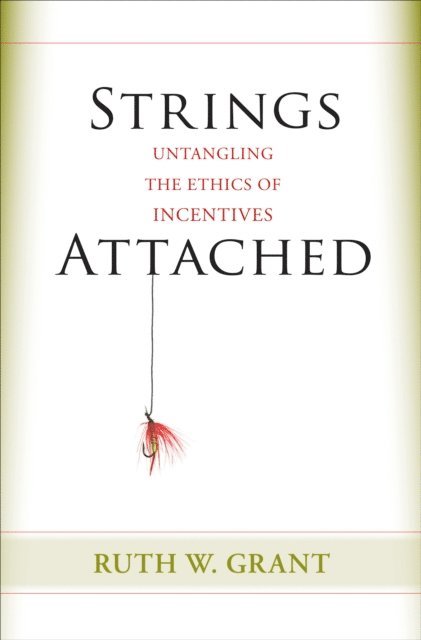
Strings Attached
Untangling the Ethics of Incentives
Inbunden, 2011
389 kr
Lägg i varukorg
Incentives can be found everywhere--in schools, businesses, factories, and government--influencing people's choices about almost everything, from financial decisions and tobacco use to exercise and child rearing. So long as people have a choice, incentives seem innocuous. But Strings Attached …
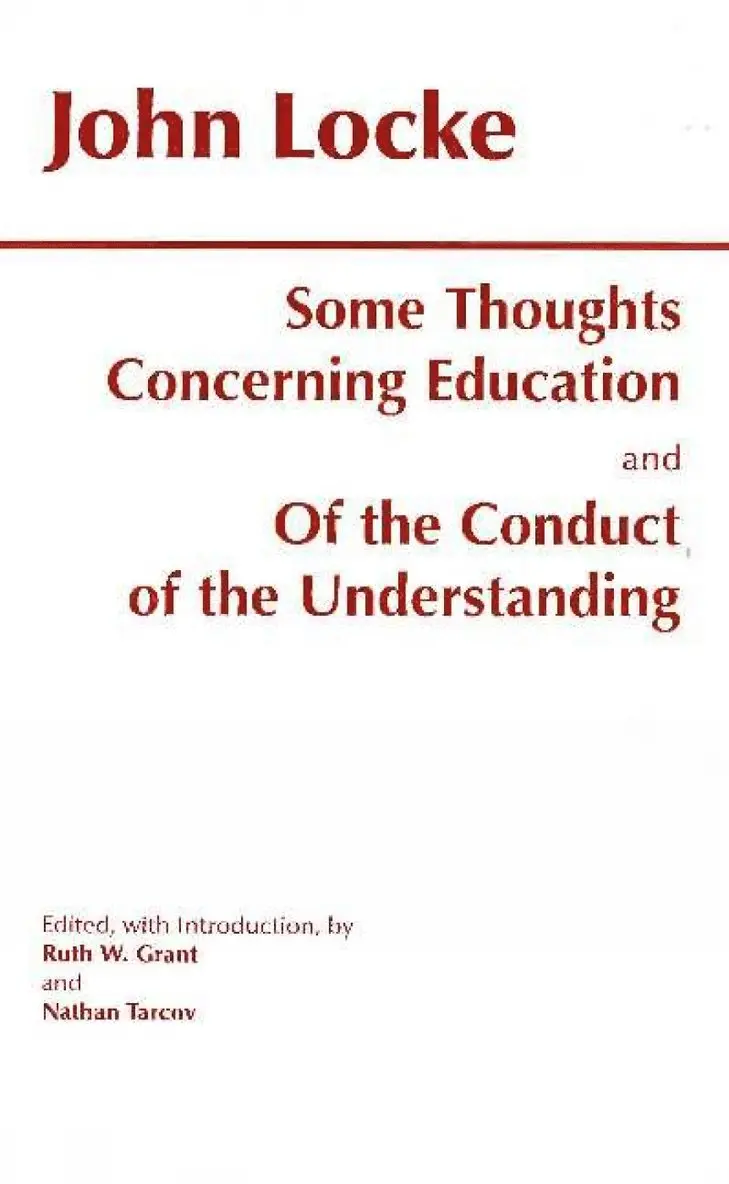
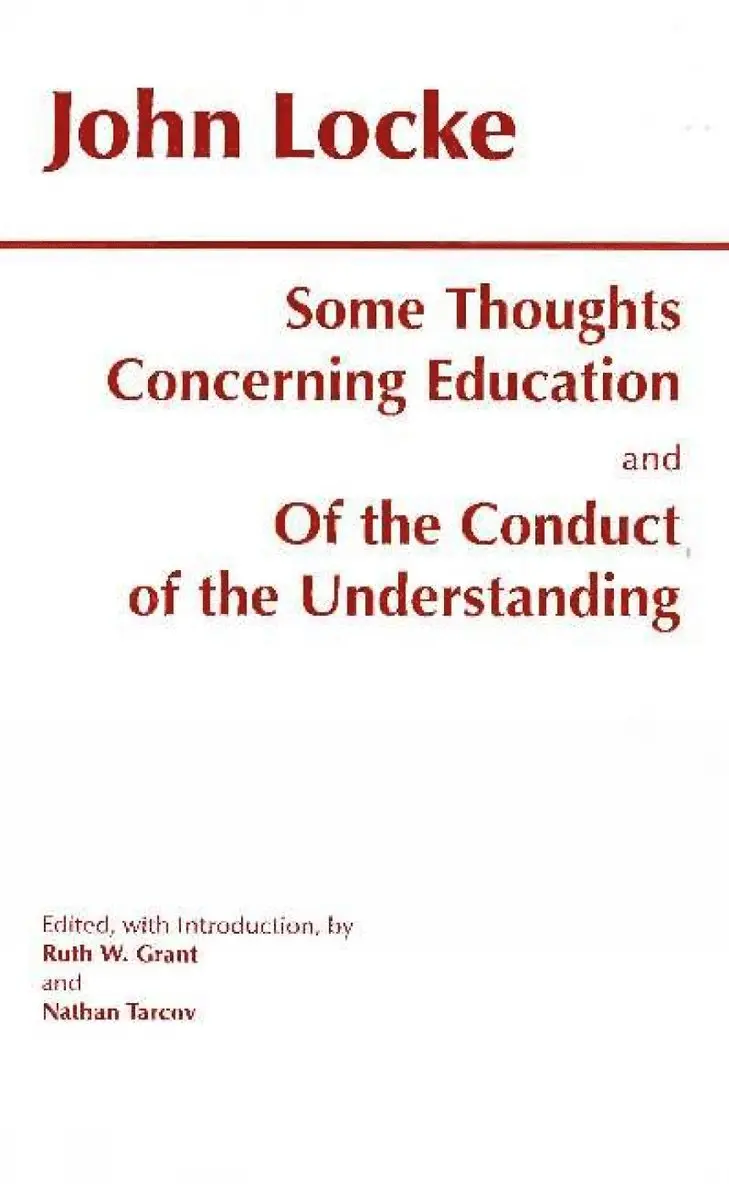
Some Thoughts Concerning Education and of the Conduct of the Understanding
Av John Locke, Ruth W. Grant m. fl.
Häftad, 1996
219 kr
Lägg i varukorg
This volume offers two complementary works, unabridged, in modernized, annotated texts--the only available edition priced for classroom use. Grant and Tarcov provide a concise introduction, a note on the texts, and a select bibliography.
Some Thoughts Concerning Education and of the Conduct of the Understanding
Av John Locke, Ruth W. Grant m. fl.
Inbunden, 1996
550 kr
Lägg i varukorg
This volume offers two complementary works, unabridged, in modernized, annotated texts--the only available edition priced for classroom use. Grant and Tarcov provide a concise introduction, a note on the texts, and a select bibliography.
Strings Attached
Untangling the Ethics of Incentives
E-bok, 2011
324 kr
Lägg i varukorg
The legitimate and illegitimate use of incentives in society today Incentives can be found everywhere—in schools, businesses, factories, and government—influencing people''s choices about almost everything, from financial decisions and tobacco use to exercise and child rearing. So long as people …
In Search of Goodness
Inbunden, 2011
330 kr
Tillfälligt slut
The recent spate of books and articles reflecting on the question of evil might make one forget that the question of just what constitutes goodness is no less urgent or perplexing. Everyone wants to think of himself or herself as good. But how do people become good? And what does a good life look …
Strings Attached
Untangling the Ethics of Incentives
Häftad, 2014
211 kr
Tillfälligt slut
Incentives can be found everywhere - in schools, businesses, factories, and government - influencing people's choices about almost everything, from financial decisions and tobacco use to exercise and child rearing. So long as people have a choice, incentives seem innocuous. But Strings Attached …