Ruth Young – författare
Visar alla böcker från författaren Ruth Young. Handla med fri frakt och snabb leverans.
25 produkter
Historical Archaeology and Heritage in the Middle East
Av Ruth Young
Häftad, 2020
757 kr
Lägg i varukorg
Landlord villages dominated Iranian land tenure for hundreds of years, whereby one powerful landlord owned the village structures, surrounding farmland, and to all intents and purposes, the village occupants themselves, a system that in some cases remained in place up to the 1979 Islamic …
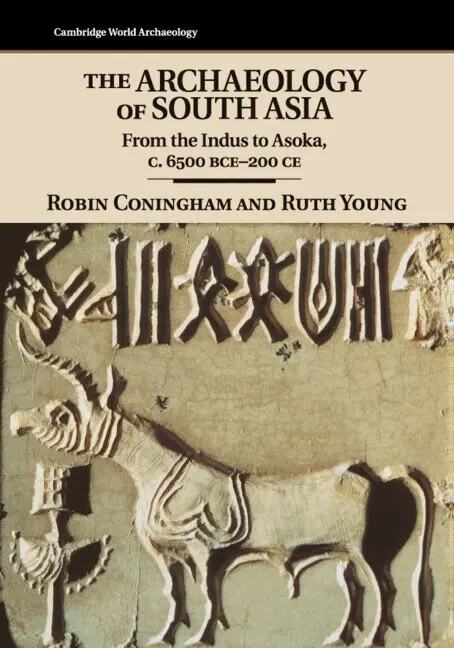
The Archaeology of South Asia
From the Indus to Asoka, c.6500 BCE-200 CE
Av Robin Coningham, Ruth Young
Häftad, 2023
569 kr
Lägg i varukorg
This book offers a critical synthesis of the archaeology of South Asia from the Neolithic period (c.6500 BCE), when domestication began, to the spread of Buddhism accompanying the Mauryan Emperor Asoka's reign (third century BCE). The authors examine the growth and character of the Indus …
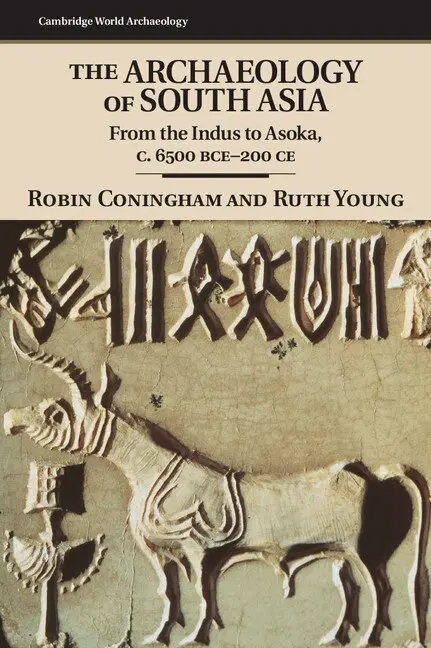
The Archaeology of South Asia
From the Indus to Asoka, c.6500 BCE-200 CE
Av Robin Coningham, Ruth Young
Inbunden, 2015
2482 kr
Lägg i varukorg
This book offers a critical synthesis of the archaeology of South Asia from the Neolithic period (c.6500 BCE), when domestication began, to the spread of Buddhism accompanying the Mauryan Emperor Asoka's reign (third century BCE). The authors examine the growth and character of the Indus …
Historical Archaeology and Heritage in the Middle East
Av Ruth Young
Inbunden, 2019
2586 kr
Lägg i varukorg
Landlord villages dominated Iranian land tenure for hundreds of years, whereby one powerful landlord owned the village structures, surrounding farmland, and to all intents and purposes, the village occupants themselves, a system that in some cases remained in place up to the 1979 Islamic …
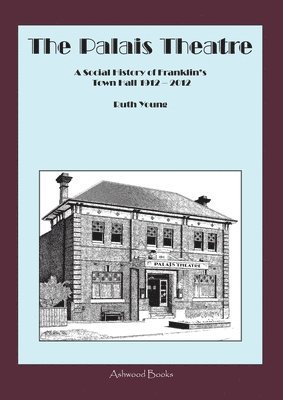
Palais Theatre
A Social History of Franklin's Town Hall 1912 - 2012
Av Ruth Young
Häftad, 2020
347 kr
Lägg i varukorg
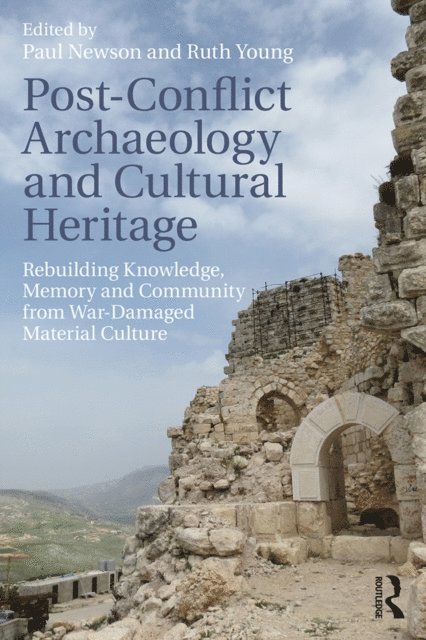
Post-Conflict Archaeology and Cultural Heritage
Rebuilding Knowledge, Memory and Community from War-Damaged Material Culture
Inbunden, 2017
2586 kr
Lägg i varukorg
The human cost in any conflict is of course the first care in terms of the reduction, if not the elimination of damage. However, the destruction of archaeology and heritage as a consequence of civil and international wars is also of major concern, and the irreversible loss of monuments and sites …
Post-Conflict Archaeology and Cultural Heritage
Rebuilding Knowledge, Memory and Community from War-Damaged Material Culture
Häftad, 2017
667 kr
Lägg i varukorg
The human cost in any conflict is of course the first care in terms of the reduction, if not the elimination of damage. However, the destruction of archaeology and heritage as a consequence of civil and international wars is also of major concern, and the irreversible loss of monuments and sites …
Post-Conflict Archaeology and Cultural Heritage
Rebuilding Knowledge, Memory and Community from War-Damaged Material Culture
E-bok, 2017
785 kr
Lägg i varukorg
The human cost in any conflict is of course the first care in terms of the reduction, if not the elimination of damage. However, the destruction of archaeology and heritage as a consequence of civil and international wars is also of major concern, and the irreversible loss of monuments and sites …
Post-Conflict Archaeology and Cultural Heritage
Rebuilding Knowledge, Memory and Community from War-Damaged Material Culture
E-bok, 2017
768 kr
Lägg i varukorg
The human cost in any conflict is of course the first care in terms of the reduction, if not the elimination of damage. However, the destruction of archaeology and heritage as a consequence of civil and international wars is also of major concern, and the irreversible loss of monuments and sites …
Historical Archaeology and Heritage in the Middle East
Av Ruth Young
E-bok, 2019
873 kr
Lägg i varukorg
Landlord villages dominated Iranian land tenure for hundreds of years, whereby one powerful landlord owned the village structures, surrounding farmland, and to all intents and purposes, the village occupants themselves, a system that in some cases remained in place up to the 1979 Islamic …
Historical Archaeology and Heritage in the Middle East
Av Ruth Young
E-bok, 2019
892 kr
Lägg i varukorg
Landlord villages dominated Iranian land tenure for hundreds of years, whereby one powerful landlord owned the village structures, surrounding farmland, and to all intents and purposes, the village occupants themselves, a system that in some cases remained in place up to the 1979 Islamic …
Maternity and Infant Welfare
A Handbook for Health Visitors, Parents, & Others in India
Av Ruth Young
E-bok, 2016
378 kr
Lägg i varukorg
Maternity and Infant Welfare: A Handbook for Health Visitors, Parents, & Others in India describes the hygiene of pregnant women and the puerperium. This book is organized into two main parts encompassing 22 chapters that discuss the physiology and general care of normal pregnancy, as well as the …
Life in Verse
Av Ruth Young
E-bok, 2016
61 kr
Lägg i varukorg
Cloud formsFrom the dust of childhoodHanging lowSometimes got in my eyesAnd kept me from seeingWhere I wanted to go!
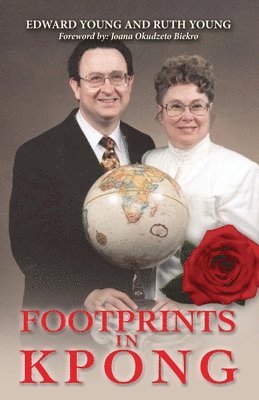
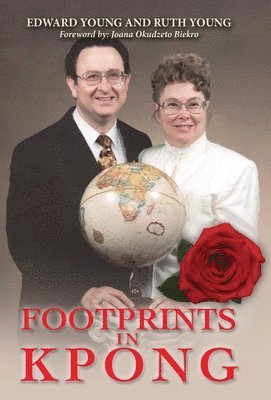
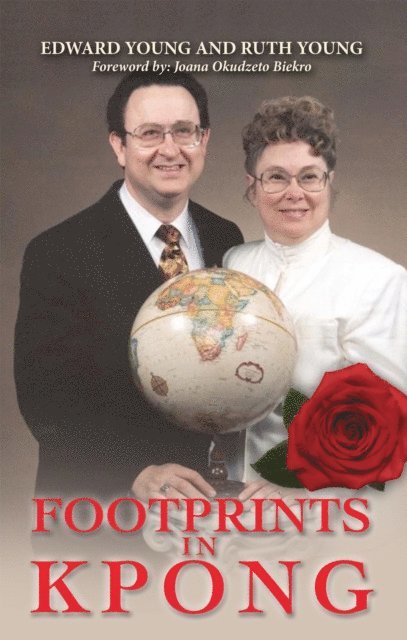
Footprints in Kpong
E-bok, 2021
57 kr
Lägg i varukorg
Footprints in Kpong, a little girl in Jackson Michigan had a dream to be a missionary to Africa through the inspiring stories she heard from missionaries who visited her grandmother. God, if you are willing, send me and I will go. Footprints in Kpong is the missionary journey of Ruth Young to …
Agriculture and Pastoralism in the Late Bronze and Iron Age North West Frontier Province Pakistan
An integrated study of the archaeological plant and animal remains from rural and urban sites, using modern ethnographic information to develop a model of economic organisation and contact
Av Ruth Young
Häftad, 2003
449 kr
Lägg i varukorg
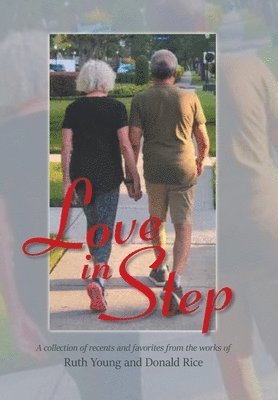
Love In Step
A collection of recents and favorites from the works of Ruth Young and Donald Rice
Häftad, 2024
212 kr
Lägg i varukorg
Love In Step
A collection of recents and favorites from the works of Ruth Young and Donald Rice
E-bok, 2024
58 kr
Lägg i varukorg
Ruth and Don Still live in Winter Park, Florida, where they met and married in 2014. They enjoy traveling and spending time with their extensive family, scattered around the country. “Love In Step” as in her other work, Ruth explores the depth and dimensions of life’s relationships… while Don …
Love In Step
A collection of recents and favorites from the works of Ruth Young and Donald Rice
Inbunden, 2024
522 kr
Lägg i varukorg