• Fri frakt över 249 kr
  • •
  • Snabba leveranser
  • •
  • Billiga böcker
Kundservice

Du är på sajten för privatpersoner.

Företag, bibliotek eller offentlig verksamhet?

Du handlar på classic.bokus.com, där alla dina funktioner finns intakta.
Till classic.bokus.com
Bokus logotyp. Gå till startsidan.
  • Erbjudanden
  • Nyheter
  • Student
  • Topplistor
  • Barn & ungdom
  • Bokus Play
  • E-böcker
  • Pocketböcker
  • Spel & pussel

Må bättre, för mindre! Upp till 50% rabatt på hälsoböcker

Sidfot

Mina sidor

    Hjälp

    • Kundservice
    • Vanliga frågor och svar
    • Frakt och leverans
    • Retur vid ångerrätt
    • Reklamera vara
    • Betalning
    • Köpvillkor
    • Allmänna villkor
    • Information om webbplatsens tillgänglighet

    Om Bokus

    • Om oss
    • Pressrum
    • För studenter
    • För företag
    • För bibliotek och offentlig verksamhet
    • För leverantörer
    • Hållbarhet

    Populärt

    • Aktuella erbjudanden
    • Presentkort
    • Studentlitteratur
    • Nya böcker
    • Topplistor
    • Signerade böcker
    • Engelska böcker

    Inspiration

    • Boktips
    • BookTok
    • Populära bokserier
    • Barnbokskaraktärer
    • Populära författare
    Logotyp för Bokus
    Följ oss på Facebook (extern länk)Följ oss på Instagram (extern länk)Följ oss på YouTube (extern länk)Följ oss på TikTok (extern länk)
    bokus @ CookiesAnpassa cookiesIntegritetspolicyKöpvillkor
    Till Citymail hemsida (extern länk)Till Budbee hemsida (extern länk)Till Postnord hemsida (extern länk)Till Schenker hemsida (extern länk)Till Early Bird hemsida (extern länk)Till Walleys hemsida (extern länk)
    1. Historia och arkeologi
    2. Arkeologi
    3. Arkeologiska perioder och områden

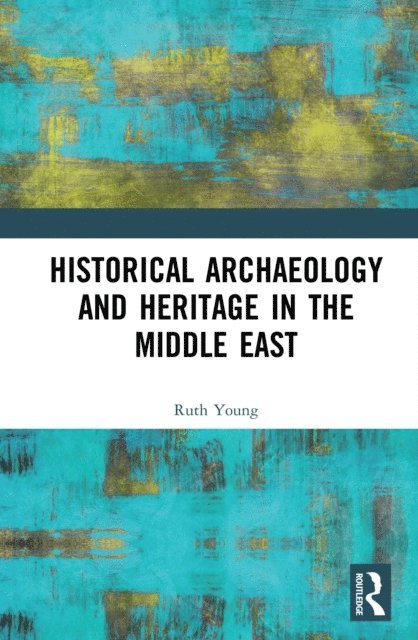
    Historical Archaeology and Heritage in the Middle East

    AvRuth Young

    Inbunden, Engelska, 2019

    2 493 kr

    Beställningsvara. Skickas inom 10-15 vardagar. Fri frakt över 249 kr.

    Fler format och utgåvor

    Häftad

    730 kr

    E-bok

    866 kr

    E-bok

    864 kr

    Beskrivning

    Landlord villages dominated Iranian land tenure for hundreds of years, whereby one powerful landlord owned the village structures, surrounding farmland, and to all intents and purposes, the village occupants themselves, a system that in some cases remained in place up to the 1979 Islamic Revolution. In Oman, mud-brick oases were home to most of the rural population right up until Sultan Qaboos came to power in 1970, and required inhabitants of mud-brick houses to relocate into new concrete block buildings. Historical Archaeology and Heritage in the Middle East explores these everyday, rural communities in Iran and Oman in the 19th and 20th centuries, through a combination of building analysis, excavation, artefact analysis and ethnographic interviews. Drawing on the results of original field projects, the book considers new ways of exploring traditional lifeways, giving voice to hitherto largely ignored sections of the population, and offers new and different ways of thinking about how these people lived and what shaped their lives and the impact of major political and social changes on them. Place, memory and belonging are considered through the lens of material culture within these villages.The first of its kind, the book brings together methodologies, research questions, and themes that have never been used or addressed in the Middle East. Helping to establish historical archaeology in the Middle East and providing new ways in which the memorable, quotidian past can be exploited for its social and economic value in contemporary community and heritage developments, it is an ideal resource for students, scholars and practitioners of historical archaeology and heritage of and in the Middle East.
    Produktinformation

    • Utgivningsdatum:2019-01-31
    • Mått:156 x 234 x 20 mm
    • Vikt:616 g
    • Format:Inbunden
    • Språk:Engelska
    • Antal sidor:256
    • Förlag:Taylor & Francis Inc
    • ISBN:9780815395584

    Utforska kategorier

    • Arkeologiska perioder och områden inom Historia och arkeologi
    • Referensverk och tvärvetenskap inom Samhälle och politik

    Mer om författaren

    Ruth Young is a Reader in Archaeology at the University of Leicester, UK. She is interested in the historical archaeology and heritage of the Middle East and South Asia and has directed and co-directed excavations and fieldwork in Iran, Lebanon, Oman, and Pakistan. Her recent publications include Post-Conflict Archaeology and Cultural Heritage (2017, Routledge), and The Archaeology of South Asia (2105).

    Innehållsförteckning

    • List of FiguresAcknowledgementsNotes on the Identification of Interviewees1 IntroductionThe aims of this bookKey concepts in this book: place, memory, belongingHeritageThe case studiesThe Iran project: Landlord Villages of the Tehran PlainLandlord villages of IranPost revolution villagesThe Oman project: Bat Oasis Heritage ProjectOman villages of the interiorHousing changes in OmanConclusion2 Recent histories of Iran and OmanAn outline of recent Iranian HistoryAn outline of recent Omani historyNation building, heritage, and placeIran: nation building by the PahlavisOman: nation building by Sultan QaboosConclusion3 An archaeology of place and memoryArchaeology is a way of understanding how people make placeThe village plansPlace and power Giving meaning to place Place and religionPublic placesPlace and memoryPost abandonmentLandlord villagesBat OasisConclusion4 Memory, place and belongingPlace, archaeology and memoryPlace and belonging under attackMudbrick and memory in OmanMudbrick and memory in Iran Kazemabad and Hosseinabad Sanghar memories Gach Agach memoriesDiscussion and conclusion5 Heritage in the Middle East HeritageUNESCO World Heritage in relation to the Middle East Why is the Bat prehistoric archaeological landscape a WH site and not the Bat Oasis?Heritage in the Middle EastNational heritage in OmanNational heritage in IranQuotidian and fragmented heritageConclusion6 Historical archaeology and heritage in the Middle EastBarriers to historical archaeologySo how should we go about setting up ‘good’ heritage and archaeology projects?Community involvement ConclusionBibliographyIndex