Ryan M. Katz-Rosene – författare
Visar alla böcker från författaren Ryan M. Katz-Rosene. Handla med fri frakt och snabb leverans.
6 produkter
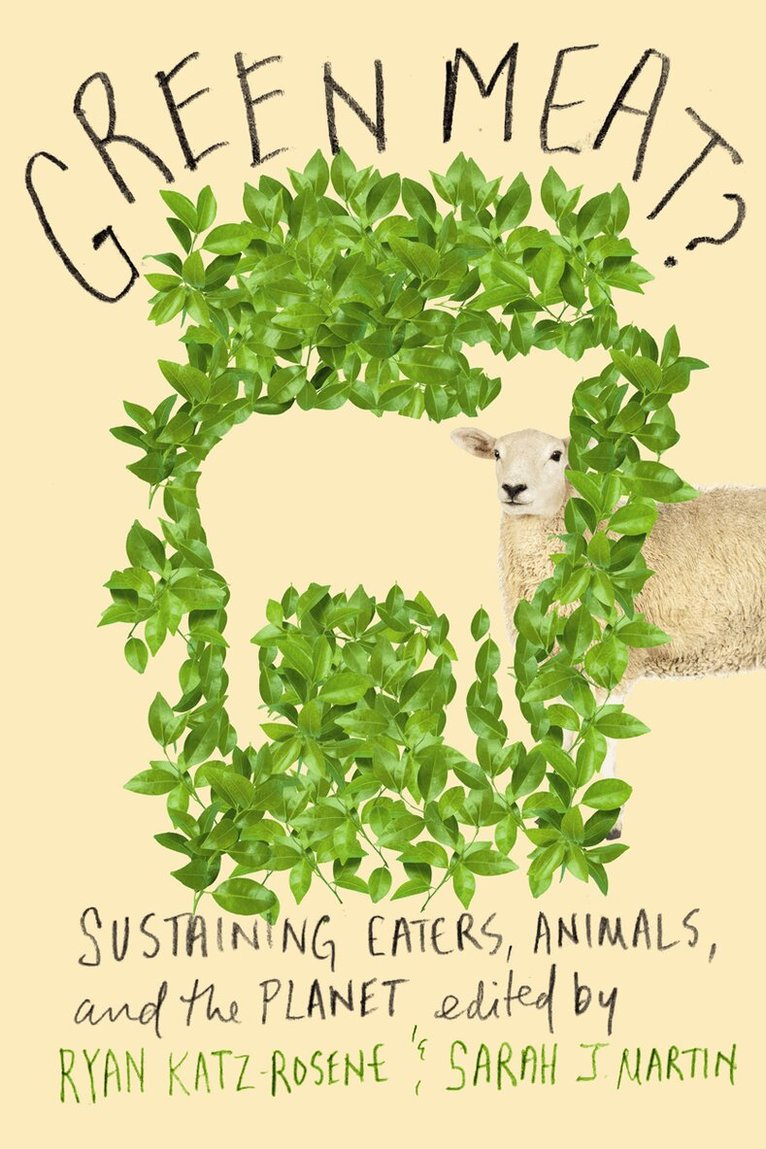
Green Meat?
Sustaining Eaters, Animals, and the Planet
Av Ryan M. Katz-Rosene, Sarah J. Martin
Inbunden, 2020
399 kr
Lägg i varukorg
"Green Meat? takes a multifaceted approach to the issues of industrialized agricultural production and its relationship to climate change. It argues that one singular solution to this problem would undermine the myriad of ways that meat is consumed across regional and cultural lines. Although meat …
Green Meat?
Sustaining Eaters Animals and the Planet
Av Sarah J. Martin, Ryan M. Katz-Rosene
E-bok, 2020
307 kr
Lägg i varukorg
It seems an irrefutable truth that raising animals for meat has become unsustainable. Land is being eroded and destroyed, water resources overdrawn, greenhouse gases over-emitted, and energy and crops unnecessarily diverted - all to satiate a growing and inequitable global overconsumption of meat. …
Green Meat?
Sustaining Eaters Animals and the Planet
Av Sarah J. Martin, Ryan M. Katz-Rosene
E-bok, 2020
307 kr
Lägg i varukorg
It seems an irrefutable truth that raising animals for meat has become unsustainable. Land is being eroded and destroyed, water resources overdrawn, greenhouse gases over-emitted, and energy and crops unnecessarily diverted - all to satiate a growing and inequitable global overconsumption of meat. …
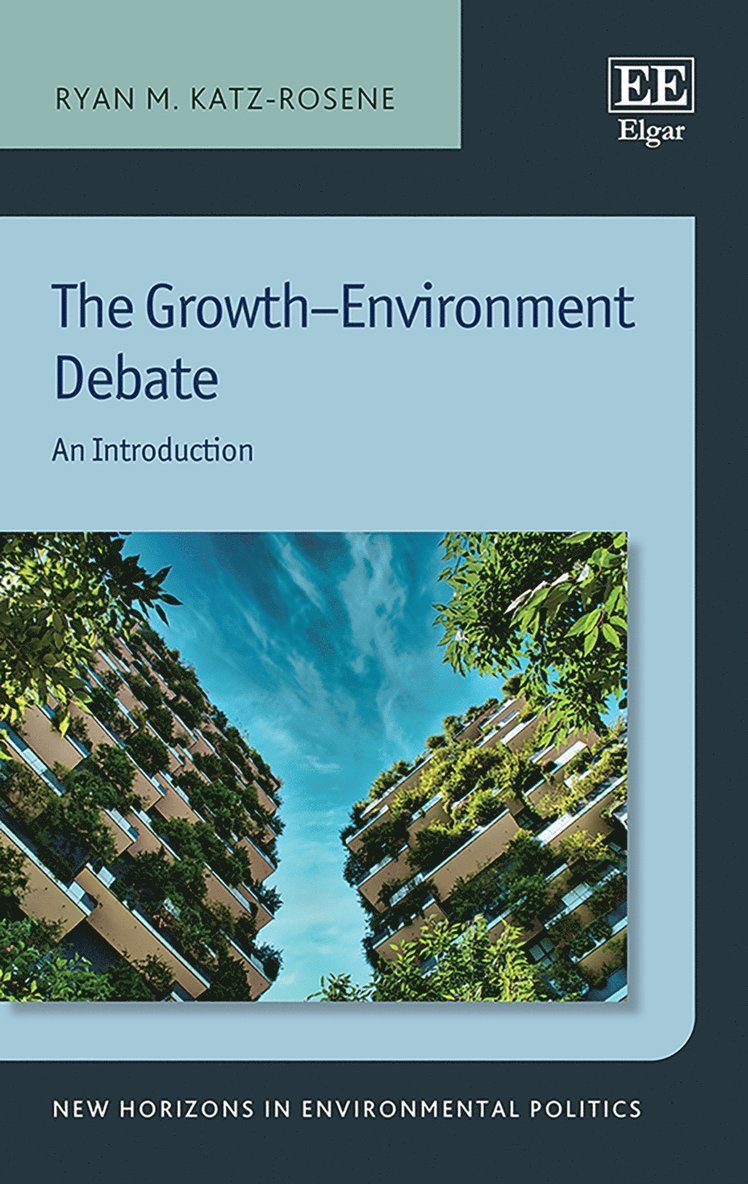
Growth–Environment Debate
An Introduction
Inbunden, 2025
1472 kr
Lägg i varukorg
In this timely book, Ryan M. Katz-Rosene expertly explains the origins and evolution of the debate surrounding the growth–environment relationship. He explores why some see economic growth as the best means to achieve sustainability while others see growth as the cause of humanity’s present …
Growth-Environment Debate
An Introduction
E-bok, 2025
449 kr
Lägg i varukorg
In this timely book, Ryan M. Katz-Rosene expertly explains the origins and evolution of the debate surrounding the growth–environment relationship. He explores why some see economic growth as the best means to achieve sustainability while others see growth as the cause of humanity’s present …
Growth–Environment Debate
An Introduction
Häftad, 2026
459 kr
Lägg i varukorg
In this timely book, Ryan M. Katz-Rosene expertly explains the origins and evolution of the debate surrounding the growth–environment relationship. He explores why some see economic growth as the best means to achieve sustainability while others see growth as the cause of humanity’s present …