S. Chandra Nayak – författare
Visar alla böcker från författaren S. Chandra Nayak. Handla med fri frakt och snabb leverans.
6 produkter
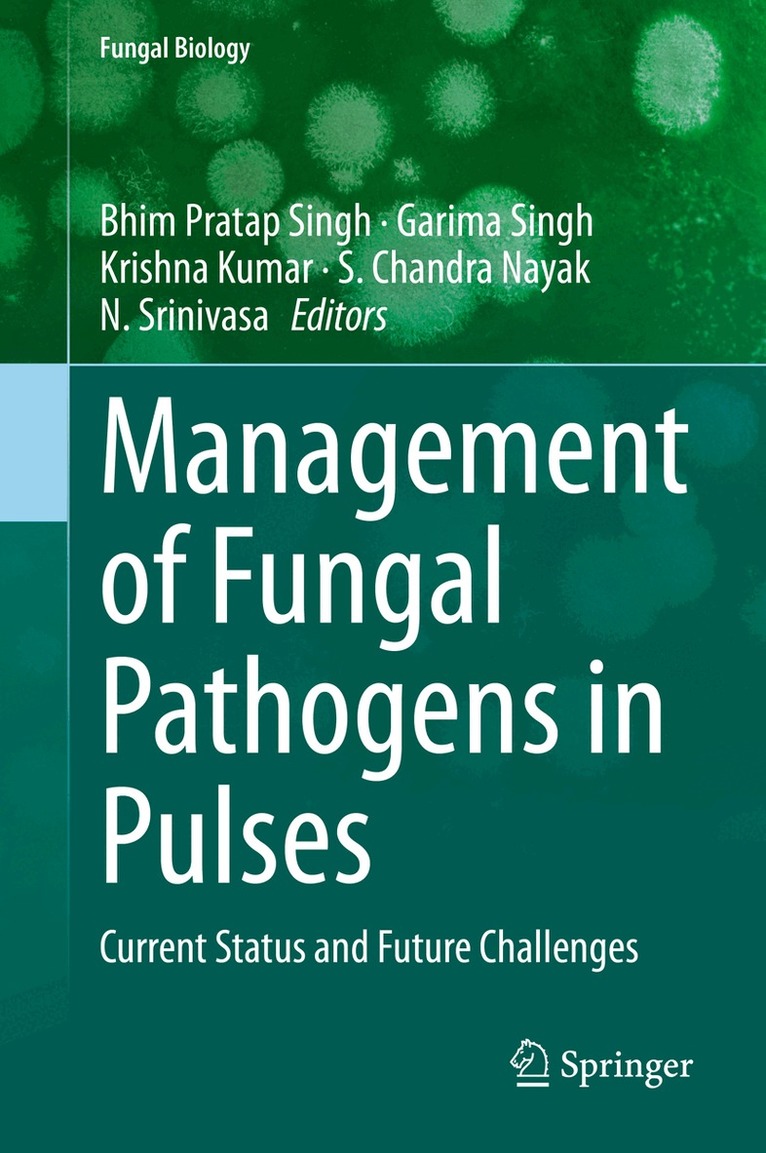
Management of Fungal Pathogens in Pulses
Current Status and Future Challenges
Av Bhim Pratap Singh, Garima Singh m. fl.
Inbunden, 2020
1643 kr
Lägg i varukorg
Pulses have played a major role in human diet and are considered a rich source of proteins. But, the major constraints in achieving the yield of pulses are the occurrences of various diseases and pests. Hence, there is a need to understand major fungal pathogens and their management strategies for …
Management of Fungal Pathogens in Pulses
Current Status and Future Challenges
Av N. Srinivasa, S. Chandra Nayak m. fl.
E-bok, 2020
2044 kr
Lägg i varukorg
Pulses have played a major role in human diet and are considered a rich source of proteins. But, the major constraints in achieving the yield of pulses are the occurrences of various diseases and pests. Hence, there is a need to understand major fungal pathogens and their management strategies for …
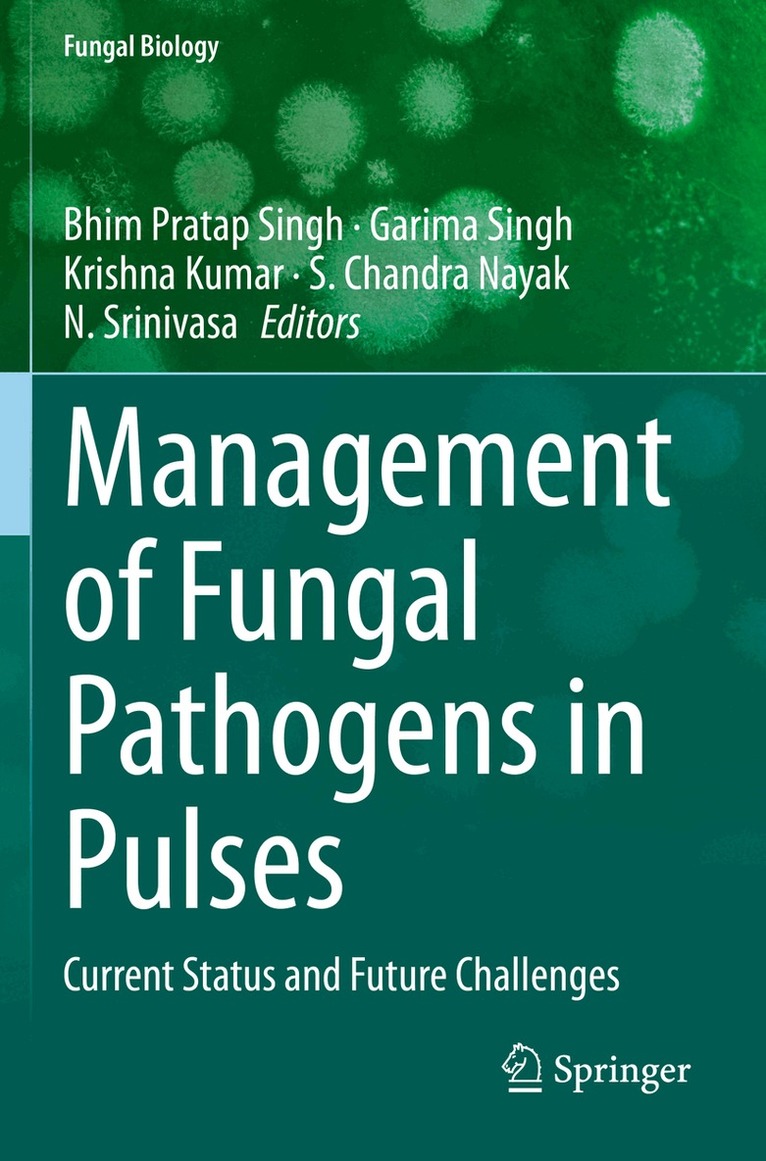
Management of Fungal Pathogens in Pulses
Current Status and Future Challenges
Av Bhim Pratap Singh, Garima Singh m. fl.
Häftad, 2021
1643 kr
Lägg i varukorg
Pulses have played a major role in human diet and are considered a rich source of proteins. But, the major constraints in achieving the yield of pulses are the occurrences of various diseases and pests. Hence, there is a need to understand major fungal pathogens and their management strategies for …
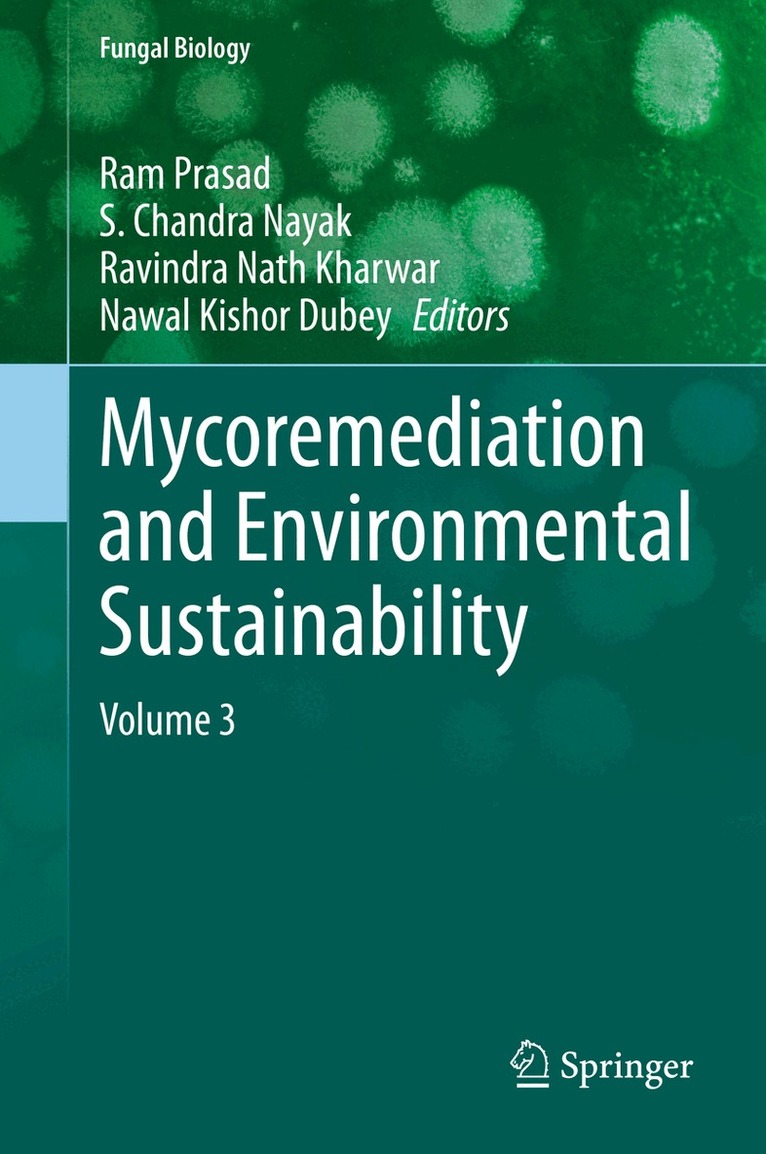
Mycoremediation and Environmental Sustainability
Volume 3
Av Ram Prasad, S. Chandra Nayak m. fl.
Inbunden, 2021
1753 kr
Lägg i varukorg
Volume 3 covers recent research with expanded coverage on this important area of remediation. Mycoremediation is the form of bioremediation in which fungi-based technology is used to decontaminate the environment. Fungi are among the primary saprotrophic organisms in an ecosystem, as they are …
Mycoremediation and Environmental Sustainability
Volume 3
Av Nawal Kishor Dubey, Ravindra Nath Kharwar m. fl.
E-bok, 2021
2274 kr
Lägg i varukorg
Volume 3 covers recent research with expanded coverage on this important area of remediation. Mycoremediation is the form of bioremediation in which fungi-based technology is used to decontaminate the environment. Fungi are among the primary saprotrophic organisms in an ecosystem, as they are …
Mycoremediation and Environmental Sustainability
Volume 3
Av Ram Prasad, S. Chandra Nayak m. fl.
Häftad, 2022
1753 kr
Lägg i varukorg
Volume 3 covers recent research with expanded coverage on this important area of remediation. Mycoremediation is the form of bioremediation in which fungi-based technology is used to decontaminate the environment. Fungi are among the primary saprotrophic organisms in an ecosystem, as they are …