S. Tamar Kamionkowski – författare
Visar alla böcker från författaren S. Tamar Kamionkowski. Handla med fri frakt och snabb leverans.
7 produkter
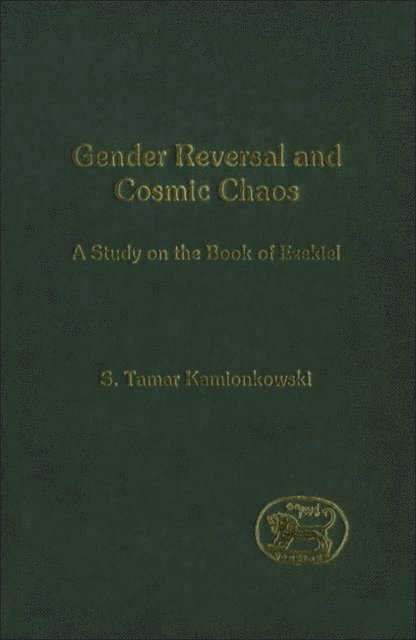
Gender Reversal and Cosmic Chaos
A Study in the Book of Ezekiel
E-bok, 2003
3039 kr
Lägg i varukorg
This book is about both the fear of gender reversal and its expression in the prophet Ezekiel''s reworking of the marital metaphor. Kamionkowski argues that the abomination of "wife Jerusalem" is that she is attempting to pass for a male, thereby crossing gender boundaries and upsetting the world …
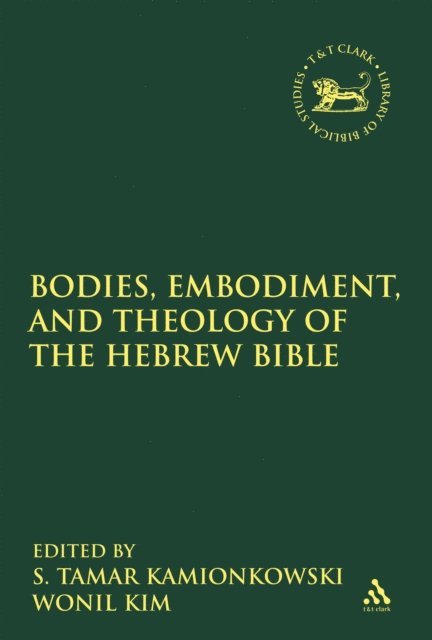
Bodies, Embodiment, and Theology of the Hebrew Bible
Av S. Tamar Kamionkowski, Wonil Kim
E-bok, 2010
546 kr
Lägg i varukorg
Recognizing that human experience is very much influenced by inhabiting bodies, the past decade has seen a surge in studies about representation of bodies in religious experience and human imaginations regarding the Divine. The understanding of embodiment as central to human experience has made a …
Bodies, Embodiment, and Theology of the Hebrew Bible
Av Tamar S. Kamionkowski, S. Tamar Kamionkowski m. fl.
Inbunden, 2010
2120 kr
Lägg i varukorg
Recognizing that human experience is very much influenced by inhabiting bodies, the past decade has seen a surge in studies about representation of bodies in religious experience and human imaginations regarding the Divine. The understanding of embodiment as central to human experience has made a …
Bodies, Embodiment, and Theology of the Hebrew Bible
Av S. Tamar Kamionkowski, Wonil Kim
Häftad, 2019
500 kr
Lägg i varukorg
Recognizing that human experience is very much influenced by inhabiting bodies, the past decade has seen a surge in studies about representation of bodies in religious experience and human imaginations regarding the Divine. The understanding of embodiment as central to human experience has made a …
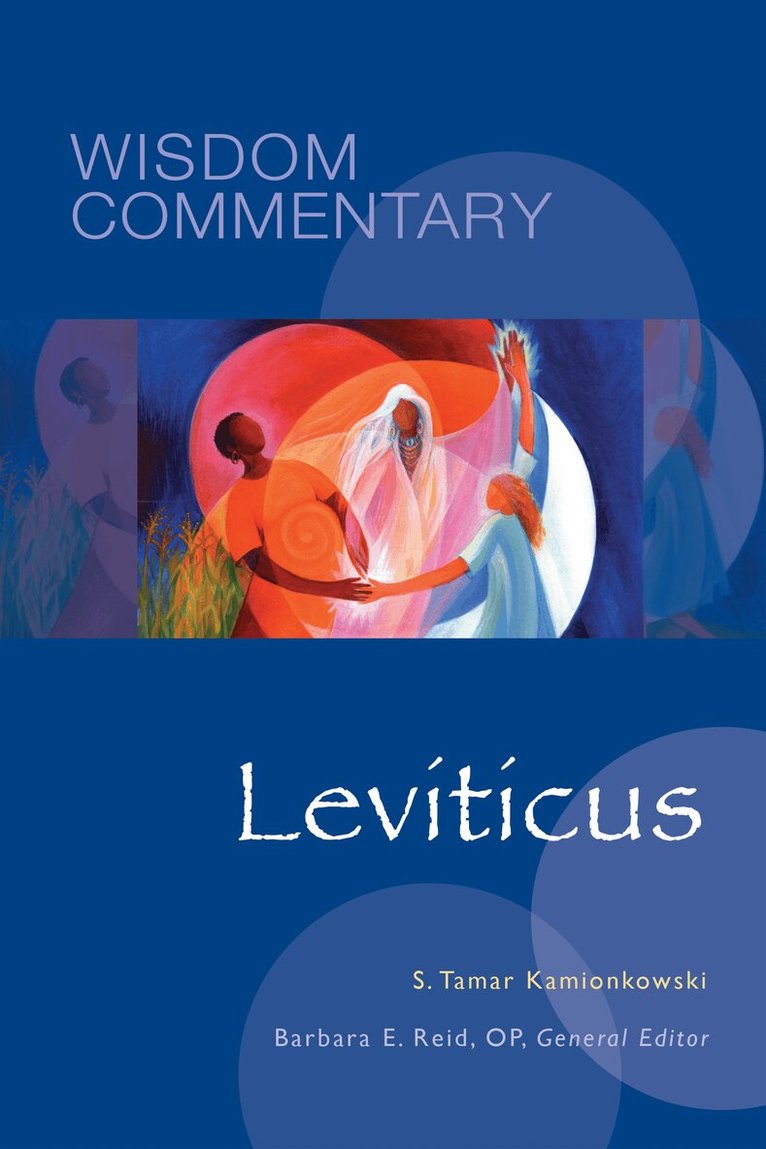
Leviticus
Av S. Tamar Kamionkowski, Barbara E. Reid OP
Inbunden, 2018
646 kr
Lägg i varukorg
The book of Leviticus provides two different theologies related to God’s presence within ancient Israel. Leviticus 1–16 was written by an elite caste of priests (P), and Leviticus 17–26 (H) was added to the book to “democratize” access to God. While the Priestly work has hardly inspired lay …
Leviticus
Av S. Tamar Kamionkowski, Barbara E. Reid
E-bok, 2018
688 kr
Lägg i varukorg
The book of Leviticus provides two different theologies related to God’s presence within ancient Israel. Leviticus 1–16 was written by an elite caste of priests (P), and Leviticus 17–26 (H) was added to the book to “democratize” access to God. While the Priestly work has hardly inspired lay …
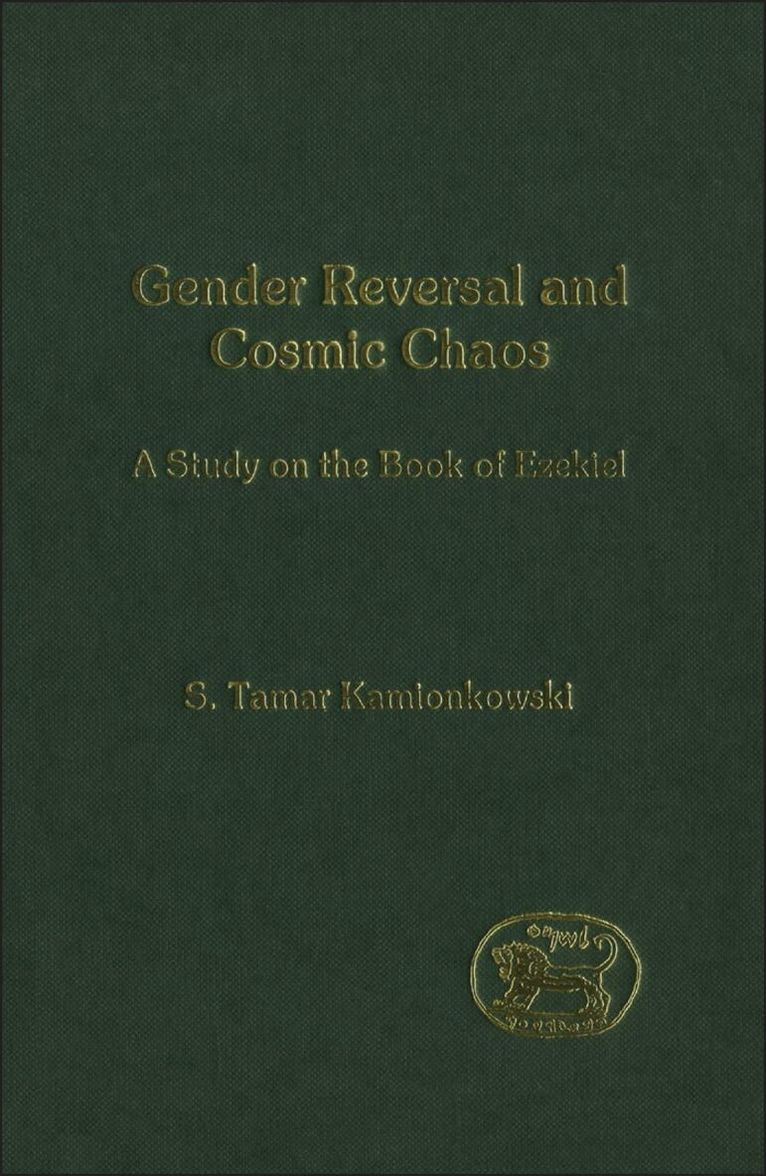
Gender Reversal and Cosmic Chaos
A Study in the Book of Ezekiel
Av S. Tamar Kamionkowski, Andrew Mein
Inbunden, 2003
2753 kr
Lägg i varukorg
This book is about both the fear of gender reversal and its expression in the prophet Ezekiel's reworking of the marital metaphor. Kamionkowski argues that the abomination of "wife Jerusalem" is that she is attempting to pass for a male, thereby crossing gender boundaries and upsetting the world …