Saadia M. Pekkanen – författare
Visar alla böcker från författaren Saadia M. Pekkanen. Handla med fri frakt och snabb leverans.
10 produkter
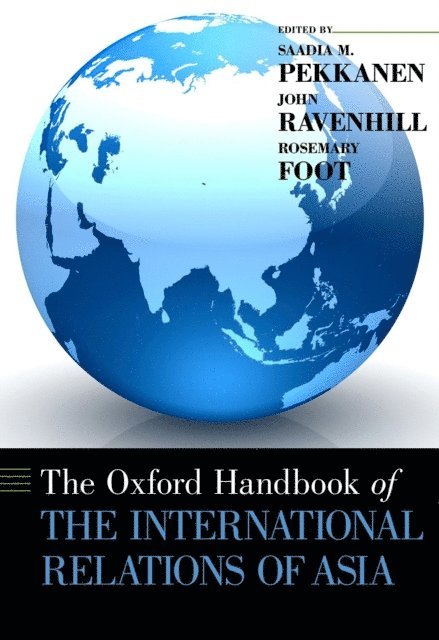
Oxford Handbook of the International Relations of Asia
Av Rosemary Foot, John Ravenhill m. fl.
E-bok, 2014
1888 kr
Lägg i varukorg
In the past quarter century, the importance of Asia in international relations has grown exponentially. This Handbook gathers the most important scholars in the field of Asia''s international relations to address this momentous change in world politics. The editors and contributors focus on three …
The Oxford Handbook of Space Security
Av Saadia M. Pekkanen, P.J. Blount
Inbunden, 2024
2411 kr
Lägg i varukorg
Space security is a complex assemblage of societal risks and benefits that result from space-based capabilities and is currently in a period of transformation as innovative processes are rapidly changing the underlying assumptions about stability in the space domain. New space-based technologies …
Oxford Handbook of Space Security
Av Saadia M. Pekkanen, P.J. Blount
E-bok, 2023
1888 kr
Lägg i varukorg
Space security is a complex assemblage of societal risks and benefits that result from space-based capabilities and is currently in a period of transformation as innovative processes are rapidly changing the underlying assumptions about stability in the space domain. New space-based technologies …
Oxford Handbook of Space Security
Av Saadia M. Pekkanen, P.J. Blount
E-bok, 2023
1888 kr
Lägg i varukorg
Space security is a complex assemblage of societal risks and benefits that result from space-based capabilities and is currently in a period of transformation as innovative processes are rapidly changing the underlying assumptions about stability in the space domain. New space-based technologies …
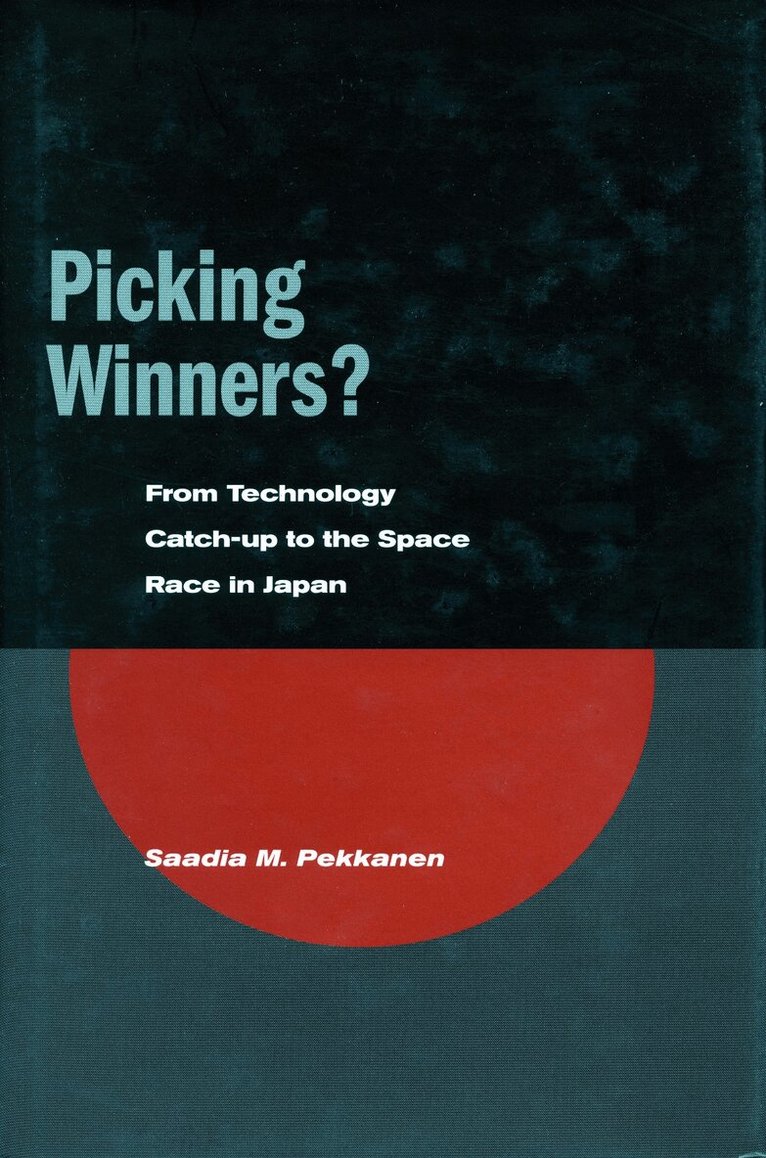
Picking Winners?
From Technology Catch-up to the Space Race in Japan
Inbunden, 2003
852 kr
Lägg i varukorg
How do governments choose which industries to favor? If governments are largely motivated by the national economic interest, then industrial selection would be biased in favor of picking winners. If, on the other hand, governments are motivated by an electoral and political logic, as is usually …
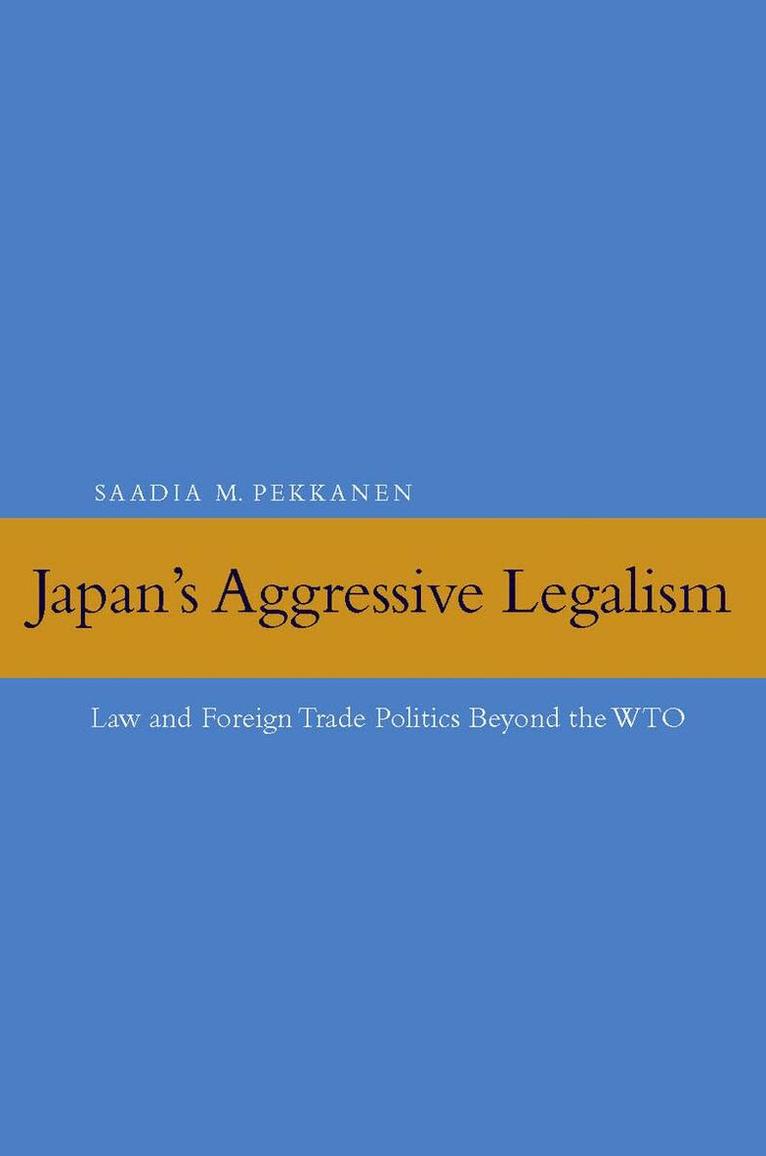
Japan's Aggressive Legalism
Law and Foreign Trade Politics Beyond the WTO
Inbunden, 2008
1354 kr
Lägg i varukorg
The ways in which law has interacted with concrete interests to reshape Japan's foreign trade politics at the start of the twenty-first century can best be characterized as aggressive legalism. Central to this transformation have been the beneficiaries of this ever more aggressive legalism—Japan's …
Japan's Aggressive Legalism
Law and Foreign Trade Politics Beyond the WTO
Häftad, 2008
317 kr
Lägg i varukorg
The ways in which law has interacted with concrete interests to reshape Japan's foreign trade politics at the start of the twenty-first century can best be characterized as aggressive legalism. Central to this transformation have been the beneficiaries of this ever more aggressive legalism—Japan's …
Picking Winners?
From Technology Catch-up to the Space Race in Japan
E-bok, 2003
999 kr
Lägg i varukorg
How do governments choose which industries to favor? If governments are largely motivated by the national economic interest, then industrial selection would be biased in favor of picking winners. If, on the other hand, governments are motivated by an electoral and political logic, as is usually …
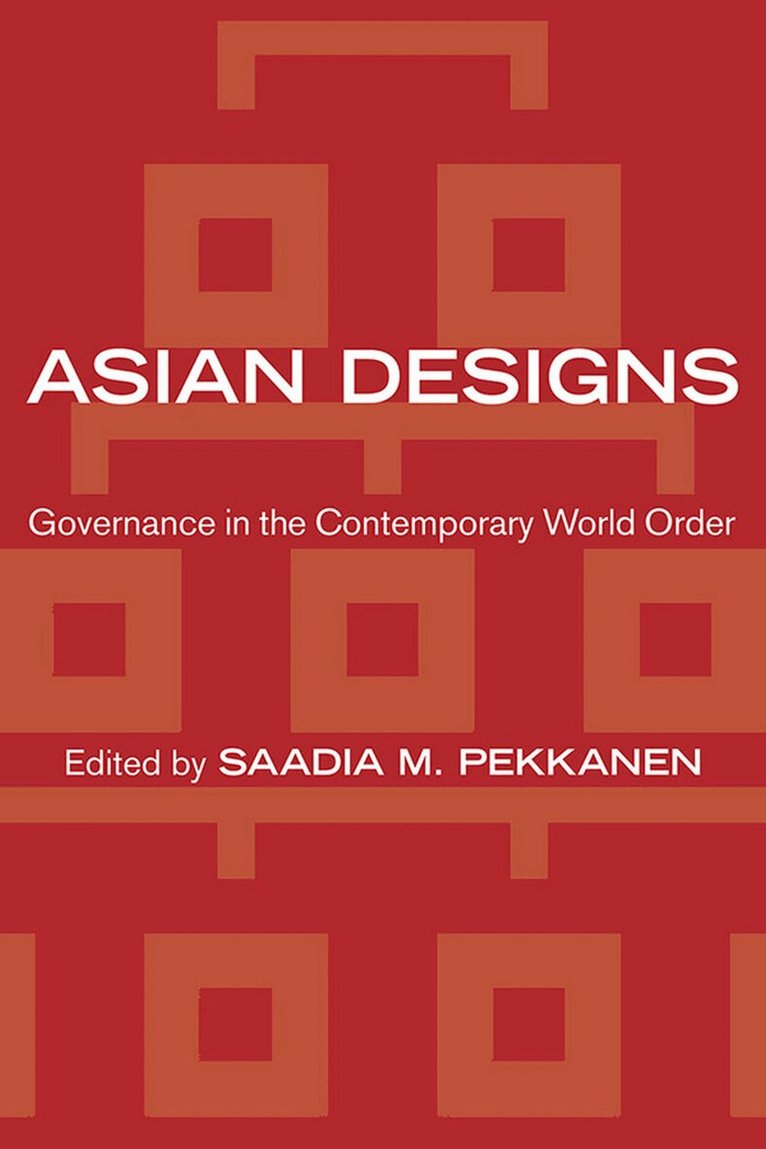
Asian Designs
Governance in the Contemporary World Order
Inbunden, 2016
1641 kr
Lägg i varukorg
Asian nations are no longer "rising" powers in the world order; they have risen. How will they conduct themselves in world politics? How will they deploy their considerable and growing power individually and collectively? These questions are critical for global governance. Conventional wisdom …
Asian Designs
Governance in the Contemporary World Order
Häftad, 2016
458 kr
Lägg i varukorg
Asian nations are no longer "rising" powers in the world order; they have risen. How will they conduct themselves in world politics? How will they deploy their considerable and growing power individually and collectively? These questions are critical for global governance. Conventional wisdom …