Sabine Zepperitz – författare
Visar alla böcker från författaren . Handla med fri frakt och snabb leverans.
5 produkter
5 produkter
Häftad, Engelska, 2021
558 kr
Skickas
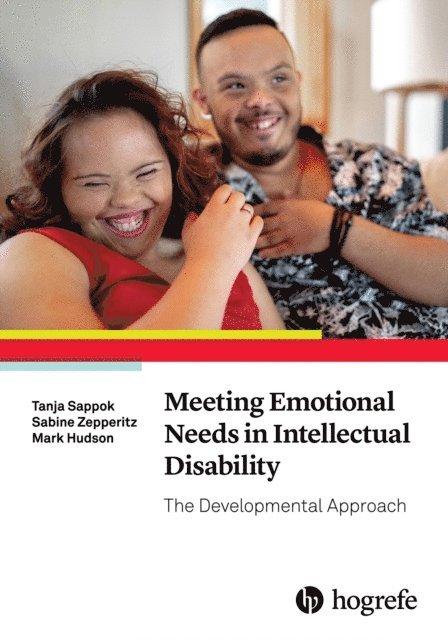
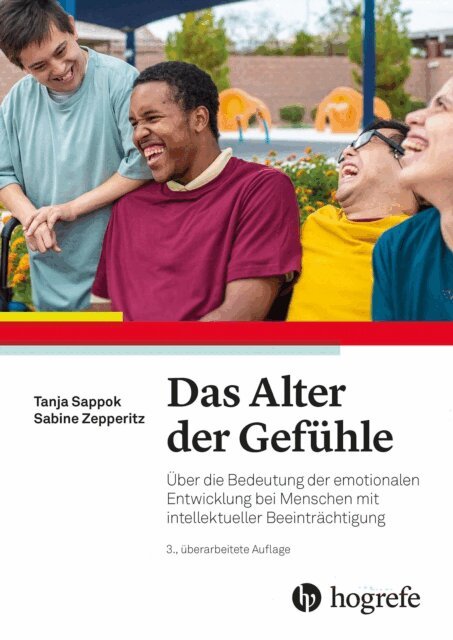
Using a developmental perspective, the authors offer a new, integrated model for supporting people with intellectual disability(ID). This concept builds upon recent advances in attachment informed approaches, by drawing upon a broader understanding of the social, emotional, and cognitive competencies of people with ID, which is grounded in developmental neuroscience andpsychology. The book explores in detail how challenging behaviour and mental health difficulties in people with ID arise when their basic emotional needs are not being met by those in the environment. Using individually tailored interventions, whichcomplement existing models of care, practitioners can help to facilitate maturational processes and reduce behaviour that ischallenging to others. As a result, the "fit" of a person within his or her individual environment can be improved. Case examplesthroughout the book illuminate how this approach works by targeting interventions towards the person's stage of emotionaldevelopment.This book will be of interest to a wide range of professionals working with people with ID, including: clinical psychologists,psychiatrists, occupational therapists, learning disability nurses, speech and language therapists, and teachers in special education settings, as well as parents and caregivers.
E-bok
Engelska, 2022325 kr
Läs direkt efter köp
Help adults with intellectual disabilities improve their mental health and quality of life- Introduces a new emotional development, evidence-based model- Details phases and milestones of development for people with ID- Explains challenging behaviour and mental health problems according to the model- Detailed guidance on how to apply the approach in practice- Full of case examplesMore about the bookUsing a developmental perspective, the authors offer a new, integrated model for supporting people with intellectual disability (ID). This concept builds upon recent advances in attachment-informed approaches, by drawing upon a broader understanding of the social, emotional, and cognitive competencies of people with ID, which is grounded in developmental neuroscience and psychology. The book explores in detail how challenging behaviour and mental health difficulties in people with ID arise when their basic emotional needs are not being met by those in the environment. Using individually tailored interventions, which complement existing models of care, practitioners can help to facilitate maturational processes and reduce behaviour that is challenging to others. As a result, the "fit" of a person within his or her individual environment can be improved. Case examples throughout the book illuminate how this approach works by targeting interventions towards the person''s stage of emotional development.This book will be of interest to a wide range of professionals working with people with ID, including: clinical psychologists, psychiatrists, occupational therapists, learning disability nurses, speech and language therapists, and teachers in special education settings, as well as parents and caregivers.
E-bok
PDF, Engelska, 2022325 kr
Läs direkt efter köp
Help adults with intellectual disabilities improve their mental health and quality of life- Introduces a new emotional development, evidence-based model- Details phases and milestones of development for people with ID- Explains challenging behaviour and mental health problems according to the model- Detailed guidance on how to apply the approach in practice- Full of case examplesMore about the bookUsing a developmental perspective, the authors offer a new, integrated model for supporting people with intellectual disability (ID). This concept builds upon recent advances in attachment-informed approaches, by drawing upon a broader understanding of the social, emotional, and cognitive competencies of people with ID, which is grounded in developmental neuroscience and psychology. The book explores in detail how challenging behaviour and mental health difficulties in people with ID arise when their basic emotional needs are not being met by those in the environment. Using individually tailored interventions, which complement existing models of care, practitioners can help to facilitate maturational processes and reduce behaviour that is challenging to others. As a result, the "fit" of a person within his or her individual environment can be improved. Case examples throughout the book illuminate how this approach works by targeting interventions towards the person''s stage of emotional development.This book will be of interest to a wide range of professionals working with people with ID, including: clinical psychologists, psychiatrists, occupational therapists, learning disability nurses, speech and language therapists, and teachers in special education settings, as well as parents and caregivers.
E-bok
Tyska, 2022385 kr
Läs direkt efter köp
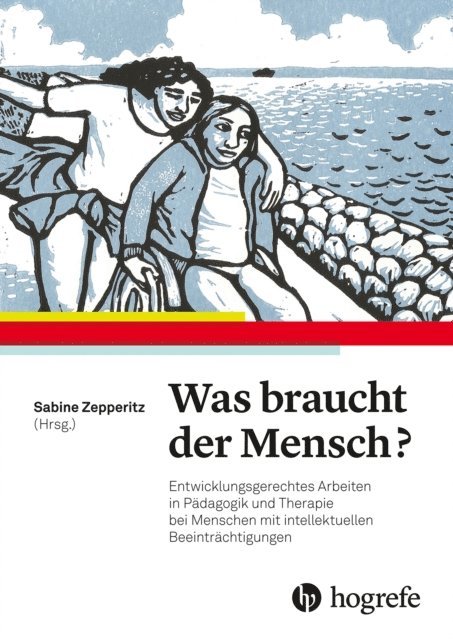
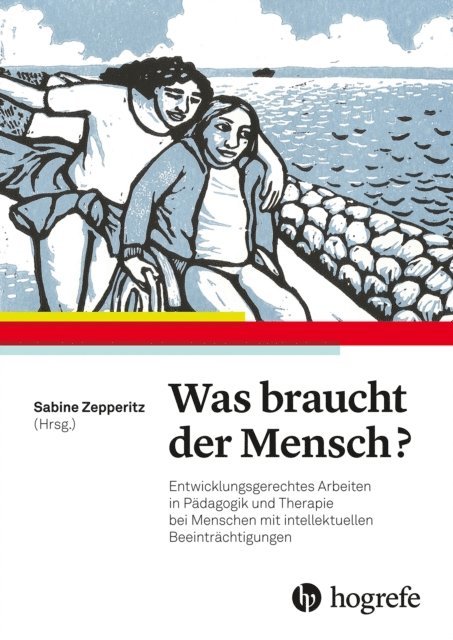
Das Buch "Was braucht der Mensch?" von Sabine Zepperitz stellt den Ansatz der emotionalen Entwicklung als Grundlagenkonzept in der pädagogischen Begleitung und therapeutischen Behandlung von Menschen mit intellektuellen Entwicklungsstörungen vor.Gemeinsam mit 13 Autor*innen beschreibt sie praxisnah, wie der Ansatz in der pädagogischen Arbeit im Alltag umgesetzt werden kann. Hierbei werden verschiedene pädagogische Themen anhand der Skala der Emotionalen Entwicklung - Diagnostik SEED aufbereitet.Das Buch gliedert sich in drei Teile:1.Theoretischer Hintergrund: Grundwissen zum emotionalen Entwicklungsansatz, zur Entwicklungsdiagnostik und zu den Grundlagen des entwicklungsbasierten Arbeitens.- 2.Anwendung in der pädagogischen Arbeit: Die Autor*innen beschreiben praxisnah die Umsetzung des Ansatzes zu den Themen- •Alltagsbegleitung- •Internet und soziale Medien- •Interaktion und Kommunikation- •Deeskalation- •Sexualität- •Trauer- •Trauma- •Autismus- •Demenz- •Assistenzmodell nach Willem Kleine Schaars (WKS)- •Wohngruppenkonzept- und geben hierzu praktische Empfehlungen zur Umsetzung in den sechs SEED-Phasen.3.Anwendung in der therapeutischen Arbeit: Die Autor*innen beschreiben SEED-basiertes Arbeiten in den Bereichen Tanz-, Musik- und Psychotherapie sowie in der Supervision von Teams in der Behindertenhilfe."Diese ansprechende Einladung zum entwicklungsbasierten Denken und Arbeiten ist inspirierend und bietet zahlreiche Möglichkeiten, die eigene Art der Interaktion kritisch zu reflektieren und zu erweitern."PD Dr. Tanja Sappok, Chefärztin am Behandlungszentrum für -psychische Gesundheit bei Entwicklungsstörungen am Ev. Krankenhaus Königin Elisabeth Herzberge, Berlin
E-bok
PDF, Tyska, 2022385 kr
Läs direkt efter köp
Das Buch "Was braucht der Mensch?" von Sabine Zepperitz stellt den Ansatz der emotionalen Entwicklung als Grundlagenkonzept in der pädagogischen Begleitung und therapeutischen Behandlung von Menschen mit intellektuellen Entwicklungsstörungen vor.Gemeinsam mit 13 Autor*innen beschreibt sie praxisnah, wie der Ansatz in der pädagogischen Arbeit im Alltag umgesetzt werden kann. Hierbei werden verschiedene pädagogische Themen anhand der Skala der Emotionalen Entwicklung - Diagnostik SEED aufbereitet.Das Buch gliedert sich in drei Teile:1.Theoretischer Hintergrund: Grundwissen zum emotionalen Entwicklungsansatz, zur Entwicklungsdiagnostik und zu den Grundlagen des entwicklungsbasierten Arbeitens.- 2.Anwendung in der pädagogischen Arbeit: Die Autor*innen beschreiben praxisnah die Umsetzung des Ansatzes zu den Themen- •Alltagsbegleitung- •Internet und soziale Medien- •Interaktion und Kommunikation- •Deeskalation- •Sexualität- •Trauer- •Trauma- •Autismus- •Demenz- •Assistenzmodell nach Willem Kleine Schaars (WKS)- •Wohngruppenkonzept- und geben hierzu praktische Empfehlungen zur Umsetzung in den sechs SEED-Phasen.3.Anwendung in der therapeutischen Arbeit: Die Autor*innen beschreiben SEED-basiertes Arbeiten in den Bereichen Tanz-, Musik- und Psychotherapie sowie in der Supervision von Teams in der Behindertenhilfe."Diese ansprechende Einladung zum entwicklungsbasierten Denken und Arbeiten ist inspirierend und bietet zahlreiche Möglichkeiten, die eigene Art der Interaktion kritisch zu reflektieren und zu erweitern."PD Dr. Tanja Sappok, Chefärztin am Behandlungszentrum für -psychische Gesundheit bei Entwicklungsstörungen am Ev. Krankenhaus Königin Elisabeth Herzberge, Berlin