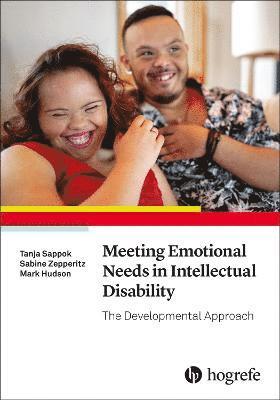
Häftad, Engelska, 2021
Meeting Emotional Needs in Intellectual Disability
The Developmental Approach
Av Tanja Sappok, Sabine Zepperitz, Mark Hudson
575 kr
Skickas onsdag 11/11. Fri frakt över 249 kr.
Beskrivning
Produktinformation
- Utgivningsdatum: 2021-09-01
- Mått: 178 x 254 x 15 mm
- Vikt: 454 g
- Format: Häftad
- Språk: Engelska
- Antal sidor: 192
- Förlag: Hogrefe Publishing
- ISBN: 9780889375895
Utforska kategorier
Mer om författaren
Tanja Sappok, MD, heads the Berlin Treatment Center for Mental Health in Developmental Disabilities at the Ev. Krankenhaus Koenigin Elisabeth Herzberge as chief physician. Clinical and scientific fields of work include autism spectrum disorders, emotional dvelopment disorders, behavioural disorders, and dementia. She is president of the European Association for Mental Health in Intellectual Disability (EAMHID) and vice president of the German Society for Mental Health with Mental Disability (DGSGB) and teaches psychiatry at the medical faculty of the Charite, Berlin.Sabine Zepperitz, Dipl.-pad, is a systemic therapist and trauma consultant and leads pedagogical staff at the Berlin Treatment Center for Mental Health in Developmental Disorders at the Ev. Krankenhaus Koenigin Elisabeth Herzberge. She works primarily with people with moderate to severe intellectual disabilities and trains facilitators for SED-S diagnostics and counselling in a series of workshops. She has been offering advanced training for caregivers and team consultations in the support for people with disabilities for several years.Dr Mark Hudson, DClinPsy, is a practising clinical psychologist and assistant professor of clinical psychology at the University of Nottingham, UK, where he carries out teaching and research. He works in both a community child and adolescent mental health service and a specialist community team for children with ID. Dr Hudson currently co-leads the Elizabeth Newson Centre, providing specialist assessments to families where a child has developmental difficulties.
Recensioner i media
This clear, scientifically rigorous and practical approach has the potential to radically improve our care of this most deserving group of people with intellectual disabilities. I cannot recommend it more highly to professionals working in the field.;Allan Skelly, PhD, PsychD, AFBPS, Consultant Clinical Psychologist, Gateshead, UK, & Former Chair of The Faculty for People with intellectual Disabilities, British Psychological Society; How can we help those with intellectual disability (ID) live in the world and relate to those around them in the most content and happy way possible? What can we do to help them thrive? Sappok (a medical doctor), Zapperitz (a behavioral specialist), and Hudson (a clinical psychologist), have used the emotional development approach to understand challenging behaviors encountered at different stages of development in those with an intellectual disability. This detailed book, of use to clinicians, physicians, psychologists, psychiatrists, physical/speech/language/occupational therapists, mental health professionals, learning disability nurses, special education teachers, dentists, parents, families and caregivers, gives us a useful road map for understanding developmental stages and needs over the lifetime. It is especially valuable in that it provides suggestions, ideas and solutions for how to deal effectively with challenging behaviors in those with ID. ;Marcie Parker, PhD, CFLE, Excelsior, MN, USA, in Issues in Mental Health Nursing (2022), 43, 390-391;
Betyg & recensioner
0 recensioner
Inga recensioner tillgängliga.