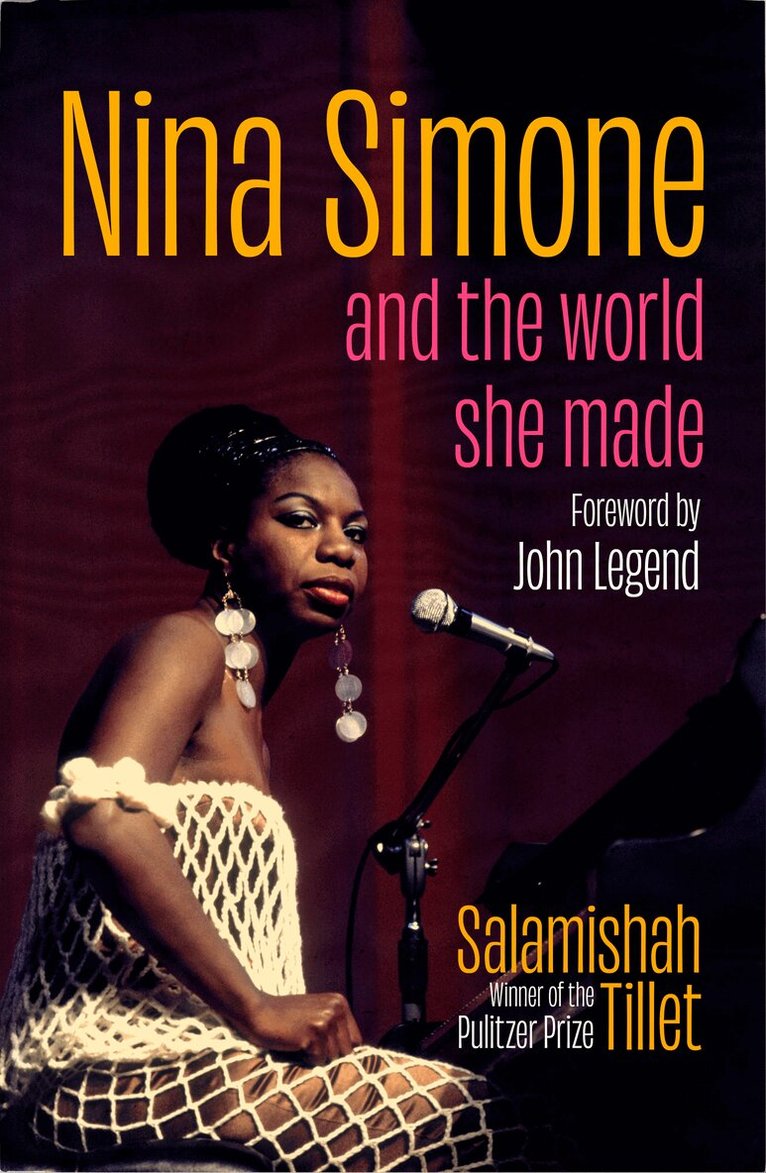
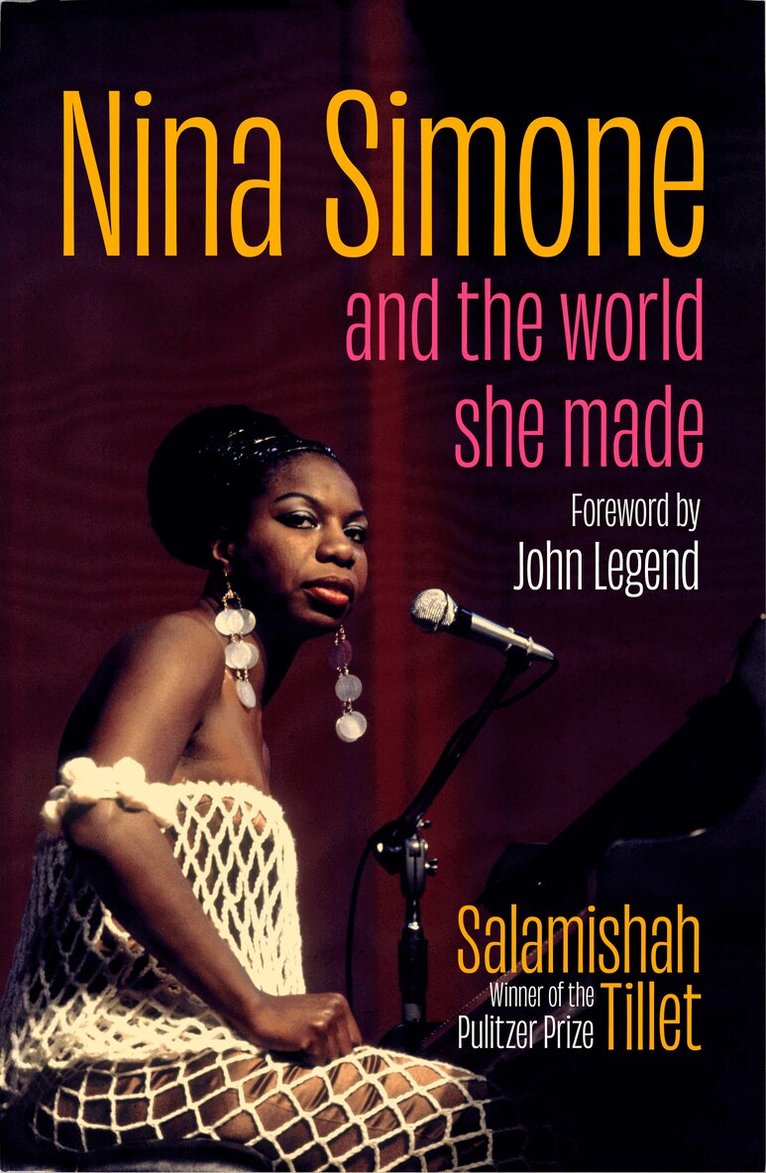
Pulitzer Prize-winning writer Salamishah Tillet explores Nina Simone’s life and the impact of her legacy, in a lyrical blend of biography, criticism and memoir. In Nina Simone and the World She Made, Salamishah Tillet traces Simone’s transformation from Eunice Waymon, child prodigy, to Nina Simone, musical icon and fearless Civil Rights activist. When racism thwarted her dreams of becoming a classical pianist, Simone reinvented herself and began blending her classical training with jazz, blues, and gospel to create a sound wholly her own – one that would catapult her to stardom, and into the heart of the Black Power movement.Tillet explores Simone’s unique impact on culture and politics through the women who shaped her – including her piano teacher, musical precursors such as Billie Holiday, and the playwright Lorraine Hansberry – and through those shaped by Simone, including Lauryn Hill and Tillet herself, who bought her first Nina Simone album as an undergraduate. By threading these stories of creative and political awakening together, we see art as a powerful driver of activism, and the struggles and sacrifices it can involve.With unflinching honesty and lyrical prose, Tillet shows us how Simone’s music captured the pain and promise of America, and how her voice continues to resonate in the fight for equality today. Both a tribute to genius and a call to action, this piercing book urges us to listen to Simone’s music not just as a reflection of the past, but as a guide for the future.
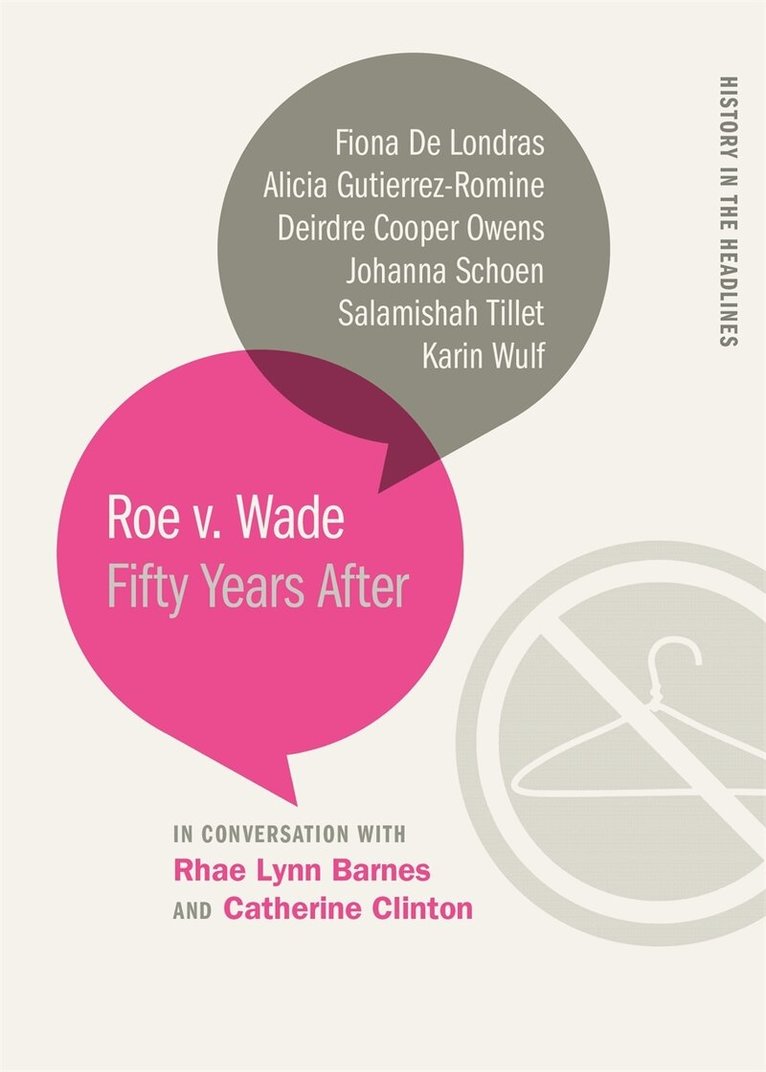
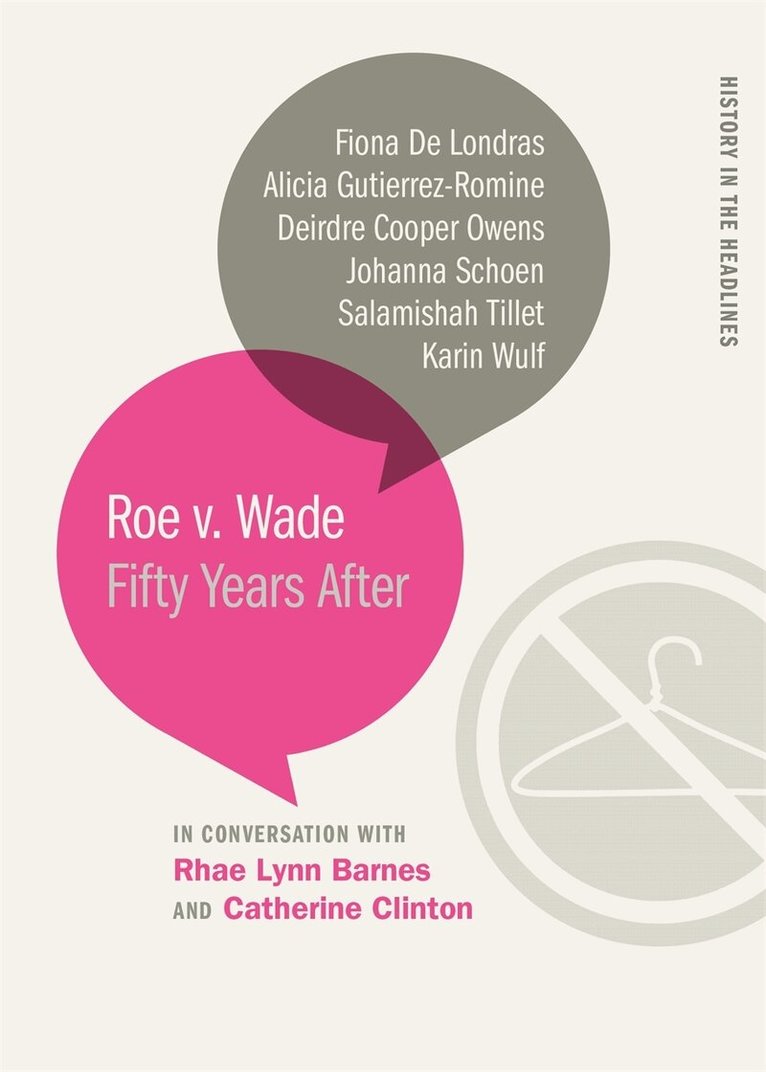
Just over fifty years ago on January 22, 1973, the United States Supreme Court decision on Roe v. Wade assured millions of women that abortion was a protected constitutional right due to a woman’s right to privacy. In the context of the burgeoning women’s rights movement, it seemed like an inalienable victory: women might become equal to men in their right to determine what would happen to their bodies. This was a hard-won fight that reached back to colonial America and slavery, but on June 24, 2022, the decision was shockingly reversed by the Supreme Court in Dobbs v. Jackson Women’s Health Organization. What happened? What transpired socially, politically, legally, in religious institutions and in popular culture in the half-century when “the right to choose” led to this stunning transformation in American society? Roe v. Wade: Fifty Years After, coedited by Rhae Lynn Barnes and Catherine Clinton for the History in the Headlines series, brings together a team of world-renowned scholars, prizewinning historians, and Pulitzer Prize-winning public intellectuals who specialize in reproductive history. They assembled at Harvard University in the weeks following the Dobbs decision to talk through the centuries-long history of abortion in what became the United States, how its representation changed in the law and popular culture, and how a wellspring of social movements on both the right and left led to a fifty-year showdown over some of the most outstanding human questions: What is life? When does it begin? Who has the right to end it? Who has the right to determine what happens to someone else’s body? How can the law define and restrict women’s reproductive health? And how have race, class, geography, sexuality, and other factors shaped who gets to be a part of answering these questions? The international impact of the struggles for reproductive freedom for women within the United States comes into sharp focus within this important volume, shedding light on past, present, and future dimensions of reproductive freedom for all Americans.
More than forty years after the major victories of the civil rights movement, African Americans have a vexed relation to the civic myth of the United States as the land of equal opportunity and justice for all. In Sites of Slavery Salamishah Tillet examines how contemporary African American artists and intellectuals-including Annette Gordon-Reed, Barbara Chase-Riboud, Bill T. Jones, Carrie Mae Weems, and Kara Walker-turn to the subject of slavery in order to understand and challenge the ongoing exclusion of African Americans from the founding narratives of the United States. She explains how they reconstruct "sites of slavery"-contested figures, events, memories, locations, and experiences related to chattel slavery-such as the allegations of a sexual relationship between Thomas Jefferson and Sally Hemings, the characters Uncle Tom and Topsy in Harriet Beecher Stowe's novel Uncle Tom's Cabin, African American tourism to slave forts in Ghana and Senegal, and the legal challenges posed by reparations movements. By claiming and recasting these sites of slavery, contemporary artists and intellectuals provide slaves with an interiority and subjectivity denied them in American history, register the civic estrangement experienced by African Americans in the post–civil rights era, and envision a more fully realized American democracy.
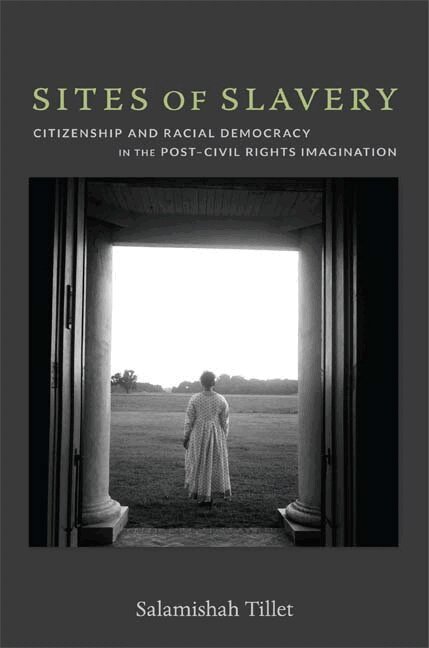
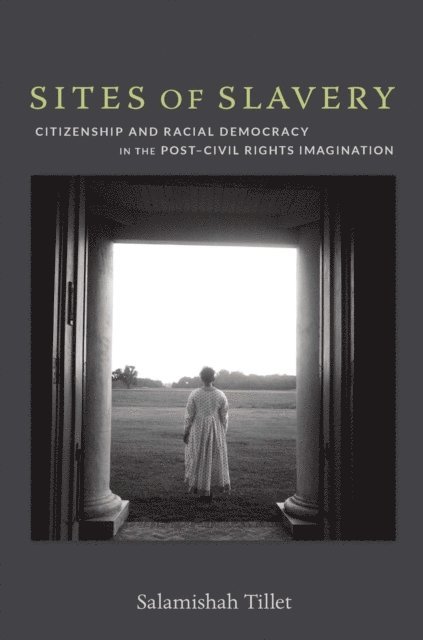
More than forty years after the major victories of the civil rights movement, African Americans have a vexed relation to the civic myth of the United States as the land of equal opportunity and justice for all. In Sites of Slavery Salamishah Tillet examines how contemporary African American artists and intellectuals—including Annette Gordon-Reed, Barbara Chase-Riboud, Bill T. Jones, Carrie Mae Weems, and Kara Walker—turn to the subject of slavery in order to understand and challenge the ongoing exclusion of African Americans from the founding narratives of the United States. She explains how they reconstruct "sites of slavery"—contested figures, events, memories, locations, and experiences related to chattel slavery—such as the allegations of a sexual relationship between Thomas Jefferson and Sally Hemings, the characters Uncle Tom and Topsy in Harriet Beecher Stowe''s novel Uncle Tom''s Cabin, African American tourism to slave forts in Ghana and Senegal, and the legal challenges posed by reparations movements. By claiming and recasting these sites of slavery, contemporary artists and intellectuals provide slaves with an interiority and subjectivity denied them in American history, register the civic estrangement experienced by African Americans in the post–civil rights era, and envision a more fully realized American democracy.
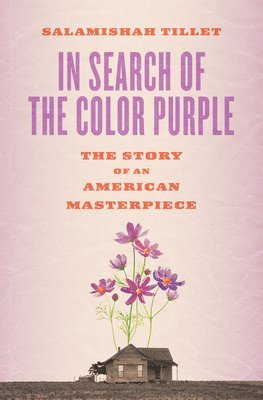
Mixing cultural criticism, literary history, biography, and memoir in an exploration of Alice Walker’s critically acclaimed and controversial novel, The Color Purple Alice Walker made history in 1982 when she became the first black woman to win the Pulitzer Prize and the National Book Award, both for The Color Purple.Published in the Reagan Era amid a severe backlash to civil rights, thejazz age novel tells the story of an African-American woman haunted by domestic and sexual violence.Prominent academic and activist Salamishah Tillet combines cultural criticism, history, and memoir to explore Walker’s epistolary novel, andshows how it has influenced and been informed by the zeitgeist of the time. The Color Purple received both praise and criticism upon publication, and the conversation it sparked around race and gender still continues today. It has been adapted for an Oscar-nominated film and a hit Broadway musical. Through interviews with Walker, Oprah Winfrey, Quincy Jones, and others, as well as archival research, Tillet studies Walker’s life and the origins of her subjects, including violence, sexuality, gender, and politics. Reading The Color Purpleat age 15 was a groundbreaking experience for Tillet. It continues to resonate with her—as a sexual violence survivor, as a teacher of the novel, and as an accomplished academic. Provocative and personal, In Search of the Color Purple is a bold work from an important public intellectual.