Sally Matthews – författare
Visar alla böcker från författaren Sally Matthews. Handla med fri frakt och snabb leverans.
6 produkter
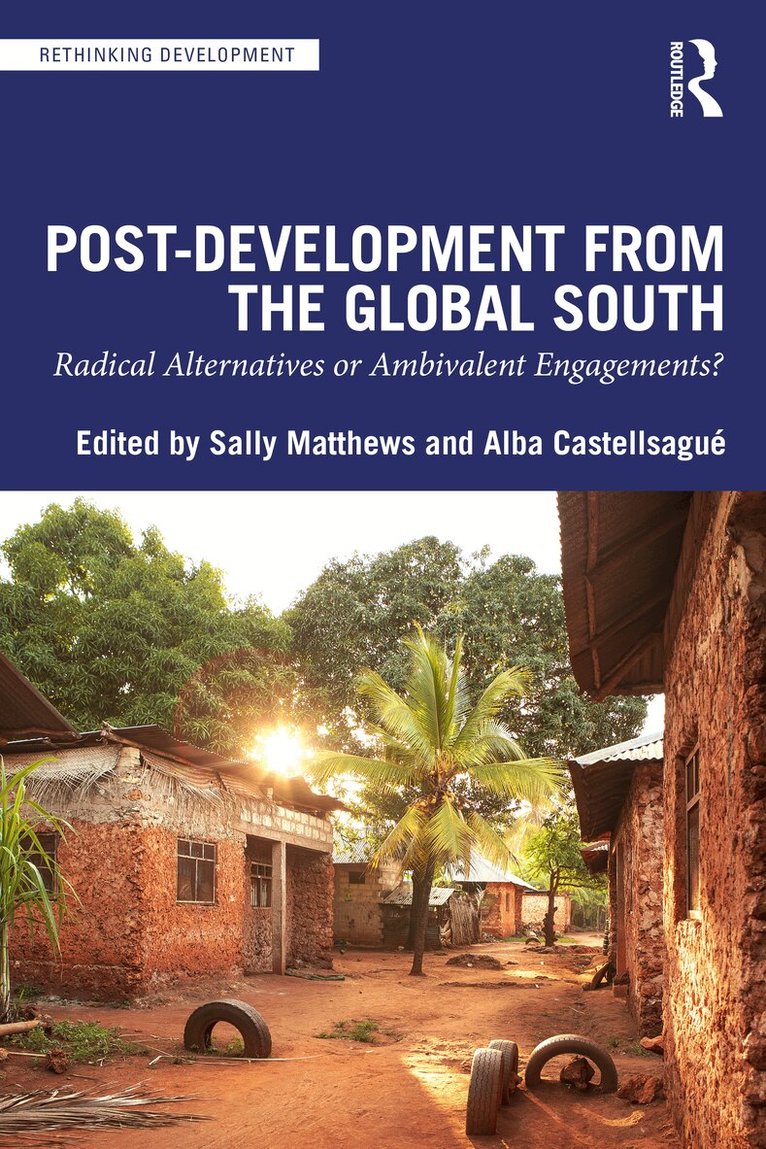
Post-Development from the Global South
Radical Alternatives or Ambivalent Engagements?
Av Sally Matthews, Alba Castellsagué
Häftad, 2025
647 kr
Lägg i varukorg
Post-development advocates and decolonial thinkers are calling for radical alternatives to development, but how do these ideals sit with the day-to-day reality of marginalised communities struggling with poverty, precarity, and the deprivation of human rights?This book investigates how …
Post-Development from the Global South
Radical Alternatives or Ambivalent Engagements?
Av Sally Matthews, Alba Castellsagué
Inbunden, 2025
2510 kr
Lägg i varukorg
Post-development advocates and decolonial thinkers are calling for radical alternatives to development, but how do these ideals sit with the day-to-day reality of marginalised communities struggling with poverty, precarity, and the deprivation of human rights?This book investigates how …
Post-Development from the Global South
Radical Alternatives or Ambivalent Engagements?
Av Alba Castellsague, Sally Matthews
E-bok, 2025
762 kr
Lägg i varukorg
Post-development advocates and decolonial thinkers are calling for radical alternatives to development, but how do these ideals sit with the day-to-day reality of marginalised communities struggling with poverty, precarity, and the deprivation of human rights? This book investigates how …
Post-Development from the Global South
Radical Alternatives or Ambivalent Engagements?
Av Alba Castellsague, Sally Matthews
E-bok, 2025
746 kr
Lägg i varukorg
Post-development advocates and decolonial thinkers are calling for radical alternatives to development, but how do these ideals sit with the day-to-day reality of marginalised communities struggling with poverty, precarity, and the deprivation of human rights? This book investigates how …
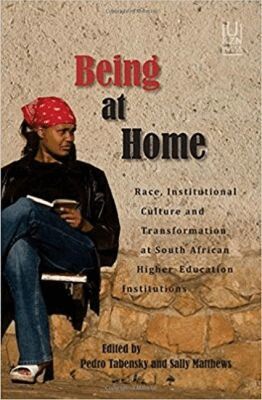
Being at Home
Race, Institutional Culture and Transformation at South African Higher Education Institutions
Av Pedro Tabensky, Sally Matthews
Häftad, 2015
277 kr
Lägg i varukorg
Being at ‘Home’ stimulates careful conversation about some of the most pressing issues facing higher education institutions in South Africa today – race, transformation and institutional culture.While there are many reasons to be despondent about the current state of affairs in the South African …
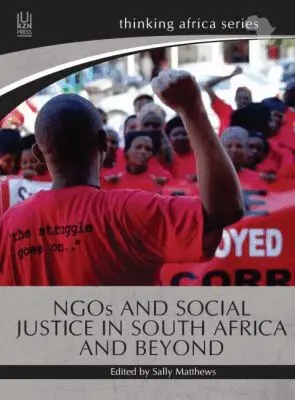
NGOs and Social Justice in South Africa and Beyond
Thinking Africa series
Av Sally Matthews, Sally Matthews
Häftad, 2017
302 kr
Tillfälligt slut
Non-Governmental Organisations (NGOs) are regarded by many as vital role players in improving the lives of the poor and bringing about social justice. This book includes contributions from NGO workers, academics and social movement activists in order to provide varying perspectives on what possible …