Salma Monani - Böcker
Visar alla böcker från författaren Salma Monani. Handla med fri frakt och snabb leverans.
9 produkter
9 produkter
818 kr
Skickas inom 10-15 vardagar
This book addresses the intersections between the interdisciplinary realms of Ecocriticism and Indigenous and Native American Studies, and between academic theory and pragmatic eco-activism conducted by multiethnic and indigenous communities. It illuminates the multi-layered, polyvocal ways in which artistic expressions render ecological connections, drawing on scholars working in collaboration with Indigenous artists from all walks of life, including film, literature, performance, and other forms of multimedia to expand existing conversations. Both local and global in its focus, the volume includes essays from multiethnic and Indigenous communities across the world, visiting topics such as Navajo opera, Sami film production history, south Indian tribal documentary, Maori art installations, Native American and First Nations science-fiction literature and film, Amazonian poetry, and many others. Highlighting trans-Indigenous sensibilities that speak to worldwide crises of environmental politics and action against marginalization, the collection alerts readers to movements of community resilience and resistance, cosmological thinking about inter- and intra-generational multi-species relations, and understandings of indigenous aesthetics and material ecologies. It engages with emerging environmental concepts such as multispecies ethnography, cosmopolitics, and trans-indigeneity, as well as with new areas of ecocritical research such as material ecocriticism, biosemiotics, and media studies. In its breadth and scope, this book promises new directions for ecocritical thought and environmental humanities practice, providing thought-provoking insight into what it means to be human in a locally situated, globally networked, and cosmologically complex world.
2 216 kr
Skickas inom 10-15 vardagar
Ecocinema Theory and Practice is the first collection of its kind—an anthology that offers a comprehensive introduction to the rapidly growing field of eco-film criticism, a branch of critical scholarship that investigates cinema’s intersections with environmental understandings. It references seminal readings through cutting edge research and is designed as an introduction to the field as well as a sourcebook. It defines ecocinema studies, sketches its development over the past twenty years, provides theoretical frameworks for moving forward, and presents eloquent examples of the practice of eco-film criticism through essays written by the field’s leading and emerging scholars. From explicitly environmental films such as Werner Herzong's Grizzly Man and Roland Emmerich's The Day After Tomorrow to less obvious examples like Errol Morris's Fast, Cheap & Out of Control and Christopher Nolan's Inception, the pieces in this collection comprehensively interrogate the breadth of ecocinema. Ecocinema Theory and Practice also directs readers to further study through lists of recommended readings, professional organizations, and relevant periodicals.
770 kr
Skickas inom 10-15 vardagar
Ecocinema Theory and Practice is the first collection of its kind—an anthology that offers a comprehensive introduction to the rapidly growing field of eco-film criticism, a branch of critical scholarship that investigates cinema’s intersections with environmental understandings. It references seminal readings through cutting edge research and is designed as an introduction to the field as well as a sourcebook. It defines ecocinema studies, sketches its development over the past twenty years, provides theoretical frameworks for moving forward, and presents eloquent examples of the practice of eco-film criticism through essays written by the field’s leading and emerging scholars. From explicitly environmental films such as Werner Herzong's Grizzly Man and Roland Emmerich's The Day After Tomorrow to less obvious examples like Errol Morris's Fast, Cheap & Out of Control and Christopher Nolan's Inception, the pieces in this collection comprehensively interrogate the breadth of ecocinema. Ecocinema Theory and Practice also directs readers to further study through lists of recommended readings, professional organizations, and relevant periodicals.
535 kr
Skickas inom 10-15 vardagar
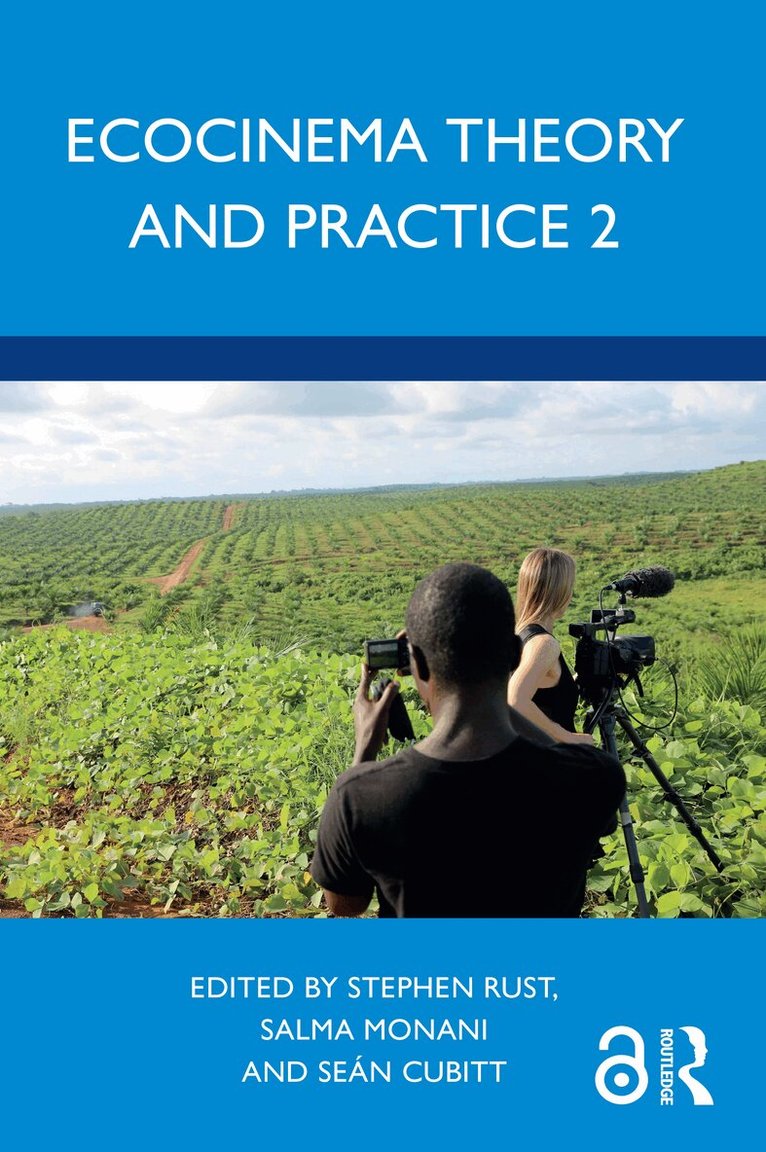
This second volume builds on the initial groundwork laid by Ecocinema Theory and Practice by examining the ways in which ecocritical cinema studies have matured and proliferated over the last decade, opening whole new areas of study and research.Featuring fourteen new essays organized into three sections around the themes of cinematic materialities, discourses, and communities, the volume explores a variety of topics within ecocinema studies from examining specific national and indigenous film contexts to discussing ecojustice, environmental production studies, film festivals, and political ecology. The breadth of the contributions exemplifies how ecocinema scholars worldwide have sought to overcome the historical legacy of binary thinking and intellectual norms and are working to champion new ecocritical, intersectional, decolonial, queer, feminist, Indigenous, vitalist, and other emergent theories and cinematic practices. The collection also demonstrates the unique ways that cinema studies scholarship is actively addressing environmental injustice and the climate crisis.This book is an invaluable resource for students and scholars of ecocritical film and media studies, production studies, cultural studies, and environmental studies.The Open Access version of this book, available at www.taylorfrancis.com, has been made available under a Creative Commons Attribution-Non Commercial-No Derivatives 4.0 license.
1 886 kr
Skickas inom 10-15 vardagar
This second volume builds on the initial groundwork laid by Ecocinema Theory and Practice by examining the ways in which ecocritical cinema studies have matured and proliferated over the last decade, opening whole new areas of study and research.Featuring fourteen new essays organized into three sections around the themes of cinematic materialities, discourses, and communities, the volume explores a variety of topics within ecocinema studies from examining specific national and indigenous film contexts to discussing ecojustice, environmental production studies, film festivals, and political ecology. The breadth of the contributions exemplifies how ecocinema scholars worldwide have sought to overcome the historical legacy of binary thinking and intellectual norms and are working to champion new ecocritical, intersectional, decolonial, queer, feminist, Indigenous, vitalist, and other emergent theories and cinematic practices. The collection also demonstrates the unique ways that cinema studies scholarship is actively addressing environmental injustice and the climate crisis.This book is an invaluable resource for students and scholars of ecocritical film and media studies, production studies, cultural studies, and environmental studies.The Open Access version of this book, available at www.taylorfrancis.com, has been made available under a Creative Commons Attribution-Non Commercial-No Derivatives 4.0 license.
2 289 kr
Skickas inom 10-15 vardagar
Ecomedia: Key Issues is a comprehensive textbook introducing the burgeoning field of ecomedia studies to provide an overview of the interface between environmental issues and the media globally. Linking the world of media production, distribution, and consumption to environmental understandings, the book addresses ecological meanings encoded in media texts, the environmental impacts of media production, and the relationships between media and cultural perceptions of the environment.Each chapter introduces a distinct type of media, addressing it in a theoretical overview before engaging with specific case studies. In this way, the book provides an accessible introduction to each form of media as well as a sophisticated analysis of relevant cases. The book includes contributions from a combination of new voices and well-established media scholars from across the globe who examine the basic concepts and key issues of ecomedia studies. The concepts of "frames," "flow", and "convergence" structure a dynamic collection divided into three parts. The first part addresses traditional visual texts, such as comics, photography, and film. The second part of the book addresses traditional broadcast media, such as radio, and television, and the third part looks at new media, such as advertising, video games, the internet, and digital renderings of scientific data.In its breadth and scope, Ecomedia: Key Issues presents a unique survey of rich scholarship at the confluence of Media Studies and Environmental Studies. The book is written in an engaging and accessible style, with each chapter including case studies, discussion questions and suggestions for further reading.
725 kr
Skickas inom 10-15 vardagar
Ecomedia: Key Issues is a comprehensive textbook introducing the burgeoning field of ecomedia studies to provide an overview of the interface between environmental issues and the media globally. Linking the world of media production, distribution, and consumption to environmental understandings, the book addresses ecological meanings encoded in media texts, the environmental impacts of media production, and the relationships between media and cultural perceptions of the environment.Each chapter introduces a distinct type of media, addressing it in a theoretical overview before engaging with specific case studies. In this way, the book provides an accessible introduction to each form of media as well as a sophisticated analysis of relevant cases. The book includes contributions from a combination of new voices and well-established media scholars from across the globe who examine the basic concepts and key issues of ecomedia studies. The concepts of "frames," "flow", and "convergence" structure a dynamic collection divided into three parts. The first part addresses traditional visual texts, such as comics, photography, and film. The second part of the book addresses traditional broadcast media, such as radio, and television, and the third part looks at new media, such as advertising, video games, the internet, and digital renderings of scientific data.In its breadth and scope, Ecomedia: Key Issues presents a unique survey of rich scholarship at the confluence of Media Studies and Environmental Studies. The book is written in an engaging and accessible style, with each chapter including case studies, discussion questions and suggestions for further reading.
2 709 kr
Skickas inom 10-15 vardagar
This book addresses the intersections between the interdisciplinary realms of Ecocriticism and Indigenous and Native American Studies, and between academic theory and pragmatic eco-activism conducted by multiethnic and indigenous communities. It illuminates the multi-layered, polyvocal ways in which artistic expressions render ecological connections, drawing on scholars working in collaboration with Indigenous artists from all walks of life, including film, literature, performance, and other forms of multimedia to expand existing conversations. Both local and global in its focus, the volume includes essays from multiethnic and Indigenous communities across the world, visiting topics such as Navajo opera, Sami film production history, south Indian tribal documentary, Maori art installations, Native American and First Nations science-fiction literature and film, Amazonian poetry, and many others. Highlighting trans-Indigenous sensibilities that speak to worldwide crises of environmental politics and action against marginalization, the collection alerts readers to movements of community resilience and resistance, cosmological thinking about inter- and intra-generational multi-species relations, and understandings of indigenous aesthetics and material ecologies. It engages with emerging environmental concepts such as multispecies ethnography, cosmopolitics, and trans-indigeneity, as well as with new areas of ecocritical research such as material ecocriticism, biosemiotics, and media studies. In its breadth and scope, this book promises new directions for ecocritical thought and environmental humanities practice, providing thought-provoking insight into what it means to be human in a locally situated, globally networked, and cosmologically complex world.
283 kr
Skickas inom 7-10 vardagar
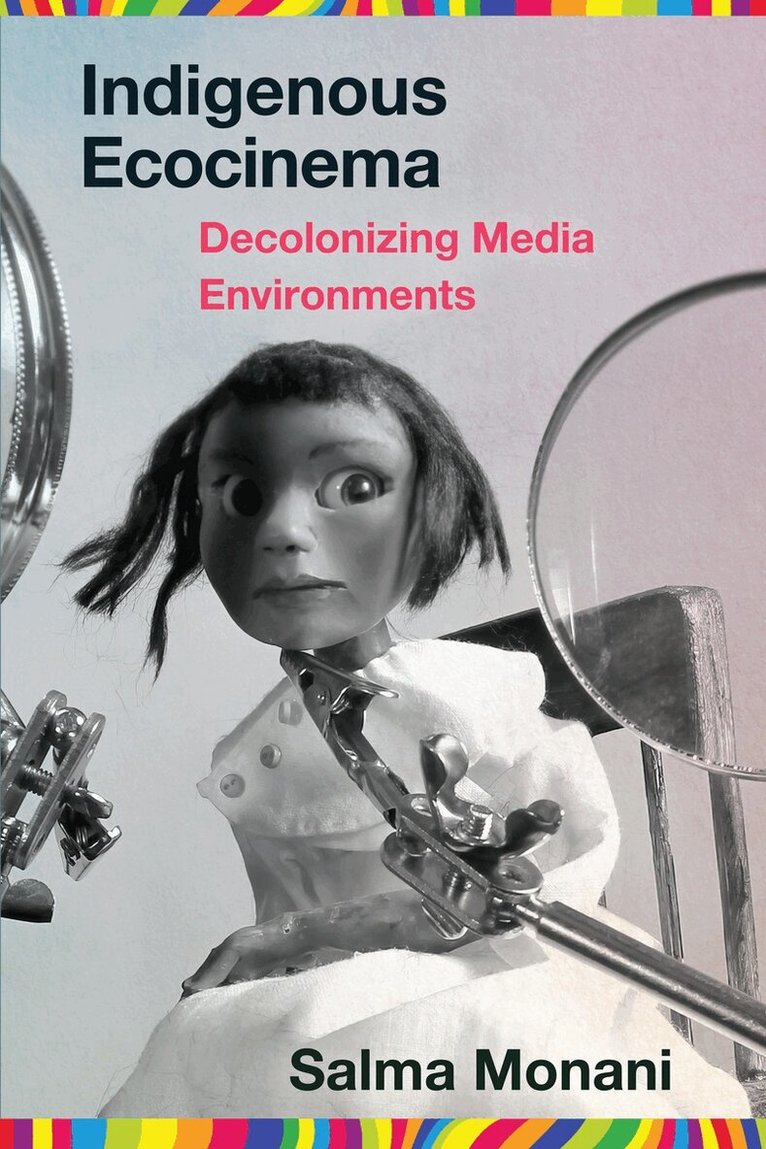
Introducing the concepts of d-ecocinema and d-ecocinema criticism, Monani expands the purview of ecocinema studies and not only brings attention to a thriving Indigenous cinema archive but also argues for a methodological approach that ushers Indigenous intellectual voices front and center in how we theorize this archive. Its case-study focus on Canada, particularly the work emanating from the imagineNATIVE Film + Media Arts Festival in Toronto—a nationally and internationally recognized hub in Indigenous cinema networks—provides insights into pan-Indigenous and Nation-specific contexts of Indigenous ecocinema.This absorbing text is the first book-length exploration foregrounding the environmental dimensions of cinema made by Indigenous peoples, including a particularly fascinating discussion on how Indigenous cinema’s ecological entanglements are a crucial and complementary aspect of its agenda of decolonialism.