Salvatore G. Garofalo - Böcker
Visar alla böcker från författaren Salvatore G. Garofalo. Handla med fri frakt och snabb leverans.
4 produkter
4 produkter
3 877 kr
Skickas inom 10-15 vardagar
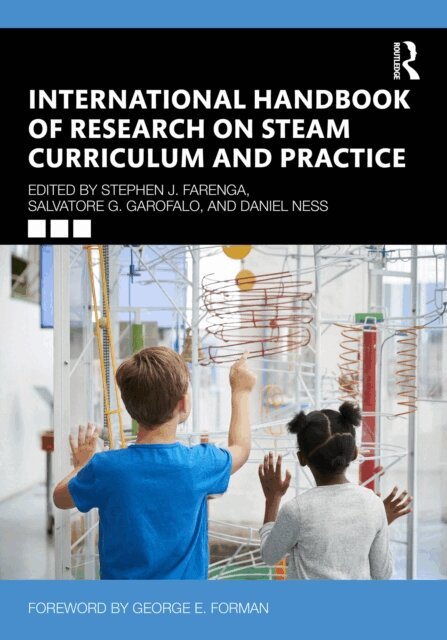
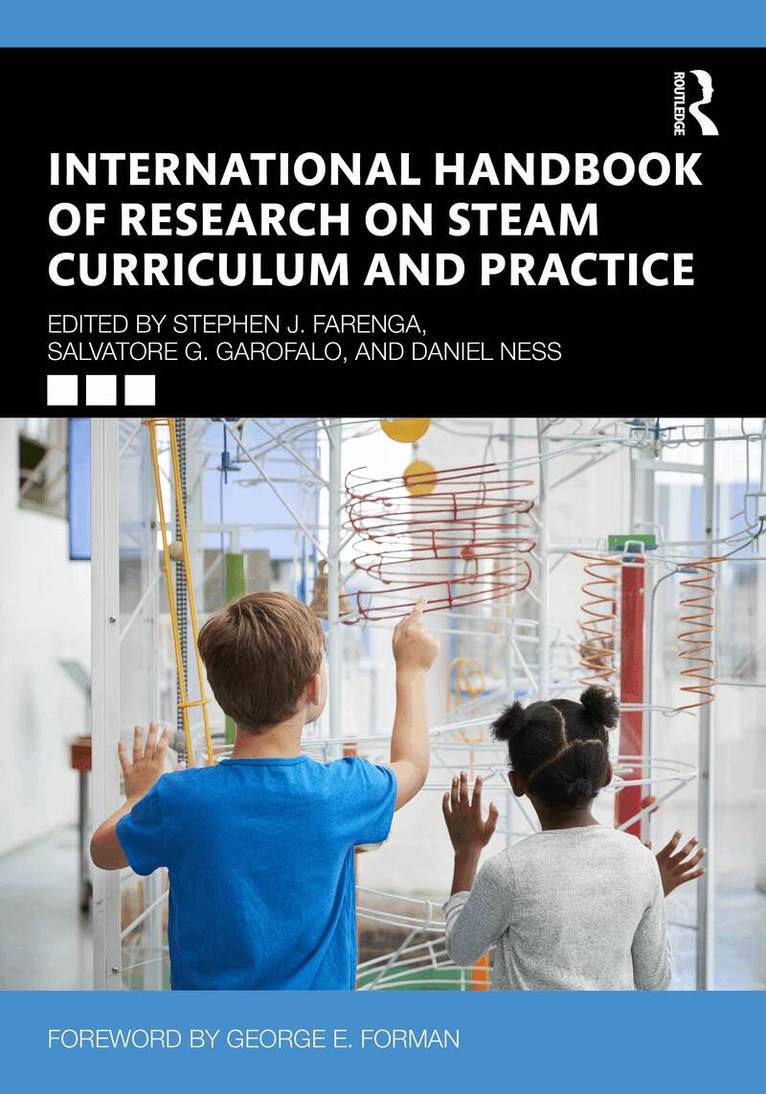
This comprehensive handbook delves into timely issues in STEAM (science, technology, engineering, arts/architecture, and mathematics) curriculum and praxis. Cutting-edge research will help STEAM educators and researchers recognize and appreciate students’ understanding of STEAM concepts, as well as capture contemporary educational, psychological, and social issues within the STEAM context. Drawing on the work of over 50 international contributors, this volume covers both emergent and established areas of research, giving voice to newcomers to the field as well as perspectives from established experts. These areas are divided into four sections: Foundations, Content, Teaching and Learning Throughout the Lifespan, Equity and Enrichment, and Settings. Each topic is considered in both its historical and current context, with a focus on the interconnections between theory and practice. This book offers a first-of-its-kind overview of STEAM curriculum development, which will be especially useful to educational practitioners and researchers of STEAM subjects, as well as teacher educators overseeing STEAM Education. This resource will also be useful for K-12 school and institutional libraries as reference material, and curriculum specialists and administrators seeking to identify methods of best educational practices within STEAM.
1 581 kr
Skickas inom 10-15 vardagar
This comprehensive handbook delves into timely issues in STEAM (science, technology, engineering, arts/architecture, and mathematics) curriculum and praxis. Cutting-edge research will help STEAM educators and researchers recognize and appreciate students’ understanding of STEAM concepts, as well as capture contemporary educational, psychological, and social issues within the STEAM context. Drawing on the work of over 50 international contributors, this volume covers both emergent and established areas of research, giving voice to newcomers to the field as well as perspectives from established experts. These areas are divided into four sections: Foundations, Content, Teaching and Learning Throughout the Lifespan, Equity and Enrichment, and Settings. Each topic is considered in both its historical and current context, with a focus on the interconnections between theory and practice. This book offers a first-of-its-kind overview of STEAM curriculum development, which will be especially useful to educational practitioners and researchers of STEAM subjects, as well as teacher educators overseeing STEAM Education. This resource will also be useful for K-12 school and institutional libraries as reference material, and curriculum specialists and administrators seeking to identify methods of best educational practices within STEAM.
2 237 kr
Skickas inom 10-15 vardagar
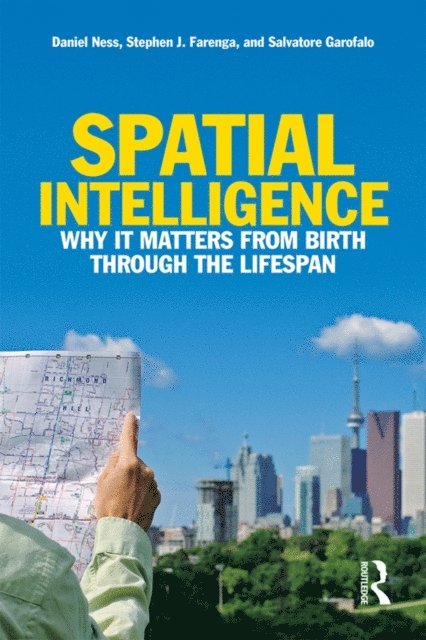
Spatial Intelligence examines public and professional conceptions of the relationships between thinking about spatial attributes and active engagement in spatially related constructions and designs. Even though children’s and adolescents’ spatial propensities in constructive activities parallel the skills needed by professionals in both established and emerging fields, spatial education is often missing from K–12 curricula and is easily impeded by teachers, parents, or other individuals who do not provide contexts in formalized settings, such as schools, to nurture its potential. This book bridges the gap by linking the natural spatial inclinations, interests, and proclivities of individuals from a variety of cultures with professional training and expertise in engineering, architecture, science, and mathematics. Educators will be better able to achieve the skills and awareness necessary to provide children and young adults with the vital opportunities inherent in spatial education.
689 kr
Skickas inom 10-15 vardagar
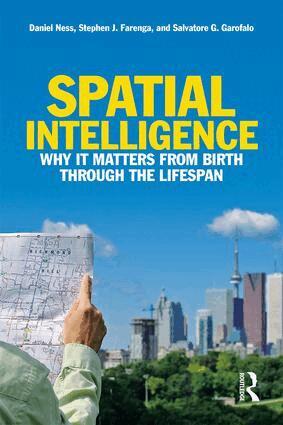
Spatial Intelligence examines public and professional conceptions of the relationships between thinking about spatial attributes and active engagement in spatially related constructions and designs. Even though children’s and adolescents’ spatial propensities in constructive activities parallel the skills needed by professionals in both established and emerging fields, spatial education is often missing from K–12 curricula and is easily impeded by teachers, parents, or other individuals who do not provide contexts in formalized settings, such as schools, to nurture its potential. This book bridges the gap by linking the natural spatial inclinations, interests, and proclivities of individuals from a variety of cultures with professional training and expertise in engineering, architecture, science, and mathematics. Educators will be better able to achieve the skills and awareness necessary to provide children and young adults with the vital opportunities inherent in spatial education.