Sam W. Haynes – författare
Visar alla böcker från författaren Sam W. Haynes. Handla med fri frakt och snabb leverans.
9 produkter
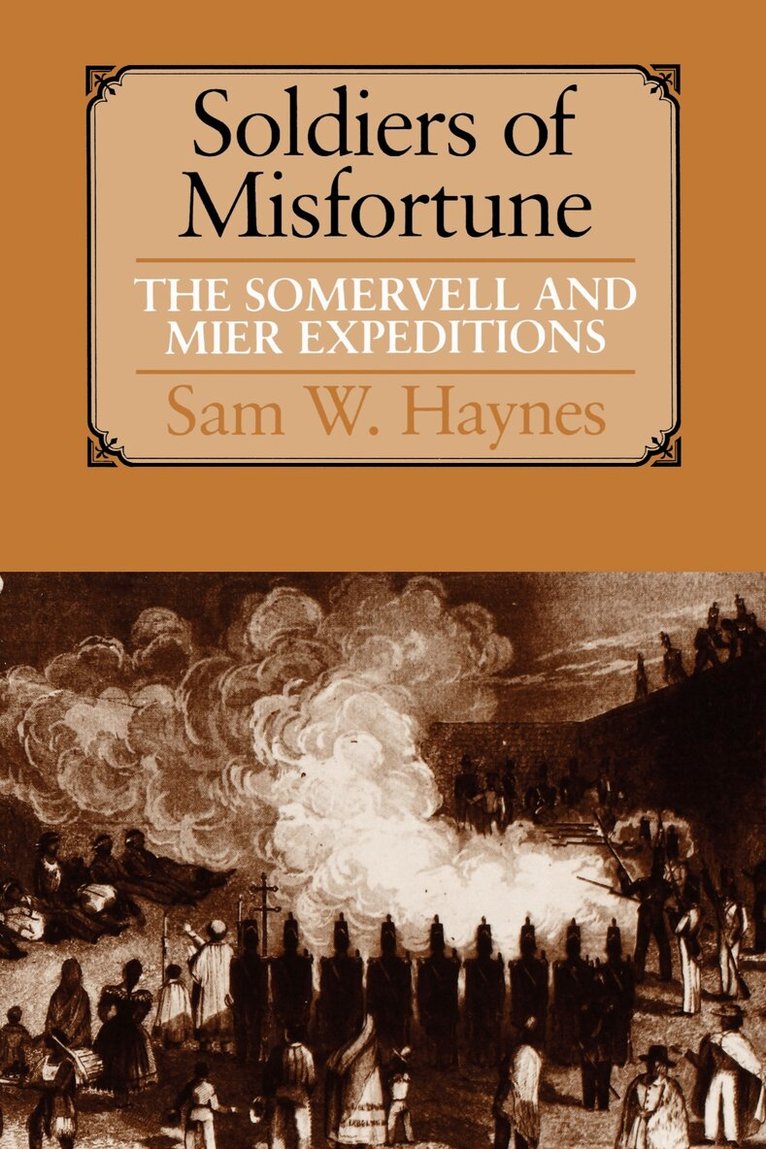
Soldiers of Misfortune
The Somervell and Mier Expeditions
Häftad, 1997
342 kr
Lägg i varukorg
The Somervell and Mier Expeditions of 1842, culminating in the famous "black bean episode" in which Texas prisoners drew white or black beans to determine who would be executed by their Mexican captors, still capture the public imagination in Texas. But were the Texans really martyrs in a glorious …
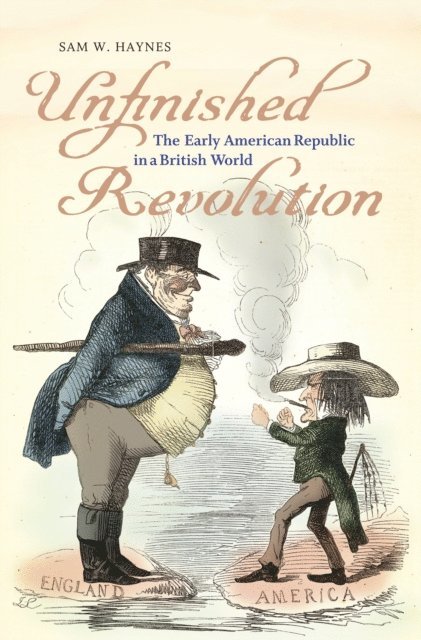
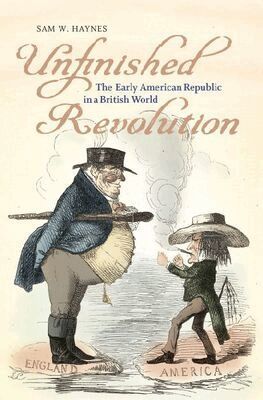
Unfinished Revolution
The Early American Republic in a British World
E-bok, 2010
388 kr
Lägg i varukorg
After the War of 1812 the United States remained a cultural and economic satellite of the world’s most powerful empire. Though political independence had been won, John Bull intruded upon virtually every aspect of public life, from politics to economic development to literature to the performing …
Unfinished Revolution
The Early American Republic in a British World
Häftad, 2011
312 kr
Lägg i varukorg
Unsettled Land
From Revolution to Republic, the Struggle for Texas
Inbunden, 2022
339 kr
Lägg i varukorg
The Texas Revolution has long been cast as an epic episode in the origins of the American West. As the story goes, larger-than-life figures like Sam Houston, David Crockett, and William Barret Travis fought to free Texas from repressive Mexican rule. In Unsettled Land, historian Sam Haynes reveals …
Manifest Destiny and Empire
American Antebellum Expansionism
Av Sam W. Haynes, Christopher Morris m. fl.
Häftad, 2008
211 kr
Lägg i varukorg
Six scholars consider important aspects of American antebellum expansion in this collection of studies newly available in paperback.Robert W. Johannsen of the University of Illinois at Urbana offers fresh insight into the meaning of the term ""manifest destiny,"" arguing for a broader …
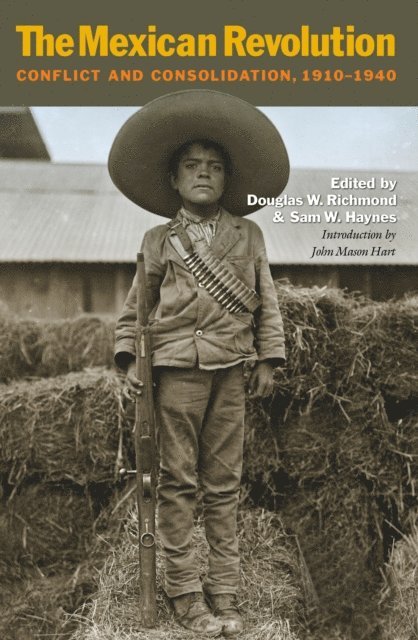
Mexican Revolution
Conflict and Consolidation, 1910-1940
Av Sam W. Haynes, Douglas W. Richmond
E-bok, 2013
323 kr
Lägg i varukorg
In 1910 insurgent leaders crushed the Porfirian dictatorship, but in the years that followed fought among themselves, until a nationalist consensus produced the 1917 Constitution. This in turn provided the basis for a reform agenda that transformed Mexico in the modern era. The civil war and the …
Unfinished Revolution
The Early American Republic in a British World
Inbunden, 2010
352 kr
Tillfälligt slut
Writing from the vantage point of America’s unrivaled global dominance, historians have tended to see in the young nation the superpower it would become. This argues that, for all its vaunted claims of distinctiveness and the soaring rhetoric of “manifest destiny”, the young republic exhibited a …
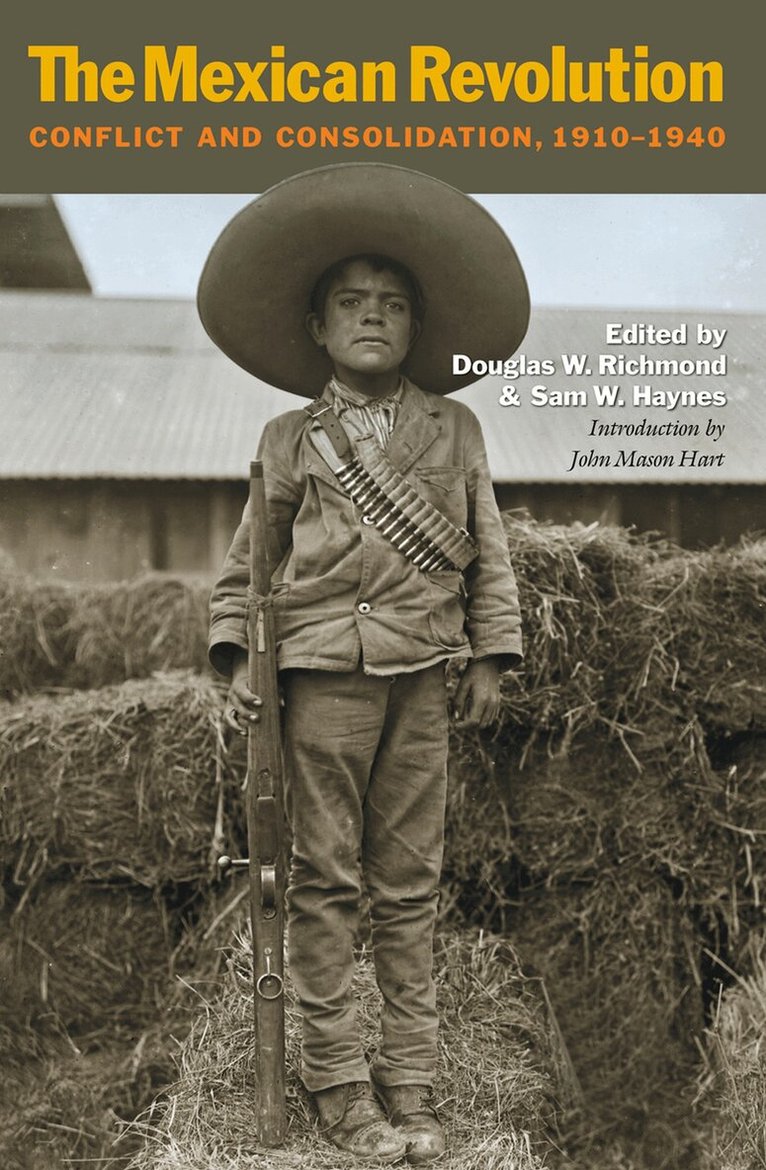
Mexican Revolution
Conflict and Consolidation, 1910-1940
Av Douglas W. Richmond, Sam W. Haynes
Inbunden, 2013
409 kr
Tillfälligt slut
In 1910 insurgent leaders crushed the Porfirian dictatorship, but in the years that followed fought among themselves, until a nationalist consensus produced the 1917 Constitution. This in turn provided the basis for a reform agenda that transformed Mexico in the modern era. The civil war and the …
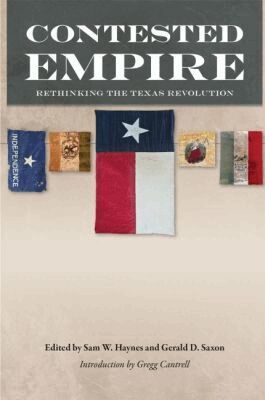
Contested Empire
Rethinking the Texas Revolution
Av Sam W. Haynes, Gerald D. Saxon
Inbunden, 2015
352 kr
Tillfälligt slut
To a large degree, the story of Texas’ secession from Mexico has been undertaken by scholars. Early twentieth century historians of the revolutionary period, most notably Eugene Barker and William Binkley, characterized the conflict as a clash of two opposing cultures, yet their exclusive focus on …