Samantha L. Hernandez – författare
Visar alla böcker från författaren Samantha L. Hernandez. Handla med fri frakt och snabb leverans.
5 produkter
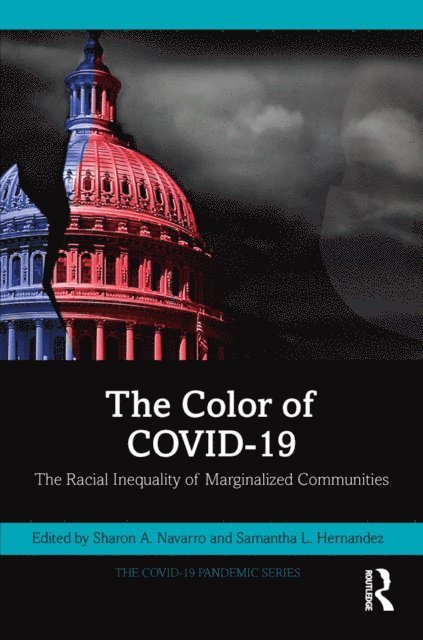
Color of COVID-19
The Racial Inequality of Marginalized Communities
Av Samantha L. Hernandez, Sharon A. Navarro
E-bok, 2022
745 kr
Lägg i varukorg
The COVID-19 pandemic has disproportionately affected communities of color while highlighting the prevalence of structural racism in the United States. This crucial collection of essays, written by leading scholars from the fields of communications, political science, health, philosophy, and …
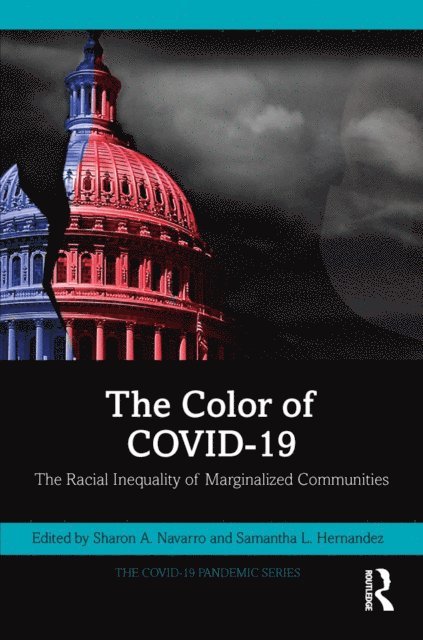
Color of COVID-19
The Racial Inequality of Marginalized Communities
Av Samantha L. Hernandez, Sharon A. Navarro
E-bok, 2022
729 kr
Lägg i varukorg
The COVID-19 pandemic has disproportionately affected communities of color while highlighting the prevalence of structural racism in the United States. This crucial collection of essays, written by leading scholars from the fields of communications, political science, health, philosophy, and …
Color of COVID-19
The Racial Inequality of Marginalized Communities
Av Sharon A. Navarro, Samantha L. Hernandez
Häftad, 2022
652 kr
Lägg i varukorg
The COVID-19 pandemic has disproportionately affected communities of color while highlighting the prevalence of structural racism in the United States. This crucial collection of essays, written by leading scholars from the fields of communications, political science, health, philosophy, and …
Color of COVID-19
The Racial Inequality of Marginalized Communities
Av Sharon A. Navarro, Samantha L. Hernandez
Inbunden, 2022
2586 kr
Lägg i varukorg
The COVID-19 pandemic has disproportionately affected communities of color while highlighting the prevalence of structural racism in the United States. This crucial collection of essays, written by leading scholars from the fields of communications, political science, health, philosophy, and …
Race, Gender, Sexuality, and the Politics of the American Judiciary
Av Samantha L. Hernandez, Sharon A. Navarro
Inbunden, 2018
1753 kr
Lägg i varukorg
The judicial system in a liberal democracy is deemed to be an independent branch of government with judges free from political agendas or societal pressures. In reality, judges are often influenced by their economic and social backgrounds, gender, race, religion, and sexuality. This volume explores …