Sami Timimi – författare
Visar alla böcker från författaren Sami Timimi. Handla med fri frakt och snabb leverans.
14 produkter
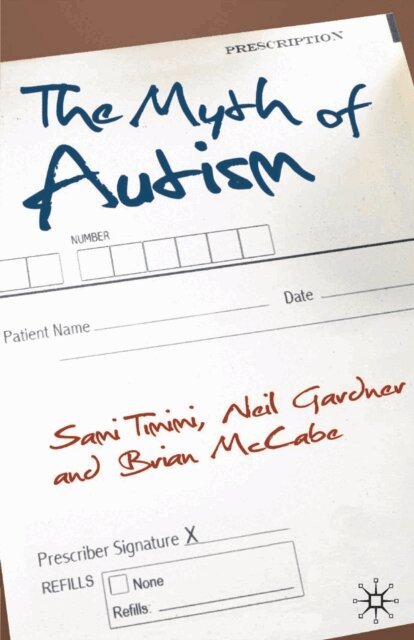
Myth of Autism
Medicalising Men's and Boys' Social and Emotional Competence
Av Sami Timimi, Neil Gardner m. fl.
E-bok, 2010
674 kr
Lägg i varukorg
In this groundbreaking book, the authors dispute the concept of autism and explore the cultural and political reasons why the number of those diagnosed with it has increased over the years. This is a must-read for students studying autism and related disorders as well as practitioners working in …
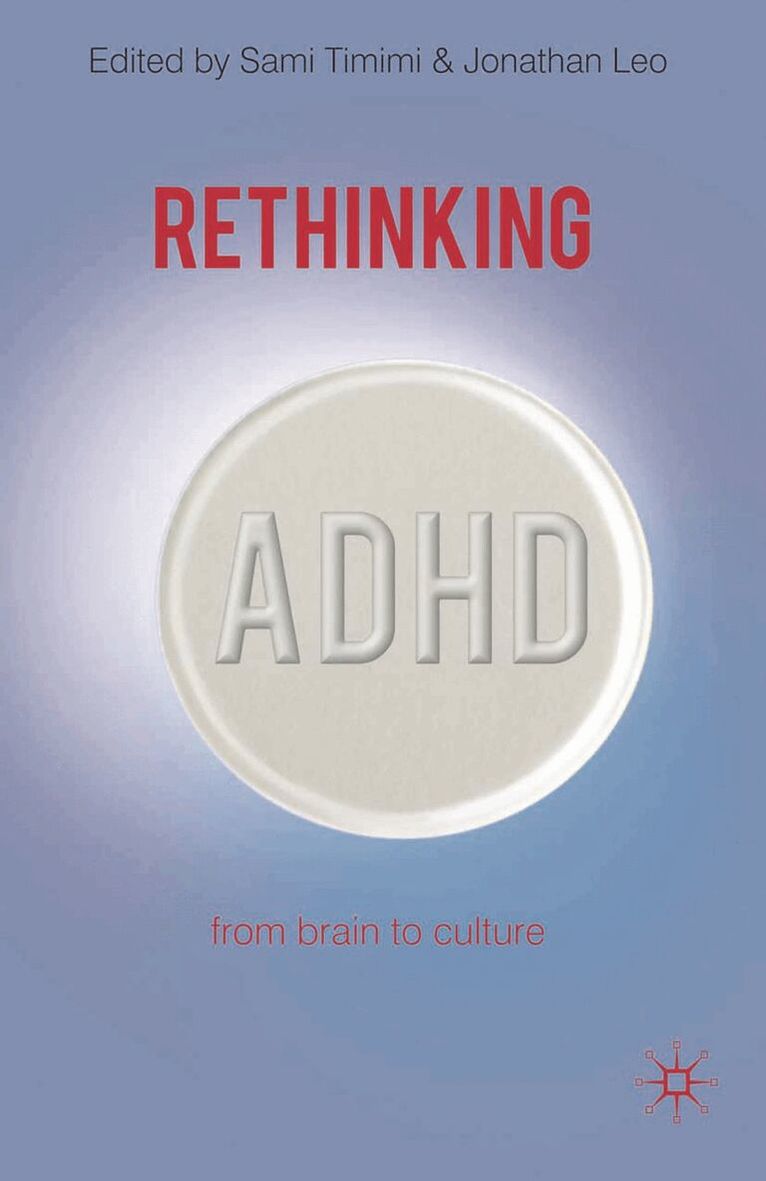
Rethinking ADHD
From Brain to Culture
Av Sami Timimi, Jonathan Leo m. fl.
Häftad, 2009
633 kr
Lägg i varukorg
This book brings together, for the first time, a selection of international critiques on the role of ADHD in our society today, looking at how diagnoses have increased in recent years and the reasons behind this. Topics range from genetics to social culture, offering a comprehensive overview of …
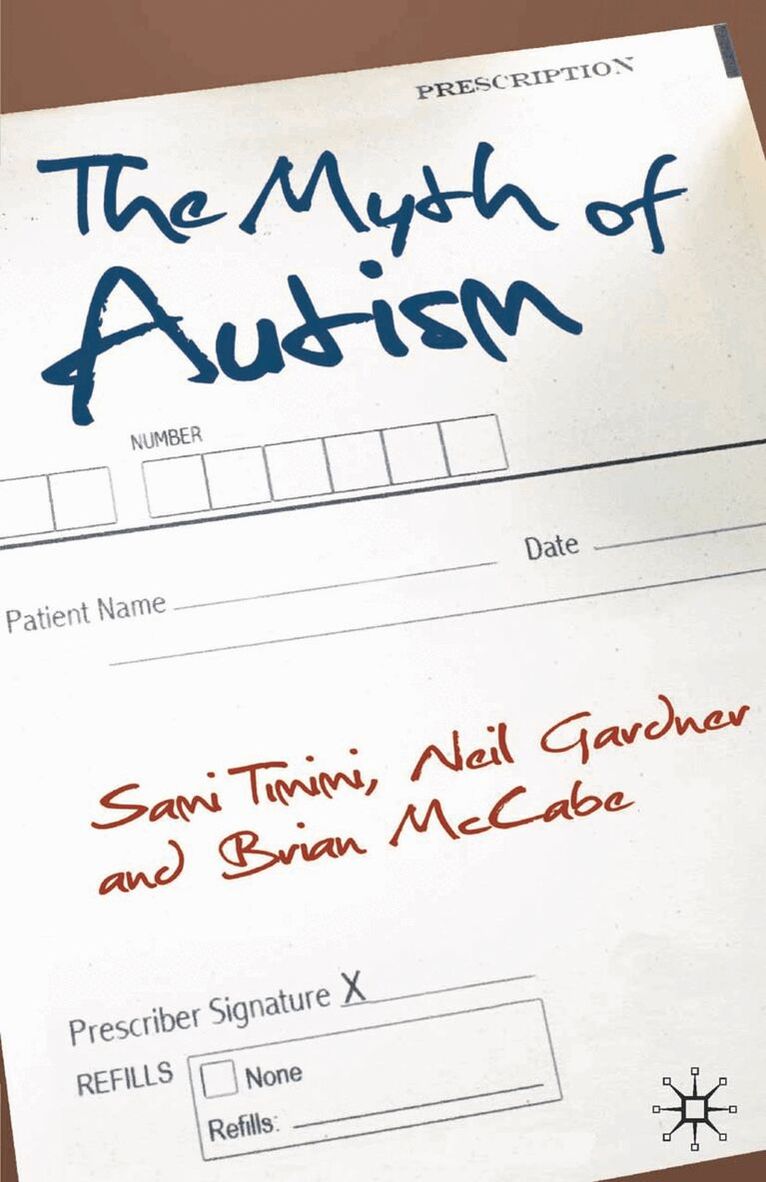
Myth of Autism
Medicalising Men's and Boys' Social and Emotional Competence
Av Sami Timimi, Neil Gardner m. fl.
Häftad, 2010
618 kr
Lägg i varukorg
In this groundbreaking book, the authors dispute the concept of autism and explore the cultural and political reasons why the number of those diagnosed with it has increased over the years. This is a must-read for students studying autism and related disorders as well as practitioners working in …
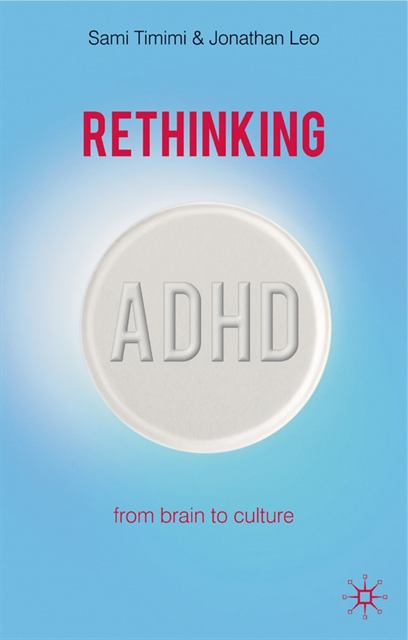
Rethinking ADHD
From Brain to Culture
E-bok, 2017
690 kr
Lägg i varukorg
This book brings together, for the first time, a selection of international critiques on the role of ADHD in our society today, looking at how diagnoses have increased in recent years and the reasons behind this. Topics range from genetics to social culture, offering a comprehensive overview of …
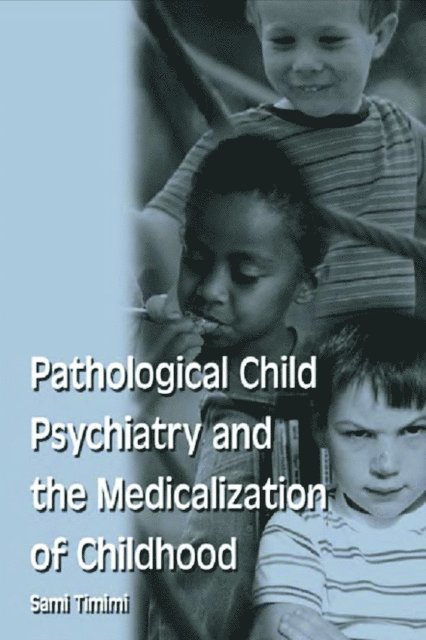
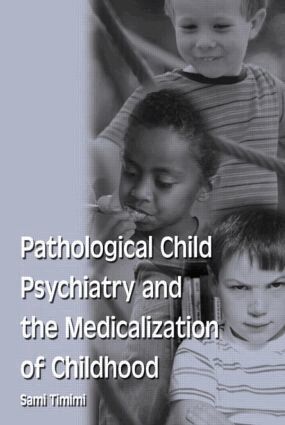
Pathological Child Psychiatry and the Medicalization of Childhood
Av Sami Timimi
E-bok, 2014
733 kr
Lägg i varukorg
Currently, it is common practice among the child psychiatric establishment to prescribe powerful and potentially addictive drugs to children who have emotional or behavioural problems. Pathological Child Psychiatry and the Medicalization of Childhood is a strong challenge to this way of thinking. …
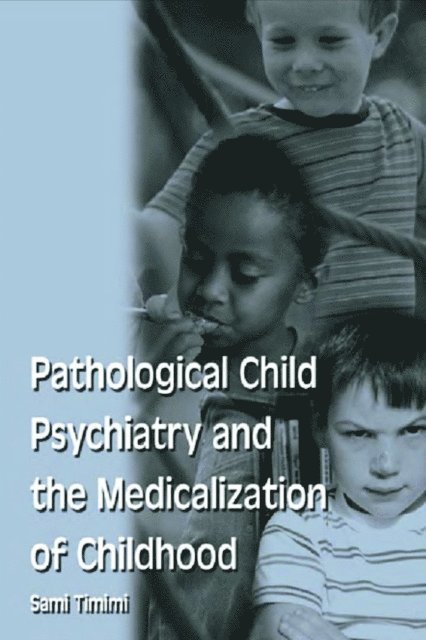
Pathological Child Psychiatry and the Medicalization of Childhood
Av Sami Timimi
E-bok, 2014
749 kr
Lägg i varukorg
Currently, it is common practice among the child psychiatric establishment to prescribe powerful and potentially addictive drugs to children who have emotional or behavioural problems. Pathological Child Psychiatry and the Medicalization of Childhood is a strong challenge to this way of thinking. …
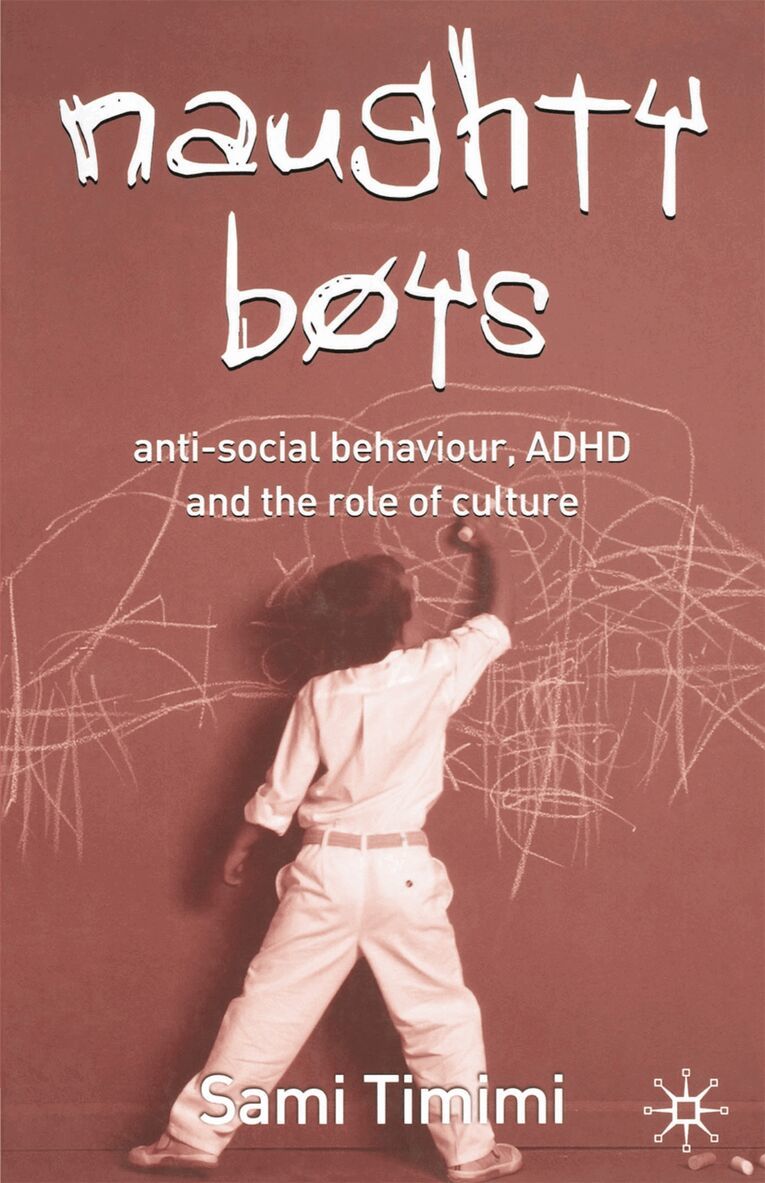
Naughty Boys
Anti-Social Behaviour, ADHD and the Role of Culture
Av Sami Timimi
Häftad, 2005
613 kr
Lägg i varukorg
Boys in the West are being labelled as having psychiatric disorders, behaviour problems and special educational needs, and are receiving psychiatric drugs in ever-greater numbers. In this book, Dr Timimi argues that this crisis reflects a fundamental ambivalence that Western culture has toward …
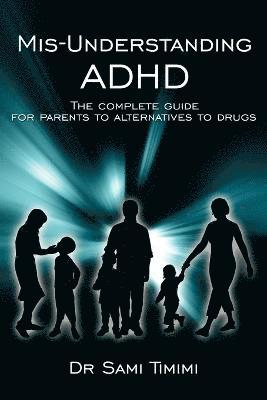
MIS-Understanding ADHD
The Complete Guide for Parents to Alternatives to Drugs
Av Sami Timimi
Häftad, 2007
200 kr
Lägg i varukorg
Oo-Camhs
Service Transformation Toolkit
Av Wayne Burgoine, Dianne Tetley m. fl.
E-bok, 2012
42 kr
Lägg i varukorg
OO-CAMHS could very well begin to change the face of mental health care in the UKBarry DuncanOO-CAMHS is a whole service model that incorporates existing evidence on how to improve outcomes, reduce non-attendance and dropout rates and save money through improved therapeutic efficiency. This service …
Pathological Child Psychiatry and the Medicalization of Childhood
Av Sami Timimi
Häftad, 2002
617 kr
Lägg i varukorg
Currently, it is common practice among the child psychiatric establishment to prescribe powerful and potentially addictive drugs to children who have emotional or behavioural problems. Pathological Child Psychiatry and the Medicalization of Childhood is a strong challenge to this way of …
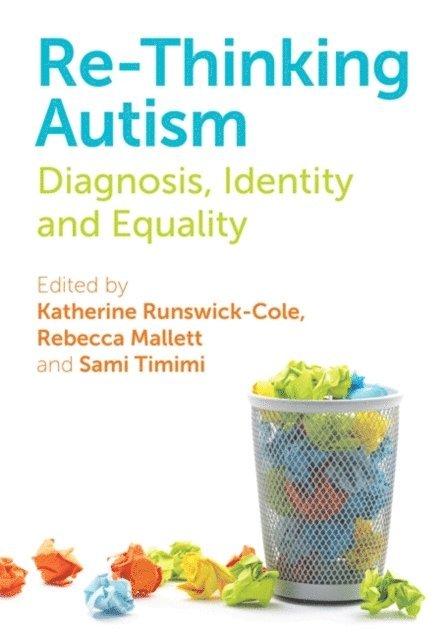
Re-Thinking Autism
Diagnosis, Identity and Equality
Av Sami Timimi, Rebecca Mallett m. fl.
E-bok, 2016
411 kr
Lägg i varukorg
Challenging existing approaches to autism that limit, and sometimes damage, the individuals who attract and receive the label, this book questions the lazy prejudices and assumptions that can surround autism as a diagnosis in the 21st Century.Arguing that autism can only be understood through …
Re-Thinking Autism
Diagnosis, Identity and Equality
Av Sami Timimi, Rebecca Mallett m. fl.
Häftad, 2016
393 kr
Lägg i varukorg
Challenging existing approaches to autism that limit, and sometimes damage, the individuals who attract and receive the label, this book questions the lazy prejudices and assumptions that can surround autism as a diagnosis in the 21st Century.Arguing that autism can only be understood through …
Pathological Child Psychiatry and the Medicalization of Childhood
Av Sami Timimi
Inbunden, 2002
1326 kr
Tillfälligt slut
Currently, it is common practice among the child psychiatric establishment to prescribe powerful and potentially addictive drugs to children who have emotional or behavioural problems. Pathological Child Psychiatry and the Medicalization of Childhood is a strong challenge to this way of …
Critical Voices in Child and Adolescent Mental Health
Häftad, 2006
369 kr
Tillfälligt slut
"Part of these institutionalized biases, we think, results from the institutionalized racism that lies at the heart of the conceptual systems we use in psychiatry". There is a crisis of credibility within child and adolescent psychiatry. Child and adolescent mental health theory and practice have …