Sander E. van der Leeuw – författare
Visar alla böcker från författaren Sander E. van der Leeuw. Handla med fri frakt och snabb leverans.
7 produkter
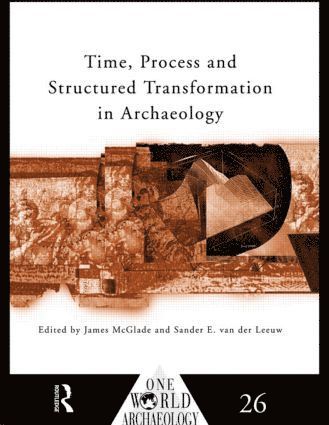
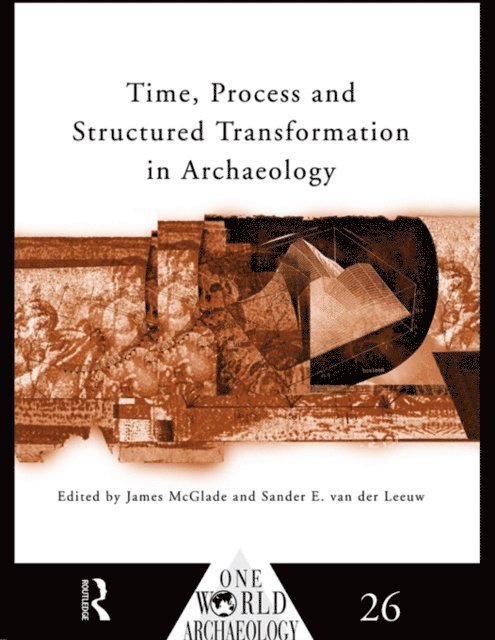
Time, Process and Structured Transformation in Archaeology
Av James McGlade, Sander E. van der Leeuw
Inbunden, 1997
3147 kr
Lägg i varukorg
In a discipline which essentially studies how modern man came to be, it is remarkable that there are hardly any conceptual tools to describe change. This is due to the history of the western intellectual and scientific tradition, which for a long time favoured mechanics over dynamics, and the study …
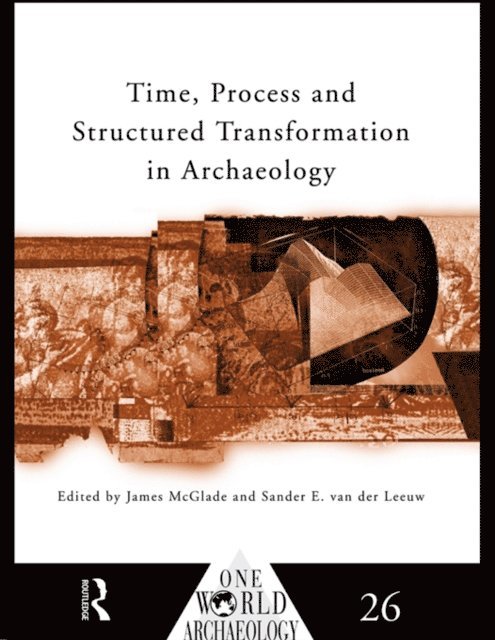
Time, Process and Structured Transformation in Archaeology
Av James McGlade, Sander E. van der Leeuw
Häftad, 2010
770 kr
Lägg i varukorg
In a discipline which essentially studies how modern man came to be, it is remarkable that there are hardly any conceptual tools to describe change. This is due to the history of the western intellectual and scientific tradition, which for a long time favoured mechanics over dynamics, and the study …
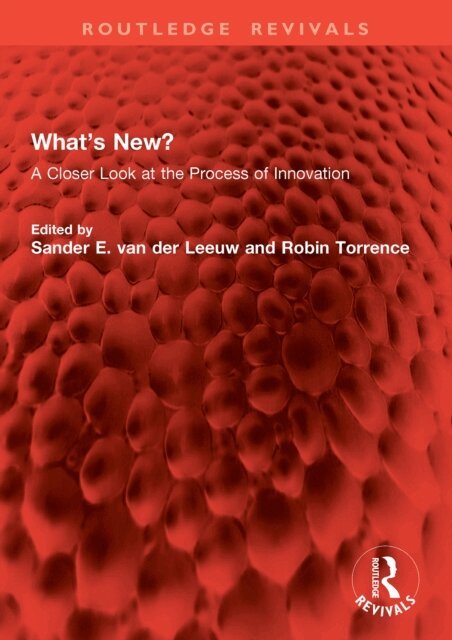
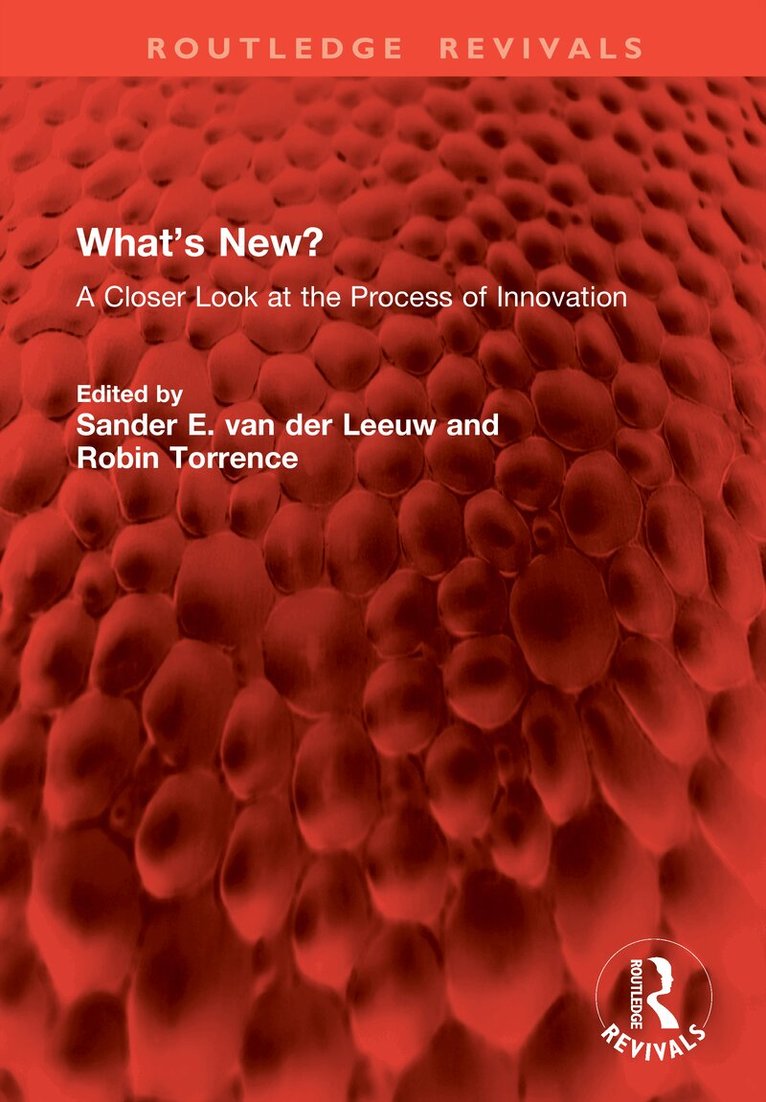
What's New?
A Closer Look at the Process of Innovation
Av Robin Torrence, Sander E. van der Leeuw
E-bok, 2025
1052 kr
Lägg i varukorg
First published in 1989, What’s New? puts innovation firmly back on the agenda of archaeological interpretation. This book revives interest in the process of innovation and reinterprets it by drawing on original work done in a variety of disciplines. It demonstrates that the study of the …
What's New?
A Closer Look at the Process of Innovation
Av Robin Torrence, Sander E. van der Leeuw
E-bok, 2025
1030 kr
Lägg i varukorg
First published in 1989, What’s New? puts innovation firmly back on the agenda of archaeological interpretation. This book revives interest in the process of innovation and reinterprets it by drawing on original work done in a variety of disciplines. It demonstrates that the study of the …
What’s New?
A Closer Look at the Process of Innovation
Av Sander E. van der Leeuw, Robin Torrence
Inbunden, 2025
1876 kr
Lägg i varukorg
First published in 1989, What’s New? puts innovation firmly back on the agenda of archaeological interpretation. This book revives interest in the process of innovation and reinterprets it by drawing on original work done in a variety of disciplines. It demonstrates that the study of the components …
Time, Process and Structured Transformation in Archaeology
Av Sander E. van der Leeuw, James McGlade
E-bok, 2013
890 kr
Lägg i varukorg
In a discipline which essentially studies how modern man came to be, it is remarkable that there are hardly any conceptual tools to describe change. This is due to the history of the western intellectual and scientific tradition, which for a long time favoured mechanics over dynamics, and the study …
Time, Process and Structured Transformation in Archaeology
Av Sander E. van der Leeuw, James McGlade
E-bok, 2013
890 kr
Lägg i varukorg
In a discipline which essentially studies how modern man came to be, it is remarkable that there are hardly any conceptual tools to describe change. This is due to the history of the western intellectual and scientific tradition, which for a long time favoured mechanics over dynamics, and the study …