Sanjay R. Mishra - Böcker
Visar alla böcker från författaren Sanjay R. Mishra. Handla med fri frakt och snabb leverans.
6 produkter
6 produkter
2 306 kr
Skickas inom 10-15 vardagar
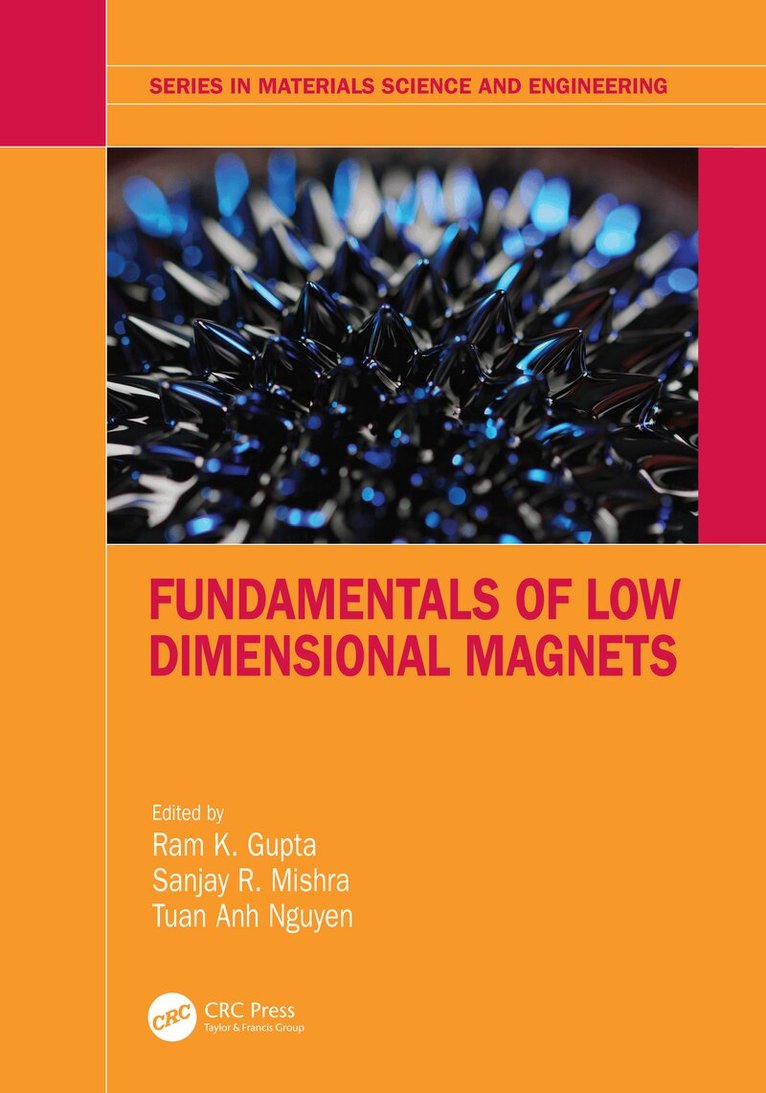
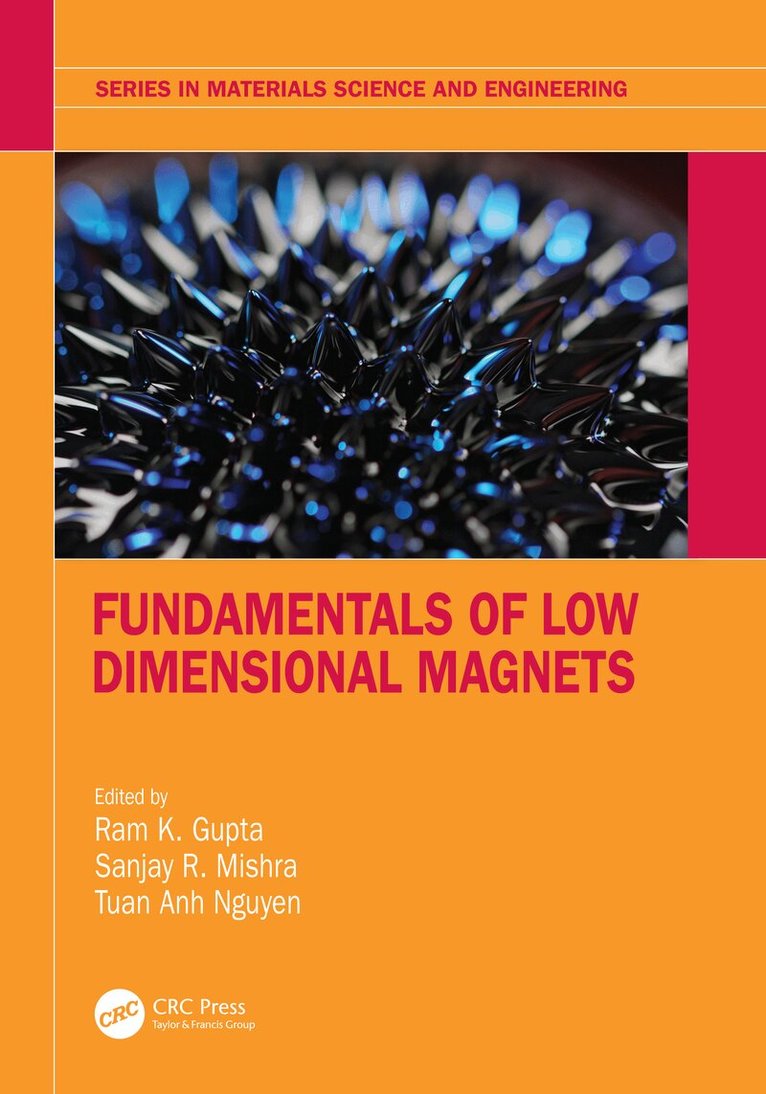
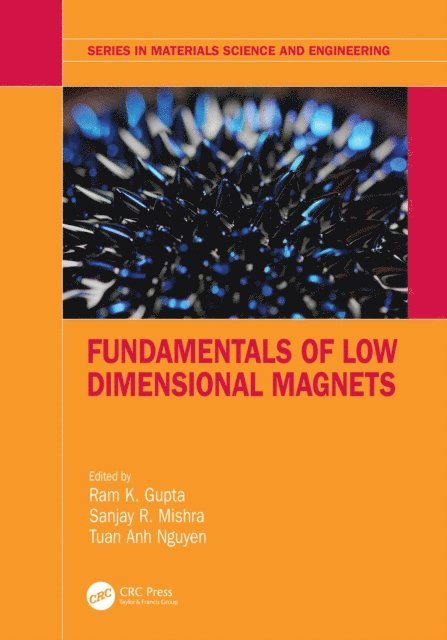
A low-dimensional magnet is a key to the next generation of electronic devices. In some respects, low-dimensional magnets refer to nanomagnets (nanostructured magnets) or single-molecule magnets (molecular nanomagnets). They also include the group of magnetic nanoparticles, which have been widely used in biomedicine, technology, industries, and environmental remediation.Low-dimensional magnetic materials can be used effectively in the future in powerful computers (hard drives, magnetic random-access memory, ultra-low power consumption switches, etc.). The properties of these materials largely depend on the doping level, phase, defects, and morphology. This book covers various nanomagnets and magnetic materials. The basic concepts, various synthetic approaches, characterizations, and mathematical understanding of nanomaterials are provided. Some fundamental applications of 1D, 2D, and 3D materials are covered.This book provides the fundamentals of low-dimensional magnets along with synthesis, theories, structure-property relations, and applications of ferromagnetic nanomaterials. This book broadens our fundamental understanding of ferromagnetism and mechanisms for realization and advancement in devices with improved energy efficiency and high storage capacity.
2 171 kr
Skickas inom 10-15 vardagar
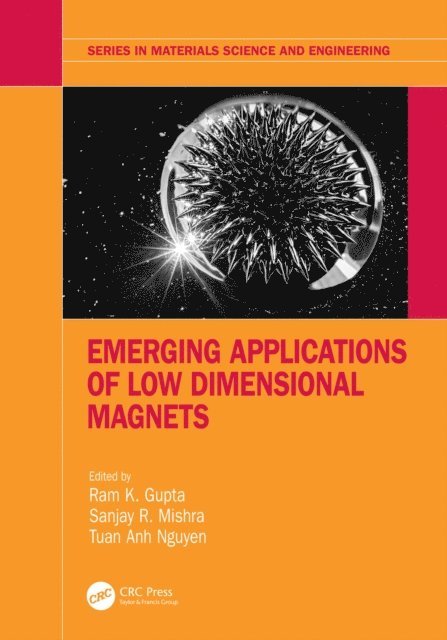
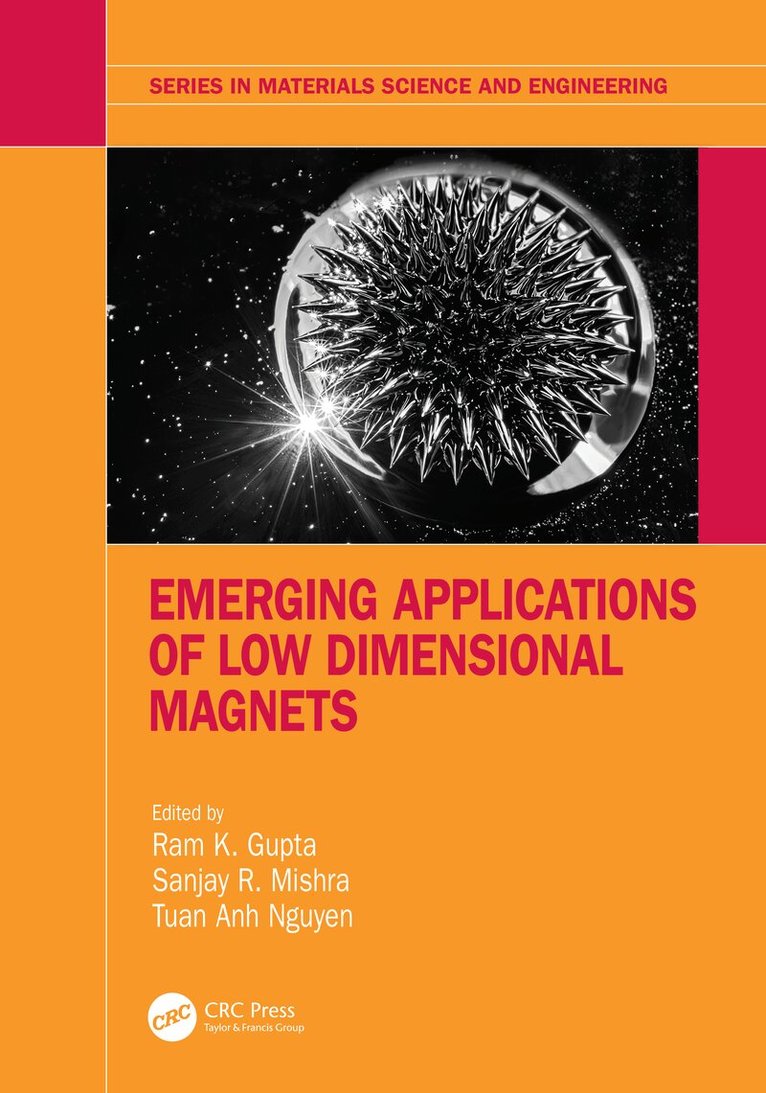
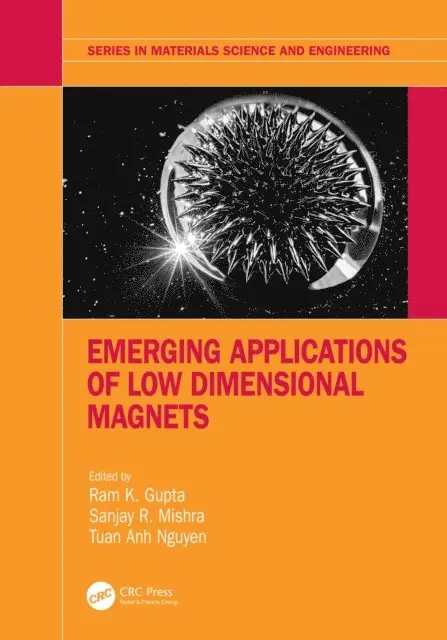
Low-dimensional magnetic materials find their wide applications in many areas, including spintronics, memory devices, catalysis, biomedical, sensors, electromagnetic shielding, aerospace, and energy. This book provides a comprehensive discussion on magnetic nanomaterials for emerging applications. Fundamentals along with applications of low-dimensional magnetic materials in spintronics, catalysis, memory, biomedicals, toxic waste removal, aerospace, telecommunications, batteries, supercapacitors, flexible electronics, and many more are covered in detail to provide a full spectrum of their advanced applications. This book offers fresh aspects of nanomagnetic materials and innovative directions to scientists, researchers, and students. It will be of particular interest to materials scientists, engineers, physicists, chemists, and researchers in electronic and spintronic industries, and is suitable as a textbook for undergraduate and graduate studies.
656 kr
Skickas inom 10-15 vardagar
Low-dimensional magnetic materials find their wide applications in many areas, including spintronics, memory devices, catalysis, biomedical, sensors, electromagnetic shielding, aerospace, and energy. This book provides a comprehensive discussion on magnetic nanomaterials for emerging applications. Fundamentals along with applications of low-dimensional magnetic materials in spintronics, catalysis, memory, biomedicals, toxic waste removal, aerospace, telecommunications, batteries, supercapacitors, flexible electronics, and many more are covered in detail to provide a full spectrum of their advanced applications. This book offers fresh aspects of nanomagnetic materials and innovative directions to scientists, researchers, and students. It will be of particular interest to materials scientists, engineers, physicists, chemists, and researchers in electronic and spintronic industries, and is suitable as a textbook for undergraduate and graduate studies.
670 kr
Skickas inom 10-15 vardagar
A low-dimensional magnet is a key to the next generation of electronic devices. In some respects, low-dimensional magnets refer to nanomagnets (nanostructured magnets) or single-molecule magnets (molecular nanomagnets). They also include the group of magnetic nanoparticles, which have been widely used in biomedicine, technology, industries, and environmental remediation.Low-dimensional magnetic materials can be used effectively in the future in powerful computers (hard drives, magnetic random-access memory, ultra-low power consumption switches, etc.). The properties of these materials largely depend on the doping level, phase, defects, and morphology. This book covers various nanomagnets and magnetic materials. The basic concepts, various synthetic approaches, characterizations, and mathematical understanding of nanomaterials are provided. Some fundamental applications of 1D, 2D, and 3D materials are covered.This book provides the fundamentals of low-dimensional magnets along with synthesis, theories, structure-property relations, and applications of ferromagnetic nanomaterials. This book broadens our fundamental understanding of ferromagnetism and mechanisms for realization and advancement in devices with improved energy efficiency and high storage capacity.
5 271 kr
Skickas inom 10-15 vardagar
Volume I: A low-dimensional magnet is key to the next-generation of electronic devices. In some aspects, low dimensional magnets refer to nanostructured magnets or single-molecule magnets. They are widely used in biomedicine, technology, industries, and environmental remediation. Emerging Applications of Low Dimensional Magnets covers current state-of-the-art progress in ferromagnetic materials, experimental studies of nanomaterials-based spintronics, and directions for future approaches, applications, and devices. Experts from a variety of areas such as biomedical engineering, materials science, nanotechnology, and electronic engineering have contributed to this handbook making it the most up-to-date and interdisciplinary reference of its kind in the field of low dimensional magnets. Volume II: Low-dimensional magnetic materials find their wide applications in many areas, including spintronics, memory devices, catalysis, biomedical, sensors, electromagnetic shielding, aerospace, and energy. This book provides a comprehensive discussion on magnetic nanomaterials for emerging applications. Fundamentals along with applications of low-dimensional magnetic materials in spintronics, catalysis, memory, biomedicals, toxic waste removal, aerospace, telecommunications, batteries, supercapacitors, flexible electronics, and many more are covered in detail to provide a full spectrum of their advanced applications. This book offers fresh aspects of nanomagnetic materials and innovative directions to scientists, researchers, and students. It will be of particular interest to materials scientists, engineers, physicists, chemists, and researchers in electronic and spintronic industries, and is suitable as a textbook for undergraduate and graduate studies.
1 555 kr
Skickas inom 10-15 vardagar
Volume I: A low-dimensional magnet is key to the next-generation of electronic devices. In some aspects, low dimensional magnets refer to nanostructured magnets or single-molecule magnets. They are widely used in biomedicine, technology, industries, and environmental remediation. Emerging Applications of Low Dimensional Magnets covers current state-of-the-art progress in ferromagnetic materials, experimental studies of nanomaterials-based spintronics, and directions for future approaches, applications, and devices. Experts from a variety of areas such as biomedical engineering, materials science, nanotechnology, and electronic engineering have contributed to this handbook making it the most up-to-date and interdisciplinary reference of its kind in the field of low dimensional magnets. Volume II: Low-dimensional magnetic materials find their wide applications in many areas, including spintronics, memory devices, catalysis, biomedical, sensors, electromagnetic shielding, aerospace, and energy. This book provides a comprehensive discussion on magnetic nanomaterials for emerging applications. Fundamentals along with applications of low-dimensional magnetic materials in spintronics, catalysis, memory, biomedicals, toxic waste removal, aerospace, telecommunications, batteries, supercapacitors, flexible electronics, and many more are covered in detail to provide a full spectrum of their advanced applications. This book offers fresh aspects of nanomagnetic materials and innovative directions to scientists, researchers, and students. It will be of particular interest to materials scientists, engineers, physicists, chemists, and researchers in electronic and spintronic industries, and is suitable as a textbook for undergraduate and graduate studies.