Tuan Anh Nguyen - Böcker
1 898 kr
Skickas inom 7-10 vardagar
Noble Metal-Metal Oxide Hybrid Nanoparticles: Fundamentals and Applications sets out concepts and emerging applications of hybrid nanoparticles in biomedicine, antibacterial, energy storage and electronics. The hybridization of noble metals (Gold, Silver, Palladium and Platinum) with metal-oxide nanoparticles exhibits superior features when compared to individual nanoparticles. In some cases, metal oxides act as semiconductors, such as nano zinc oxide or titanium oxide nanoparticles, where their hybridization with silver nanoparticles, enhanced significantly their photocatalytic efficiency. The book highlights how such nanomaterials are used for practical applications.
Examines the properties of metal-metal oxide hybrid nanoparticles that make them so adaptable Explores the mechanisms by which nanoparticles interact with each other, showing how these can be exploited for practical applications Shows how metal oxide hybrid nanomaterials are used in a range of industry sectors, including energy, the environment and healthcare1 922 kr
Skickas inom 7-10 vardagar
Smart Nanocontainers explores the fundamental concepts and emerging applications of nanocontainers in biomedicine, pharmaceuticals and smart materials. In pharmaceuticals, nanocontainers have advantages over their micro-counterparts, including more efficient drug detoxification, higher intracellular uptake, better stability, less side effects and higher biocompatibility with tissue and cells. In materials science, such as coating technology, they help by making coatings smarter, stronger and more durable. This important reference will help anyone who wants to learn more on how nanocontainers are used to provide the controlled release of active agents, including their applications in smart coatings, corrosion, drug delivery, diagnosis, agri-food and gas storage.
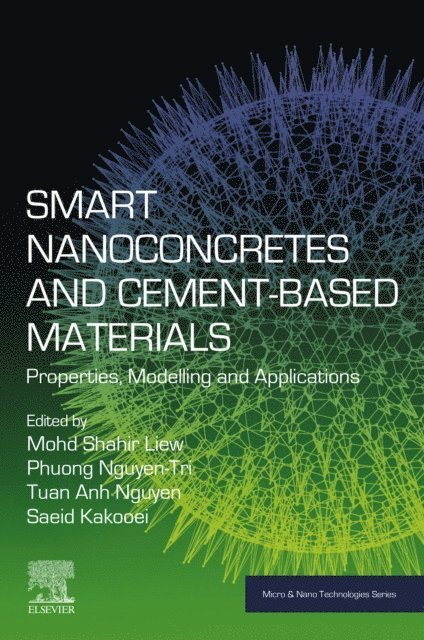
Discusses how the molecular design of nanocarriers can be optimized to increase performance Explores how nanocarriers are being used to produce a new generation of active coatings Explains how nanocarriers are being used to deliver more effective nanoscale drug deliverySmart Nanoconcretes and Cement-Based Materials
Properties, Modelling and Applications
2 300 kr
Skickas inom 7-10 vardagar
Smart Nanoconcretes and Cement-Based Materials: Properties, Modelling and Applications explores the fundamental concepts and applications of smart nanoconcretes with self-healing, self-cleaning, photocatalytic, antibacterial, piezoelectrical, heating and conducting properties and how they are used in modern high-rise buildings, hydraulic engineering, highways, tunnels and bridges. This book is an important reference source for materials scientists and civil engineers who are looking to enhance the properties of smart nanomaterials to create stronger, more durable concrete.
Explores the mechanisms through which active agents are released from nanocontainers inside concrete Shows how embedded smart nanosensors, including carbon cement-based smart sensors and micro/nano strain-sensors, are used to increase concrete performance Discusses the major challenges of integrating smart nanomaterials into concrete composites2 105 kr
Skickas inom 7-10 vardagar
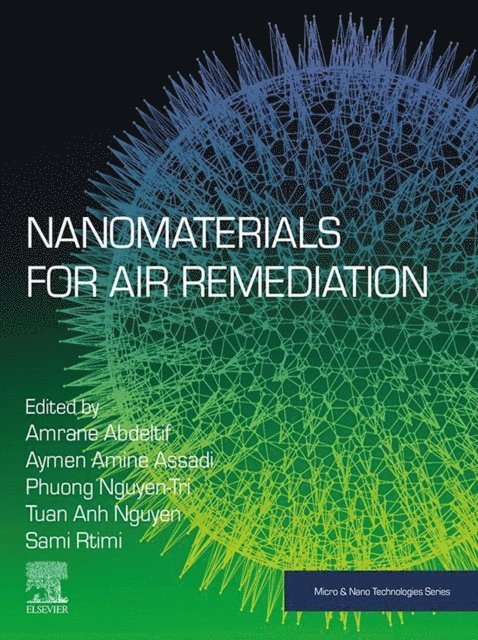
Nanomaterials for Air Remediation provides a comprehensive description of basic knowledge and current research progress in the field of air treatment using nanomaterials. The book explores how nanomaterials are used in various air remediation techniques, including advanced oxidation processes, biological processes, and filtration. It also covers their combined use as nanocatalysts, nanoantibiotics, nanoadsorbents, nanocontainers, nanofiltrations and nanosensors. Major challenges to using nanomaterials for improving air quality on a mass scale, both practical and regulatory, are also presented. This is an important resource for materials scientists and environmental engineers who are looking to understand how nanotechnology is used to enhance air quality.
Includes coverage of a wide range of nanomaterials, from biochemical to chemical materials, and nanomaterials supported photocatalysts Discusses how the properties of nanomaterials are being used to make more efficient air purification systems and products Assesses the practical and regulatory challenges of using different types of nanomaterials for air remediation2 105 kr
Skickas inom 7-10 vardagar
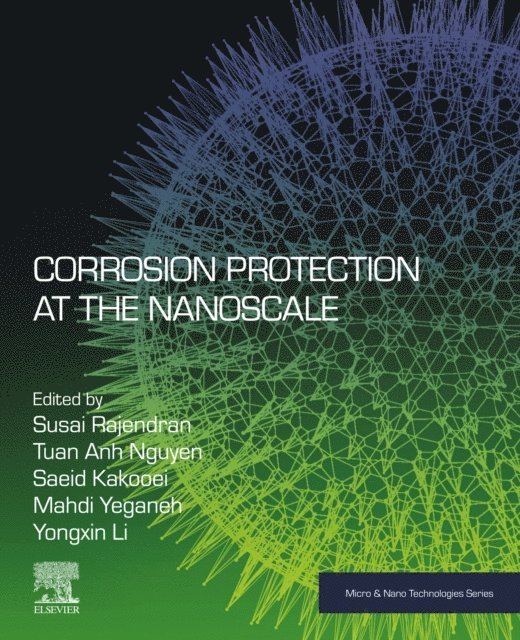
Corrosion Protection at the Nanoscale explores fundamental concepts on how metals can be protected at the nanoscale by using both nanomaterials-based solutions, including nanoalloys, noninhibitors and nanocoatings. It is an important reference resource for both materials scientists and engineers wanting to find ways to create an efficient corrosion prevention strategy. Nanostructure materials have been widely used in many products, such as print electronics, contact, interconnection, implant, nanosensors and display units to lessen the impact of corrosion. Traditional methods for protection of metals include various techniques, such as coatings, inhibitors, electrochemical methods (anodic and cathodic protections), metallurgical design are covered in this book.
Nanomaterials-based protective methods can offer many advantages over their traditional counterparts, such as protection for early-stage, higher corrosion resistance, better corrosion control. This book also outlines these advantages and discusses the challenges of implementing nanomaterials as corrosion protection agents on a wide scale.
Explains the main methods of detection, monitoring, testing, measurement and simulation of corrosion at the nanoscale Explores how metals can be protected at the nanoscale using nanotechnology and nanomaterials Discusses the major challenges of detecting and preventing corrosion at the nanoscale2 398 kr
Skickas inom 7-10 vardagar
Nanosensors for Smart Cities covers the fundamental design concepts and emerging applications of nanosensors for the creation of smart city infrastructures. Examples of major applications include logistics management, where nanosensors could be used in active transport tracking devices for smart tracking and tracing, and in agri-food productions, where nanosensors are used in nanochips for identity, and food inspection, and smart storage. This book is essential reading for researchers working in the field of advanced sensors technology, smart city technology and nanotechnology, and stakeholders involved in city management.
Nanomaterials based sensors (nanosensors) can offer many advantages over their microcounterparts, including lower power consumption, high sensitivity, lower concentration of analytes, and smaller interaction distance between object and sensor. With the support of artificial intelligence (AI) tools, such as fuzzy logic, genetic algorithms, neural networks, and ambient-intelligence, sensor systems are becoming smarter.
Provides information on the fabrication and fundamental design concepts of nanosensors for intelligent systems Explores how nanosensors are being used to better monitor and maintain infrastructure services, including street lighting, traffic management and pollution control Assesses the challenges for creating nanomaterials-enhanced sensors for mass-market consumer products2 105 kr
Skickas inom 7-10 vardagar
2 105 kr
Skickas inom 7-10 vardagar
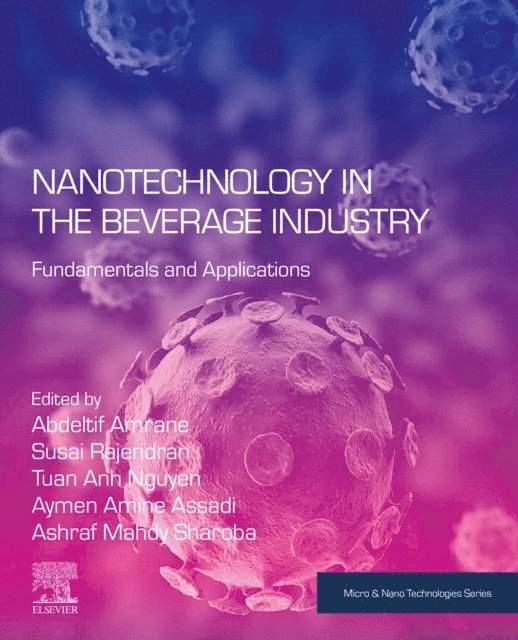
Nanotechnology in the Beverage industry: Fundamentals and Applications looks at how nanotechnology is being used to enhance water quality, as well as how the properties of nanomaterials can be used to create different properties in both alcoholic and no-alcoholic drinks and enhance the biosafety of both drinks and their packaging. This is an important reference for materials scientists, engineers, food scientists and microbiologists who want to learn more about how nanotechnology is being used to enhance beverage products.
As active packaging technology, nanotechnology can increase shelf-life and maintain the quality of beverages. In the field of water treatment, nanomaterials offer new routes to address challenges.
Describes the major properties that make nanomaterials good agents for increasing the purification of water and other beverages Outlines major nanoencapsulation techniques for use in a variety of beverage types Discusses the major challenges of using nanomaterials in both beverages and beverage packaging2 105 kr
Skickas inom 7-10 vardagar
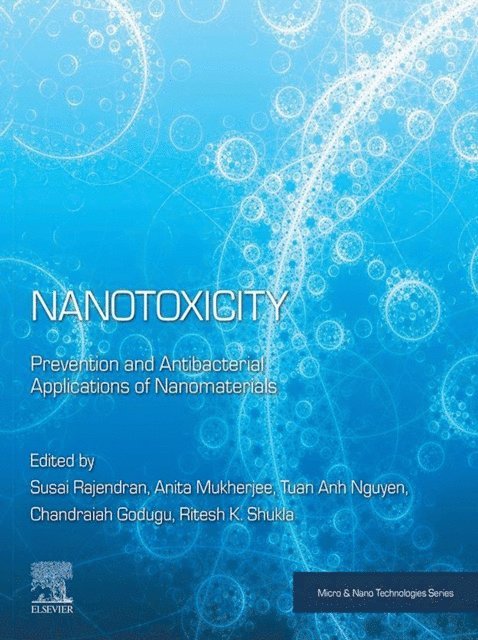
Nanotoxicity: Prevention, and Antibacterial Applications of Nanomaterials focuses on the fundamental concepts for cytotoxicity and genotoxicity of nanomaterials. It sheds more light on the underlying phenomena and fundamental mechanisms through which nanomaterials interact with organisms and physiological media. The book provides good guidance for toxic prevention methods and management in the manufacture/application/disposal. The book also discusses the potential applications of nanomaterials-based antibiotics.
The potential toxic effects of nanomaterials result not only from the type of base materials, but also from their size/ ligands/surface chemical modifications. This book discusses why different classes of nanomaterials display toxic properties, and what can be done to mitigate this toxicity. It also explores how nanomaterials are being used as antimicrobial agents, being used to purify air and water, and counteract a range of infectious diseases.
This is an important reference for materials scientists, environmental scientists and biomedical scientists, who are seeking to gain a greater understanding of how nanomaterials can be used to combat toxic agents, and how the toxicity of nanomaterials themselves can best be mitigated.
Explains the underlying phenomena and fundamental mechanisms through which nanomaterials interact with organisms and physiological media Outlines major methods for mitigating and prevention of nanotoxicity Discusses the applications of nanomaterials-based antibiotics2 398 kr
Skickas inom 7-10 vardagar
Nanotechnology has been incorporated into a wide range of garments to improve the durability of clothing / apparel and create new properties for a special end-used application. It also incorporates wearable electronics into clothing to make it smarter. Smart nano-textiles refers to the uses and integration of smart nanocoatings, nanosensors and nanodevices in multifunctional textiles, since they are both low cost and have low power consumption. Various organic and inorganic nanomaterials can be used in garments to improve their properties and create new properties such as anti-bacterial, superhydrophobic, auto-cleaning, self-cleaning, stain repellent, wrinkle-free, static eliminating, fire resistant and electrically conductive properties.
This book focuses on the fundamental concepts and approaches for the preparation of smart nanotextiles, their properties, and their applications in multifarious industries, including smart garments, biomedicine, construction/building materials, energy conversion/storage, automotive/aerospace industries and agriculture.
Shows how nanotechnology is being used to be able to enhance textiles with smart properties, including anti-bacterial, superhydrophobic and auto-cleaning Explores which nanomaterial types are most compatible with particular textile classes Assesses the major challenges of integrating nanosensors and nanodevices into textiles2 203 kr
Skickas inom 7-10 vardagar
The term 'nanobattery' can refer not only to the nanosized battery, but also to the uses of nanotechnology in a macro-sized battery for enhancing its performance and lifetime. Nanobatteries can offer many advantages over the traditional battery, including higher power density, shorter charging time, and longer shelf life. Nano-generators refer to the uses of nanosized devices and materials to convert mechanical, thermal and light-based energies into electricity. Similar to with traditional battery, in nanobatteries, the chemical energy is converted into electricity.
This book addresses the fundamental design concepts and promising applications of nanobatteries and nanogenerators. Particular application areas include healthcare, biomedical, smart nanodevices and nanosensors, which may require new electric power sources, including self-powered ability and nanostructured electric power sources. In this regard, nanobatteries and nanogenerators represent the next generation of electric power.
This is an important reference source for materials scientists, engineers and energy scientists, who are looking to increase their understanding of how nanotechnology is being used to create new energy storage and generation solutions.
Outlines the major design and fabrication principles and techniques for creating nano-sized batteries and generators Demonstrates how nanotechnology is being used to make batteries and generators more powerful and longer lasting Assesses the challenges of mass manufacturing nanobatteries and nanogenerators2 105 kr
Skickas inom 7-10 vardagar
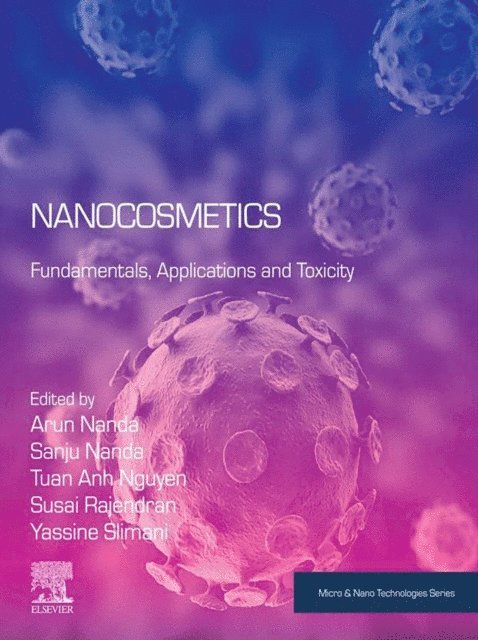
Nanotechnology is key to the design and manufacture of the new generation of cosmetics. Nanotechnology can enhance the performance and properties of cosmetics, including colour, transparency, solubility, texture, and durability. Sunscreen products, such as UV nano-filters, nano-TiO2 and nano-ZnO particles, can offer an advantage over their traditional counterparts due to their broad UV-protection and non-cutaneous side effects. For perfumes, nano-droplets can be found in cosmetic products including Eau de Toilette and Eau de Parfum.
Nanomaterials can also be used in cosmetics as transdermal drug delivery systems. By using smart nanocontainers, active compounds such as vitamins, antioxidants, nutrients, and anti-inflammatory, anti-infective agents, can be delivered effectively. These smart nanocontainers are typically related with the smart releasing property for their embedded active substances. These smart releases could be obtained by using the smart coatings as their outer nano-shells. These nano-shells could prevent the direct contact between these active agents and the adjacent local environments.
Nanocosmetics: Fundamentals, Applications and Toxicity explores the formulation design concepts and emerging applications of nanocosmetics. The book also focuses on the mitigation or prevention of their potential nanotoxicity, potential global regulatory challenges, and the technical challenges of mass implementation. It is an important reference source for materials scientists and pharmaceutical scientists looking to further their understanding of how nanotechnology is being used for the new generation of cosmetics.
Outlines the major fabrication and formulation design concepts of nanoscale products for cosmetic applications Explores how nanomaterials can safely be used for various applications in cosmetic products Assesses the major challenges of using nanomaterials for cosmetic applications on a large scale2 300 kr
Skickas inom 7-10 vardagar
Nanomaterials for Soil Remediation provides a comprehensive description on basic knowledge and current research progress in the field of soil treatment using nanomaterials. Soil pollution refers to the presence of toxic chemicals in soil. Compared with air and water remediations, soil remediation is technically more challenging due to its complex composition. The synergy between engineering and nanotechnology has resulted in rapid developments in soil remediation. Nanomaterials could offer new routes to address challenging and pressing issues facing soil pollution.
This book aims to explore how nanomaterials are used to cleanse polluted soils (organic compounds and heavy metal-contaminated soils) through various nanomaterials-based techniques (chemical/physical/biological techniques and their integrations).
Highlights how nanotechnology is being used to more accurately measure soil pollution levels Discusses how the properties of nanomaterials are being used to make more efficient soil remediation techniques and products Assesses the practical and regulatory challenges of using different nanomaterial-based products for soil repair2 264 kr
Skickas inom 7-10 vardagar
The gradual increase of population and the consequential rise in the energy demands in recent years have led to the widespread use of fossil fuels. CO2 transformation by various processes is considered as a promising alternative technology. This book sets out the fundaments of how nanomaterials are being used for this purpose.
Nanomaterials for CO2 Capture, Storage, Conversion and Utilization summarizes the research, development and innovations in the capture, storage, transformation and utilization of CO2 into useful products and raw chemicals for industry. This is achieved by using advanced processes such as CO2 reforming, bi-reforming and tri-reforming of hydrocarbons or biomass derivatives; homogeneous and heterogeneous hydrogenation; photochemical reduction; photoelectrochemical reduction; electrochemical reduction; biochemical reduction; supercritical CO2 technology; advanced catalyst synthesis for CO2 conversion; organic carbonates for polymers synthesis from CO2, and CO2 capture and sequestration. The systematic and updated reviews on the mentioned sectors, especially on the use of nanotechnology for the transformation of CO2 is scarce in the literature. Thus, the book addresses the recent knowledge gaps and potential solutions of the storage, utilization and transformation of CO2 as well as its promising applications.
This is an important reference source for materials scientists, engineers and energy scientists who want to understand how nanotechnology is helping us to solve some of the world's major energy problems.
Shows how nanomaterials are being used to create more efficient CO2 capture, storage and conversation systems Outlines the major nanomaterials-based techniques to create such systems Assesses the major challenges in using nanomaterials for energy capture, storage and conversion2 300 kr
Skickas inom 7-10 vardagar
Nanosensors for Smart Manufacturing provides information on the fundamental design concepts and emerging applications of nanosensors in smart manufacturing processes. In smart production, if the products and machines are integrated, embedded, or equipped with sensors, the system can immediately collect the current operating parameters, predict the product quality, and then feed back the optimal parameters to machines in the production line. In this regard, smart sensors and their wireless networks are important components of smart manufacturing.
Nanomaterials-based sensors (nanosensors) offer several advantages over their microscale counterparts, including lower power consumption, fast response time, high sensitivity, lower concentration of analytes, and smaller interaction distance between sensors and products. With the support of artificial intelligence (AI) tools such as fuzzy logic, genetic algorithms, neural networks, and ambient intelligence, sensor systems have become smarter. This is an important reference source for materials scientists and engineers who want to learn more about how nanoscale sensors can enhance smart manufacturing techniques and processes.
Outlines the smart nanosensor classes used in manufacturing applications Shows how nanosensors are being used to make more efficient manufacturing systems Assesses the major obstacles to designing nanosensor-based manufacturing systems at an industrial scale2 447 kr
Skickas inom 7-10 vardagar
Magnetic Nanoparticle-Based Hybrid Materials: Fundamentals and Applications introduces the principles, properties, and emerging applications of this important materials system. The hybridization of magnetic nanoparticles with metals, metal oxides and semiconducting nanoparticles may result in superior properties. The book reviews the most relevant hybrid materials, their mechanisms and properties. Then, the book focuses on the rational design, controlled synthesis, advanced characterizations and in-depth understanding of structure-property relationships. The last part addresses the promising applications of hybrid nanomaterials in the real world such as in the environment, energy, medicine fields.
Magnetic Nanoparticle-Based Hybrid Materials: Fundamentals and Applications comprehensively reviews both the theoretical and experimental approaches used to rapidly advance nanomaterials that could result in new technologies that impact day-to-day life and society in key areas such as health and the environment. It is suitable for researchers and practitioners who are materials scientists and engineers, chemists or physicists in academia and R&D.
Provides in-depth information on the basic principles of magnetic nanoparticles-based hybrid materials such as synthesis, characterization, properties, and magnon interactions Discusses the most relevant hybrid materials systems including integration of metals, metal oxides, polymers, carbon and more Addresses the emerging applications in medicine, the environment, energy, sensing, and computing enabled by magnetic nanoparticles-based hybrid materialsMicro- and Nanotechnology Enabled Applications for Portable Miniaturized Analytical Systems
2 300 kr
Skickas inom 7-10 vardagar
Micro- and Nanotechnology Enabled Applications for Portable Miniaturized Analytical Systems outlines the basic principles of miniaturized analytical devices, such as spectrometric, separation, imaging and electrochemical miniaturized instruments. Concepts such as smartphone-enabled miniaturized detection systems and micro/nanomachines are also reviewed. Subsequent chapters explore the emerging application of these mobile devices for miniaturized analysis in various fields, including medicine and biomedicine, environmental chemistry, food chemistry, and forensic chemistry. This is an important reference source for materials scientists and engineers wanting to understand how miniaturization techniques are being used to create a range of efficient, sustainable electronic and optical devices.
Miniaturization describes the concept of manufacturing increasingly smaller mechanical, optical, and electronic products and devices. These smaller instruments can be used to produce micro- and nanoscale components required for analytical procedures. A variety of micro/nanoscale materials have been synthesized and used in analytical procedures, such as sensing materials, sorbents, adsorbents, catalysts, and reactors. The miniaturization of analytical instruments can be applied to the different steps of analytical procedures, such as sample preparation, analytical separation, and detection, reducing the total cost of manufacturing the instruments and the needed reagents and organic solvents.
Outlines how miniaturization techniques can be used to create new optical and electronic micro- and nanodevices Explores major application areas, including biomedicine, environmental science and security Assesses the major challenges of using miniaturization techniques2 203 kr
Skickas inom 7-10 vardagar
Nano-Bioremediation: Fundamentals and Applications explores how nano-bioremediation is used to remedy environmental pollutants. The book's chapters focus on the design, fabrication and application of advanced nanomaterials and their integration with biotechnological processes for the monitoring and treatment of pollutants in environmental matrices. It is an important reference source for materials scientists, engineers and environmental scientists who are looking to increase their understanding of bioremediation at the nanoscale. The mitigation of environmental pollution is the biggest challenge to researchers and the scientific community, hence this book provides answers to some important questions.
As an advanced hybrid technology, nano-bioremediation refers to the integration of nanomaterials and bioremediation for the remediation of pollutants. The rapid pace of urbanization, massive development of industrial sectors, and modern agricultural practices all cause a controlled or� uncontrolled release of environmentally-related hazardous contaminants that are seriously threatening every key sphere, including the atmosphere, hydrosphere, biosphere, lithosphere, and anthroposphere.
Explores the current and potential applications of nano-bioremediation in the remediation of hazardous pollutants Outlines the major properties and classes of nanomaterials that make them efficient bioremediation agents Assesses the major challenges of effectively implementing bioremediation techniques at the nanoscale2 203 kr
Skickas inom 7-10 vardagar
2 268 kr
Skickas inom 7-10 vardagar
Nanotechnology for Hematology, Blood Transfusion, and Artificial Blood outlines the fundamental design concepts and emerging applications of nanotechnology in hematology, blood transfusion and artificial blood. This book is an important reference source for materials scientists, engineers and biomedical scientists who are looking to increase their understanding of how nanotechnology can lead to more efficient blood treatments. Sections focus on how nanotechnology could offer new routes to address challenging and pressing issues facing rare blood diseases and disorders and how nanomaterials can be used as artificial cell-like systems (compartmentalized biomimetic nanocontainers), which are especially useful in drug delivery.
For artificial blood, the nanotechnological approach can fabricate artificial red blood cells, platelet substitutes, and white blood cell substitutes with their inherent enzyme and other supportive systems. In addition, nanomaterials can promote blood vessel growth and reserve red blood cells at a positive temperature.
Provides information on how nanotechnology can be used to create more efficient solutions for blood transfusions and hematology treatments Explores the major nanomaterial types that are used for these treatments Assesses the major challenges of using nanomaterials hematology2 203 kr
Skickas inom 7-10 vardagar
Silicon-Based Hybrid Nanoparticles: Fundamentals, Properties, and Applications focuses on the fundamental principles and promising applications of silicon-based hybrid nanoparticles in nanoelectronics, energy storage/conversion, catalysis, sensors, biomedicine, environment and imaging. This book is an important reference source for materials scientists and engineers who are seeking to understand more about the major properties and applications of silicon-based hybrid nanoparticles. As the hybridization of silicon nanoparticles with other semiconductors or metal oxides nanoparticles may exhibit superior features, when compared to lone, individual nanoparticles, this book provides the latest insights.
In addition, the silicon/iron oxide hybrid nanoparticles also possess excellent fluorescence, super-paramagnetism, and biocompatibility that can be effectively used for the diagnostic imaging system in vivo. Similarly, gold-silicon nanohybrids could be used as highly efficient near-infrared hyperthermia agents for cancer cell destruction.
Outlines the major thermal, electrical, optical, magnetic and toxic properties of silicon-based hybrid nanoparticles Describes major applications in energy, environmental science and catalysis Assesses the major challenges to manufacturing silicon-based nanostructured materials on an industrial scale2 203 kr
Skickas inom 7-10 vardagar
Biopolymeric Nanomaterials: Fundamentals and Applications outlines the fundamental design concepts and emerging applications of biopolymeric nanomaterials. The book also provides information on emerging applications of biopolymeric nanomaterials, including in biomedicine, manufacturing and water purification, as well as assessing their physical, chemical and biological properties. This is an important reference source for materials scientists, engineers and biomedical scientists who are seeking to increase their understanding of how polymeric nanomaterials are being used for a range of biomedical and industrial applications.
Biopolymeric nanomaterials refer to biocompatible nanomaterials, consisting of biopolymers, such as protein (silk, collagen, gelatin, ?-casein, zein, and albumin), protein-mimicked polypeptides and polysaccharides (chitosan, alginate, pullulan, starch, and heparin). Biopolymeric nanomaterials may be used as i) delivery systems for bioactive compounds in food application, (ii) for delivery of therapeutic molecules (drugs and genes), or for (iii) tissue engineering.
Provides information on the design concepts and synthesis of biopolymeric nanomaterials in biomedical and industrial applications Highlights the major properties and processing methods for biopolymeric nanomaterials Assesses the major challenges of producing biopolymeric nanomaterials on an industrial scale2 300 kr
Skickas inom 7-10 vardagar
Nanomaterials for Biocatalysis explains the fundamental design concepts and emerging applications of nanoscale biocatalysts, such as bioconversions, bioelectronics, biosensors, biocomputing and therapeutic applications. Nano-biocatalysts refers to the incorporation of enzymes into nanomaterials. These enzyme-enhanced nanocarriers have many advantages, including low mass transfer limitation, high enzyme capacity, better stabilization, and the formation of single-enzyme nanoparticles. Smart nanocontainers have been developed for the smart release of their embedded active substances. These smart releases can be obtained by using smart coatings as their outer nanoshells.
In addition, these nanocontainers could protect the enzymes from chemical or metabolic alterations on their delivering pathways towards the target. This is an important reference source for materials scientists and chemical engineers who want to know more about how nanomaterials are being used for biocatalysis applications.
Explains the major fabrication techniques and applications of nanobiocatalysts Shows how nanobiocatalysts are used in a variety of environmental and biomedical sectors Assesses the major challenges associated with the widespread manufacture of nanobiocatalysts2 678 kr
Skickas inom 7-10 vardagar
Nanosensors for Smart Agriculture covers new breakthroughs in smart agriculture, highlighting new technologies, such as the internet of things, big data and artificial intelligence. In addition, the book provides the many advantages of nanosensors over their micro counterparts, such as lower power consumption, higher sensitivity, lower concentration of analytes, and smaller interaction distances between the object and sensor. Sections provide information on fundamental design concepts and emerging applications of nanosensors in smart agriculture. The book highlights how, when cultivating soil, nanosensors and their wireless networks can be used for soil quality monitoring (moisture/herbicides/organic compound/trace metals monitoring in soil, etc.
Other applications cover how smart nanosensors can be used for virus detection and hygiene/pathogen controls in livestocks, their use as active transport tracking devices for smart tracking and tracing, and other various applications, such as (i) nanochips for identity (radio frequency identification), (ii) food inspection, (iii) intelligent food packaging, and (iv) smart storage. This is an important reference source for materials scientists and agricultural engineers who are looking to understand more about how nanosensor technology can be used to create more efficient and sustainable agricultural systems.
Outlines the fabrication and fundamental design concepts of nanosensors for agricultural applications Explains how nanosensors are being used throughout the agricultural cycle - from crop growth to food manufacturing Assesses major challenges surrounding the application of nanosensors to agricultural applications in mass scale2 203 kr
Skickas inom 7-10 vardagar
2 203 kr
Skickas inom 7-10 vardagar
Nanotechnology in Fuel Cells focuses on the use of nanotechnology in macroscopic and nanosized fuel cells to enhance their performance and lifespan. The book covers the fundamental design concepts and promising applications of nanotechnology-enhanced fuel cells and their advantages over traditional fuel cells in portable devices, including longer shelf life and lower cost. In the case of proton-exchange membrane fuel cells (PEMFCs), nano-membranes could provide 100 times higher conductivity of hydrogen ions in low humidity conditions than traditional membranes. For hydrogen fuel cell, nanocatalysts (Pt hybrid nanoparticles) could provide 12 times higher catalytic activity.
This is an important reference source for materials scientists and engineers who are looking to understand how nanotechnology is being used to create more efficient macro- and nanosized fuel cells.
Outlines how fuel cells can be nanoengineered to enhance their performance and lifespan Covers a variety of fuel cell types, including proton-exchange membrane fuel cells and hydrogen-based fuel cells Assesses the major challenges of nanoengineering fuel cells at an industrial scaleNanotechnology in Paper and Wood Engineering
Fundamentals, Challenges and Applications
2 386 kr
Skickas inom 7-10 vardagar
Hybrid and Combined Processes for Air Pollution Control
Methodologies, Mechanisms and Effect of Key Parameters
2 142 kr
Skickas inom 7-10 vardagar
Hybrid and Combined Processes for Air Pollution Control: Methodologies, Mechanisms and Effect of Key Parameters provides an exhaustive inventory of hybrid and combined processes in the field of air treatment. The book covers principles, the effect of key parameters, technologies and reactors of the processes and their implementation, from lab-scale to industrial scale, also identifying future trends. Sections discuss effects on the environment and living beings, identify novel techniques and innovations, and offer a thorough assessment of the strengths and weaknesses of each.
In this well-structured book, chapters are linked to the type of treatment, with a significant part dealing with treatment by transfer processes: (absorption and absorption) and on destruction treatments, such as advanced oxidation processes.
Helps readers select the most appropriate process for air pollution treatment and control Provides a comprehensive overview of process performance under real conditions, from lab to industrial scale Identifies future trends in industrial developments and innovation2 020 kr
Skickas inom 7-10 vardagar
Plasma technology can facilitate the fabrication of nanomaterials and nanoscale structures. On the other hand, nanotechnology could be possibly used in plasma science. Several advanced nanomaterials and nanodevices could be used to fabricate nanoplasma (nanoscale plasma), such as nanoelectrodes, nanoantennae, nanolasers, nanoreactors, nanomagnets, nanosensors, nanobatteries, nanogenerator and supercapacitors.
This book provides information on fundamental design concepts and promising applications of nanoplasma. It explains how, for the next generation of electronic devices with high data rate communications, a high-speed operation of electronic switches could be attained using nanoplasma. Similarly, in the field of heath and aesthetics, nanoplasma can be used as a non-surgical localized treatments for the face and neck, such as eyelid correction. In addition, various kinds of advanced nanostructures can be fabricated using the plasma technology
Outlines the main properties of nanotechnology-enhanced plasma Discusses major applications of plasma technology Assesses the major challenges of manufacturing nanoplasma on an industrial scale2 934 kr
Skickas inom 7-10 vardagar
Nanotechnology in the Automotive Industry explores how nanotechnology and nanomaterials are used to enhance the performance of materials and devices for automotive application by fabricating nano-alloys, nanocomposites, nano coatings, nanodevices, nanocatalysts and nanosensors. Consisting of 36 chapters in 6 parts, this new volume in the Micro and Nano Technologies series is for materials scientists, nanotechnologists and automotive engineers working with nanotechnology and nanomaterials for automotive applications.
Nanotechnology is seen as one of the core technologies for the future automotive industry to sustain competitiveness. The benefits that nanotechnology brings to the automotive sector include stronger and lighter materials for increased safety and reduced fuel consumption, improved engine performance and fuel consumption for gasoline powered vehicles due to nanocatalysts, fuel additives and lubricants, and more.
Discusses various approaches and techniques such as nanoalloys, nanocomposites, nanocoatings, nanodevices, nanocatalysts and nanosensors used in modern vehicles Presents the challenges and future of automotive materials Explores how nanotechnology and nanomaterials are used to enhance the performance of materials and devices for automotive applications