Sara E. Davies - Böcker
Visar alla böcker från författaren Sara E. Davies. Handla med fri frakt och snabb leverans.
14 produkter
14 produkter
929 kr
Skickas inom 7-10 vardagar
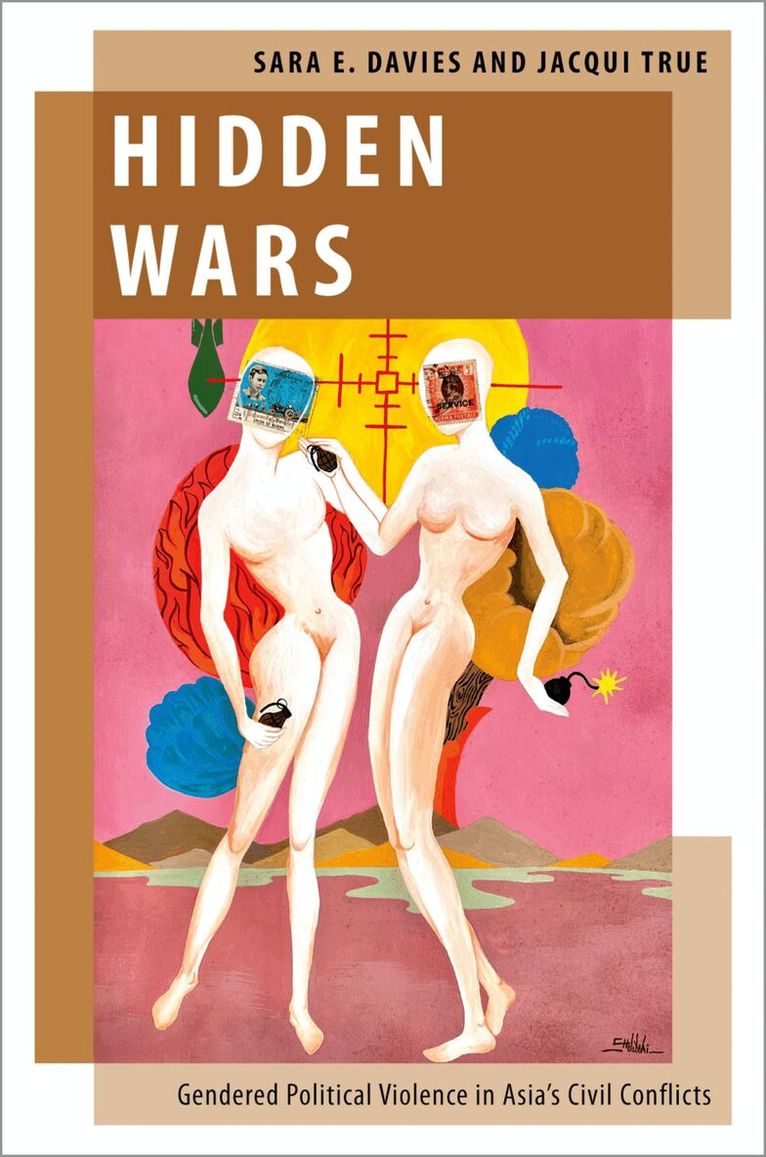
Sexual and gender-based violence (SGBV) has always been a part of warfare. In Asia, testimonies of egregious rape and sexual violence extend back to the Rape of Nanjing, to the experience of the Korean comfort women in World War II, and to forced marriages and sexual slavery during the Cambodian genocide. The past two decades have yielded crucial new insights about SGBV, but scholars and researchers still struggle to explain why and when this violence occurs. A major problem is that incidences of SGBV are vastly underreported; reliable data is especially scarce in Asia, where demographic and health surveys are infrequent and national reporting systems are underdeveloped relative to other parts of the globe. Asia also has some of the most protracted conflicts in the world but the complexity of subnational conflicts in Asia often masks the gendered dimensions of violence. In Hidden Wars, Sara E. Davies and Jacqui True examine the relationship between reports of SGBV and structural gender inequality in three conflict-affected societies in Asia--Burma, the Philippines, and Sri Lanka. Based on extensive field research and an original dataset on conflict-related SGBV, Davies and True show how reporting is significantly constrained by a variety of factors, including normalized gendered violence as well as political dynamics affecting local civil society, humanitarian, and international organizations. They address the real-world limitations of data collection and argue that these constraints reinforce a culture of silence and impunity that perpetuates SGBV and permits governments to abrogate their responsibility for this violence. Hidden Wars breaks new methodological ground in showing that what we know about SGBV can be understood fully only if the politicized context of reporting SGBV and data collection is taken into consideration.
278 kr
Skickas inom 5-8 vardagar
Sexual and gender-based violence (SGBV) has always been a part of warfare. In Asia, testimonies of egregious rape and sexual violence extend back to the Rape of Nanjing, to the experience of the Korean comfort women in World War II, and to forced marriages and sexual slavery during the Cambodian genocide. The past two decades have yielded crucial new insights about SGBV, but scholars and researchers still struggle to explain why and when this violence occurs. A major problem is that incidences of SGBV are vastly underreported; reliable data is especially scarce in Asia, where demographic and health surveys are infrequent and national reporting systems are underdeveloped relative to other parts of the globe. Asia also has some of the most protracted conflicts in the world but the complexity of subnational conflicts in Asia often masks the gendered dimensions of violence. In Hidden Wars, Sara E. Davies and Jacqui True examine the relationship between reports of SGBV and structural gender inequality in three conflict-affected societies in Asia--Burma, the Philippines, and Sri Lanka. Based on extensive field research and an original dataset on conflict-related SGBV, Davies and True show how reporting is significantly constrained by a variety of factors, including normalized gendered violence as well as political dynamics affecting local civil society, humanitarian, and international organizations. They address the real-world limitations of data collection and argue that these constraints reinforce a culture of silence and impunity that perpetuates SGBV and permits governments to abrogate their responsibility for this violence. Hidden Wars breaks new methodological ground in showing that what we know about SGBV can be understood fully only if the politicized context of reporting SGBV and data collection is taken into consideration.
2 524 kr
Skickas inom 7-10 vardagar
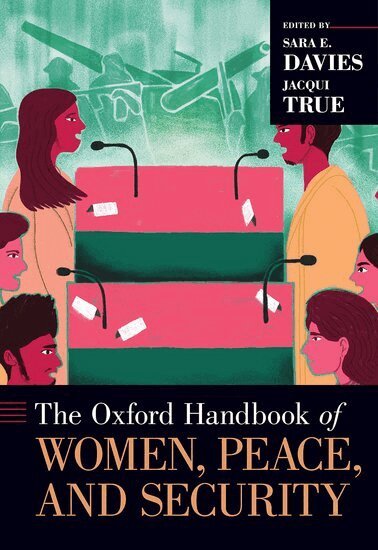
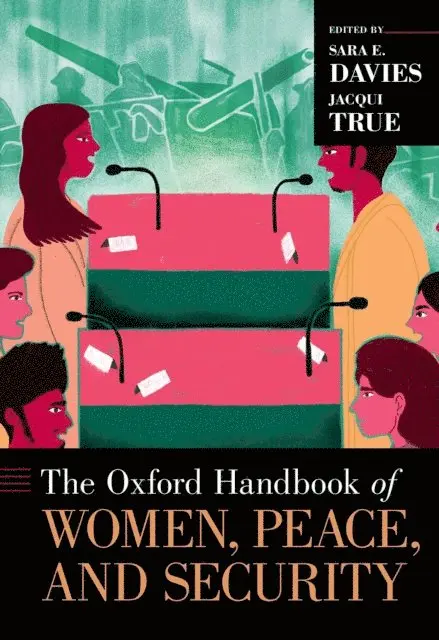
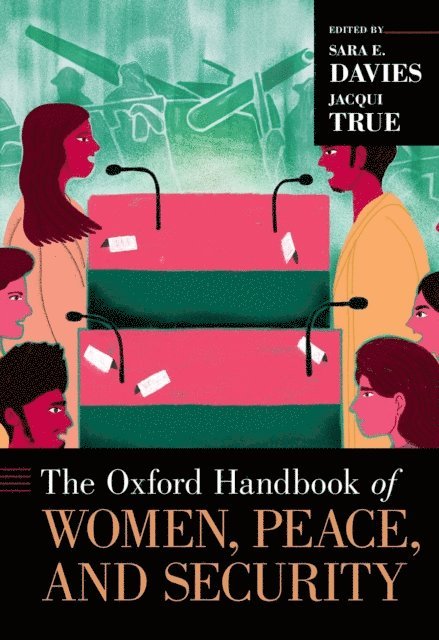
Passed in 2000, the United Nations Security Council Resolution 1325 and subsequent seven Resolutions make up the Women, Peace, and Security (WPS) agenda. This agenda is a significant international normative and policy framework addressing the gender-specific impacts of conflict on women and girls, including protection against sexual and gender-based violence, promotion of women's participation in peace and security processes, and support for women's roles as peace builders in the prevention of conflict and rebuilding of societies after conflict. Implementation within and across states and international organizations - and within peace and security operations - has been slow despite significant transnational advocacy in support of the WPS agenda. The Oxford Handbook of Women, Peace, and Security brings together scholars, advocates, and policymakers to provide an overview of what we know concerning what works to promote women's participation in peace and security, what works to protect women and girls from sexual and gender-based violence and other human rights violations, and what works to prevent conflict drawing on women's experiences and knowledge of building peace from local to global levels. Just as importantly, it addresses the gaps in knowledge on and the future direction of scholarship on WPS. The handbook particularly aims to build on the findings from the 2015 Global Study of Resolution 1325, commissioned by the UN-Secretary General. Over the course of six sections, the handbook addresses the concepts and early history behind WPS; the theory and practice of WPS; international institutions involved with the WPS agenda; the implementation of WPS in conflict prevention, peace operations, peace building, arms control, human-rights protection, and protection of civilians; connections between WPS and other UN resolutions and agendas; and the ongoing and future challenges of WPS.
642 kr
Skickas inom 5-8 vardagar
Passed in 2000, the United Nations Security Council Resolution 1325 and subsequent seven Resolutions make up the Women, Peace, and Security (WPS) agenda. This agenda is a significant international normative and policy framework addressing the gender-specific impacts of conflict on women and girls, including protection against sexual and gender-based violence, promotion of women's participation in peace and security processes, and support for women's roles as peace builders in the prevention of conflict and rebuilding of societies after conflict. Implementation within and across states and international organizations - and within peace and security operations - has been slow despite significant transnational advocacy in support of the WPS agenda. The Oxford Handbook of Women, Peace, and Security brings together scholars, advocates, and policymakers to provide an overview of what we know concerning what works to promote women's participation in peace and security, what works to protect women and girls from sexual and gender-based violence and other human rights violations, and what works to prevent conflict drawing on women's experiences and knowledge of building peace from local to global levels. Just as importantly, it addresses the gaps in knowledge on and the future direction of scholarship on WPS. The Handbook particularly aims to build on the findings from the 2015 Global Study of Resolution 1325, commissioned by the UN-Secretary General. Over the course of six sections, the Handbook addresses the concepts and early history behind WPS; the theory and practice of WPS; international institutions involved with the WPS agenda; the implementation of WPS in conflict prevention, peace operations, peace building, arms control, human-rights protection, and protection of civilians; connections between WPS and other UN resolutions and agendas; and the ongoing and future challenges of WPS.
2 576 kr
Skickas inom 10-15 vardagar
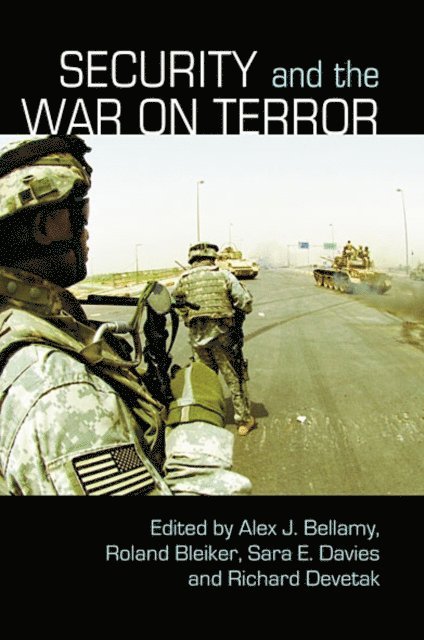
The terrorist attacks of 11 September 2001 marked a turning point in international politics, representing a new type of threat that could not easily be anticipated or prevented through state-based structures of security alone. Opening up interdisciplinary conversations between strategic, economic, ethical and legal approaches to global terrorism, this edited book recognises a fundamental issue: while major crises initially tend to reinforce old thinking and behavioural patterns, they also allow societies to challenge and overcome entrenched habits, thereby creating the foundations for a new and perhaps more peaceful future.This volume addresses the issues that are at stake in this dual process of political closure, and therefore rethinks how states can respond to terrorist threats. The contributors range from leading conceptual theorists to policy-oriented analysts, from senior academics to junior researchers. The book explores how terrorism has had a profound impact on how security is being understood and implemented, and uses a range of hitherto neglected sources of insight, such as those between political, economic, legal and ethical factors, to examine the nature and meaning of security in a rapidly changing world.
676 kr
Skickas inom 10-15 vardagar
The terrorist attacks of 11 September 2001 marked a turning point in international politics, representing a new type of threat that could not easily be anticipated or prevented through state-based structures of security alone. Opening up interdisciplinary conversations between strategic, economic, ethical and legal approaches to global terrorism, this edited book recognises a fundamental issue: while major crises initially tend to reinforce old thinking and behavioural patterns, they also allow societies to challenge and overcome entrenched habits, thereby creating the foundations for a new and perhaps more peaceful future.This volume addresses the issues that are at stake in this dual process of political closure, and therefore rethinks how states can respond to terrorist threats. The contributors range from leading conceptual theorists to policy-oriented analysts, from senior academics to junior researchers. The book explores how terrorism has had a profound impact on how security is being understood and implemented, and uses a range of hitherto neglected sources of insight, such as those between political, economic, legal and ethical factors, to examine the nature and meaning of security in a rapidly changing world.
Politics of Surveillance and Response to Disease Outbreaks
The New Frontier for States and Non-state Actors
Häftad, Engelska, 2017
752 kr
Skickas inom 10-15 vardagar
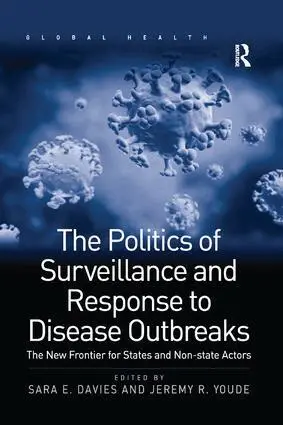
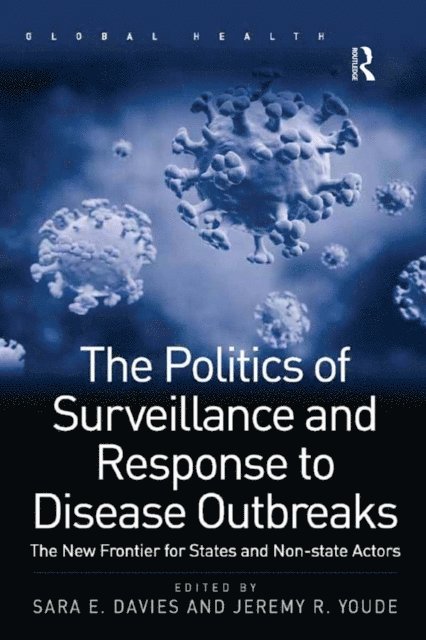
The capacity to conduct international disease outbreak surveillance and share information about outbreaks quickly has empowered both State and Non-State Actors to take an active role in stopping the spread of disease by generating new technical means to identify potential pandemics through the creation of shared reporting platforms. Despite all the rhetoric about the importance of infectious disease surveillance, the concept itself has received relatively little critical attention from academics, practitioners, and policymakers. This book asks leading contributors in the field to engage with five key issues attached to international disease outbreak surveillance - transparency, local engagement, practical needs, integration, and appeal - to illuminate the political effect of these technologies on those who use surveillance, those who respond to surveillance, and those being monitored.
Politics of Surveillance and Response to Disease Outbreaks
The New Frontier for States and Non-state Actors
Inbunden, Engelska, 2015
2 166 kr
Skickas inom 10-15 vardagar
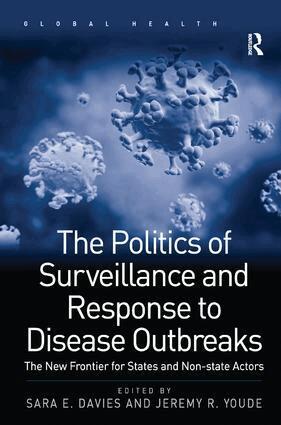
The capacity to conduct international disease outbreak surveillance and share information about outbreaks quickly has empowered both State and Non-State Actors to take an active role in stopping the spread of disease by generating new technical means to identify potential pandemics through the creation of shared reporting platforms. Despite all the rhetoric about the importance of infectious disease surveillance, the concept itself has received relatively little critical attention from academics, practitioners, and policymakers. This book asks leading contributors in the field to engage with five key issues attached to international disease outbreak surveillance - transparency, local engagement, practical needs, integration, and appeal - to illuminate the political effect of these technologies on those who use surveillance, those who respond to surveillance, and those being monitored.
542 kr
Skickas inom 5-8 vardagar
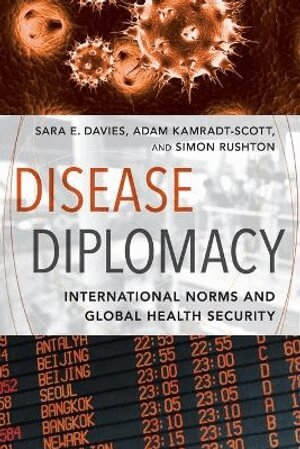
In the age of air travel and globalized trade, pathogens that once took months or even years to spread beyond their regions of origin can now circumnavigate the globe in a matter of hours. Amid growing concerns about such epidemics as Ebola, SARS, MERS, and H1N1, disease diplomacy has emerged as a key foreign and security policy concern as countries work to collectively strengthen the global systems of disease surveillance and control. The revision of the International Health Regulations (IHR), eventually adopted by the World Health Organization's member states in 2005, was the foremost manifestation of this novel diplomacy The new regulations heralded a profound shift in international norms surrounding global health security, significantly expanding what is expected of states in the face of public health emergencies and requiring them to improve their capacity to detect and contain outbreaks.Drawing on Martha Finnemore and Kathryn Sikkink's "norm life cycle" framework and based on extensive documentary analysis and key informant interviews, Disease Diplomacy traces the emergence of these new norms of global health security, the extent to which they have been internalized by states, and the political and technical constraints governments confront in attempting to comply with their new international obligations. The authors also examine in detail the background, drafting, adoption, and implementation of the IHR while arguing that the very existence of these regulations reveals an important new understanding: that infectious disease outbreaks and their management are critical to national and international security. The book will be of great interest to academic researchers, postgraduate students, and advanced undergraduates in the fields of global public health, international relations, and public policy, as well as health professionals, diplomats, and practitioners with a professional interest in global health security.
644 kr
Skickas inom 7-10 vardagar
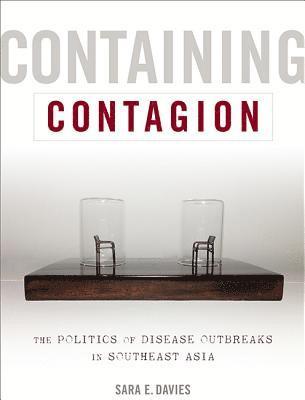
Do states have a duty to prevent infectious disease outbreaks from spreading beyond their borders?The fields of global health and international relations are increasingly concerned with the responsibilities of nations to respond to disease outbreaks in a way that safeguards their neighbors as well as the broader international community. In Containing Contagion, Sara E. Davies focuses on one of the world's most pivotal (and riskiest) regions in the field of global health—Southeast Asia, which in recent years has responded to a wave of emerging and endemic infectious disease outbreaks ranging from Nipah, SARS, and avian flu to dengue and Japanese encephalitis.Between 2005 and 2010, Davies explains, Southeast Asian states, despite having vastly different health system capacities and political systems, repeatedly committed to pursue a collective approach to the communication of outbreaks. Davies draws on newly gathered data and extensive field interviews to explore how these states implemented the revised International Health Regulations (IHR) through the deliberate alignment of political interests and regional cooperation. Examining why these Southeast Asian states adopted a collective approach, Davies also describes the complications that ensued and traces the consequences of this approach.The first book to explore what problems exist in the relationship between international relations and health, Containing Contagion frames contrasting views of global health agency within the current crises that are facing global health. Providing an immediate, contemporary example of a region networking its response to disease outbreak events, this insightful book will appeal to global health governance scholars, students, and practitioners.
Dynamics of Conflict-Related Sexual and Gender-Based Violence
Comparing Impact Across Global Regions
Inbunden, Engelska, 2024
1 428 kr
Skickas inom 3-6 vardagar
Due to the international importance attached to the reporting of conflict-related sexual and gender-based violence (SGBV) over the last two decades, scholars have been able to examine the magnitude of the problem across different situations and types of conflict. But what changes to intensity and type of violence occur during different phrases of conflict intensity? Is reporting consistent across different conflicts and different regional experiences of conflict-related SGBV? This book examines different conflict situations in Africa, Latin America, the Middle East, and Asia over the past decade, 2010–2020. The chapters in the book use a mixed-method approach to explore the patterns of violence in situations of one-sided violence, state-led violence, non-state-led violence, low intensity violence, terrorism and fragility. They investigate the trajectory of international and prevention efforts, and the development of country-level responses to reports of sexual and gender-based violence in these various conflict situations. The book explains how and why these responses were mobilised in response to reports and considers the conditions for effective reporting in real time considering the patterns and the structural root causes of the violence.
1 450 kr
Skickas inom 5-8 vardagar
This edited collection has sought contributions from some of the foremost scholars of refugee and Internally Displaced Persons (IDP) studies to engage with the conceptual and practical difficulties entailed in realising how the Responsibility to Protect (R2P) can be fulfilled by states and the international community to protect vulnerable persons. Contributors to this book were given one theme: to consider, based on their experience and knowledge, how R2P may be aligned with the protection of the displaced. Contributions explore the history and progress so far in aligning R2P with refugee and IDP protection, as well as examining the conceptual and practical issues that arise when attempting to expand R2P from words into deeds.
1 256 kr
Skickas inom 5-8 vardagar
The Responsibility to Protect (R2P) is a major new international principle, adopted unanimously in 2005 by Heads of State and Government. Whilst it is broadly acknowledged that the principle has an important and intimate relationship with international law, especially the law relating to sovereignty, peace and security, human rights and armed conflict, there has yet to be a volume dedicated to this question. The Responsibility to Protect and International Law fills that gap by bringing together leading scholars from North America, Europe and Australia to examine R2P’s legal content.The Responsibility to Protect and International Law focuses on questions relating to R2P’s legal quality, its relationship with sovereignty, and the question of whether the norm establishes legal obligations. It also aims to introduce readers to different legal perspectives, including feminism, and pressing practical questions such as how the law might be used to prevent genocide and mass atrocities, and punish the perpetrators.
Responsibility to Protect and Women, Peace and Security
Aligning the Protection Agendas
Häftad, Engelska, 2013
1 450 kr
Skickas inom 5-8 vardagar
In Responsibility to Protect and Women, Peace and Security: Aligning the Protection Agendas, editors Davies, Nwokora, Stamnes and Teitt address the intersections of the Responsibility to Protect (R2P) principle and the Women, Peace, and Security (WPS) agenda. Widespread or systematic sexual or gender-based violence is a war crime, a crime against humanity and an act of genocide, all of which are clearly addressed in the R2P principle. The protection of those at risk of widespread sexual violence is therefore not only relative to the Women, Peace and Security (WPS) agenda, but a fundamental sovereign obligation for all states as part of their commitment to R2P. Contributions from policy-makers and academics consider both the merits and the utility of aligning the protection agendas of R2P and WPS. Ultimately, a number of actionable recommendations are made concerning a unification of the agendas to best support the global empowerment of women and prevention of mass atrocities.