Sara Rich – författare
Visar alla böcker från författaren Sara Rich. Handla med fri frakt och snabb leverans.
12 produkter
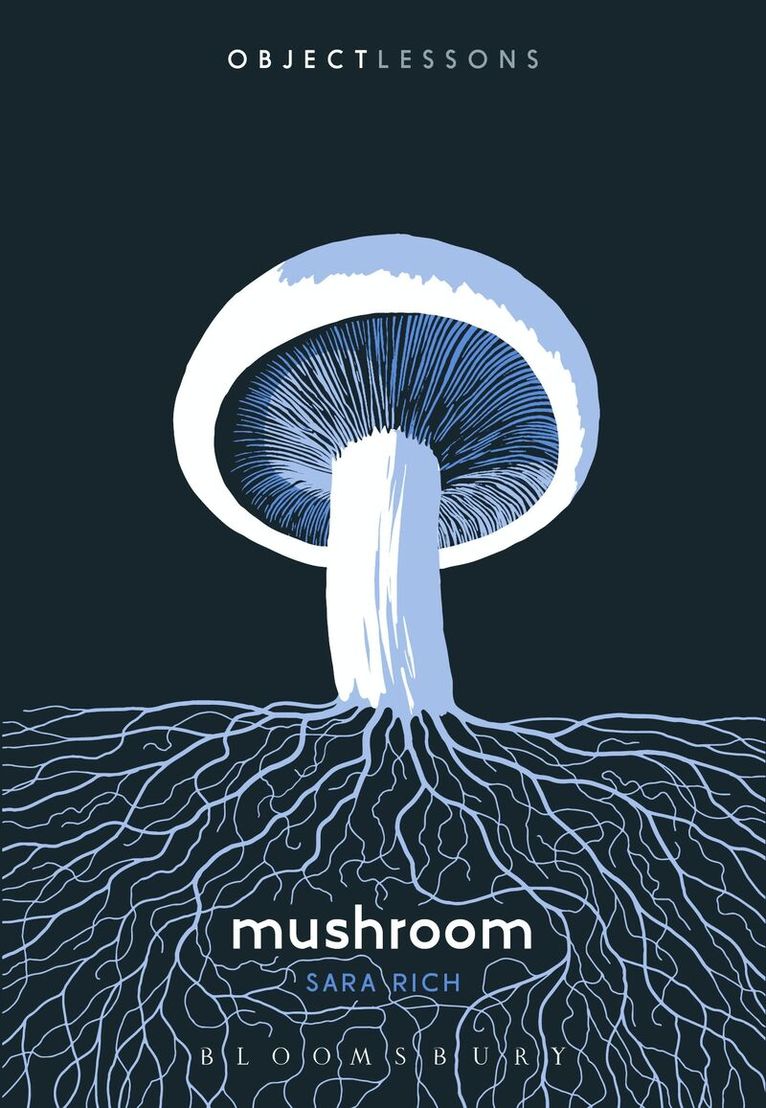
Mushroom
Av Sara Rich, Ian Bogost m. fl.
Häftad, 2023
146 kr
Lägg i varukorg
Object Lessons is a series of short, beautifully designed books about the hidden lives of ordinary things.They are the things we step on without noticing and the largest organisms on Earth. They are symbols of inexplicable growth and excruciating misery. They are grouped with plants, but they …
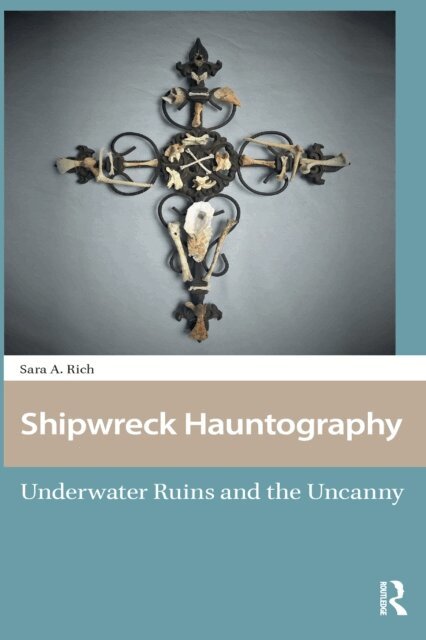
Shipwreck Hauntography
Underwater Ruins and the Uncanny
Av Sara Rich
E-bok, 2025
856 kr
Lägg i varukorg
Drawing on a broad theoretical range from speculative realism to feminist psychoanalysis and anti-colonialism, this book represents a radical departure from traditional scholarship on maritime archaeology. Shipwreck Hauntography asserts that nautical archaeology bears the legacy of Early Modern …
Shipwreck Hauntography
Underwater Ruins and the Uncanny
Av Sara Rich
E-bok, 2025
856 kr
Lägg i varukorg
Drawing on a broad theoretical range from speculative realism to feminist psychoanalysis and anti-colonialism, this book represents a radical departure from traditional scholarship on maritime archaeology. Shipwreck Hauntography asserts that nautical archaeology bears the legacy of Early Modern …
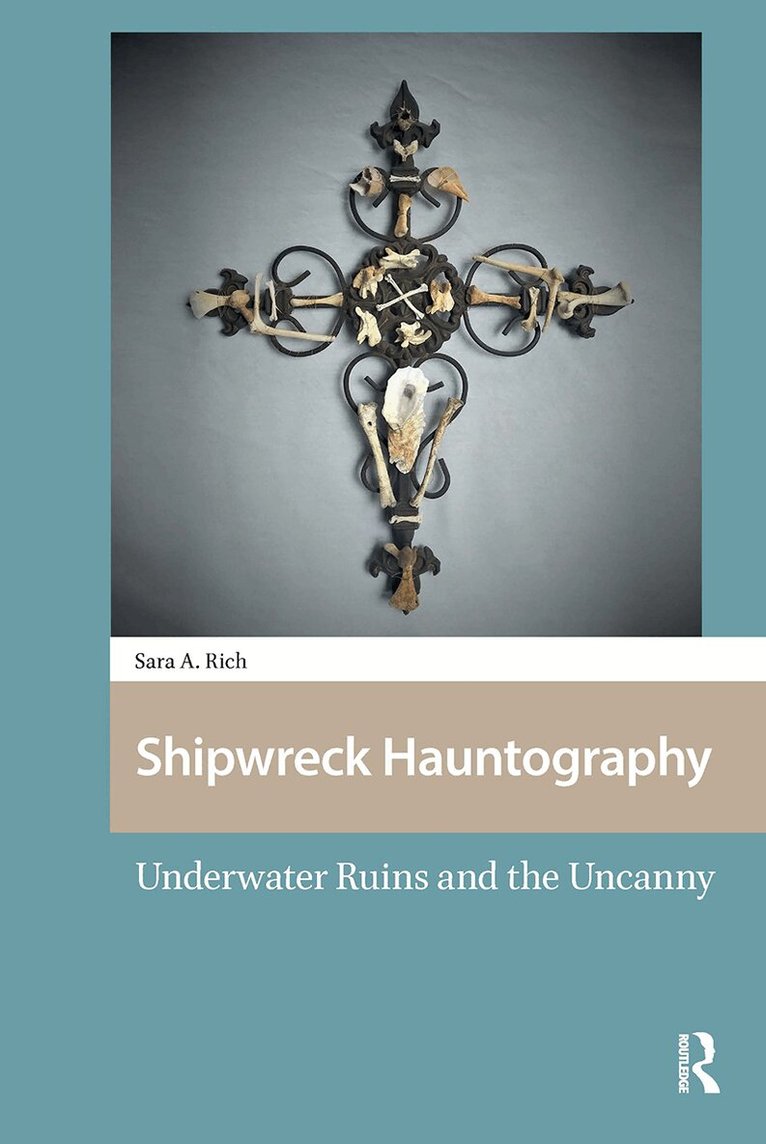
Shipwreck Hauntography
Underwater Ruins and the Uncanny
Av Sara Rich
Häftad, 2025
727 kr
Lägg i varukorg
Drawing on a broad theoretical range from speculative realism to feminist psychoanalysis and anti-colonialism, this book represents a radical departure from traditional scholarship on maritime archaeology. Shipwreck Hauntography asserts that nautical archaeology bears the legacy of Early Modern …
Mushroom
Av Sara Rich
E-bok, 2022
152 kr
Lägg i varukorg
Object Lessons is a series of short, beautifully designed books about the hidden lives of ordinary things.They are the things we step on without noticing and the largest organisms on Earth. They are symbols of inexplicable growth and excruciating misery. They are grouped with plants, but they …
Mushroom
Av Sara Rich
E-bok, 2022
153 kr
Lägg i varukorg
Object Lessons is a series of short, beautifully designed books about the hidden lives of ordinary things.They are the things we step on without noticing and the largest organisms on Earth. They are symbols of inexplicable growth and excruciating misery. They are grouped with plants, but they …
Shipwreck Hauntography
Underwater Ruins and the Uncanny
Av Sara Rich
Inbunden, 2021
2198 kr
Lägg i varukorg
Drawing on a broad theoretical range from speculative realism to feminist psychoanalysis and anti-colonialism, this book represents a radical departure from traditional scholarship on maritime archaeology. Shipwreck Hauntography asserts that nautical archaeology bears the legacy of Early Modern …
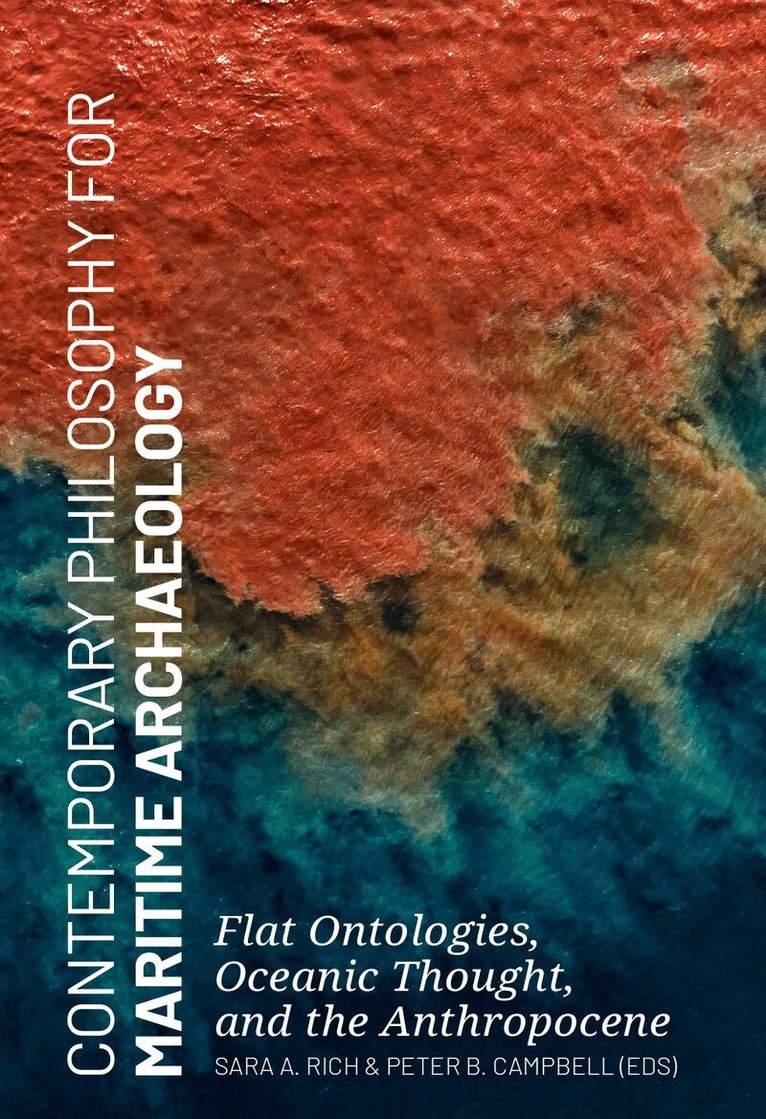
Contemporary Philosophy for Maritime Archaeology
Flat Ontologies, Oceanic Thought, and the Anthropocene
Häftad, 2023
880 kr
Lägg i varukorg
While terrestrial archaeology has engaged with contemporary philosophy, maritime archaeology has remained in comparative disciplinary – or subdisciplinary – isolation. However, the issues that humans face in the Anthropocene – from global warming to global pandemics – call for transdisciplinary …
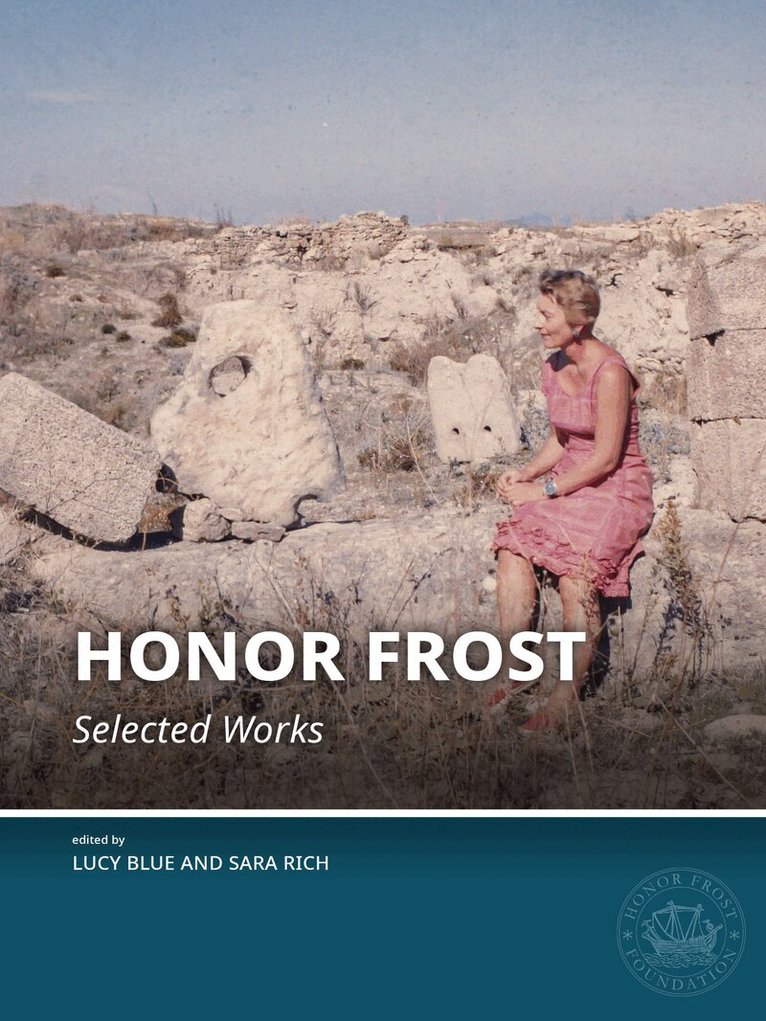
Honor Frost
Selected Works
Av Honor Frost, Lucy Blue m. fl.
Häftad, 2026
992 kr
Lägg i varukorg
Hailing from academic training in fine and performing arts, Honor Frost learned to dive in the 1950s and within a decade began earning a reputation as a pioneering maritime archaeologist. She held unparalleled expertise in the study of ancient anchors, harbours, and shipwrecks in the eastern …