Sarah A Laird – författare
Visar alla böcker från författaren Sarah A Laird. Handla med fri frakt och snabb leverans.
14 produkter
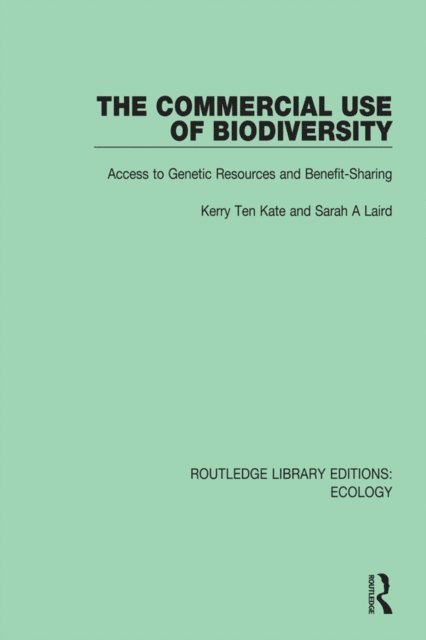
Commercial Use of Biodiversity
Access to Genetic Resources and Benefit-Sharing
Av Kerry Ten Kate, Sarah A Laird
Inbunden, 2019
2512 kr
Lägg i varukorg
Originally published in 1999 The Commercial Use of Biodiversity examines how biodiversity and the genetic material it contains are now as valuable resources. Access to genetic resources and their commercial development involve a wide range of parties such as conservation and research institutes, …
Commercial Use of Biodiversity
Access to Genetic Resources and Benefit-Sharing
Av Kerry Ten Kate, Sarah A Laird
Häftad, 2021
575 kr
Lägg i varukorg
Originally published in 1999 The Commercial Use of Biodiversity examines how biodiversity and the genetic material it contains are now as valuable resources. Access to genetic resources and their commercial development involve a wide range of parties such as conservation and research institutes, …
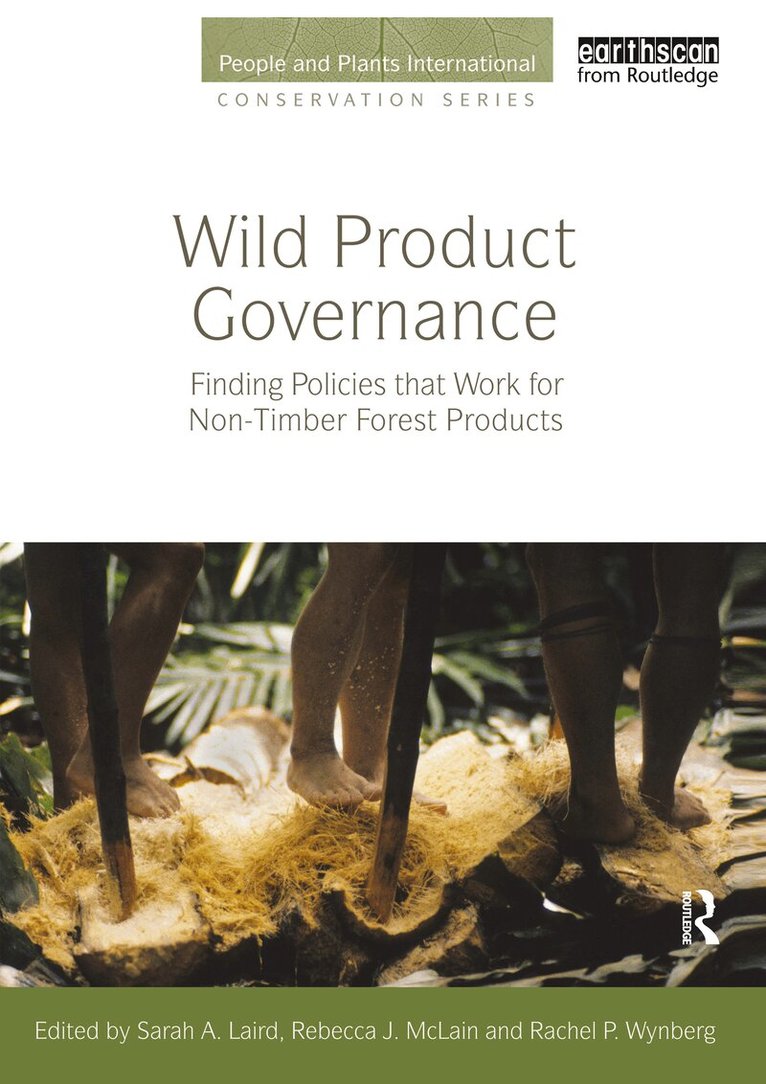
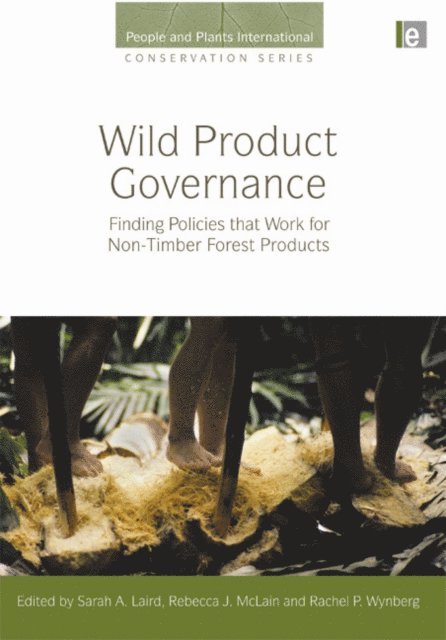
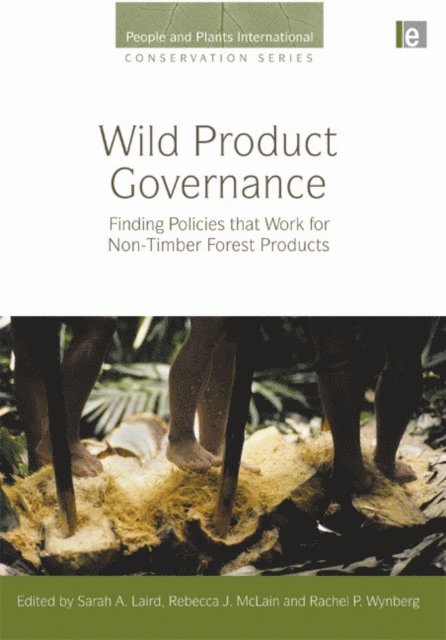
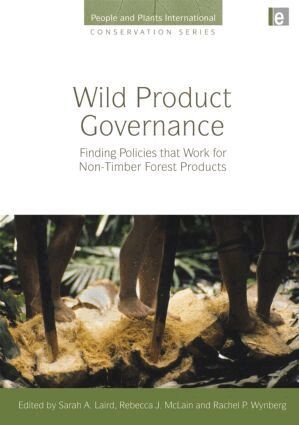
Wild Product Governance
Finding Policies that Work for Non-Timber Forest Products
Av Sarah A. Laird, Rebecca J. McLain m. fl.
Häftad, 2012
910 kr
Lägg i varukorg
Products from the wild, also known as non-timber forest products (NTFPs), are used as medicines, foods, spices, and a multitude of other purposes. They contribute substantially to rural livelihoods, generate revenue for companies and governments, and have a range of impacts on biodiversity …
Commercial Use of Biodiversity
Access to Genetic Resources and Benefit-Sharing
Av Sarah A Laird, Kerry Ten Kate
E-bok, 2019
622 kr
Lägg i varukorg
Originally published in 1999 The Commercial Use of Biodiversity examines how biodiversity and the genetic material it contains are now as valuable resources. Access to genetic resources and their commercial development involve a wide range of parties such as conservation and research institutes, …
Commercial Use of Biodiversity
Access to Genetic Resources and Benefit-Sharing
Av Sarah A Laird, Kerry Ten Kate
E-bok, 2019
608 kr
Lägg i varukorg
Originally published in 1999 The Commercial Use of Biodiversity examines how biodiversity and the genetic material it contains are now as valuable resources. Access to genetic resources and their commercial development involve a wide range of parties such as conservation and research institutes, …
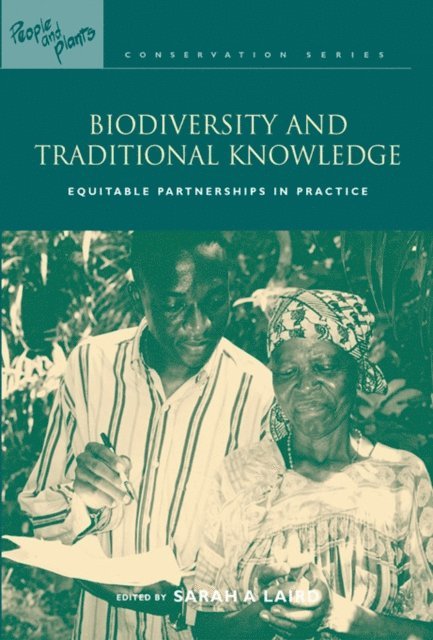
Biodiversity and Traditional Knowledge
Equitable Partnerships in Practice
E-bok, 2010
1076 kr
Lägg i varukorg
Biodiversity research and prospecting are long-standing activities taking place in a new legal and ethical environment. Following entry into force of the Convention on Biological Diversity in 1993, and other recent policy developments, expectations and obligations for research and prospecting …
Biodiversity and Traditional Knowledge
Equitable Partnerships in Practice
E-bok, 2010
1099 kr
Lägg i varukorg
Biodiversity research and prospecting are long-standing activities taking place in a new legal and ethical environment. Following entry into force of the Convention on Biological Diversity in 1993, and other recent policy developments, expectations and obligations for research and prospecting …
Wild Product Governance
Finding Policies that Work for Non-Timber Forest Products
Av Rachel P. Wynberg, Rebecca J. McLain m. fl.
E-bok, 2010
1074 kr
Lägg i varukorg
Products from the wild, also known as non-timber forest products (NTFPs), are used as medicines, foods, spices, and a multitude of other purposes. They contribute substantially to rural livelihoods, generate revenue for companies and governments, and have a range of impacts on biodiversity …
Wild Product Governance
Finding Policies that Work for Non-Timber Forest Products
Av Rachel P. Wynberg, Rebecca J. McLain m. fl.
E-bok, 2010
1074 kr
Lägg i varukorg
Products from the wild, also known as non-timber forest products (NTFPs), are used as medicines, foods, spices, and a multitude of other purposes. They contribute substantially to rural livelihoods, generate revenue for companies and governments, and have a range of impacts on biodiversity …
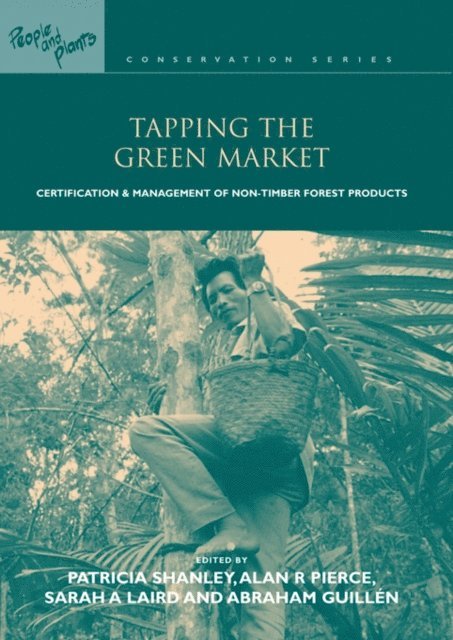
Tapping the Green Market
Management and Certification of Non-timber Forest Products
Av S. Abraham Guillen, Sarah A. Laird m. fl.
E-bok, 2012
1169 kr
Lägg i varukorg
There is a rapidly growing interest in, and demand for, non-timber forest products (NTFPs). They provide critical resources across the globe fulfilling nutritional, medicinal, financial and cultural needs. However, they have been largely overlooked in mainstream conservation and forestry politics. …
Tapping the Green Market
Management and Certification of Non-timber Forest Products
Av S. Abraham Guillen, Sarah A. Laird m. fl.
E-bok, 2012
1195 kr
Lägg i varukorg
There is a rapidly growing interest in, and demand for, non-timber forest products (NTFPs). They provide critical resources across the globe fulfilling nutritional, medicinal, financial and cultural needs. However, they have been largely overlooked in mainstream conservation and forestry politics. …
Tapping the Green Market
Management and Certification of Non-timber Forest Products
Av Patricia Shanley, Alan Robert Pierce m. fl.
Häftad, 2001
1044 kr
Lägg i varukorg
There is a rapidly growing interest in, and demand for, non-timber forest products (NTFPs). They provide critical resources across the globe fulfilling nutritional, medicinal, financial and cultural needs. However, they have been largely overlooked in mainstream conservation and forestry politics. …
Wild Product Governance
Finding Policies that Work for Non-Timber Forest Products
Av Sarah A. Laird, Rebecca J. McLain m. fl.
Inbunden, 2010
1181 kr
Tillfälligt slut
Products from the wild, also known as non-timber forest products (NTFPs), are used as medicines, foods, spices, and a multitude of other purposes. They contribute substantially to rural livelihoods, generate revenue for companies and governments, and have a range of impacts on biodiversity …
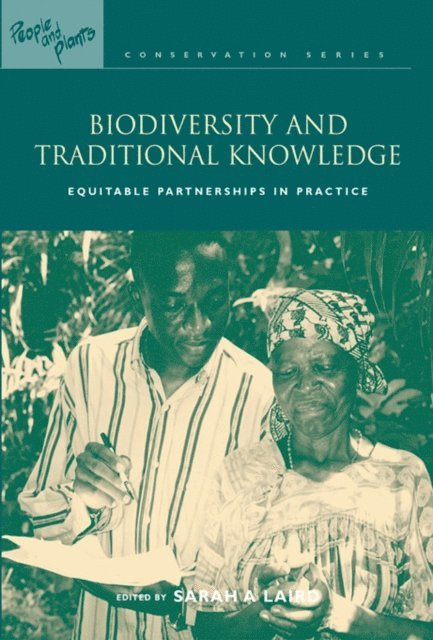
Biodiversity and Traditional Knowledge
Equitable Partnerships in Practice
Av Sarah A. Laird, Sarah A Laird
Häftad, 2002
693 kr
Tillfälligt slut
Biodiversity research and prospecting are long-standing activities taking place in a new legal and ethical environment. Following entry into force of the Convention on Biological Diversity in 1993, and other recent policy developments, expectations and obligations for research and prospecting …