Sarah Azaransky – författare
Visar alla böcker från författaren Sarah Azaransky. Handla med fri frakt och snabb leverans.
9 produkter
9 produkter
Inbunden, Engelska, 2017
530 kr
Skickas inom 5-8 vardagar
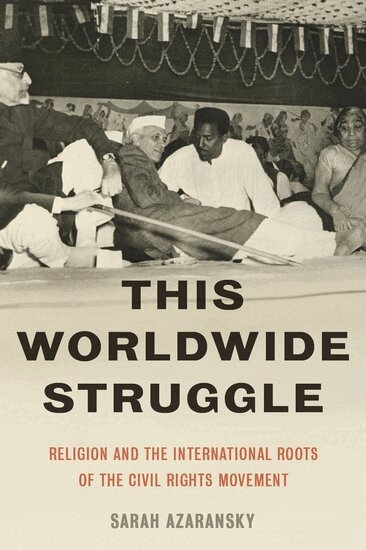
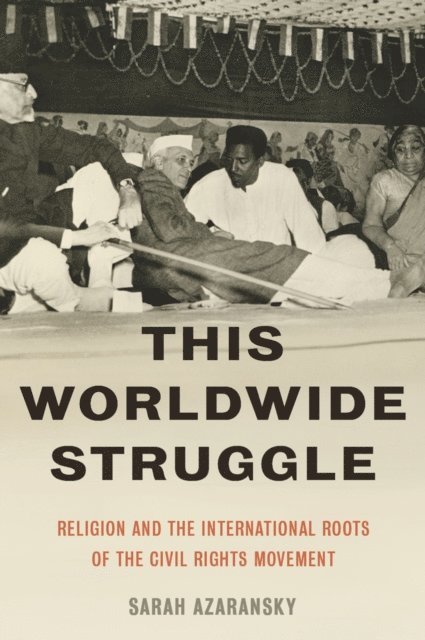
This Worldwide Struggle: Religion and the International Roots of the Civil Rights Movement examines a group of black Christian intellectuals and activists who looked abroad, even to other religious traditions, for ideas and practices that could transform American democracy. From the 1930s to the 1950s, this core group drew lessons from independence movements around for the world for an American campaign that would be part of a global network of resistance to colonialism and white supremacy. This book argues that their religious perspectives and methods of moral reasoning developed a theological blueprint for what Bayard Rustin called the "classical phase" of the Civil Rights Movement. Existing scholarship on the book's main figures, including Howard Thurman, Benjamin Mays, and William Stuart Nelson, pioneers of African American Christian nonviolence James Farmer, Pauli Murray, and Bayard Rustin, and YWCA leaders Juliette Derricotte and Sue Bailey Thurman, focuses on individuals and misses important streams of influence and creative collaborations. This book traces fertile intersections of worldwide resistance movements, explores American racial politics and interreligious exchanges that crossed literal borders and disciplinary boundaries, enriches our understanding of the international roots of the Civil Rights Movement, and offers lessons on the role of religion in justice movements.
E-bok
PDF, Engelska, 2017447 kr
Läs direkt efter köp
This Worldwide Struggle: Religion and the International Roots of the Civil Rights Movement identifies a network of black Christian intellectuals and activists who looked abroad, even in other religious traditions, for ideas and practices that could transform American democracy. From the 1930s to the 1950s, they drew lessons from independence movements around for the world for an American racial justice campaign. Their religious perspectives and methods of moral reasoning developed theological blueprints for the classical phase of the Civil Rights Movement. The network included professors and public intellectuals Howard Thurman, Benjamin Mays, and William Stuart Nelson, each of whom met with Mohandas Gandhi in India; ecumenical movement leaders, notably YWCA women, Juliette Derricotte, Sue Bailey Thurman, and Celestine Smith; and pioneers of black Christian nonviolence James Farmer, Pauli Murray, and Bayard Rustin. People in this group became mentors and advisors to and coworkers with Martin Luther King and thus became links between Gandhi, who was killed in 1948, and King, who became a national figure in 1956. Azaransky''s research reveals fertile intersections of worldwide resistance movements, American racial politics, and interreligious exchanges that crossed literal borders and disciplinary boundaries, and underscores the role of religion in justice movements. Shedding new light on how international and interreligious encounters were integral to the greatest American social movement of the last century, This Worldwide Struggle confirms the relationship between moral reflection and democratic practice, and it contains vital lessons for movement building today.
E-bok
Engelska, 2017447 kr
Läs direkt efter köp
This Worldwide Struggle: Religion and the International Roots of the Civil Rights Movement identifies a network of black Christian intellectuals and activists who looked abroad, even in other religious traditions, for ideas and practices that could transform American democracy. From the 1930s to the 1950s, they drew lessons from independence movements around for the world for an American racial justice campaign. Their religious perspectives and methods of moral reasoning developed theological blueprints for the classical phase of the Civil Rights Movement. The network included professors and public intellectuals Howard Thurman, Benjamin Mays, and William Stuart Nelson, each of whom met with Mohandas Gandhi in India; ecumenical movement leaders, notably YWCA women, Juliette Derricotte, Sue Bailey Thurman, and Celestine Smith; and pioneers of black Christian nonviolence James Farmer, Pauli Murray, and Bayard Rustin. People in this group became mentors and advisors to and coworkers with Martin Luther King and thus became links between Gandhi, who was killed in 1948, and King, who became a national figure in 1956. Azaransky''s research reveals fertile intersections of worldwide resistance movements, American racial politics, and interreligious exchanges that crossed literal borders and disciplinary boundaries, and underscores the role of religion in justice movements. Shedding new light on how international and interreligious encounters were integral to the greatest American social movement of the last century, This Worldwide Struggle confirms the relationship between moral reflection and democratic practice, and it contains vital lessons for movement building today.
Inbunden, Engelska, 2016
444 kr
Skickas inom 5-8 vardagar
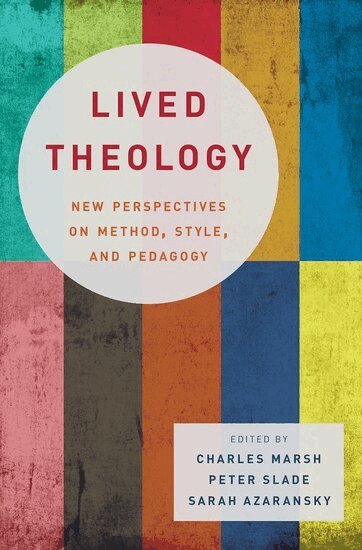
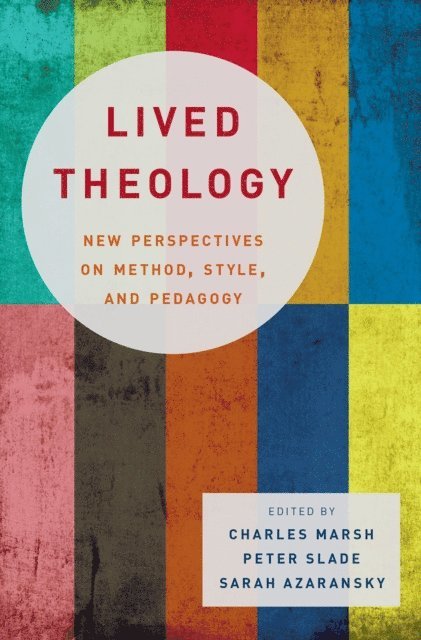
The lived theology movement is built on the work of an emerging generation of theologians and scholars who pursue research, teaching, and writing as a form of public discipleship, motivated by the conviction that theology can enhance lived experience. This volume--based on a two-year collaboration with the Project on Lived Theology at the University of Virginia--offers a series of illustrations and styles of lived theology, in conversation with other major approaches to the religious interpretation of embodied life.Lived theology begins with a modest proposal: How might theological writing, research, and teaching be re-imagined to engage with lived experience, while still contributing to academic scholarship? The contributors consider this question in a variety of contexts, including towns in Mississippi struggling with histories of racist violence; a homeless shelter in Atlanta; students volunteering with faith based organizations in Columbus, Ohio; churches in the Democratic Republic of Congo; and a college classroom in the MidWest.Answers to, and explorations of this question form the narrative framework of this book. Behind this question is the theological conviction that within the lived experience of faith communities lies a wealth of insight on themes that have long occupied the attention of scholars--morality, justice, grace, reconciliation, and redemption.
E-bok
PDF, Engelska, 2016481 kr
Läs direkt efter köp
Lived Theology contains the work of an emerging generation of theologians and scholars who pursue research, teaching, and writing as a form of public responsibility motivated by the conviction that theological ideas aspire in their inner logic toward social expression. Written as a two-year collaboration of the Project on Lived Theology at the University of Virginia, this volume offers a series of illustrations and styles that distinguish Lived Theology in the broader conversation with other major approaches to the religious interpretation of embodied life. The book begins with a modest query: How might theological writing, research, and teaching be expanded to engage lived experience with the same care and precision given by scholars to books and articles? Behind this question lies the claim that theological engagements and interpretations of lived experience offer rich and often surprising insights into God''s presence and activity in the world. Answers to, and explorations of, this question form the narrative framework of this groundbreaking volume. Lived theology is shown to be an exceedingly curious enterprise, transgressing disciplinary boundaries as a matter of course, examining circumstance, context, and motivation, and marshalling every available resource for the sake of discerning the theological shape of enacted and embodied faith. Understanding the social consequences of theological ideas is a task with wide ranging significance, inside the academy and in the broader forums of civic discussion.Contributors consider Lived Theology from a diverse array of experiences and locations, including towns in Mississippi struggling with histories of racist violence and murder; a homeless shelter in Atlanta; churches in the Democratic Republic of Congo; faith based volunteer organizations in Columbus, Ohio; and a college classroom in the Midwest.This innovative work offers a fresh and exciting model for scholars, teachers, practitioners, and students seeking to reconnect the lived experience of faith communities with academic study and reflection.
E-bok
Engelska, 2016481 kr
Läs direkt efter köp
Lived Theology contains the work of an emerging generation of theologians and scholars who pursue research, teaching, and writing as a form of public responsibility motivated by the conviction that theological ideas aspire in their inner logic toward social expression. Written as a two-year collaboration of the Project on Lived Theology at the University of Virginia, this volume offers a series of illustrations and styles that distinguish Lived Theology in the broader conversation with other major approaches to the religious interpretation of embodied life. The book begins with a modest query: How might theological writing, research, and teaching be expanded to engage lived experience with the same care and precision given by scholars to books and articles? Behind this question lies the claim that theological engagements and interpretations of lived experience offer rich and often surprising insights into God''s presence and activity in the world. Answers to, and explorations of, this question form the narrative framework of this groundbreaking volume. Lived theology is shown to be an exceedingly curious enterprise, transgressing disciplinary boundaries as a matter of course, examining circumstance, context, and motivation, and marshalling every available resource for the sake of discerning the theological shape of enacted and embodied faith. Understanding the social consequences of theological ideas is a task with wide ranging significance, inside the academy and in the broader forums of civic discussion.Contributors consider Lived Theology from a diverse array of experiences and locations, including towns in Mississippi struggling with histories of racist violence and murder; a homeless shelter in Atlanta; churches in the Democratic Republic of Congo; faith based volunteer organizations in Columbus, Ohio; and a college classroom in the Midwest.This innovative work offers a fresh and exciting model for scholars, teachers, practitioners, and students seeking to reconnect the lived experience of faith communities with academic study and reflection.
Inbunden, Engelska, 2011
977 kr
Skickas inom 5-8 vardagar
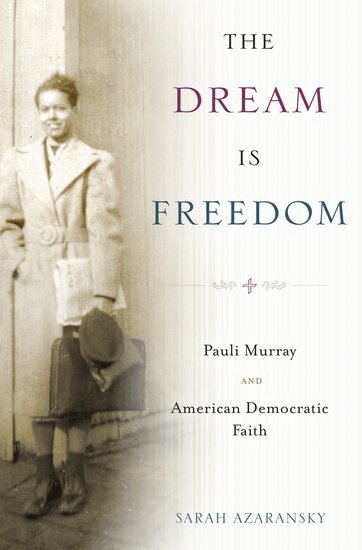
Pauli Murray (1910-1985) was a poet, lawyer, activist, and priest, as well as a significant figure in the civil rights and women's movements. Throughout her careers and activism, Murray espoused faith in an American democracy that is partially present and yet to come. In the 1940s Murray was in the vanguard of black activists to use nonviolent direct action. A decade before the Montgomery bus boycott, Murray organized sit-ins of segregated restaurants in Washington DC and was arrested for sitting in the front section of a bus in Virginia. Murray pioneered the category Jane Crow to describe discrimination she experienced as a result of racism and sexism. She used Jane Crow in the 1960s to expand equal protection provisions for African American women. A co-founder of the National Organization of Women, Murray insisted on the interrelation of all human rights. Her professional and personal relationships included major figures in the ongoing struggle for civil rights for all Americans, including Thurgood Marshall and Eleanor Roosevelt.In seminary in the 1970s, Murray developed a black feminist critique of emerging black male and white feminist theologies. After becoming the first African American woman Episcopal priest in 1977, Murray emphasized the particularity of African American women's experiences, while proclaiming a universal message of salvation. The Dream Is Freedom examines Murray's substantial body of published writings as well personal letters, journals, and unpublished manuscripts. Azaransky traces the development of Murray's thought over fifty years, ranging from Murray's theologically rich democratic criticism of the 1930s to her democratically inflected sermons of the 1980s. Pauli Murray was an innovative democratic thinker, who addressed how Americans can recognize differences, signaled the role of history and memory in shaping democratic character, and called for strategic coalition building to make more justice available for more Americans.
E-bok
PDF, Engelska, 20111 177 kr
Läs direkt efter köp
Pauli Murray (1910-1985) was a poet, lawyer, activist, and priest, as well as a significant figure in the civil rights and women''s movements. Throughout her careers and activism, Murray espoused faith in an American democracy that is partially present and yet to come. In the 1940s Murray was in the vanguard of black activists to use nonviolent direct action. A decade before the Montgomery bus boycott, Murray organized sit-ins of segregated restaurants in Washington DC and was arrested for sitting in the front section of a bus in Virginia. Murray pioneered the category Jane Crow to describe discrimination she experienced as a result of racism and sexism. She used Jane Crow in the 1960s to expand equal protection provisions for African American women. A co-founder of the National Organization of Women, Murray insisted on the interrelation of all human rights. Her professional and personal relationships included major figures in the ongoing struggle for civil rights for all Americans, including Thurgood Marshall and Eleanor Roosevelt. In seminary in the 1970s, Murray developed a black feminist critique of emerging black male and white feminist theologies. After becoming the first African American woman Episcopal priest in 1977, Murray emphasized the particularity of African American women''s experiences, while proclaiming a universal message of salvation. The Dream Is Freedom examines Murray''s substantial body of published writings as well personal letters, journals, and unpublished manuscripts. Azaransky traces the development of Murray''s thought over fifty years, ranging from Murray''s theologically rich democratic criticism of the 1930s to her democratically inflected sermons of the 1980s. Pauli Murray was an innovative democratic thinker, who addressed how Americans can recognize differences, signaled the role of history and memory in shaping democratic character, and called for strategic coalition building to make more justice available for more Americans.
Inbunden, Engelska, 2013
1 110 kr
Skickas inom 10-15 vardagar
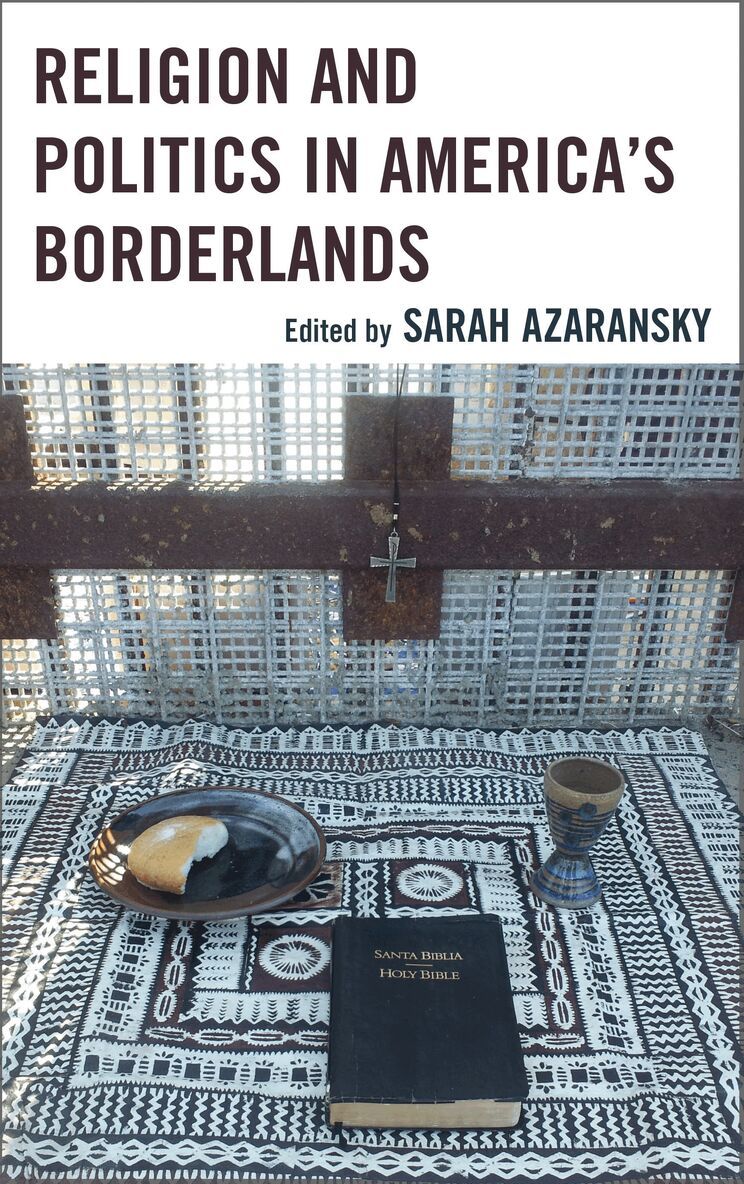
Religion and Politics in America's Borderlands brings together leading academic specialists on immigration and the borderlands, as well as nationally recognized grassroots activists, who reflect on their varied experiences of living, working, and teaching on the US-Mexico border and in the borderlands. These authors demonstrate the groundbreaking claim that the borderlands are not only a location to think about religiously, but they’re also a place that reshapes religious thinking. In this pioneering book, scholars and activists engage with Scripture, theology, history, church practices, and personal experiences to offer in-depth analyses of how the borderlands confront conventional interpretations of Christianity.