
Sarah Kerenza Priestley – författare
Visar alla böcker från författaren Sarah Kerenza Priestley. Handla med fri frakt och snabb leverans.
2 produkter
2 produkter
E-bok
Engelska, 2017159 kr
Läs direkt efter köp
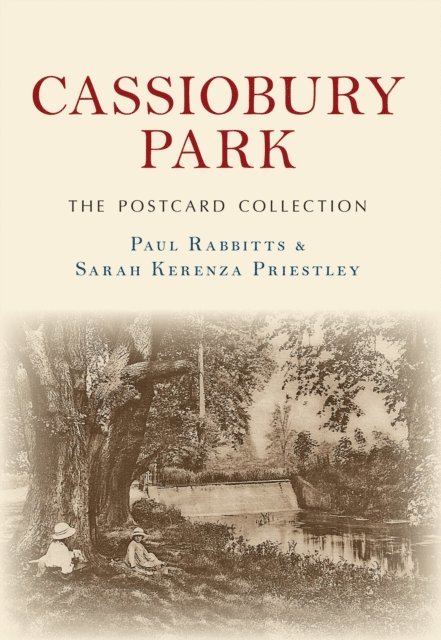
Cassiobury Park has an incredible history. Not only is it one of the remnants of the greatest lost estates in the country, it is now one of the most popular parks in the country and locally is the largest park in Hertfordshire, and the principal park of its primary town, Watford. It covers an impressive area which is twice the size of Hyde Park in London.Arthur Capel was made the Earl of Essex and in time moved to Cassiobury. The Capels had a major impact on Cassiobury. By 1800, the 5th Earl of Essex employed noted and respected architect James Wyatt to rebuild his house. Successive landscape gardeners were employed here, from Moses Cook to Humphry Repton, with the landscape captured by J. M. W. Turner on visits to Cassiobury. By 1881, the parkland was already well established with fine trees, woodland walks, with many deer in the park, often traded with the royal deer parks at Richmond, Bushy and Windsor Great Park. By the beginning of the twentieth century, decline had set in and large areas of the park had been sold off to Watford Borough Council for public parkland – the beginnings of the public park we know today.Cassiobury Park: The Postcard Collection takes the reader on an evocative journey into the park’s rich past through a selection of old postcards that offer a fascinating window into its history and continuing development.
Inbunden, Engelska, 2014
377 kr
Tillfälligt slut
One of the remnants of the great lost estates of the United Kingdom, Cassiobury Park is now the largest park in Hertfordshire, and the principal park of its primary town, Watford, covering an area twice the size of Hyde Park in London. But this is no ordinary town park.In 1661, Arthur, the 2nd Baron Capel, was made the Earl of Essex and, by 1668/69, he had moved to Cassiobury permanently. By 1707, Cassiobury was a significant estate, and Charles Bridgeman was employed at Cassiobury in the 1720s. In 1800, the 5th Earl of Essex employed James Wyatt to rebuild the house. Humphry Repton was employed at Cassiobury, and the landscape was captured by J. M. W. Turner in a number of paintings. By 1881, there were many deer in the park, often traded with the royal deer parks at Richmond, Bushy and Windsor Great Park.By the beginning of the twentieth century, large areas of the park had been sold off to Watford Borough Council for public parkland. By 1921, the lease was surrendered and, in 1927, Cassiobury House was demolished. Much of the remaining land was bought by the council becoming further parkland for the expanding Borough of Watford. This book tells the significant story of a remarkable estate, family and parkland that has never been told before.