Sarah Legge – författare
Visar alla böcker från författaren Sarah Legge. Handla med fri frakt och snabb leverans.
5 produkter
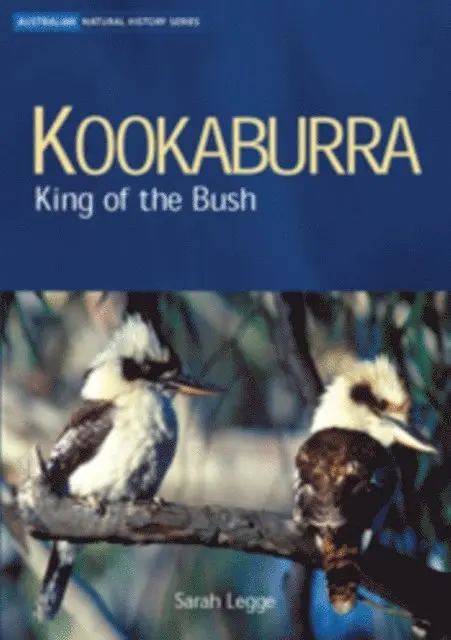
Kookaburra
King of the Bush
Av Sarah Legge
E-bok, 2004
168 kr
Lägg i varukorg
Laughing Kookaburras are the largest kingfishers in the world, and Blue-winged Kookaburras are not far behind. Their size and distinctive shape and posture make them easily recognisable; their comical and personable characters make them readily memorable. They are able to live in a wide variety of …
Kookaburra
King of the Bush
Av Sarah Legge
E-bok, 2004
168 kr
Lägg i varukorg
Laughing Kookaburras are the largest kingfishers in the world, and Blue-winged Kookaburras are not far behind. Their size and distinctive shape and posture make them easily recognisable; their comical and personable characters make them readily memorable. They are able to live in a wide variety of …
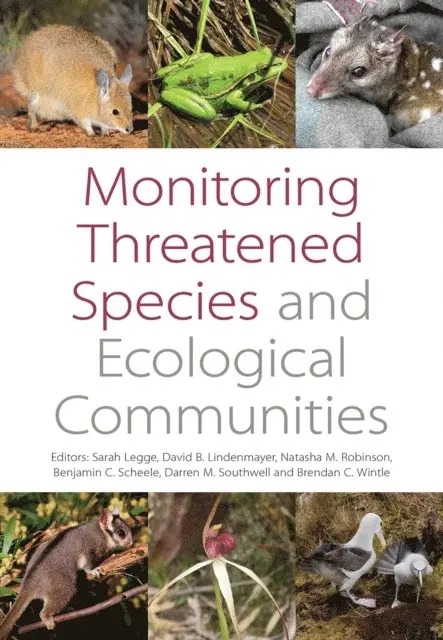
Monitoring Threatened Species and Ecological Communities
Av Sarah Legge, David Lindenmayer m. fl.
Häftad, 2018
699 kr
Lägg i varukorg
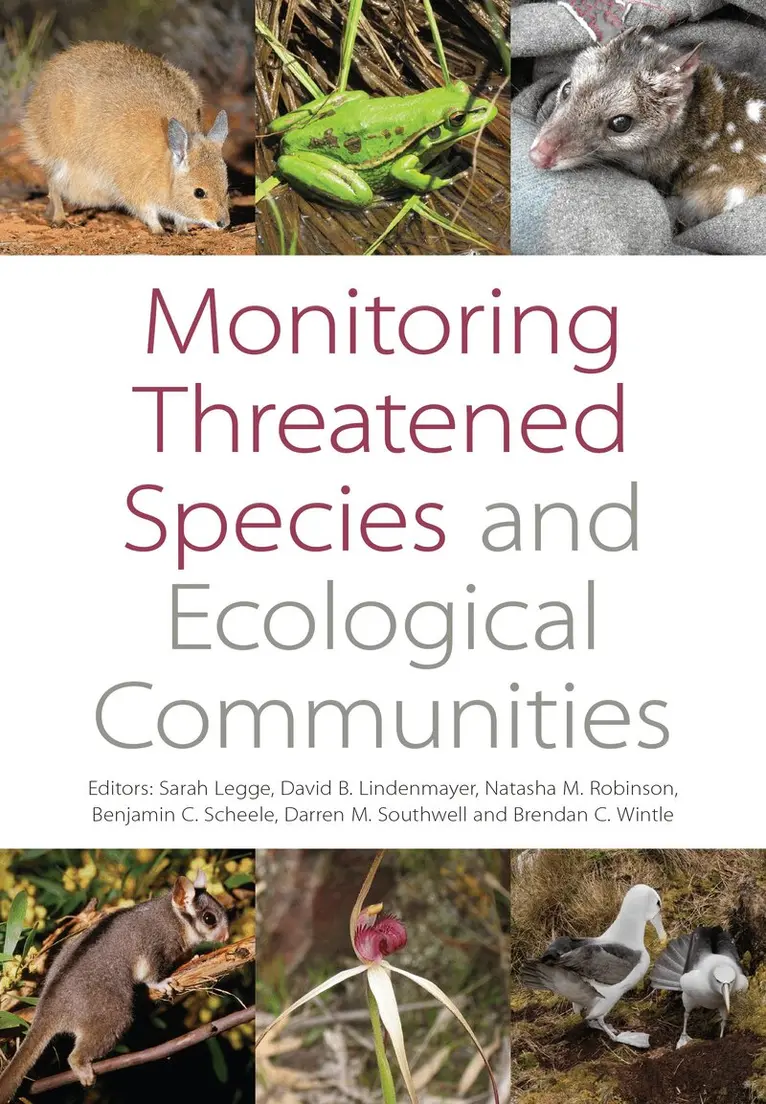
Monitoring Threatened Species and Ecological Communities
Av Brendan Wintle, Darren Southwell m. fl.
E-bok, 2018
549 kr
Lägg i varukorg
Monitoring is integral to all aspects of policy and management for threatened biodiversity. It is fundamental to assessing the conservation status and trends of listed species and ecological communities. Monitoring data can be used to diagnose the causes of decline, to measure management …
Monitoring Threatened Species and Ecological Communities
Av Brendan A. Wintle, Darren M. Southwell m. fl.
E-bok, 2018
547 kr
Lägg i varukorg
Monitoring is integral to all aspects of policy and management for threatened biodiversity. It is fundamental to assessing the conservation status and trends of listed species and ecological communities. Monitoring data can be used to diagnose the causes of decline, to measure management …