Brendan A. Wintle – författare
529 kr
Läs direkt efter köp
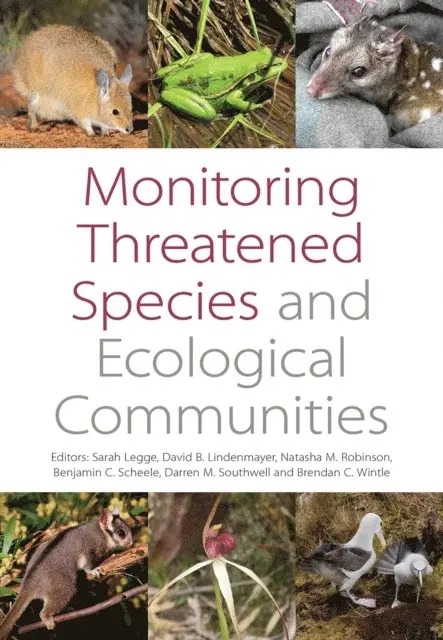
Monitoring is integral to all aspects of policy and management for threatened biodiversity. It is fundamental to assessing the conservation status and trends of listed species and ecological communities. Monitoring data can be used to diagnose the causes of decline, to measure management effectiveness and to report on investment. It is also a valuable public engagement tool. Yet in Australia, monitoring threatened biodiversity is not always optimally managed.
Monitoring Threatened Species and Ecological Communities aims to improve the standard of monitoring for Australia''s threatened biodiversity. It gathers insights from some of the most experienced managers and scientists involved with monitoring programs for threatened species and ecological communities in Australia, and evaluates current monitoring programs, establishing a baseline against which the quality of future monitoring activity can be managed. Case studies provide examples of practical pathways to improve the quality of biodiversity monitoring, and guidelines to improve future programs are proposed.
This book will benefit scientists, conservation managers, policy makers and those with an interest in threatened species monitoring and management.
Joint recipient of the 2018 Whitley Certificate of Commendation for Conservation Zoology
736 kr
Skickas inom 5-8 vardagar
451 kr
Läs direkt efter köp
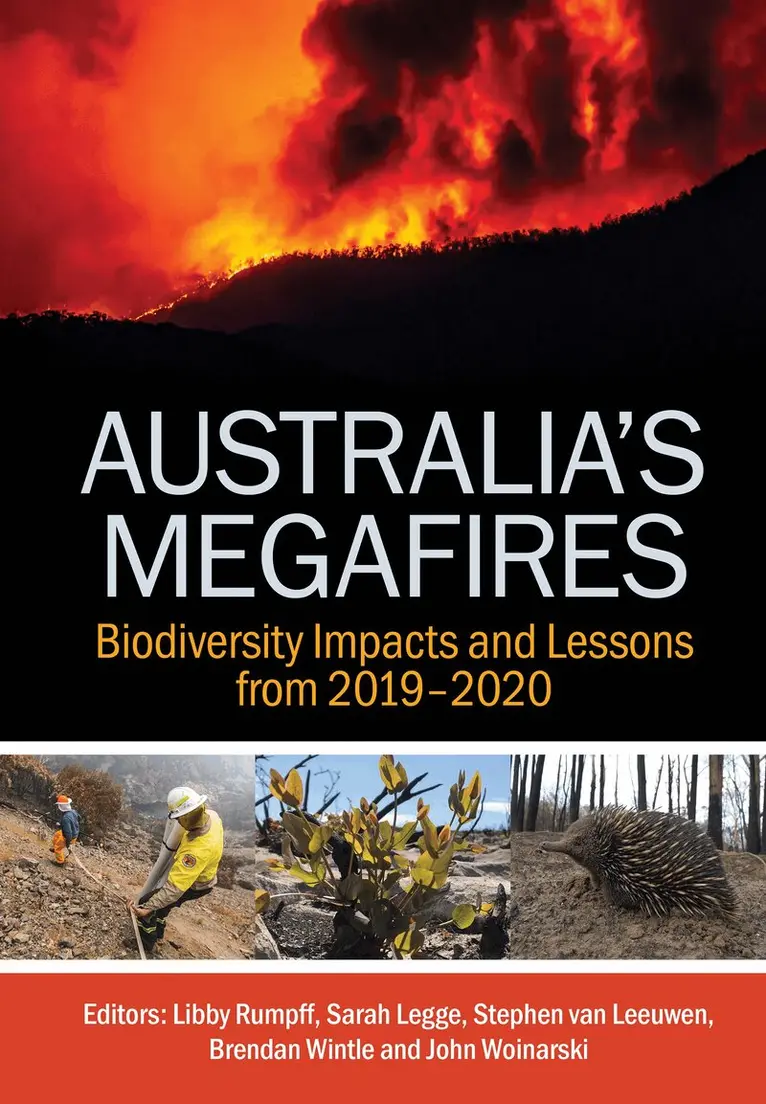
The Australian wildfires of 2019–20 (Black Summer) were devastating and unprecedented. These megafires burnt more than 10 million hectares, mostly of forests in southern and eastern Australia. Many of the fires were uncontrollable. These megafires affected many of Australia’s most important conservation areas and severely impacted threatened species and ecological communities. They were a consequence of climate change – and offered a glimpse of how this is likely to continue to affect our future.
Australia’s Megafires includes contributions by more than 200 researchers and managers with direct involvement in the management and conservation of the biodiversity affected by the Black Summer wildfires. It provides a comprehensive review of the impacts of these fires on all components of biodiversity, and on Indigenous cultural values.
These fires also triggered an extraordinary and highly collaborative response by governments, NGOs, Indigenous groups, scientists, landholders and others, seeking to recover the fire-affected species and environments – to restore Country. This book documents that response. It draws lessons that should be heeded to sustain that recovery and to be better prepared for the inevitable future comparable catastrophes. Such lessons are of global relevance, for wildfires increasingly threaten biodiversity and livelihoods across the globe.