Sarah M. Legge – författare
469 kr
Skickas inom 5-8 vardagar
565 kr
Läs direkt efter köp
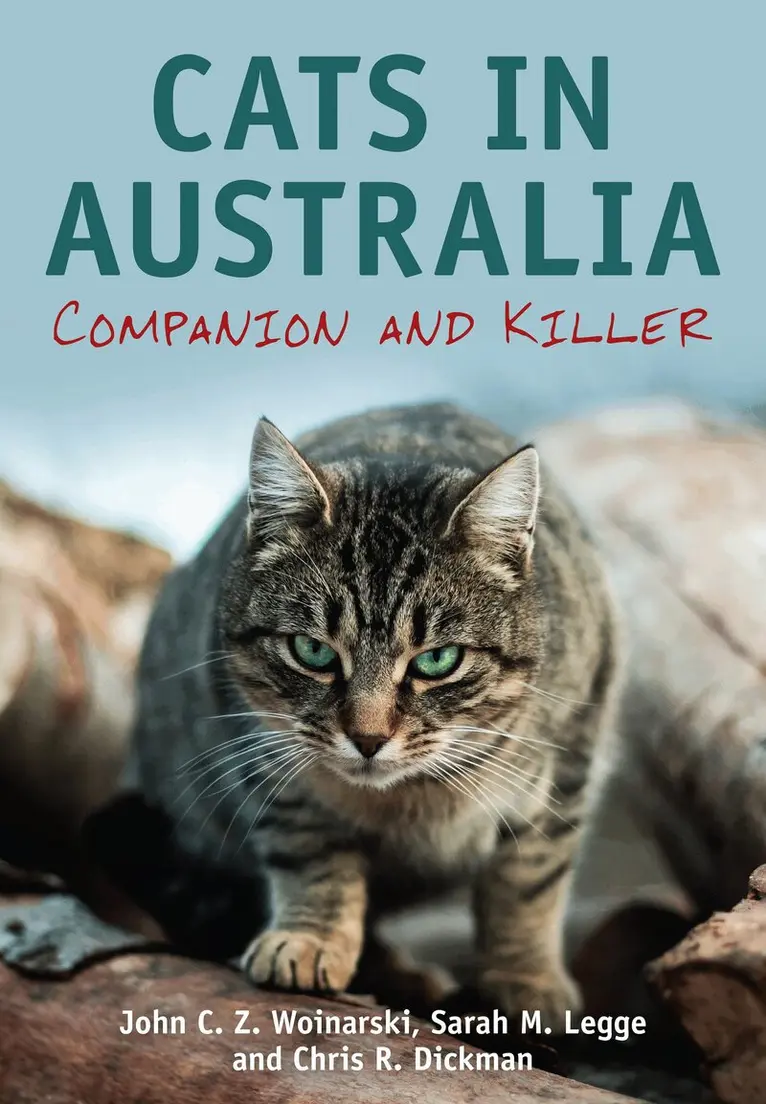
Across the world, cats are loved as pets or are kept or tolerated for their role in controlling some animal pests. But cats, both pets and feral, also kill many native animals and this toll can be enormous. Cats have been remarkably successful in Australia, spreading pervasively across the continent and many islands, occurring in all environments, and proving to be adept and adaptable hunters. A large proportion of Australia’s distinctive fauna is threatened and recent research highlights the significant role that cats play in the decline and extinction of native species.
Cats in Australia brings this research together, documenting the extent to which cats have subverted, and are continuing to subvert, Australia’s biodiversity. But the book does much more than spotlight the impacts of cats on Australian nature. It describes the origins of cats and their global spread, their long-standing and varying relationship with people, their global impacts and their ecology. It also seeks to describe the challenge of managing cats, and the options available to constrain their impacts.
Certificate of Commendation, The Royal Zoological Society of NSW 2020 Whitley Awards: Zoological Review
736 kr
Skickas inom 5-8 vardagar
451 kr
Läs direkt efter köp
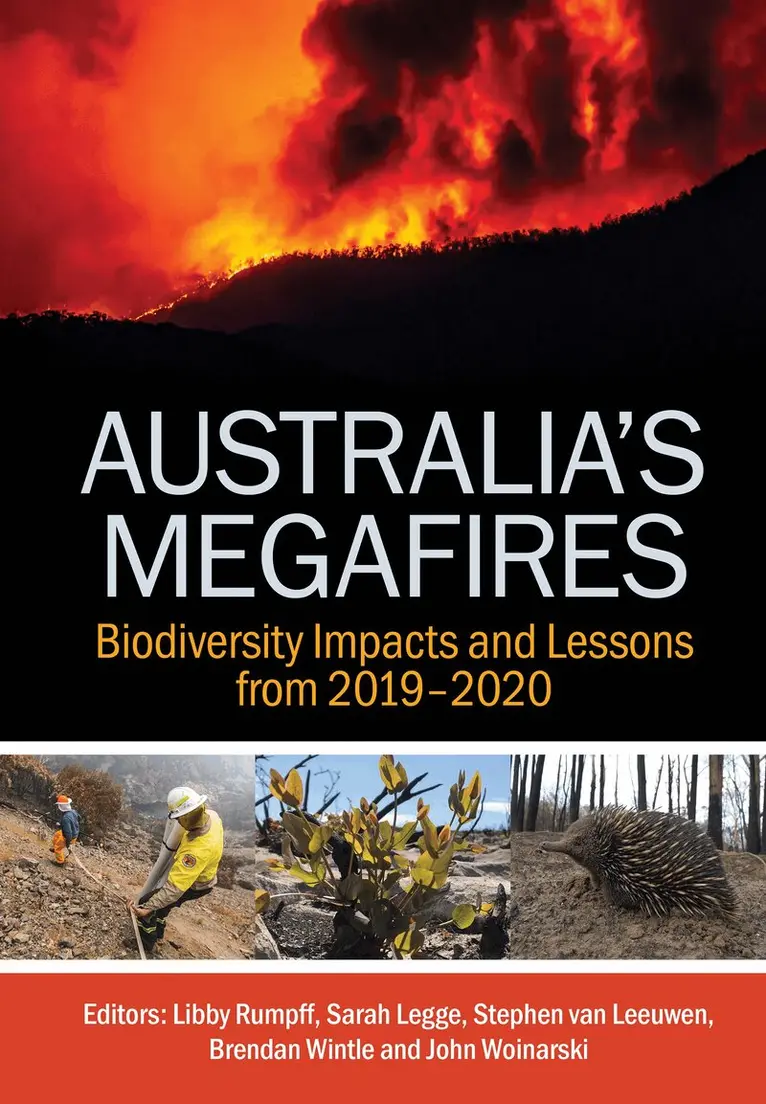
The Australian wildfires of 2019–20 (Black Summer) were devastating and unprecedented. These megafires burnt more than 10 million hectares, mostly of forests in southern and eastern Australia. Many of the fires were uncontrollable. These megafires affected many of Australia’s most important conservation areas and severely impacted threatened species and ecological communities. They were a consequence of climate change – and offered a glimpse of how this is likely to continue to affect our future.
Australia’s Megafires includes contributions by more than 200 researchers and managers with direct involvement in the management and conservation of the biodiversity affected by the Black Summer wildfires. It provides a comprehensive review of the impacts of these fires on all components of biodiversity, and on Indigenous cultural values.
These fires also triggered an extraordinary and highly collaborative response by governments, NGOs, Indigenous groups, scientists, landholders and others, seeking to recover the fire-affected species and environments – to restore Country. This book documents that response. It draws lessons that should be heeded to sustain that recovery and to be better prepared for the inevitable future comparable catastrophes. Such lessons are of global relevance, for wildfires increasingly threaten biodiversity and livelihoods across the globe.