Šarūnas Paunksnis – författare
Visar alla böcker från författaren Šarūnas Paunksnis. Handla med fri frakt och snabb leverans.
5 produkter
5 produkter
Inbunden, Engelska, 2023
1 623 kr
Skickas inom 10-15 vardagar
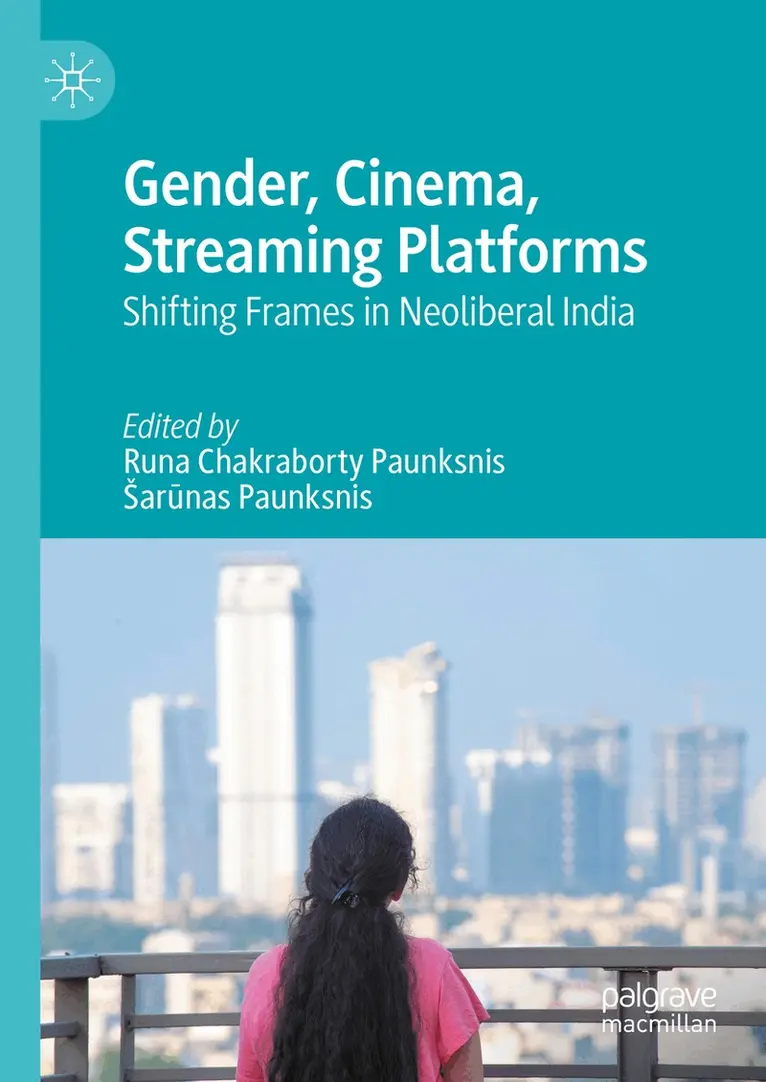
This book offers interdisciplinary examination of gender representations in cinema and SVOD (Subscription Video on Demand) platforms in India. This book will identify how the so-called feminist enunciations in twenty-first century film and SVOD content in India are marked by an ambiguous entanglement of feminist and postfeminist rhetoric. Set against the backdrop of two significant contemporary phenomena, namely neoliberalism and the digital revolution, this book considers how neoliberalism, aided by technological advancement, re-configured the process of media consumption in contemporary India and how representation of gender is fraught with multiple contesting trajectories. The book looks at two types of media—cinema and SVOD platforms, and explores the reasons for this transformation that has been emerging in India over the past two decades. Keeping in mind the complex paradoxes that such concomitant process of the contraries can invoke, the book invites myriad responsesfrom the authors who view the shifting gender representations in postmillennial Hindi cinema and SVOD platforms from their specific ideological standpoints. The book includes a wide array of genres, from commercial Hindi films to SVOD content and documentary films, and aims to record the transformation facilitated by economic as well as technological revolutions in contemporary India across various media formats.
E-bok
Engelska, 20232 110 kr
Läs direkt efter köp
This book offers interdisciplinary examination of gender representations in cinema and SVOD (Subscription Video on Demand) platforms in India. This book will identify how the so-called feminist enunciations in twenty-first century film and SVOD content in India are marked by an ambiguous entanglement of feminist and postfeminist rhetoric. Set against the backdrop of two significant contemporary phenomena, namely neoliberalism and the digital revolution, this book considers how neoliberalism, aided by technological advancement, re-configured the process of media consumption in contemporary India and how representation of gender is fraught with multiple contesting trajectories. The book looks at two types of media—cinema and SVOD platforms, and explores the reasons for this transformation that has been emerging in India over the past two decades. Keeping in mind the complex paradoxes that such concomitant process of the contraries can invoke, the book invites myriad responsesfrom the authors who view the shifting gender representations in postmillennial Hindi cinema and SVOD platforms from their specific ideological standpoints. The book includes a wide array of genres, from commercial Hindi films to SVOD content and documentary films, and aims to record the transformation facilitated by economic as well as technological revolutions in contemporary India across various media formats.
Häftad, Engelska, 2024
1 671 kr
Skickas inom 10-15 vardagar
This book offers interdisciplinary examination of gender representations in cinema and SVOD (Subscription Video on Demand) platforms in India. This book will identify how the so-called feminist enunciations in twenty-first century film and SVOD content in India are marked by an ambiguous entanglement of feminist and postfeminist rhetoric. Set against the backdrop of two significant contemporary phenomena, namely neoliberalism and the digital revolution, this book considers how neoliberalism, aided by technological advancement, re-configured the process of media consumption in contemporary India and how representation of gender is fraught with multiple contesting trajectories. The book looks at two types of media—cinema and SVOD platforms, and explores the reasons for this transformation that has been emerging in India over the past two decades. Keeping in mind the complex paradoxes that such concomitant process of the contraries can invoke, the book invites myriad responsesfrom the authors who view the shifting gender representations in postmillennial Hindi cinema and SVOD platforms from their specific ideological standpoints. The book includes a wide array of genres, from commercial Hindi films to SVOD content and documentary films, and aims to record the transformation facilitated by economic as well as technological revolutions in contemporary India across various media formats.
Del 89 - At the Interface / Probing the Boundaries
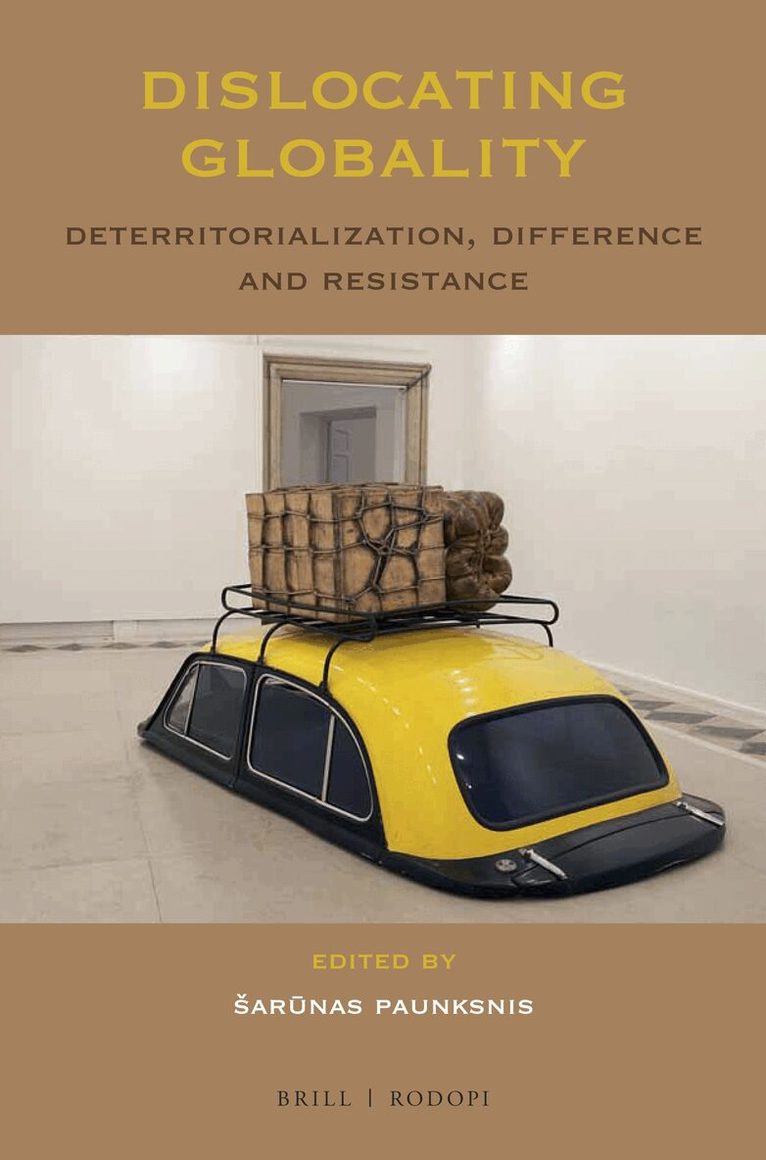
Dislocating Globality
Deterritorialization, Difference and Resistance
Häftad, Engelska, 2015
1 648 kr
Skickas inom 5-8 vardagar
Dislocating Globality: Deterritorialization, Difference and Resistance offers a broad panorama of critical approaches to globalization, its effects, the critique of neoliberalism, and discusses various forms of resistance to its monocultural raison d’être. The authors in this volume address these issues from a variety of perspectives – theoretical, as well as geographically diverse case-based analyses ranging from South Asia, the Middle East, Latin America, Europe, and Australia in attempt to show the diverse effects of globalization, and varied forms of negotiating globalization on a local level. Contributors are: Allie Biswas, Katherine Burrows, Jacob P. Chamberlain, Vytis Čiubrinskas, Maria Halouva, Jeanne Kay, Mara Matta, Gintautas Mažeikis, Dennis Mehmet, Beatriz Miranda-Galarza, Mustafa Mustafa, Abhijeet Paul, Šarūnas Paunksnis, and Némésis Srour.
Inbunden, Engelska, 2025
1 336 kr
Skickas inom 10-15 vardagar
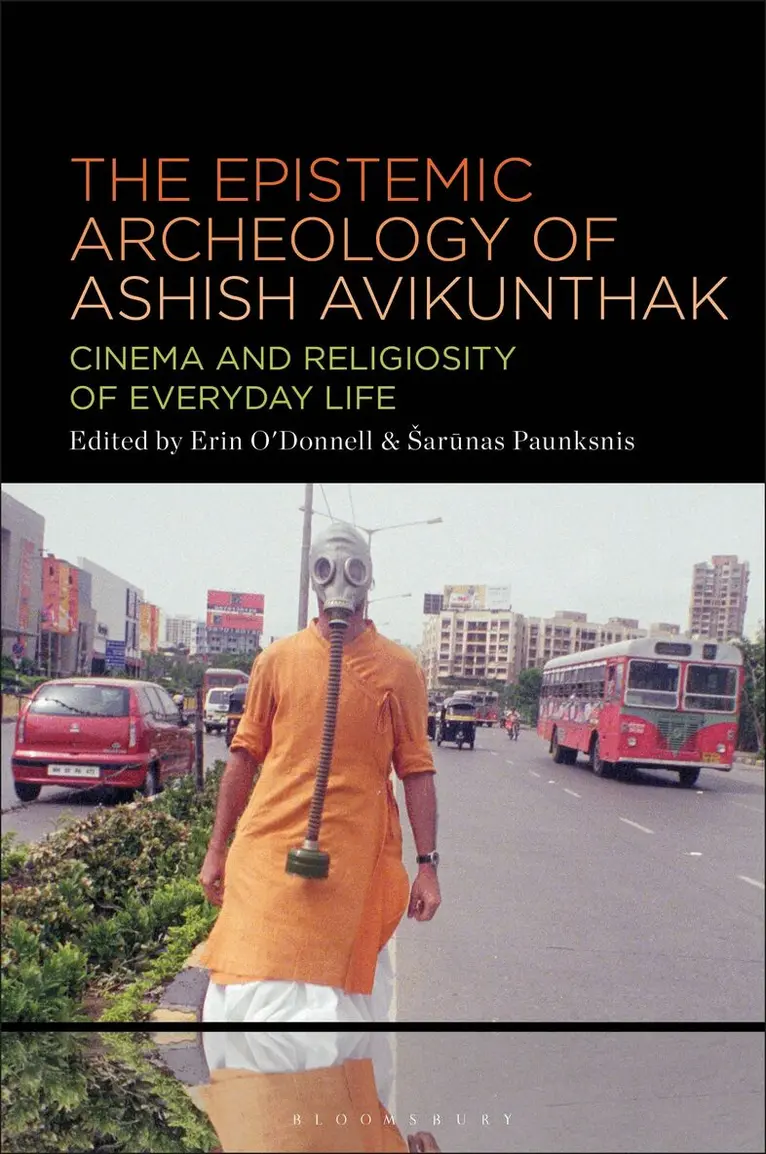
This book explores the diverse aspects of Ashish Avikunthak’s cinema, which challenges Western knowledge systems and cinematic practices, as well as ideological hegemonies of present-day India.For thirty years, Indian filmmaker Ashish Avikunthak has been making self-financed films that have robustly resisted capital and market logic. Starting from his early 16mm short films Etcetera (1997) and Kalighat Fetish (1999) to longer feature length works that he has been making since the past decade–Rati Chakravyuh (2013), Aapothkalin Trikalika (2016), Vrindavani Vairagya (2017), to the most recent Vidhvastha (2022) with several more projects in various stages of production. His body of work now amounts to seven short films and nine feature length works. This collection of essays rigorously interrogates, contextualizes, theorizes, and interprets his work in relation to some of the key preoccupations of this filmmaker, which include Tantric practice, alternative ways of filmmaking, as well as posing a cinematic challenge to oppressive epistemes. Furthermore, the current global assertion of authoritarianism and one-dimensional interpretations of cultural history and practice provide a timely and essential historical moment in which to dialogue with Avikunthak’s films. Why? Because Avikunthak’s cinema consciously contests totalizing historical and artistic narratives, and constructs frameworks of existential uncertainty and fragmentation that force us to reflect on the increasing political, economic, social, and climate chaos that is infusing and shaping our early 21st century global ontology.