Sascha Feinstein - Böcker
Visar alla böcker från författaren Sascha Feinstein. Handla med fri frakt och snabb leverans.
9 produkter
9 produkter
315 kr
Skickas inom 10-15 vardagar
" . . . in a class by itself . . . sensitive, moving, and powerful jazz imagery . . . the perfect companion to listening to good jazz." —Jazziz Magazine"In the course of the history of jazz, there have been only a few articles that get to the core of the meaning of jazz. These poems hit it right on the head, and the book is certainly essential for anyone who is interested in our music." —Dizzy Gillespie"To those interested in the impact of jazz upon the poetry of our century I recommend this anthology altogether without reservation." —John Lucas, JazzTimes" . . . essential . . . Its virtues are varied and copious, and not the least among them is discovering a writer whose work is new to you." —Los Angeles Reader"What makes this work most enjoyable is knowing the music and musicians and using that knowledge to understand and judge the poets' reactions to the elements in the music that please and inspire us." —MultiCultural Review"Filled with a variety of form, rhythm, and sound, this anthology is an absolute MUST for anyone who is even remotely interested in jazz and modern literature." —David BakerSince the turn of the century, poets have responded to jazz in all its musical and cultural overtones. The poems here cover the range of jazz itself: from early blues to free jazz and experimental music. Among the 132 poets included are James Baldwin, Lawrence Ferlinghetti, Langston Hughes, Jack Kerouac, Mina Loy, Ishmael Reed, and Sonia Sanchez. This anthology represents the broad appreciation for jazz as poetic inspiration, not only from the Beat movement but from writers across the decades and around the world.
269 kr
Skickas inom 10-15 vardagar
With The Jazz Poetry Anthology, this volume offers a comprehensive exploration of the history of jazz poetry. The Second Set gathers many poets omitted from The Jazz Poetry Anthology, including Gwendolyn Brooks, Arthur Brown, Diane di Prima, Henry Dumas, Nikki Giovanni, David Henderson, Anselm Hollo, Haki Madhubuti, Michael McClure, Larry Neal, Dudley Randall, Eugene B. Redmond, Carolyn M. Rodgers, Ntozake Shange, A. B. Spellman, and Jay Wright. The Second Set fills out the history of jazz poetry with poems written before World War II, as well as those from the Black Arts Movement of the 1960s, and includes contemporary writers from a range of cultural backgrounds, including Ai, Rita Dove, Yusef Komunyakaa, Martín Espada, Joy Harjo, Keorapetse Kgositsile, Michael Longley, Mwatabu Okantah, Charles Simic, Lorenzo Thomas, Derek Walcott, Ron Welburn, and Yevgeny Yevtushenko.Embracing a wide variety of poems informed by jazz, The Second Set also includes statements of poetics by many of the poets anthologized.
310 kr
Skickas inom 7-10 vardagar
Ask Me Now explores the relationship between the language of music and the music of language with 20 conversations on jazz and literature. Writer, editor, and saxophonist Sascha Feinstein gathers a variety of artists, poets, musicians, fiction writers, essayists, playwrights, and record producers for discussions on the elusive but engaging relationships between jazz and literature.Featured artists include central figures of the Black Arts Movement such as Amiri Baraka, Jayne Cortez, Haki R. Madhubuti, and Sonia Sanchez as well as distinguished music critics Gary Giddins, Dan Morgenstern, and Eugene B. Redmond. Winners of the Pulitzer Prize for poetry Yusef Komunyakaa and Philip Levine, outstanding jazz musicians Bill Crow and Fred Hersch, and several writers who cross literary genres: Hayden Carruth, Cornelius Eady, David Jauss, William Matthews, Lee Meitzen Grue, John Sinclair, and Al Young all contribute their thoughts to the book.
401 kr
Skickas inom 7-10 vardagar
A gathering of the best jazz fiction from the 1920s to the present, this anthology includes 20th-century fiction by Eudora Welty, James Baldwin, Richard Yates, and others, plus important recent work from writers such as Yusef Komunyakaa, Xu Xi, and Amiri Baraka. Together these artists demonstrate the strong influence of jazz on fiction. That influence can be felt in prose styles shaped by jazz—freewheeling, dramatic, conversational, improvisatory; in stories of players and listeners searching for what lies beyond the music's aesthetic power; and in the ambience of the jazz performance as captured by the written word. What sounds throughout these stories is the universal voice of humanity that is the essence of the music.
561 kr
Skickas inom 10-15 vardagar
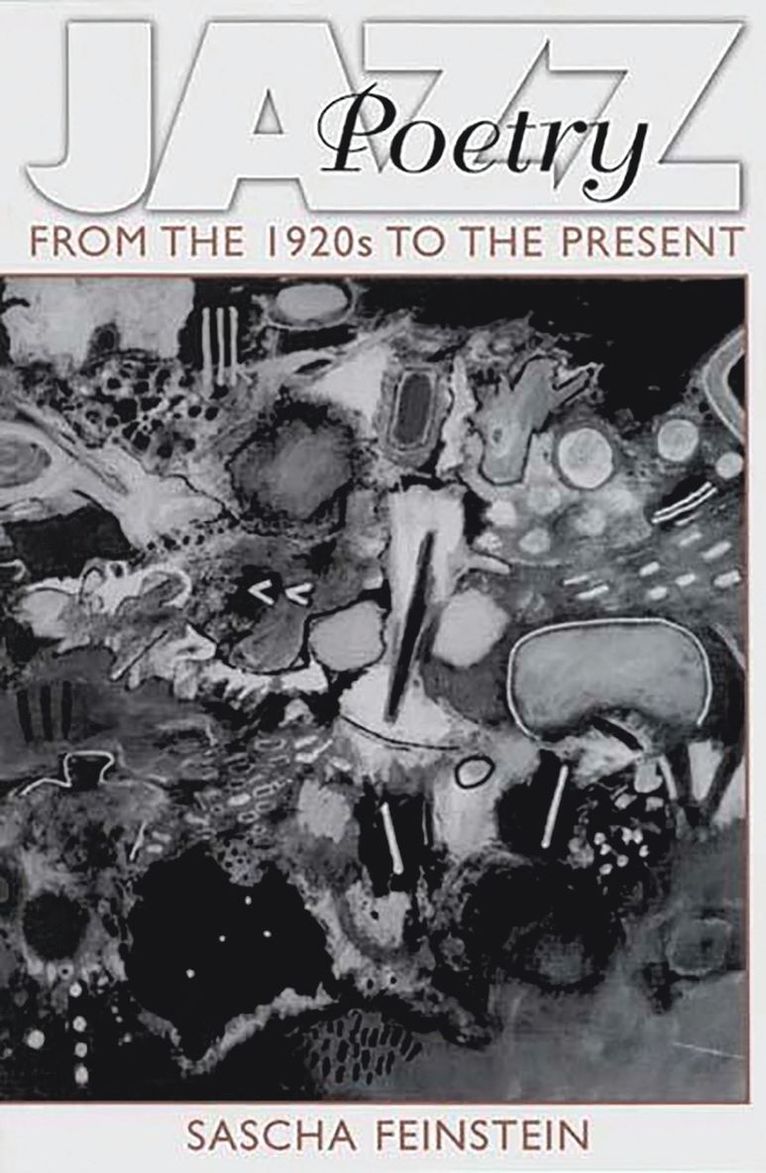
Embracing the entire history of jazz poetry, the work defines this inspired literary genre as poetry necessarily informed by jazz music. It discusses the major figures and various movements from the racist poems of the 1920s to contemporary times when the tone of jazz poetry experienced a dramatic change from elegy to celebration. The jazz music of Charlie Parker and John Coltrane transliterated into poetry by the likes of Langston Hughes and Sterling Brown is but a part of this vital work. This unusual volume will be of interest to scholars and students of literature, music, American and African Studies, and popular culture as well as anyone who enjoys jazz and poetry.Emphasis is given to a call and response between white and African American writers. The earliest jazz poems by white writers from the 1920s, for example, reflected the general anxieties evoked by jazz, particularly regarding race and sexuality, and jazz did not fully become embraced in American verse until Langston Hughes and Sterling Brown published their first books in 1926 and 1932, respectively. By the 1950s, jazz poetry had become a fad, featuring jazz and poetry in performance, and this book spends considerable time addressing the energetic but often wildly unsuccessful work by dominantly white, West coast writers who turned to Charlie Parker as their hero. African American poets from the 1960s, however, focused more on John Coltrane and interpreted his music as a representation of the Black Civil Rights movement. Jazz poetry from the 1970s to the present has had less to do with this call and response between races, and the final two chapters discuss contemporary jazz poetry in terms of its dramatic change in tone from elegy to joy.
853 kr
Skickas inom 10-15 vardagar
Containing over 500 annotated entries for individual poets and several anthologies, this work presents a substantial collection of poems that have been inspired by blues and jazz. Thousands of poems written between 1916 and the present are included. References to individual jazz figures addressed in the poetry are cross-referenced. The range of poems includes homages to jazz musicians and work written primarily to be read with jazz accompaniment. This wide selection of poetry offers a unique guide to the poetry inspired by jazz musicians and their music.Of interest to scholars and jazz enthusiasts alike, this substantial bibliography, annotated by author and cross-referenced by musician, presents a wealth of information previously unavailable in a single source. The jazz-related poetry identified will attract a range of writers and musicians. Furthermore, the broad variety of poets and anthologies presented crosses many boundaries and will also interest scholars of 20th century poetry, African American literature, and American literature.
1 160 kr
Skickas inom 10-15 vardagar
Embracing the entire history of jazz poetry, the work defines this inspired literary genre as poetry necessarily informed by jazz music. It discusses the major figures and various movements from the racist poems of the 1920s to contemporary times when the tone of jazz poetry experienced a dramatic change from elegy to celebration. The jazz music of Charlie Parker and John Coltrane transliterated into poetry by the likes of Langston Hughes and Sterling Brown is but a part of this vital work. This unusual volume will be of interest to scholars and students of literature, music, American and African Studies, and popular culture as well as anyone who enjoys jazz and poetry.Emphasis is given to a call and response between white and African American writers. The earliest jazz poems by white writers from the 1920s, for example, reflected the general anxieties evoked by jazz, particularly regarding race and sexuality, and jazz did not fully become embraced in American verse until Langston Hughes and Sterling Brown published their first books in 1926 and 1932, respectively. By the 1950s, jazz poetry had become a fad, featuring jazz and poetry in performance, and this book spends considerable time addressing the energetic but often wildly unsuccessful work by dominantly white, West coast writers who turned to Charlie Parker as their hero. African American poets from the 1960s, however, focused more on John Coltrane and interpreted his music as a representation of the Black Civil Rights movement. Jazz poetry from the 1970s to the present has had less to do with this call and response between races, and the final two chapters discuss contemporary jazz poetry in terms of its dramatic change in tone from elegy to joy.
233 kr
Skickas inom 5-8 vardagar
389 kr
Skickas inom 5-8 vardagar
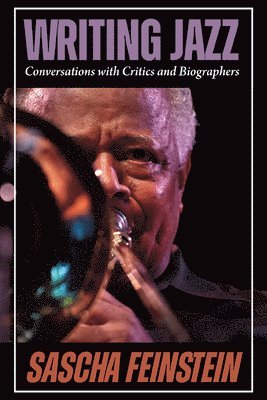
Fourteen interviews with distinguished jazz writers that explore the exciting challenges of writing about jazz.Finalist for the 2026 Book of the Year Award presented by the Jazz Journalists AssociationFinalist for the 2025 Foreword INDIES Book of the Year Award in the Performing Arts & Music categoryWriting Jazz presents interviews with fourteen distinguished jazz scholars: Whitney Balliett, Bob Blumenthal, Stanley Crouch, Linda Dahl, Maxine Gordon, Farah Jasmine Griffin, John Edward Hasse, Willard Jenkins, Hettie Jones, Robin D. G. Kelley, Laurie Pepper, Tom Piazza, Ricky Riccardi, and A. B. Spellman. This literary jam session explores the many challenges and thrills of writing about jazz in various prose forms, including liner notes, memoirs, biographies, and critical guides. The distinguished writers interviewed in this collection obviously share a passion for jazz, and each has produced a hefty amount of literature that illuminates both the music and its practitioners. A well-known writer on jazz, Sascha Feinstein has explored the relationship of jazz and literature throughout his career, making Writing Jazz an essential contribution to the field of jazz-related literature.