Satarupa Dey - Böcker
Visar alla böcker från författaren Satarupa Dey. Handla med fri frakt och snabb leverans.
12 produkter
12 produkter
1 431 kr
Skickas inom 10-15 vardagar
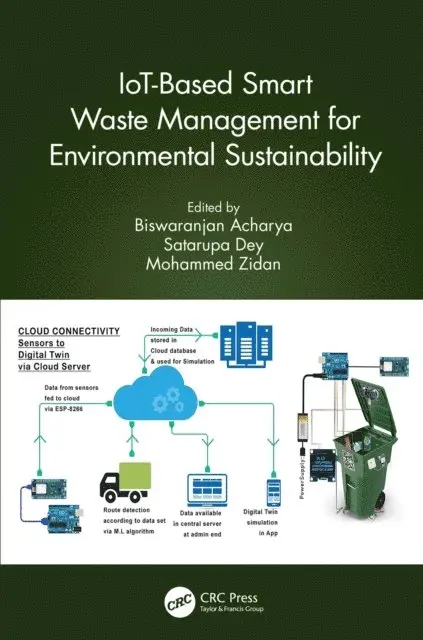
This book consolidates and summarizes smart technologies like IoT, edge computing, and AI used in different aspects of waste material management, mitigation, and recycling for a sustainable environment. One of the cases explains how IoT-based systems and wireless sensors can be used to continuously detect common pollutants such as volatile organic compounds (VOCs), carbon monoxide, and particulate matter (PM) and how the data collected are used to assess the overall air quality and determine actions for improvements. A collection of practical case studies, this book provides a comprehensive knowledge in smart waste management to readers in universities, research centers, and industries.
685 kr
Skickas inom 10-15 vardagar
This book consolidates and summarizes smart technologies like IoT, edge computing, and AI used in different aspects of waste material management, mitigation, and recycling for a sustainable environment. One of the cases explains how IoT-based systems and wireless sensors can be used to continuously detect common pollutants such as volatile organic compounds (VOCs), carbon monoxide, and particulate matter (PM) and how the data collected are used to assess the overall air quality and determine actions for improvements. A collection of practical case studies, this book provides a comprehensive knowledge in smart waste management to readers in universities, research centers, and industries.
1 431 kr
Skickas inom 10-15 vardagar
Extensive industrialization has led to an increased release of toxic metals into the soil and air. Industrial waste can include mine overburden, bauxite residue, and E waste, and these can serve as a source of valuable recoverable metals. There are relatively simple methods to recycle these wastes, but they require additional chemicals, are expensive, and generate secondary waste that causes environmental pollution. Biohydrometallurgical processing is a cost-effective and ecofriendly alternative where biological processes help conserve dwindling ore resources and extract metals in a nonpolluting way. Microbes can be used in metal extraction from primary ores, waste minerals, and industrial and mining wastes. Biohydrometallurgical Processes: Metal Recovery and Remediation serves as a useful guide for microbiologists, biotechnologists, and various industrialists dealing with mining, metallurgy, chemical engineering, and environmental sciences.Features:Examines advances in biohydrometallurgy, biomineralization, and bioleaching techniquesDiscusses the importance of bacteria in biohydrometallurgical processes and microbial interventions for waste cleanup and upgradation of mineralsPresents the latest techniques for biosynthesis related to different metals, along with recent developments in alternative procedures using extremophiles and leaching bacteria
725 kr
Skickas inom 10-15 vardagar
Extensive industrialization has led to an increased release of toxic metals into the soil and air. Industrial waste can include mine overburden, bauxite residue, and E waste, and these can serve as a source of valuable recoverable metals. There are relatively simple methods to recycle these wastes, but they require additional chemicals, are expensive, and generate secondary waste that causes environmental pollution. Biohydrometallurgical processing is a cost-effective and ecofriendly alternative where biological processes help conserve dwindling ore resources and extract metals in a nonpolluting way. Microbes can be used in metal extraction from primary ores, waste minerals, and industrial and mining wastes. Biohydrometallurgical Processes: Metal Recovery and Remediation serves as a useful guide for microbiologists, biotechnologists, and various industrialists dealing with mining, metallurgy, chemical engineering, and environmental sciences.Features:Examines advances in biohydrometallurgy, biomineralization, and bioleaching techniquesDiscusses the importance of bacteria in biohydrometallurgical processes and microbial interventions for waste cleanup and upgradation of mineralsPresents the latest techniques for biosynthesis related to different metals, along with recent developments in alternative procedures using extremophiles and leaching bacteria
2 679 kr
Skickas inom 5-8 vardagar
2 059 kr
Skickas inom 5-8 vardagar
2 624 kr
Skickas inom 7-10 vardagar
This book covers polyextremophiles, the latest biotechnological advances, and developments in the study of extremophilic diversity with a focus on genetics, proteomics and the impact of climate change. It sets out new perspectives on the polyextremophiles' mechanism of tolerance to extreme conditions, and it also outlines their applications in bioremediation, therapeutics, and astrobiology research. Expert contributors discuss topics such as genes associated with polyextremophiles, the applications of genome editing in extremophiles, secondary metabolites from extremophiles, and the biocatalytic potential of extemozymes isolated from extremophiles. Readers will find in this book several case studies that collate the diverse applications of polyextremophiles for bioremediation, including the use of extremophilic algae in wastewater treatment, nutrient recovery and animal feed production, the treatment of industrial waste, pharmaceuticals and personal care products, and the removal of microplastics, heavy metals and E-waste. Particular attention is given to the use of polyextremophiles for bioremediation of abandoned mining sites. The book also presents bioactive compounds from halophiles and their biomedical applications and discusses the implications of polyextremophiles in astrobiology research.Given its breadth, this book is a valuable contribution to the biotechnology of polyextremophiles by overviewing research to date and exploring challenges and opportunities for future research. It also benefits a broad readership, from scholars, researchers and students to industry professionals interested in the study and development of biotechnological applications of polyextremophiles.
2 624 kr
Skickas inom 10-15 vardagar
This book covers polyextremophiles, the latest biotechnological advances, and developments in the study of extremophilic diversity with a focus on genetics, proteomics and the impact of climate change. It sets out new perspectives on the polyextremophiles' mechanism of tolerance to extreme conditions, and it also outlines their applications in bioremediation, therapeutics, and astrobiology research. Expert contributors discuss topics such as genes associated with polyextremophiles, the applications of genome editing in extremophiles, secondary metabolites from extremophiles, and the biocatalytic potential of extemozymes isolated from extremophiles. Readers will find in this book several case studies that collate the diverse applications of polyextremophiles for bioremediation, including the use of extremophilic algae in wastewater treatment, nutrient recovery and animal feed production, the treatment of industrial waste, pharmaceuticals and personal care products, and the removal of microplastics, heavy metals and E-waste. Particular attention is given to the use of polyextremophiles for bioremediation of abandoned mining sites. The book also presents bioactive compounds from halophiles and their biomedical applications and discusses the implications of polyextremophiles in astrobiology research.Given its breadth, this book is a valuable contribution to the biotechnology of polyextremophiles by overviewing research to date and exploring challenges and opportunities for future research. It also benefits a broad readership, from scholars, researchers and students to industry professionals interested in the study and development of biotechnological applications of polyextremophiles.
2 346 kr
Skickas inom 5-8 vardagar
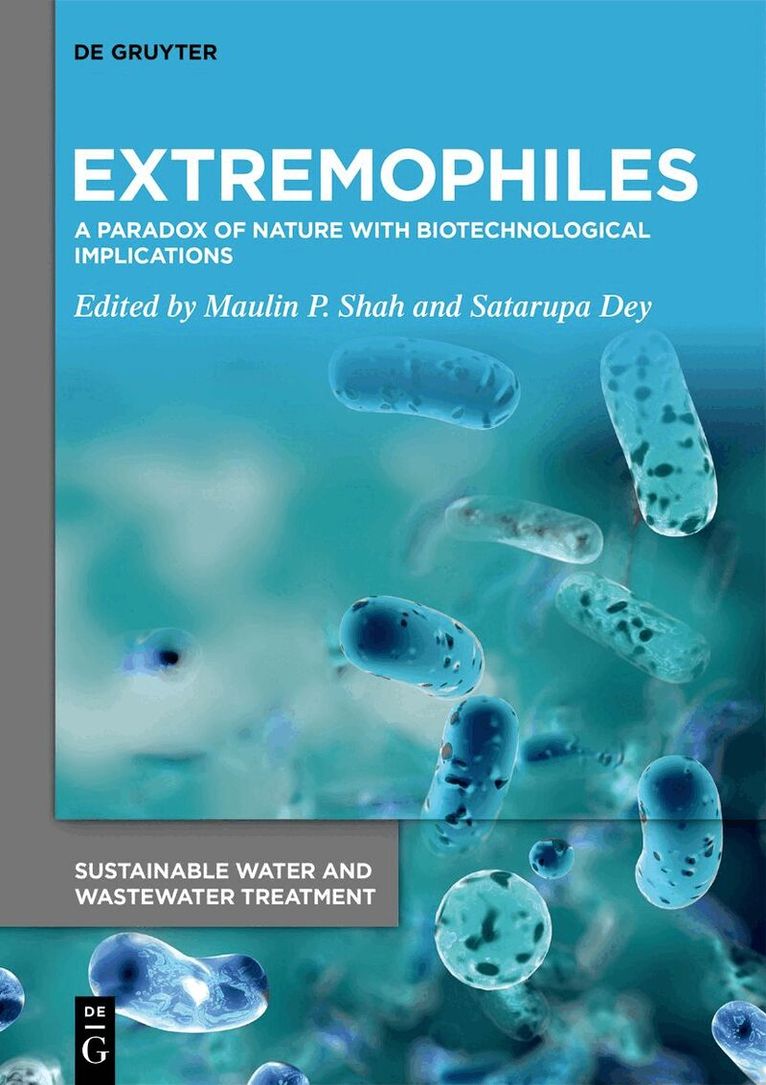
This book covers the latest development in the biotechnological application of extremophiles. Along with this the impact of climate change and environmental pollution on loss of diversity of extremophiles is also discussed. This is crucial as the loss of this diversity is related with the loss of many bioactive compounds and bacteria of ecological importance. This volume outlines applications of extremophiles in biotechnology, nanotechnology, and bioremediation.
1 682 kr
Skickas inom 10-15 vardagar
This book focuses on the most recent developments in bioremediation techniques and what the future holds for bioremediation in order to reduce the amount of pollution in the world.
1 682 kr
Skickas inom 10-15 vardagar
This book explores the latest development on bioremediation techniques of wastewater pollutants using microbes. They can be used to valorize nutrients from wastewater systems and produce biodiesel, bioethanol and other biofuels. Furthermore, polymers such as poly hydroxybutyric acids and other extra cellular polysaccharides obtained from these microbes can also be utilized for the production of bioplastics, different biopolymers and biosurfactants. The book is divided into three parts, including (1) bioremediation by microbes, (2) resource recovery by microbes and (3) genomics and proteomics associated with bioremediation. The volume is a valuable resource for researchers, students, academicians and policymakers in the field of wastewater treatment.
2 310 kr
Skickas inom 7-10 vardagar
This book focuses on the most recent developments in bioremediation techniques, exploring how microorganisms can break down different pollutants and the future potential of bioremediation to reduce global pollution levels. It examines the impact of various emerging pollutants on the environment and the health of living organisms while highlighting recent advancements in bioremediation methods needed to degrade these pollutants.Addressing both inorganic and organic compounds from industrial and anthropogenic activities, including personal care products, endocrine disruptors, and pharmaceutical products, this book tackles pollutants that escape conventional water treatment processes, contaminating groundwater, soil, sediments, and oceans. The chapters also cover topics such as the toxicity and health impacts of emerging pollutants, ecotoxicological effects of nanoparticles, policies related to emerging pollutants, technologies for their detection, and technological aspects of their fate during wastewater treatment.Readers will find a comprehensive examination of the roles of microbes in bioremediation, including the elimination, degradation, detoxification, and immobilization of pollutants. The book also introduces enzyme biotechnology as a cost-effective, low-energy, eco-friendly technology for treating various pollutants. Furthermore, it discusses the combination of physical treatment and nanotechnology for sustainable pollutant removal.This book serves as a valuable resource for policymakers aiming to develop effective environmental regulations, educators seeking comprehensive educational material, researchers looking to expand their knowledge on advanced bioremediation techniques, climate change scientists dedicated to mitigating pollution, and undergraduate and graduate students studying agriculture, forestry, ecology, soil science, or environmental sciences.