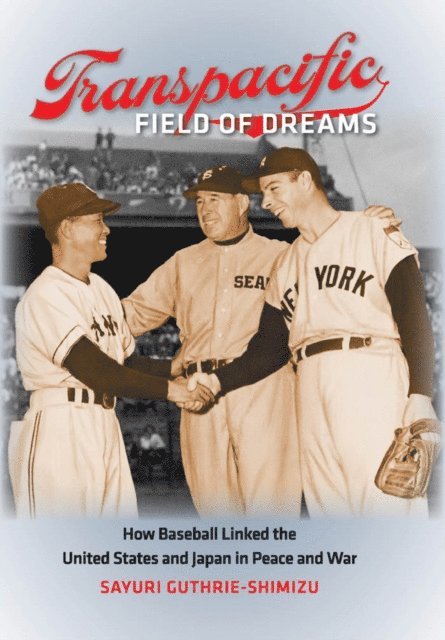
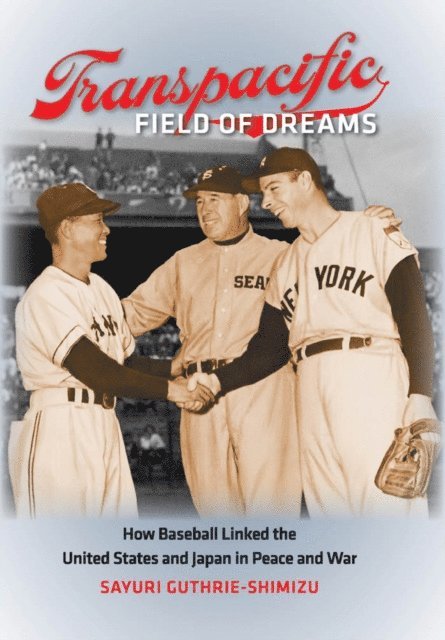
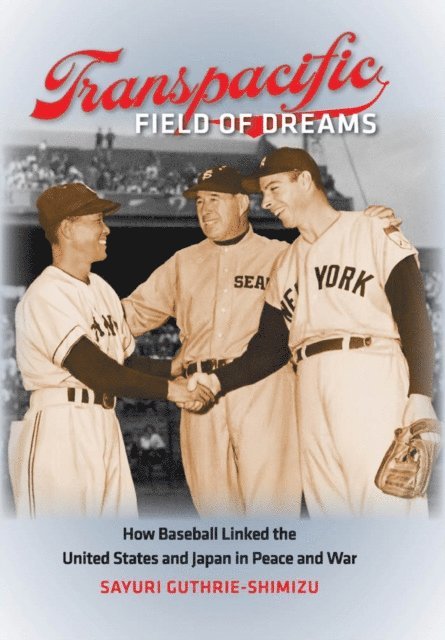
Baseball has joined America and Japan, even in times of strife, for over 150 years. After the “opening” of Japan by Commodore Perry, Sayuri Guthrie-Shimizu explains, baseball was introduced there by American employees of the Japanese government tasked with bringing Western knowledge and technology to the country, and Japanese students in the United States soon became avid players. In the early twentieth century, visiting Japanese warships fielded teams that played against American teams, and a Negro League team arranged tours to Japan. By the 1930s, professional baseball was organized in Japan where it continued to be played during and after World War II; it was even played in Japanese American internment camps in the United States during the war.From early on, Guthrie-Shimizu argues, baseball carried American values to Japan, and by the mid-twentieth century, the sport had become emblematic of Japan’s modernization and of America’s growing influence in the Pacific world. Guthrie-Shimizu contends that baseball provides unique insight into U.S.-Japanese relations during times of war and peace and, in fact, is central to understanding postwar reconciliation. In telling this often surprising history, Transpacific Field of Dreams shines a light on globalization’s unlikely, and at times accidental, participants.
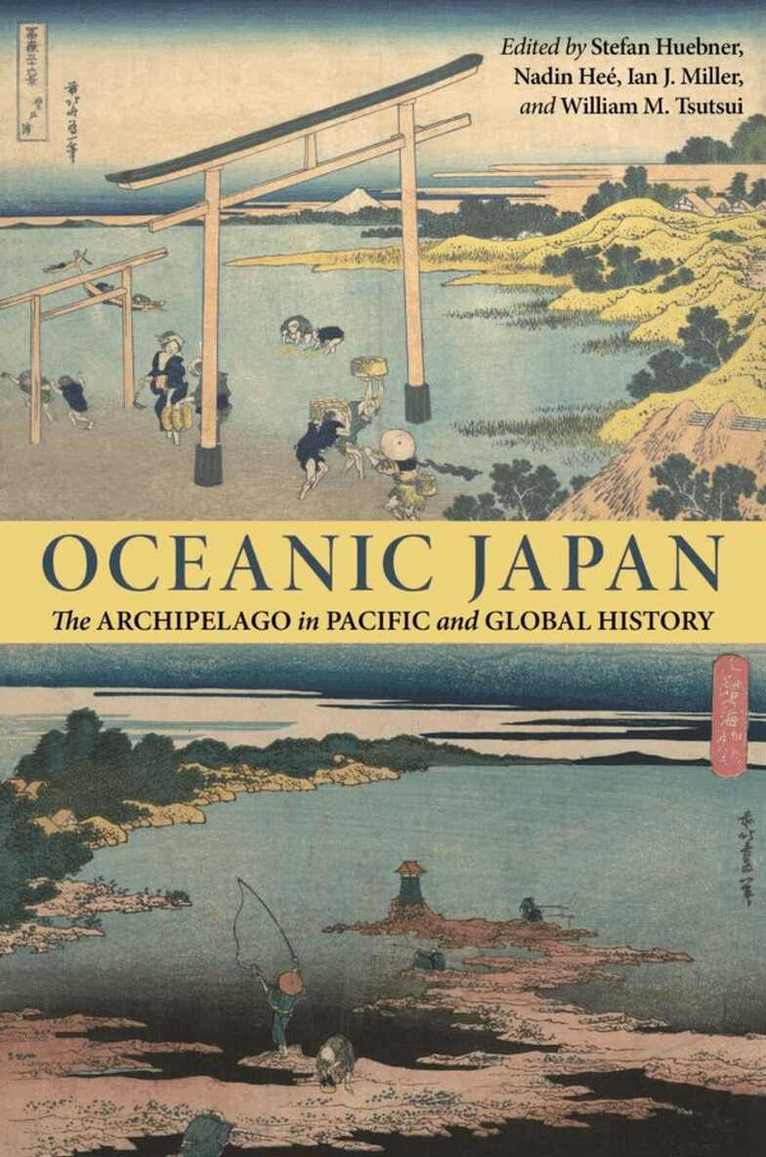
Japan’s oceans demand our attention. Violent, prolific, and changeful, they define life and death on the archipelago: pushing the shore under the rush of tsunami, charging typhoon circulation, feeding millions, and seeding conflicts over territory and resources. And yet, Japan studies remains largely beholden to a terrestrial view of the world that is at odds with the importance of the sea. This “terrestrial bias” also means that on those occasions when oceans are recognized they are most often presented as dividers or connectors—spaces in between rather than rich ecologies and meaningful sites. Oceanic Japan>/i> is meant to help readers re-envision Japanese history in order to show how the seas created the country that we know today.The book convenes a diverse, multinational, multidisciplinary group of scholars to expand the scope of Japan studies and the field of environmental humanities. The chapters draw from the broader turn to the sea—characterized by new oceanic and terraqueous perspectives—developing within these fields and in areas such as Pacific history and Indian Ocean studies. The volume editors’ vision is bifocal. On one hand, they aim to reorient East Asian studies and Japan studies to the sea, underlining how oceans have shaped dynamics from the Tokugawa Era forward into the age of empire and the crisis of the Anthropocene. On the other hand, they argue for a more nuanced environmental approach within the burgeoning field of Oceanic studies. Seeing oceanic spaces as more than entrepots or political spheres requires thinking in new, often vertical, volumetric ways. The chapters follow human and non-human actors to recognize the variegation of watery ecologies through winds, tides, coasts, seabeds, and currents such as the Kuroshio and Oyashio, which have always shaped life on the archipelago.
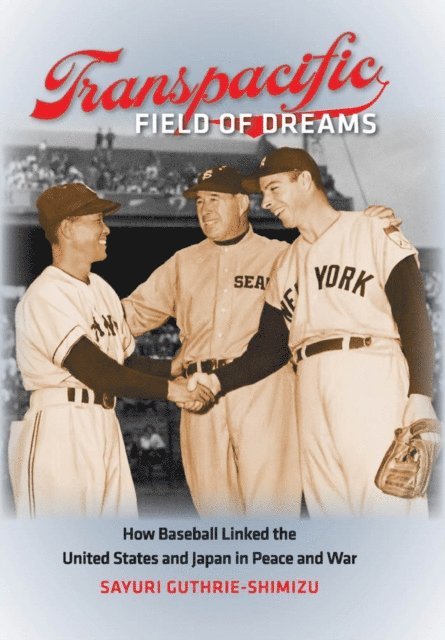
Baseball has joined America and Japan, even in times of strife, for over 150 years. After the "opening" of Japan by Commodore Perry, Sayuri Guthrie-Shimizu explains, baseball was introduced there by American employees of the Japanese government tasked with bringing Western knowledge and technology to the country, and Japanese students in the United States soon became avid players. In the early twentieth century, visiting Japanese warships fielded teams that played against American teams, and a Negro League team arranged tours to Japan. By the 1930s, professional baseball was organized in Japan where it continued to be played during and after World War II; it was even played in Japanese American internment camps in the United States during the war.From early on, Guthrie-Shimizu argues, baseball carried American values to Japan, and by the mid-twentieth century, the sport had become emblematic of Japan''s modernization and of America''s growing influence in the Pacific world. Guthrie-Shimizu contends that baseball provides unique insight into U.S.-Japanese relations during times of war and peace and, in fact, is central to understanding postwar reconciliation. In telling this often surprising history, Transpacific Field of Dreams shines a light on globalization''s unlikely, and at times accidental, participants.
Baseball has joined America and Japan, even in times of strife, for over 150 years. After the ""opening"" of Japan by Commodore Perry, Sayuri Guthrie-Shimizu explains, baseball was introduced there by American employees of the Japanese government tasked with bringing Western knowledge and technology to the country, and Japanese students in the United States soon became avid players. In the early twentieth century, visiting Japanese warships fielded teams that played against American teams, and a Negro League team arranged tours to Japan. By the 1930s, professional baseball was organized in Japan where it continued to be played during and after World War II; it was even played in Japanese American internment camps in the United States during the war.From early on, Guthrie-Shimizu argues, baseball carried American values to Japan, and by the mid-twentieth century, the sport had become emblematic of Japan's modernization and of America's growing influence in the Pacific world. Guthrie-Shimizu contends that baseball provides unique insight into U.S.-Japanese relations during times of war and peace and, in fact, is central to understanding postwar reconciliation. In telling this often surprising history, Transpacific Field of Dreams shines a light on globalization's unlikely, and at times accidental, participants.
Baseball has joined America and Japan, even in times of strife, for over 150 years. After the “opening” of Japan by Commodore Perry, Sayuri Guthrie-Shimizu explains, baseball was introduced there by American employees of the Japanese government tasked with bringing Western knowledge and technology to the country, and Japanese students in the United States soon became avid players. In the early twentieth century, visiting Japanese warships fielded teams that played against American teams, and a Negro League team arranged tours to Japan. By the 1930s, professional baseball was organized in Japan where it continued to be played during and after World War II; it was even played in Japanese American internment camps in the United States during the war.From early on, Guthrie-Shimizu argues, baseball carried American values to Japan, and by the mid-twentieth century, the sport had become emblematic of Japan’s modernization and of America’s growing influence in the Pacific world. Guthrie-Shimizu contends that baseball provides unique insight into U.S.-Japanese relations during times of war and peace and, in fact, is central to understanding postwar reconciliation. In telling this often surprising history, Transpacific Field of Dreams shines a light on globalization’s unlikely, and at times accidental, participants.