Sean Brady – författare
Visar alla böcker från författaren Sean Brady. Handla med fri frakt och snabb leverans.
8 produkter
8 produkter
Inbunden, Engelska, 2018
1 995 kr
Skickas inom 10-15 vardagar
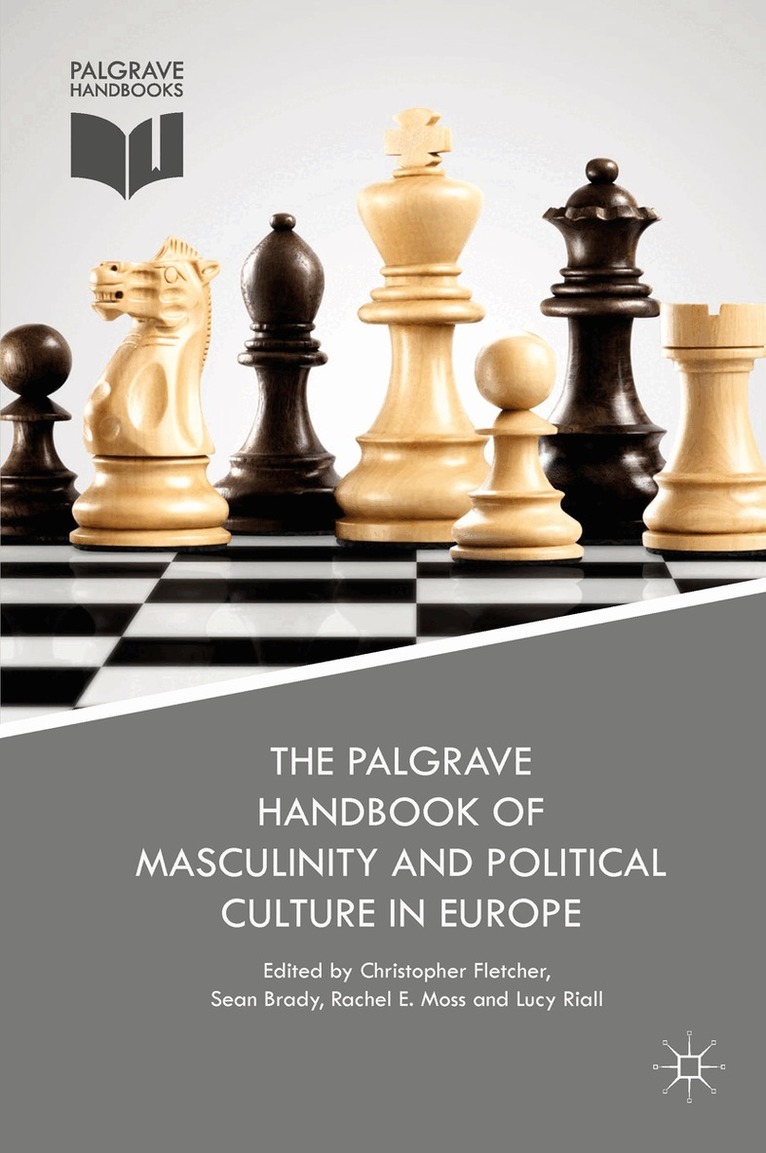
This handbook aims to challenge ‘gender blindness’ in the historical study of high politics, power, authority and government, by bringing together a group of scholars at the forefront of current historical research into the relationship between masculinity and political power. Until very recently in historical terms, formal political authority in Europe was normally and ideally held by adult males, with female power being perceived as a recurrent aberration. Yet paradoxically the study of the interactions between masculinity and political culture is still very much in its infancy. This volume seeks to remedy this lacuna by considering the different consequences of the masculinity of power over two millennia of European history. It examines how masculinity and political culture have interacted from ancient Rome and the early medieval Byzantine empire, to twentieth-century Germany and Italy. It considers a broad variety of case studies from early medieval Iceland and late medieval France, to Naples at the time of the French Revolution and Strasbourg after the Franco-Prussian War, with a particular focus on the development of political masculinities in Great Britain between the sixteenth century and the present day.
E-bok
Engelska, 20182 599 kr
Läs direkt efter köp
This handbook aims to challenge ‘gender blindness’ in the historical study of high politics, power, authority and government, by bringing together a group of scholars at the forefront of current historical research into the relationship between masculinity and political power. Until very recently in historical terms, formal political authority in Europe was normally and ideally held by adult males, with female power being perceived as a recurrent aberration. Yet paradoxically the study of the interactions between masculinity and political culture is still very much in its infancy. This volume seeks to remedy this lacuna by considering the different consequences of the masculinity of power over two millennia of European history. It examines how masculinity and political culture have interacted from ancient Rome and the early medieval Byzantine empire, to twentieth-century Germany and Italy. It considers a broad variety of case studies from early medieval Iceland and late medieval France, to Naples at the time of the French Revolution and Strasbourg after the Franco-Prussian War, with a particular focus on the development of political masculinities in Great Britain between the sixteenth century and the present day.
E-bok
PDF, Engelska, 2019514 kr
Läs direkt efter köp
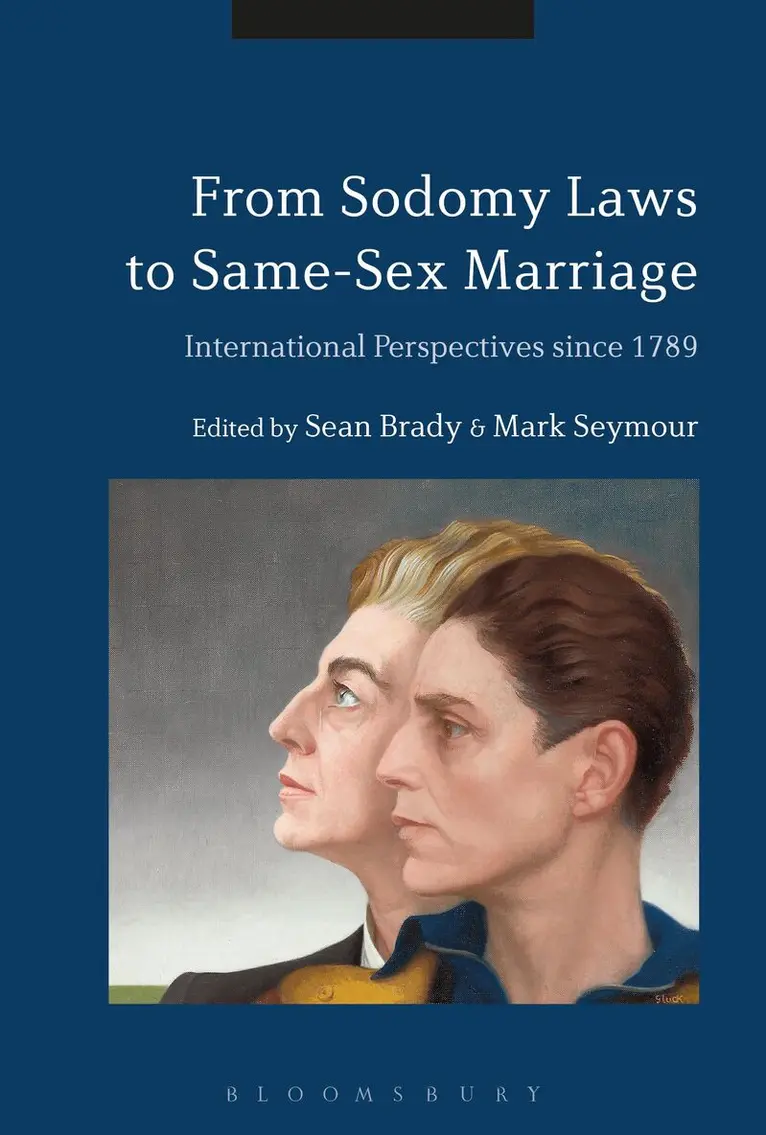
Inspired by recent adoptions of same-sex marriage, From Sodomy Laws to Same-Sex Marriage provides international perspectives on the legal and social history of same-sex relationships from the early 19th century to the present. Its emphasis is on areas where the impetus for change has been most noticeable: Europe, the Americas, and Australasia. From Sodom and Gomorrah to Britain''s sodomy laws and continental Europe''s abhorrence of sexual acts ''against nature'', the history of same-sex love traditionally ranged from fire and brimstone maledictions to secrecy and scandal. Until recently, legal positions across the western world reflected the legacies of the British and French empires, as well as Christianity, particularly Catholicism. In recent years, however, there has been a revolution in attitudes towards same-sex relationships. This poses hitherto unanswered questions: what historical complexities lie behind the revolutionary shift from punitive attitudes to legal endorsement of same-sex relationships? Given the cultural variety of historical attitudes to same-sex relationships, why has their legal acceptance been so international? The essays in this volume provide answers to these questions, offering the first international overview of the topic. While other studies have attempted to explain the change in legal and social treatment of same-sex relationships in a national context, or within a shorter time frame, this is the first volume to examine the topic from the French Revolution to the present day, bringing together a diverse array of perspectives over a range of countries. It is an important volume for students and scholars of queer history, the history of sexuality, law and sociology.
E-bok
Engelska, 2019514 kr
Läs direkt efter köp
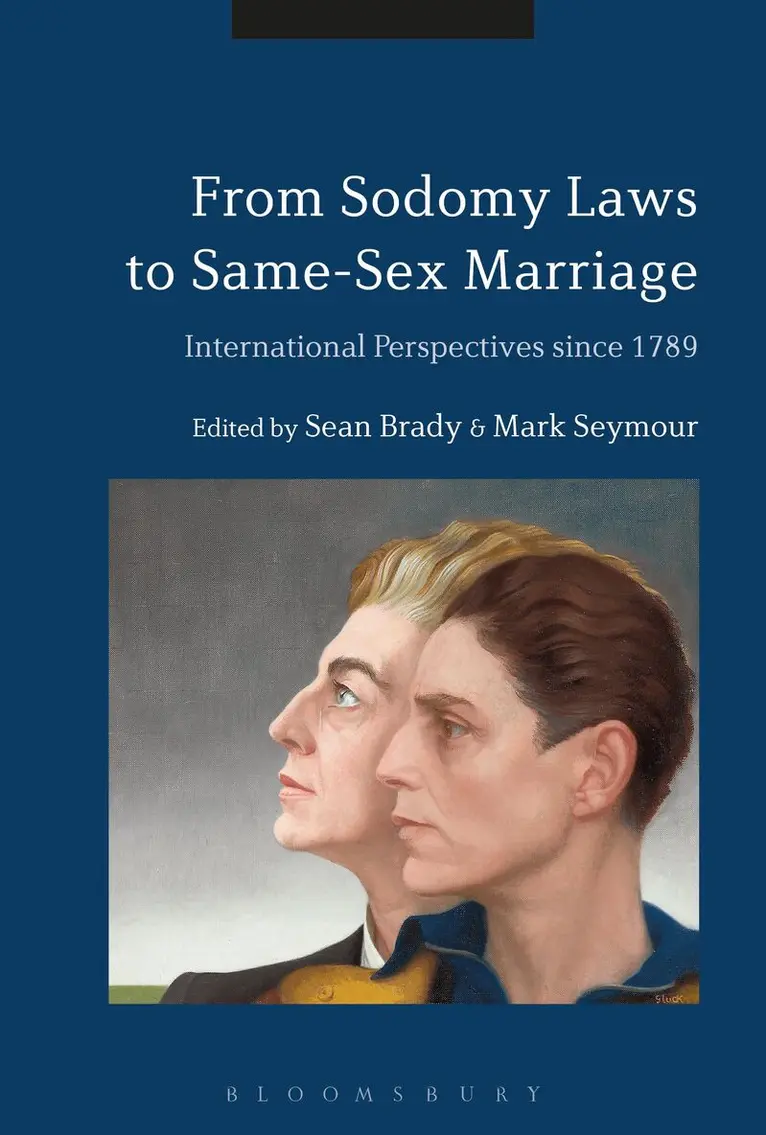
Inspired by recent adoptions of same-sex marriage, From Sodomy Laws to Same-Sex Marriage provides international perspectives on the legal and social history of same-sex relationships from the early 19th century to the present. Its emphasis is on areas where the impetus for change has been most noticeable: Europe, the Americas, and Australasia. From Sodom and Gomorrah to Britain''s sodomy laws and continental Europe''s abhorrence of sexual acts ''against nature'', the history of same-sex love traditionally ranged from fire and brimstone maledictions to secrecy and scandal. Until recently, legal positions across the western world reflected the legacies of the British and French empires, as well as Christianity, particularly Catholicism. In recent years, however, there has been a revolution in attitudes towards same-sex relationships. This poses hitherto unanswered questions: what historical complexities lie behind the revolutionary shift from punitive attitudes to legal endorsement of same-sex relationships? Given the cultural variety of historical attitudes to same-sex relationships, why has their legal acceptance been so international? The essays in this volume provide answers to these questions, offering the first international overview of the topic. While other studies have attempted to explain the change in legal and social treatment of same-sex relationships in a national context, or within a shorter time frame, this is the first volume to examine the topic from the French Revolution to the present day, bringing together a diverse array of perspectives over a range of countries. It is an important volume for students and scholars of queer history, the history of sexuality, law and sociology.
Inbunden, Engelska, 2019
1 715 kr
Skickas inom 10-15 vardagar
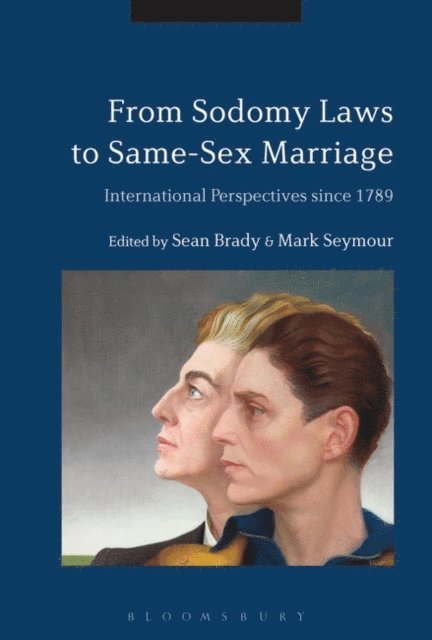
Inspired by recent adoptions of same-sex marriage, From Sodomy Laws to Same-Sex Marriage provides international perspectives on the legal and social history of same-sex relationships from the early 19th century to the present. Its emphasis is on areas where the impetus for change has been most noticeable: Europe, the Americas, and Australasia. From Sodom and Gomorrah to Britain’s sodomy laws and continental Europe’s abhorrence of sexual acts ‘against nature’, the history of same-sex love traditionally ranged from fire and brimstone maledictions to secrecy and scandal. Until recently, legal positions across the western world reflected the legacies of the British and French empires, as well as Christianity, particularly Catholicism. In recent years, however, there has been a revolution in attitudes towards same-sex relationships. This poses hitherto unanswered questions: what historical complexities lie behind the revolutionary shift from punitive attitudes to legal endorsement of same-sex relationships? Given the cultural variety of historical attitudes to same-sex relationships, why has their legal acceptance been so international? The essays in this volume provide answers to these questions, offering the first international overview of the topic. While other studies have attempted to explain the change in legal and social treatment of same-sex relationships in a national context, or within a shorter time frame, this is the first volume to examine the topic from the French Revolution to the present day, bringing together a diverse array of perspectives over a range of countries. It is an important volume for students and scholars of queer history, the history of sexuality, law and sociology.
Häftad, Engelska, 2021
477 kr
Skickas inom 10-15 vardagar
Inspired by recent adoptions of same-sex marriage, From Sodomy Laws to Same-Sex Marriage provides international perspectives on the legal and social history of same-sex relationships from the early 19th century to the present. Its emphasis is on areas where the impetus for change has been most noticeable: Europe, the Americas, and Australasia. From Sodom and Gomorrah to Britain’s sodomy laws and continental Europe’s abhorrence of sexual acts ‘against nature’, the history of same-sex love traditionally ranged from fire and brimstone maledictions to secrecy and scandal. Until recently, legal positions across the western world reflected the legacies of the British and French empires, as well as Christianity, particularly Catholicism. In recent years, however, there has been a revolution in attitudes towards same-sex relationships. This poses hitherto unanswered questions: what historical complexities lie behind the revolutionary shift from punitive attitudes to legal endorsement of same-sex relationships? Given the cultural variety of historical attitudes to same-sex relationships, why has their legal acceptance been so international? The essays in this volume provide answers to these questions, offering the first international overview of the topic. While other studies have attempted to explain the change in legal and social treatment of same-sex relationships in a national context, or within a shorter time frame, this is the first volume to examine the topic from the French Revolution to the present day, bringing together a diverse array of perspectives over a range of countries. It is an important volume for students and scholars of queer history, the history of sexuality, law and sociology.
Inbunden, Engelska, 2019
1 333 kr
Skickas inom 10-15 vardagar
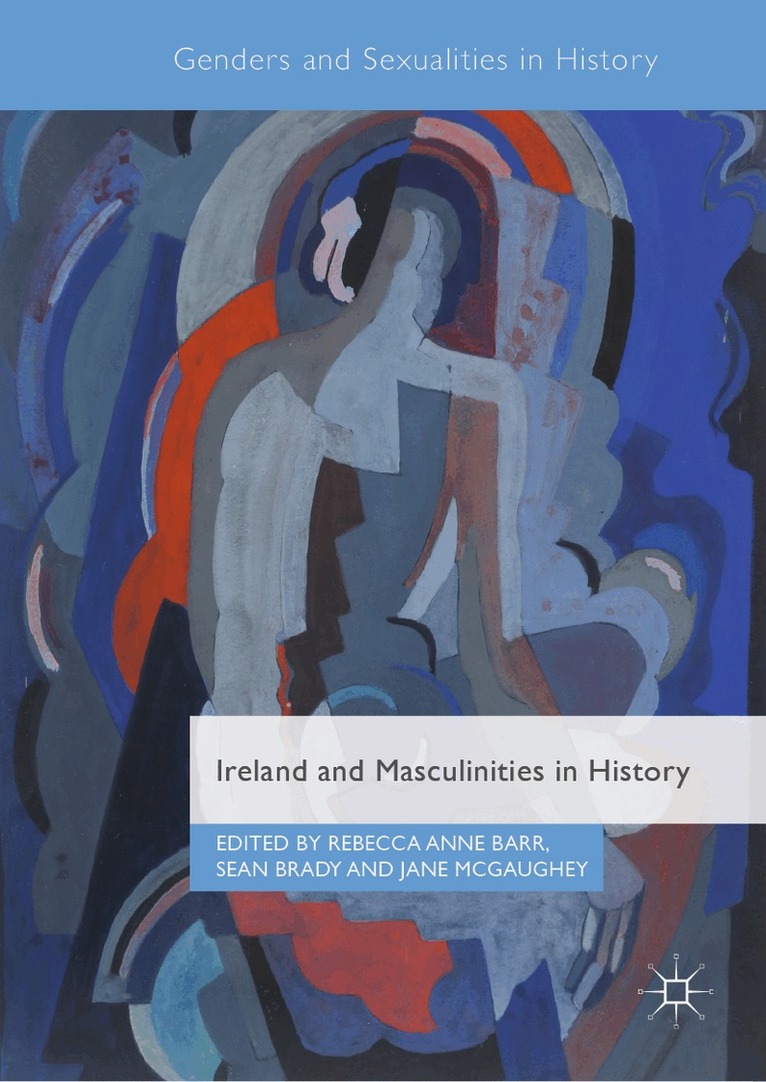
This edited collection presents a selection of essays on the history of Irish masculinities. Beginning with representations of masculinity in eighteenth-century drama, economics, and satire, and concluding with work on the politics of masculinity post Good-Friday Agreement in Northern Ireland, the collection advances the importance of masculinities in our understanding of Irish history and historiography. Using a variety of approaches, including literary and legal theory as well as cultural, political and local histories, this collection illuminates the differing forms, roles, and representations of Irish masculinities. Themes include the politicisation of Irishmen in both the Republic of Ireland and in Northern Ireland; muscular manliness in the Irish Diaspora; Orangewomen and political agency; the disruptive possibility of the rural bachelor; and aspirational constructions of boyhood. Several essays explore how masculinity is constructed and performed by women, thus emphasizing the necessity of differentiating masculinity from maleness. These essays demonstrate the value of gender and masculinities for historical research and the transformative potential of these concepts in how we envision Ireland’s past, present, and future.
E-bok
Engelska, 20191 785 kr
Läs direkt efter köp
This edited collection presents a selection of essays on the history of Irish masculinities. Beginning with representations of masculinity in eighteenth-century drama, economics, and satire, and concluding with work on the politics of masculinity post Good-Friday Agreement in Northern Ireland, the collection advances the importance of masculinities in our understanding of Irish history and historiography. Using a variety of approaches, including literary and legal theory as well as cultural, political and local histories, this collection illuminates the differing forms, roles, and representations of Irish masculinities. Themes include the politicisation of Irishmen in both the Republic of Ireland and in Northern Ireland; muscular manliness in the Irish Diaspora; Orangewomen and political agency; the disruptive possibility of the rural bachelor; and aspirational constructions of boyhood. Several essays explore how masculinity is constructed and performed by women, thus emphasizing the necessity of differentiating masculinity from maleness. These essays demonstrate the value of gender and masculinities for historical research and the transformative potential of these concepts in how we envision Ireland’s past, present, and future.