Sean Hannan - Böcker
Visar alla böcker från författaren Sean Hannan. Handla med fri frakt och snabb leverans.
7 produkter
7 produkter
2 098 kr
Skickas inom 10-15 vardagar
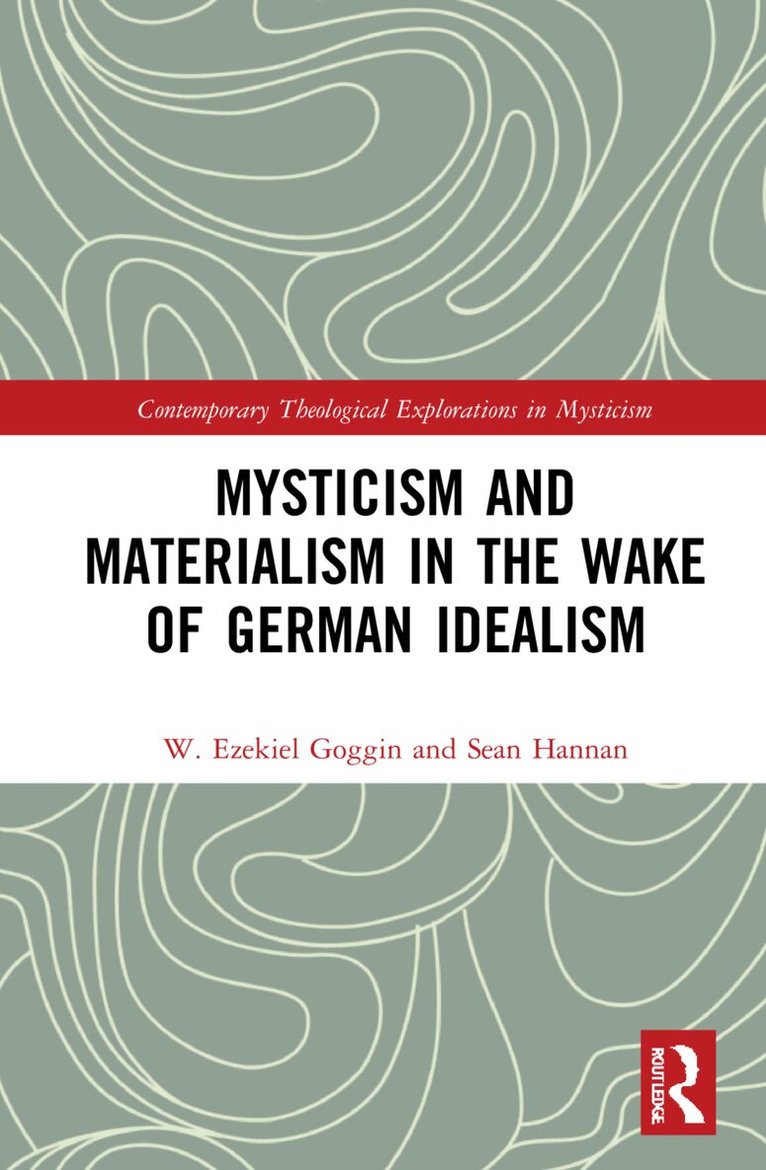
This book argues that the rediscovery of mystical theology in nineteenth-century Germany not only helped inspire idealism and romanticism, but also planted the seeds of their overcoming by way of critical materialism. Thanks in part to the Neoplatonic turn in the works of J. G. Fichte, as well as the enthusiasm of mining engineer Franz X. von Baader, mystical themes gained a critical currency, and mystical texts returned to circulation. This reawakening of the mystical tradition influenced romantic and idealist thinkers such as Novalis and Hegel, and also shaped later critical interventions by Marx, Benjamin, and Bataille. Rather than rehearsing well-known connections to Swedenborg or Böhme, this study goes back further to the works of Meister Eckhart, Nicholas of Cusa, Catherine of Siena, and Angela of Foligno. The book offers a new perspective on the reception of mystical self-interrogation in nineteenth-century German thought and will appeal to scholars of philosophy, history, theology, and religious studies.
579 kr
Skickas inom 10-15 vardagar
This book argues that the rediscovery of mystical theology in nineteenth-century Germany not only helped inspire idealism and romanticism, but also planted the seeds of their overcoming by way of critical materialism. Thanks in part to the Neoplatonic turn in the works of J. G. Fichte, as well as the enthusiasm of mining engineer Franz X. von Baader, mystical themes gained a critical currency, and mystical texts returned to circulation. This reawakening of the mystical tradition influenced romantic and idealist thinkers such as Novalis and Hegel, and also shaped later critical interventions by Marx, Benjamin, and Bataille. Rather than rehearsing well-known connections to Swedenborg or Böhme, this study goes back further to the works of Meister Eckhart, Nicholas of Cusa, Catherine of Siena, and Angela of Foligno. The book offers a new perspective on the reception of mystical self-interrogation in nineteenth-century German thought and will appeal to scholars of philosophy, history, theology, and religious studies.
328 kr
Skickas inom 10-15 vardagar
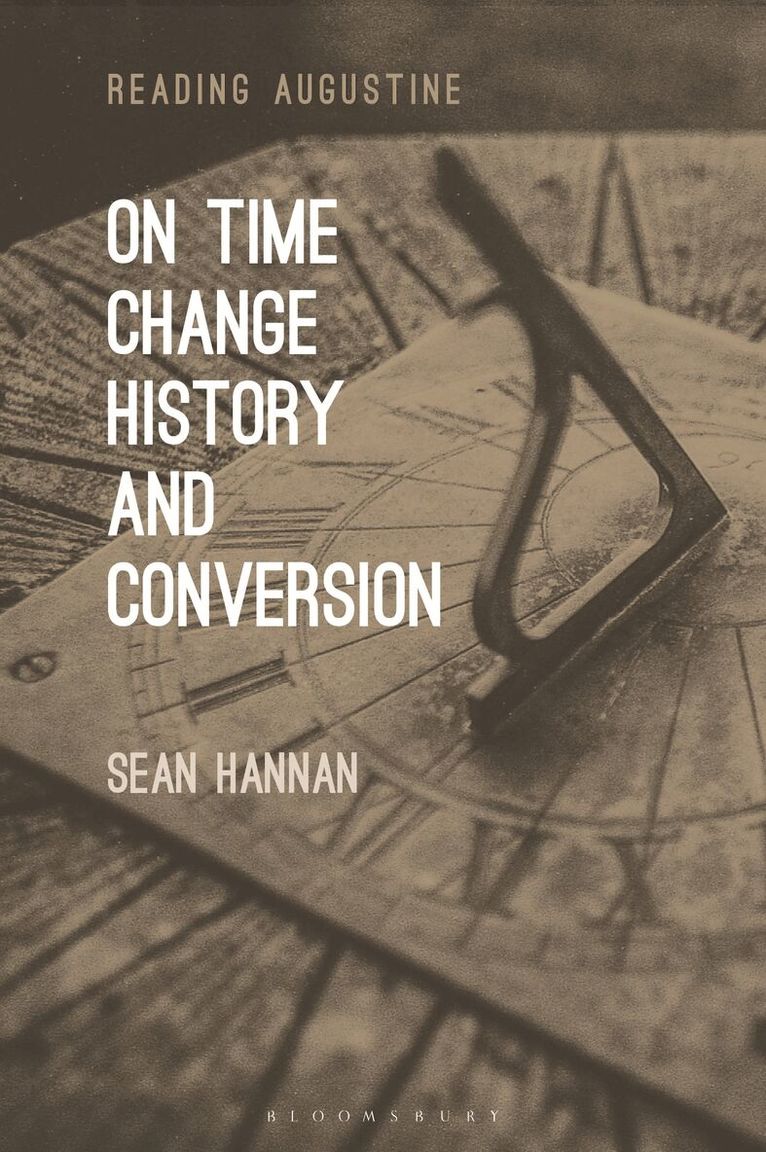
Sean Hannan offers a new interpretation of Augustine of Hippo’s approach to temporality by contrasting it with contemporary accounts of time drawn from philosophy, political theology, and popular science. Hannan argues that, rather than offering us a deceptively simple roadmap forward, Augustine asks us to face up to the question of time itself before we take on tasks like transforming ourselves and our world.Augustine discovered that the disorientation we feel in the face of change is a symptom of a deeper problem: namely, that we cannot truly comprehend time, even while it conditions every facet of our lives. This book puts Augustine into creative conversation with contemporary thinkers, from Pierre Hadot and Giorgio Agamben to Steven Pinker and Stephen Hawking, on questions such as the definition of time, the metaphysics of transformation, and the shape of history. The goal is to learn what Augustine can teach us about the nature of temporality and the possibility of change in this temporal world of ours.
1 076 kr
Skickas inom 10-15 vardagar
Sean Hannan offers a new interpretation of Augustine of Hippo’s approach to temporality by contrasting it with contemporary accounts of time drawn from philosophy, political theology, and popular science. Hannan argues that, rather than offering us a deceptively simple roadmap forward, Augustine asks us to face up to the question of time itself before we take on tasks like transforming ourselves and our world.Augustine discovered that the disorientation we feel in the face of change is a symptom of a deeper problem: namely, that we cannot truly comprehend time, even while it conditions every facet of our lives. This book puts Augustine into creative conversation with contemporary thinkers, from Pierre Hadot and Giorgio Agamben to Steven Pinker and Stephen Hawking, on questions such as the definition of time, the metaphysics of transformation, and the shape of history. The goal is to learn what Augustine can teach us about the nature of temporality and the possibility of change in this temporal world of ours.
1 343 kr
Skickas inom 10-15 vardagar
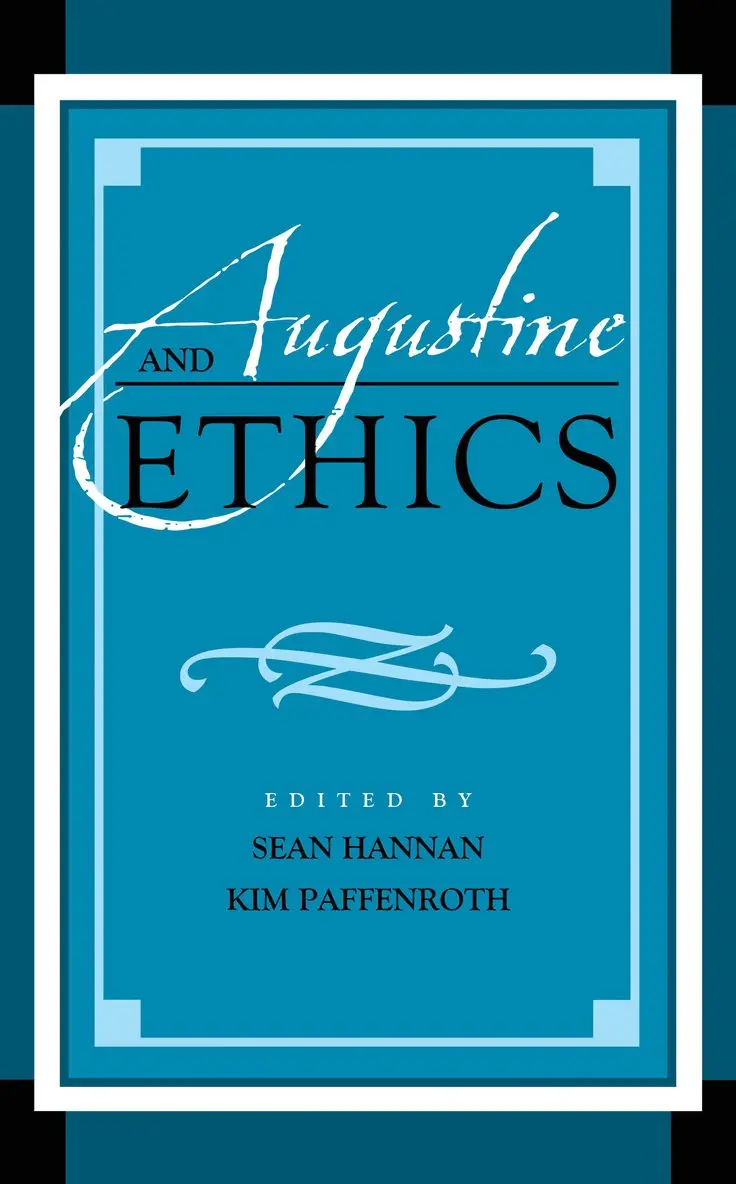
Augustine and Ethics examines the topic of ethics in the life and works of Augustine of Hippo. Adopting a global perspective on ethics as a field of philosophical and theological investigation, this volume includes reflections on virtue and vice, love and sin, and the political outcomes to which certain ethical stances tend to give rise. For Augustine himself, ethics was never merely theoretical. Ethical concerns are concrete; and ethical solutions should be practical. Accordingly, this volume gives Augustinian ethical arguments realization by connecting them to modern anxieties about ministry, health care, diet, and incarceration.Divided into five sections, the essays collected here highlight the ongoing relevance of Augustine’s work even in settings quite distinct from his own era and context. The first section lays down the groundwork for Augustinian ethics by examining the foundations of his thoughts on morality, self-formation, domination, and abuse. The next three sections are oriented around the themes of love, sin, and politics. The final section makes clear the consequences of Augustinian ethical thinking today, with a view to how pastors preach, how physicians heal, how prisoners suffer, and even how we should approach the ethics of eating.
1 476 kr
Skickas inom 10-15 vardagar
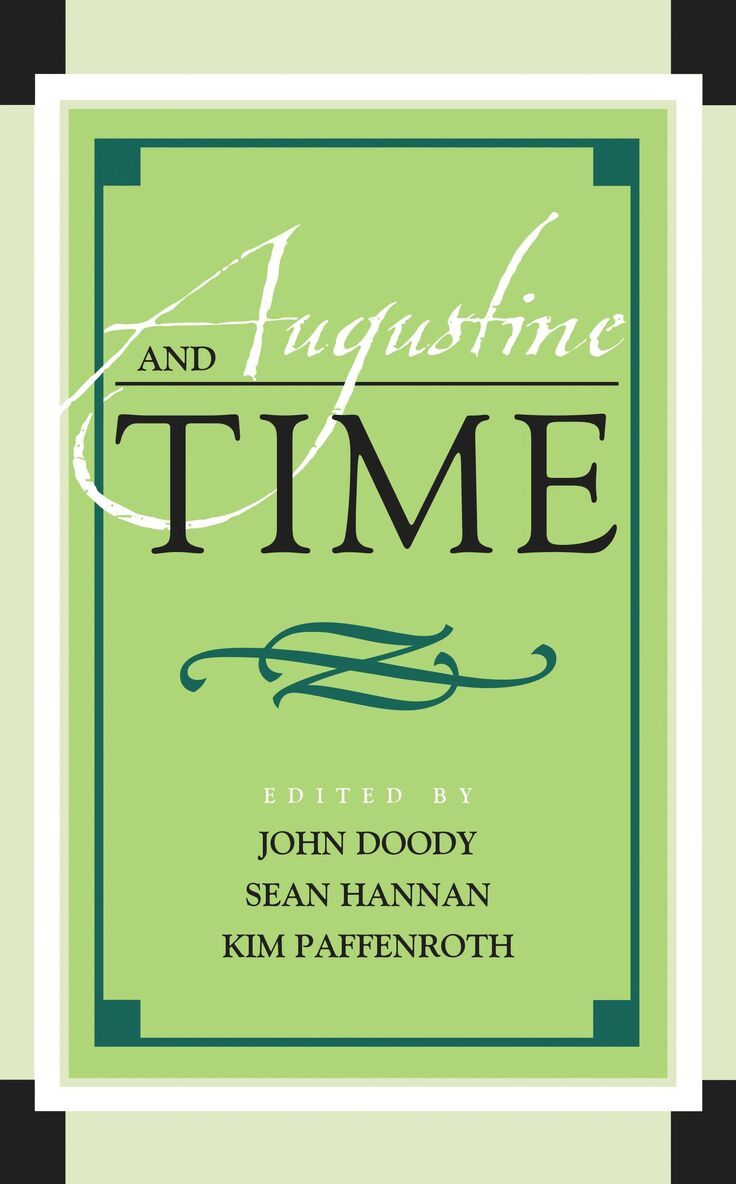
This collection examines the topic of time in the life and works of Augustine of Hippo. Adopting a global perspective on time as a philosophical and theological problem, the volume includes reflections on the meaning of history, the mortality of human bodies, and the relationship between temporal experience and linguistic expression. As Augustine himself once observed, time is both familiar and surprisingly strange. Everyone’s days are structured by temporal rhythms and routines, from watching the clock to whiling away the hours at work. Few of us, however, take the time to sit down and figure out whether time is real or not, or how it is we are able to hold our past, present, and future thoughts together in a straight line so that we can recite a prayer or sing a song. Divided into five sections, the essays collected here highlight the ongoing relevance of Augustine’s work even in settings quite distinct from his own era and context. The first three sections, organized around the themes of interpretation, language, and gendered embodiment, engage directly with Augustine’s own writings, from the Confessions to the City of God and beyond. The final two sections, meanwhile, explore the afterlife of the Augustinian approach in conversation with medieval Islamic and Christian thinkers (like Avicenna and Aquinas), as well as a broad range of Buddhist figures (like Dharmakirti and Vasubandhu). What binds all of these diverse chapters together is the underlying sense that, regardless of the century or the tradition in which we find ourselves, there is something about the puzzle of temporality that refuses to go away. Time, as Augustine knew, demands our attention. This was true for him in late ancient North Africa. It was also true for Buddhist thinkers in South and East Asia. And it remains just as true for humankind in the twenty-first century, as people around the globe continue to grapple with the reality of time and the challenges of living in a world that always seems to be to be speeding up rather than slowing down.
488 kr
Skickas inom 10-15 vardagar
This collection examines the topic of time in the life and works of Augustine of Hippo. Adopting a global perspective on time as a philosophical and theological problem, the volume includes reflections on the meaning of history, the mortality of human bodies, and the relationship between temporal experience and linguistic expression. As Augustine himself once observed, time is both familiar and surprisingly strange. Everyone’s days are structured by temporal rhythms and routines, from watching the clock to whiling away the hours at work. Few of us, however, take the time to sit down and figure out whether time is real or not, or how it is we are able to hold our past, present, and future thoughts together in a straight line so that we can recite a prayer or sing a song. Divided into five sections, the essays collected here highlight the ongoing relevance of Augustine’s work even in settings quite distinct from his own era and context. The first three sections, organized around the themes of interpretation, language, and gendered embodiment, engage directly with Augustine’s own writings, from the Confessions to the City of God and beyond. The final two sections, meanwhile, explore the afterlife of the Augustinian approach in conversation with medieval Islamic and Christian thinkers (like Avicenna and Aquinas), as well as a broad range of Buddhist figures (like Dharmakirti and Vasubandhu). What binds all of these diverse chapters together is the underlying sense that, regardless of the century or the tradition in which we find ourselves, there is something about the puzzle of temporality that refuses to go away. Time, as Augustine knew, demands our attention. This was true for him in late ancient North Africa. It was also true for Buddhist thinkers in South and East Asia. And it remains just as true for humankind in the twenty-first century, as people around the globe continue to grapple with the reality of time and the challenges of living in a world that always seems to be to be speeding up rather than slowing down.